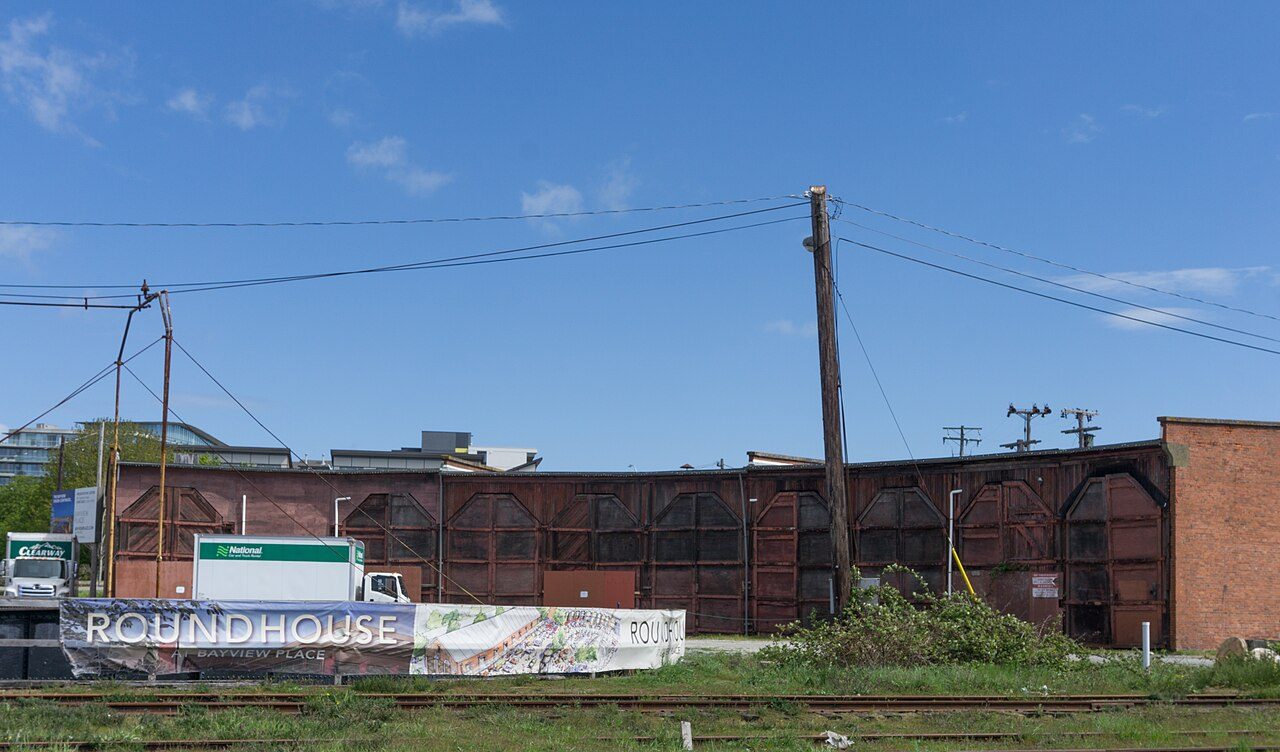
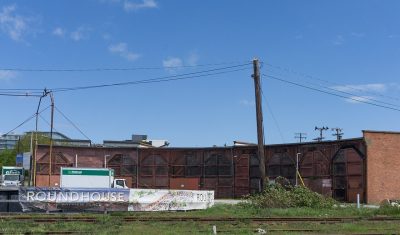
Esquimalt and Nanaimo Railway Roundhouse · Photo: Michal Klajban · CC BY-SA 4.0
80historic places on the registers
History of Victoria · Canada’s heritage registers
The registers list 80 historic places in Victoria, 23 at the top
Among the places are 54 provincial or municipal listings and 3 Recognized Federal Heritage Buildings. Only a few towns match Victoria per resident: 7.7 for every 10,000, ahead of 97% of Canadian towns. Fort Victoria, begun in 1843, is the oldest by its record. 50 further listings on provincial or municipal registers are known only through Wikidata, so they have no page of their own.
provincial and municipal listings with an encyclopedia article
Oldest building
1843
the first construction date on its record
Homes built before 1961
31%
typical town: 18%
In pictures
73 pictures of Victoria today, 16 from its past
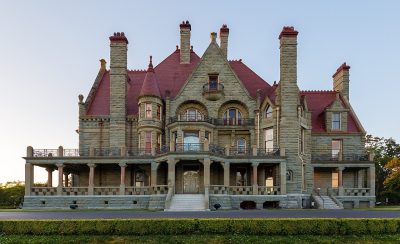
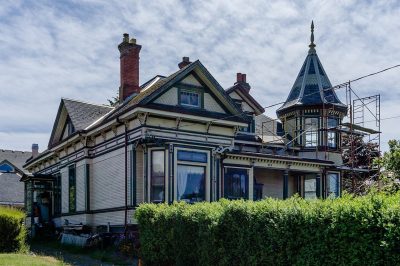
73 of the places on Victoria’s heritage registers are pictured here; the others keep their register record. For 6 of Victoria’s places, old views sit on the place’s own page. Among Victoria’s top-tier places, 19 are pictured.
Photos from Wikimedia Commons, each credited to its photographer with its licence; names open the place’s page. Tap a photo to step through them full screen.
Through time
Pictures of Victoria from 1845 to 1915
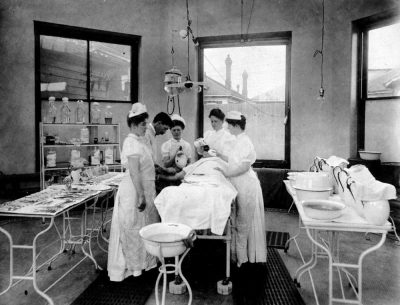
Oldest first: 12 old photographs of the town and the oldest views of 4 of its historic places. A tap on any picture opens it with its credit.
18501875190019251950Before ConfederationConfederation to 1900Boom yearsThe wars and betweenAfter the war
Public domain or CC0, made before 1950, from Wikimedia Commons; old views of places can be drawings, prints or maps of their time. Each credit opens the image’s page.
How it began
From 1843: Victoria’s first milestones
On paper, Victoria became a city in 1862. By 1888 the place had a station: Victoria station. For the municipality of Victoria itself, Wikidata records 1849, a date that can be a founding as much as a merger.
The place now called Victoria had its name changed in 1843.
Every place on the registers inside the town, by its designation.
Highest designationsProvincial and local listings400 m from Fort Victoria
4 of 23within 400 m of Fort Victoria, the heart of the town’s history
Dots open their places’ pages; hover first to read the name.
The 80, by tier
23 Highest designations3 Other federal designations54 Provincial and local listings
The federal directory kept by Parks Canada supplies most of these places; provincial and municipal lists outside Québec aren’t open data, so only the ones Wikidata documents with an article appear.
Points from Wikidata (Parks Canada’s files carry none) and from Québec’s register, as mapped there. 5 places, placed by their register’s municipality, have no point and aren’t on the map.
Highest designations
23 places in Victoria with the highest designation
Their dates run from 1843, with Fort Victoria, to 1926. National Historic Sites and Classified Federal Heritage Buildings, Canada’s highest federal recognition. The first was designated in 1924, the latest in 2025. Each one opens its own page.
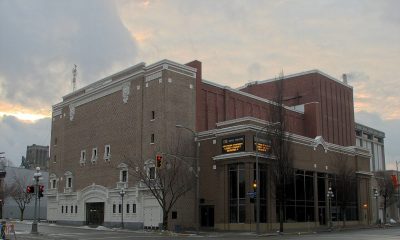
National Historic Site · 1926–1927Begbie Hall2101 Richmond Road
Other federal designations
3 other places Canada recognizes in Victoria
Their dates run from 1885, with WP 1328 - Gun Emplacement and Magazine Stores, to 1974. Recognized Federal Heritage Buildings, heritage railway stations and lighthouses. They were designated between 2013 and 2022. Each one opens its own page.
More mills, shops and works than anything else in Victoria: 18%
Its places fall into 8 kinds. That mix has few houses: 8% here, against 21% across Canada’s registers. Next come public buildings: 9.
Mills, shops and works14
Public buildings9
Houses6
Churches and religious buildings6
Forts and military buildings2
Theatres, museums and memorials2
Stations, lighthouses and bridges1
Other places40
Each place sits in one group, from its name first, then the uses its register lists.
Provincial and local listings
54 more places Victoria or its province protects
Provincial and municipal listings that Wikidata records and an encyclopedia describes. Their dates run from 1862, with Odd Fellows Hall, to 1920. Each one opens its own page.
Most of Victoria’s dated places come from the decades after Confederation
Each place by the first construction date on its record.
British North America 1760–18665
After Confederation 1867–191340
Wars and Depression 1914–19454
Since 1946 1946 on1
5 of the 50 dated places were built before Confederation.
When designated
Victoria on the registers since 1924
The places by the year of their designation.
192019401960198020002020
The earliest designation is Fort Victoria’s, from 1924. In 1990 alone, 3 were designated. Since 2011, 5 more have joined the list.
Homes by age
Old houses stand out in Victoria: 31% predate 1961, where most towns have 18%
Over half of the homes in Victoria were already standing by 1981. New building is strong in Victoria: 6.4% of homes date from 2016–21, where most towns have 4.1%. The largest single period is from 1961 to 1980, with 33% of Victoria’s homes.
31%
Before 1961
33%
1961–80
19%
1981–2000
11%
2001–15
6.4%
2016–21
VictoriaTypical town
2021 Census, private dwellings by period of construction (Statistics Canada); the typical town is the middle Canadian town of 2,500 or more.
Born here
One of Canada’s national historic persons, tied to Victoria
There are 57 people born here before 1914 with an article to show for it. In 1862 came the earliest, Ida Gibbs. Emily Carr is remembered here at Emily Carr House. 54 of the 57 were born in the decades after Confederation. The 20 best known are on the timeline.
Ida Gibbs
Ricca Allen
Charles Piper
Simon Fraser Tolmie
Harriet Gibbs Marshall
Sophie Pemberton
Emily Carr
John Lancelot Todd
Robert Powell
John Alexander Sinton
Chase G. Woodhouse
Byron Ingemar Johnson
Henry Angus
Nell Shipman
Richard Day
William Peden
Munroe Bourne
Art Chapman
Lynn Patrick
Lew Rush
18501875190019251950
EC
Emily Carr1871–1945 · National historic person, 1950 · Remembered at Emily Carr House
Munroe Bourne1910–1992 · Canadian swimmer, Olympic bronze medallist
CP
Charles Piper1867–1926 · American botanist
Sophie Pemberton1869–1959 · Canadian artist
William Peden1906–1980 · Canadian cyclist
Everyone born in Victoria → Born before 1914, or named by one of the town’s historic places. Birthplaces from Wikidata, each checked against Wikipedia; national historic persons from Parks Canada’s Directory of Federal Heritage Designations, matched by name and life years.
Towns its size
Victoria has the most of 16 towns its size
Towns of 95,800 to 114,000 residents, by places on the registers.
The registers count 80 historic places in Victoria, 23 with the highest designation. Among the 16 towns nearest its size, none has more historic places. Of its homes, 31% were built before 1961, against 18% in the typical town.
The densest spot is around Fort Victoria: 4 of its places of the highest designation within 400 m. 40 of the 50 dated places belong to the decades after Confederation. Among the lives from its past: Emily Carr (1871), Nell Shipman (1892) and Art Chapman (1912).
How to read these numbers
What this data can and can’t tell you
•
The federal register. Every federal designation is in Parks Canada’s directory, and the Canadian Register of Historic Places gives most of them a bilingual statement of significance.
•
Map points. Pins for federal places come from Wikidata rather than Parks Canada, which gives no points.
•
Provincial and municipal lists. Provincial and municipal listings here come from Wikidata alone, since the provinces’ own registers can’t be reused; a listing needs an encyclopedia article to get a page.
•
The tiers. National Historic Sites and the most protected buildings form the top tier; recognized federal buildings, stations and lighthouses the second; provincial and municipal listings the third.
•
The grade. History isn’t one of Canada’s graded pillars, so this page describes and compares without a letter.
•
People and events. Parks Canada’s open file gives its national historic persons no place. A town’s page names one only when the person was born there (matched by name and both life years) or one of its own historic places carries the name and its record speaks of them; national historic events stay off.
•
Protection. National historic designation honours a place but binds only federal owners; a private building’s protection depends on its province or municipality.
Questions about Victoria’s history
Which places in Victoria have the highest designation?
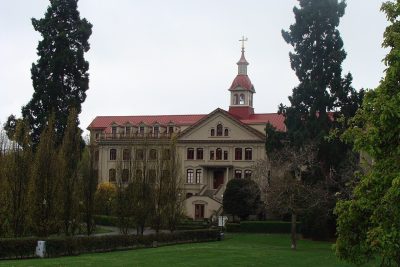
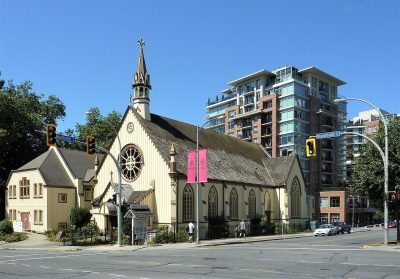
These: Fort Victoria, Point Ellice House / O'Reilly House, Congregation Emanu-el Temple, Emily Carr House, St. Ann's Academy and Malahat Building / Old Victoria Custom House, and 17 more.
How old are the homes in Victoria?
The 2021 Census dates 31% of its homes before 1961 (18% in the typical town).
What is the oldest building in Victoria?
Fort Victoria, a National Historic Site, begun in 1843.
Why might a heritage building in Victoria be missing here?
Provincial and municipal registers outside Québec aren’t open data. Wikidata knows 50 more listings in Victoria, but without an open description or an encyclopedia article they get no page.
Contains information licensed under the Open Government Licence – Canada (Parks Canada).
Sources: Parks Canada, Directory of Federal Heritage Designations · Canadian Register of Historic Places (federal extract) · Wikidata (CC0) for map points, other names and articles · Statistics Canada, 2021 Census (homes by period of construction). Under the Statistics Canada Open Licence.
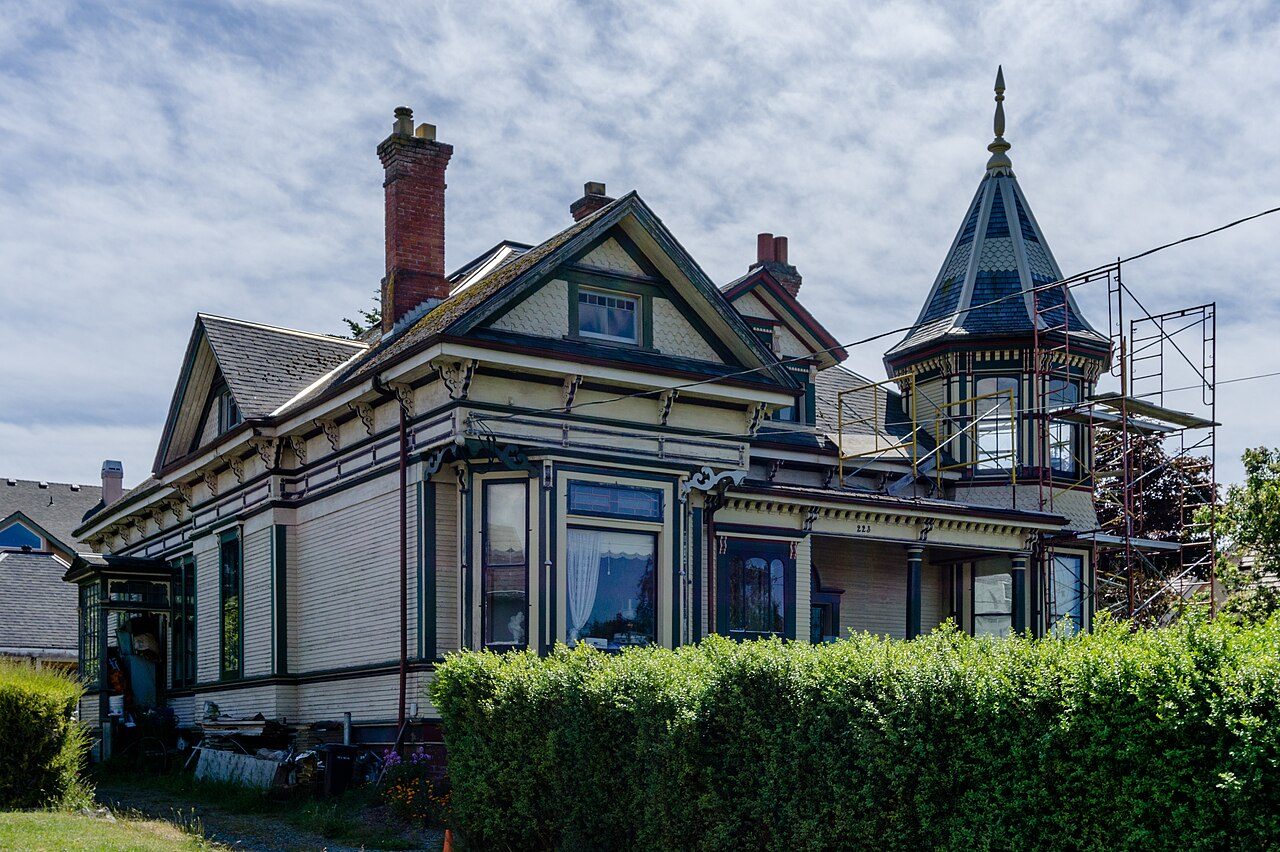


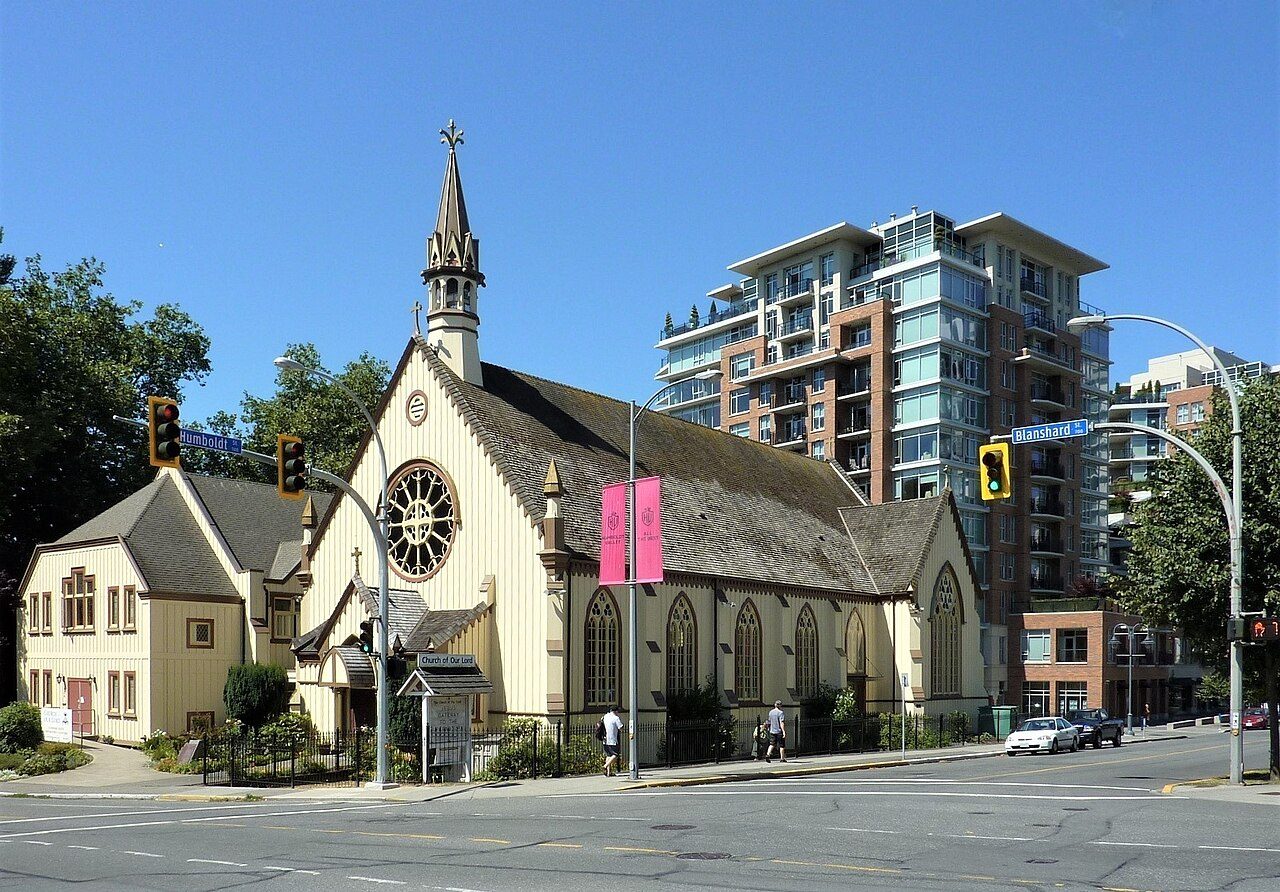
 1845
 c. 1860
 1860
 1860
 1870
 1878
 1878
 1884
 1891–1894
 1898
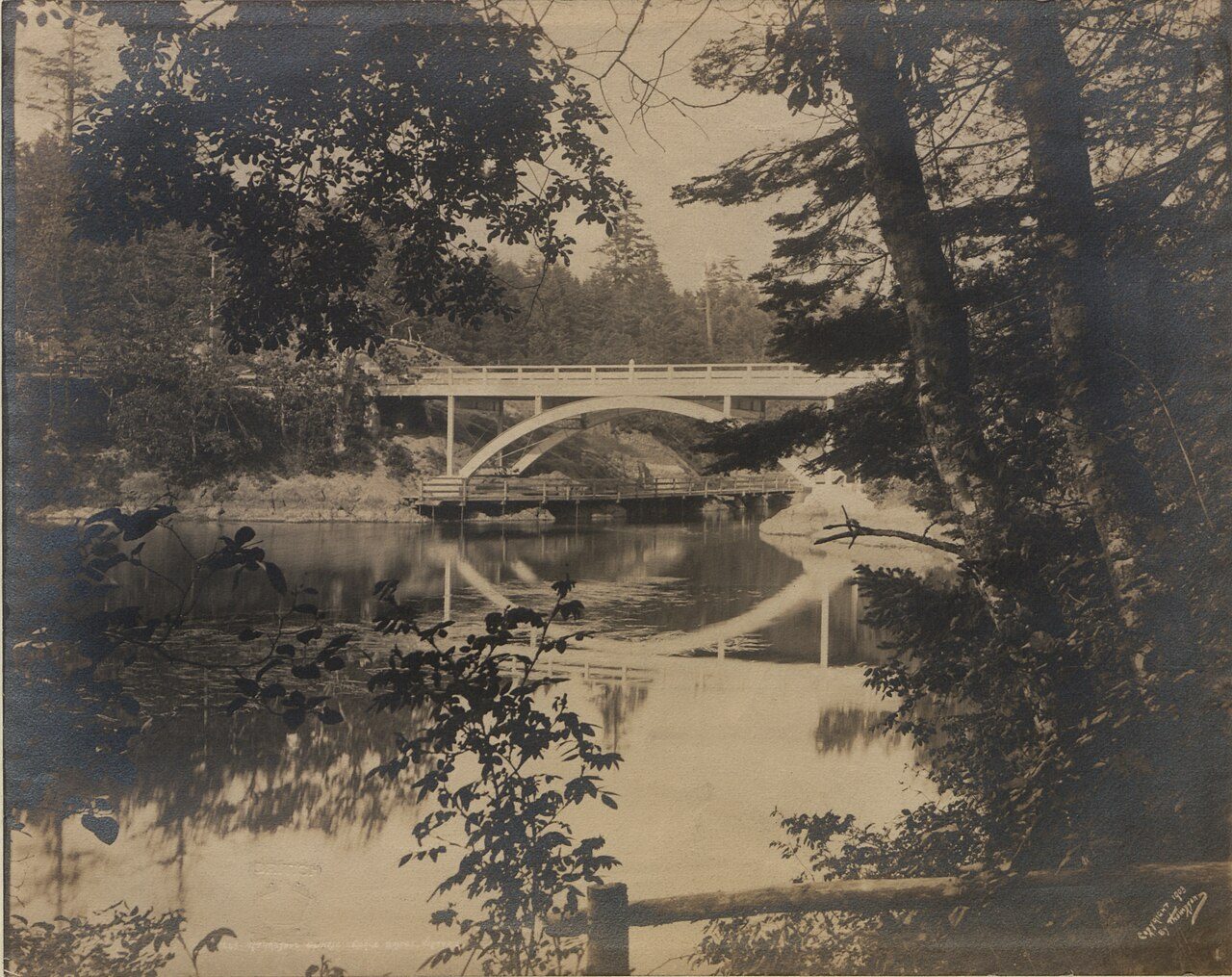 c. 1903
 c. 1903
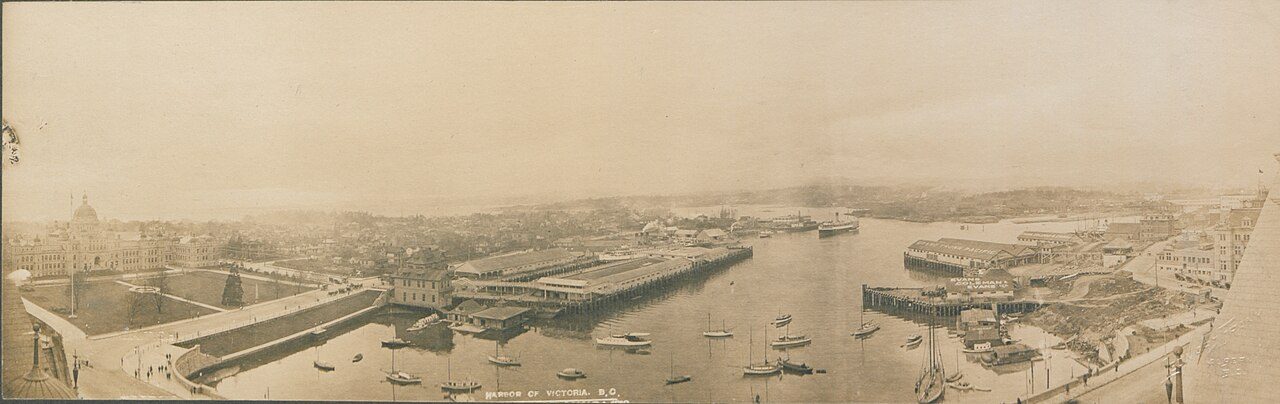 c. 1912
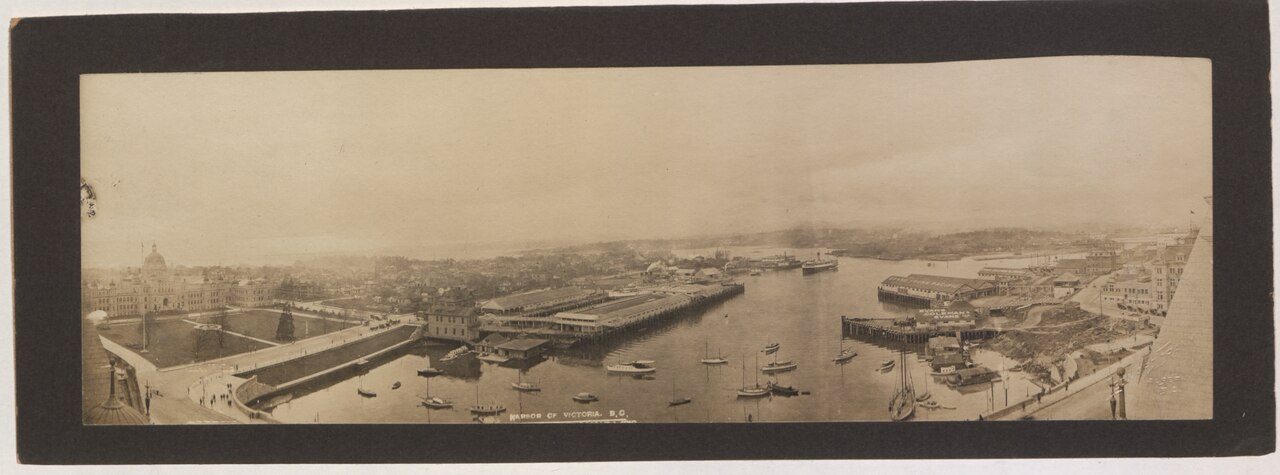 c. 1912
 c. 1913
 c. 1915
 Top
 Top
 Top
 Top
 Top
 Top
 Top
 Top
 Top
 Top
 Top
 Top
 Top
 Top
 Top
 Top
 Top
 Top
 Top


