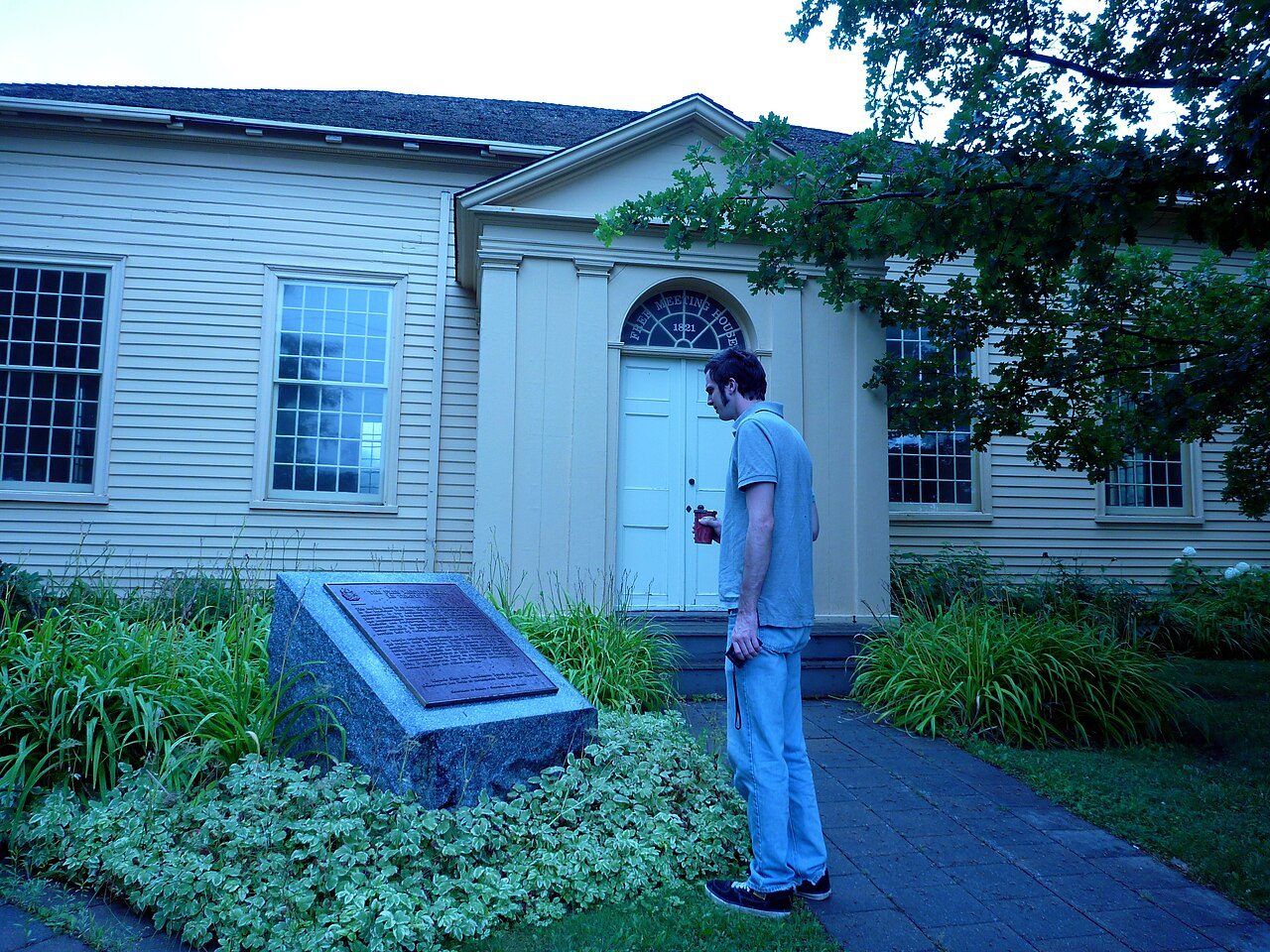
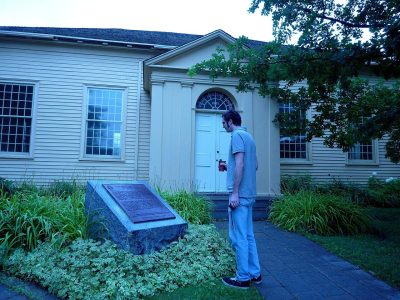
Free Meeting House · Photo: knittymarie · CC BY-SA 2.0
14historic places on the registers
History of Moncton · Canada’s heritage registers
One top designation among Moncton’s 14 historic places
On the list: 11 provincial or municipal listings and 2 Recognized Federal Heritage Buildings. Of the dated places, Free Meeting House is the oldest, from 1821. For every 10,000 residents Moncton has 1.4, ahead of 82% of Canadian towns. A further one sits a short way past the edge of town.
provincial and municipal listings with an encyclopedia article
Oldest building
1821
the first construction date on its record
Homes built before 1961
21%
typical town: 18%
In pictures
Historic Moncton: 11 photos, 10 old pictures
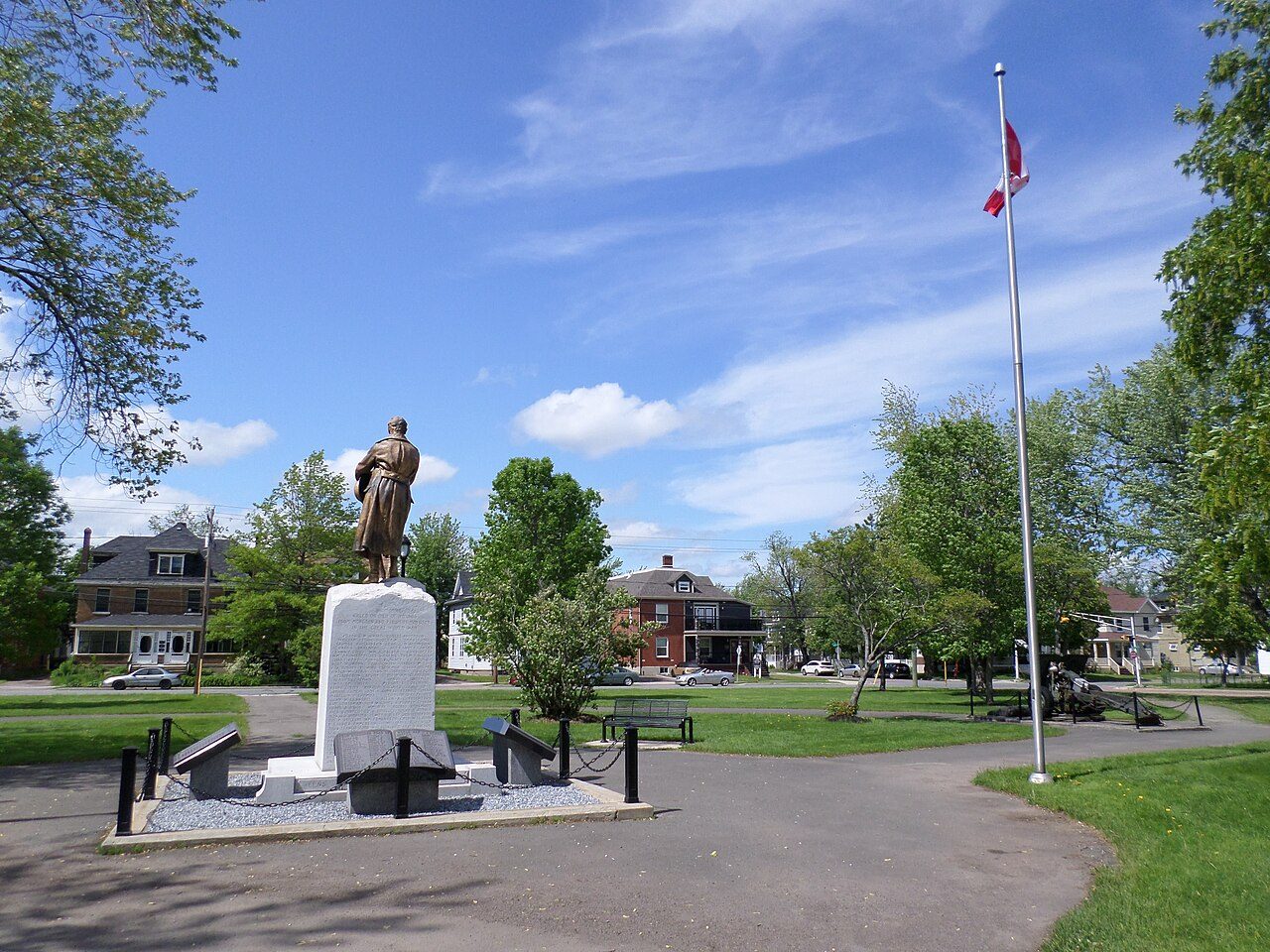
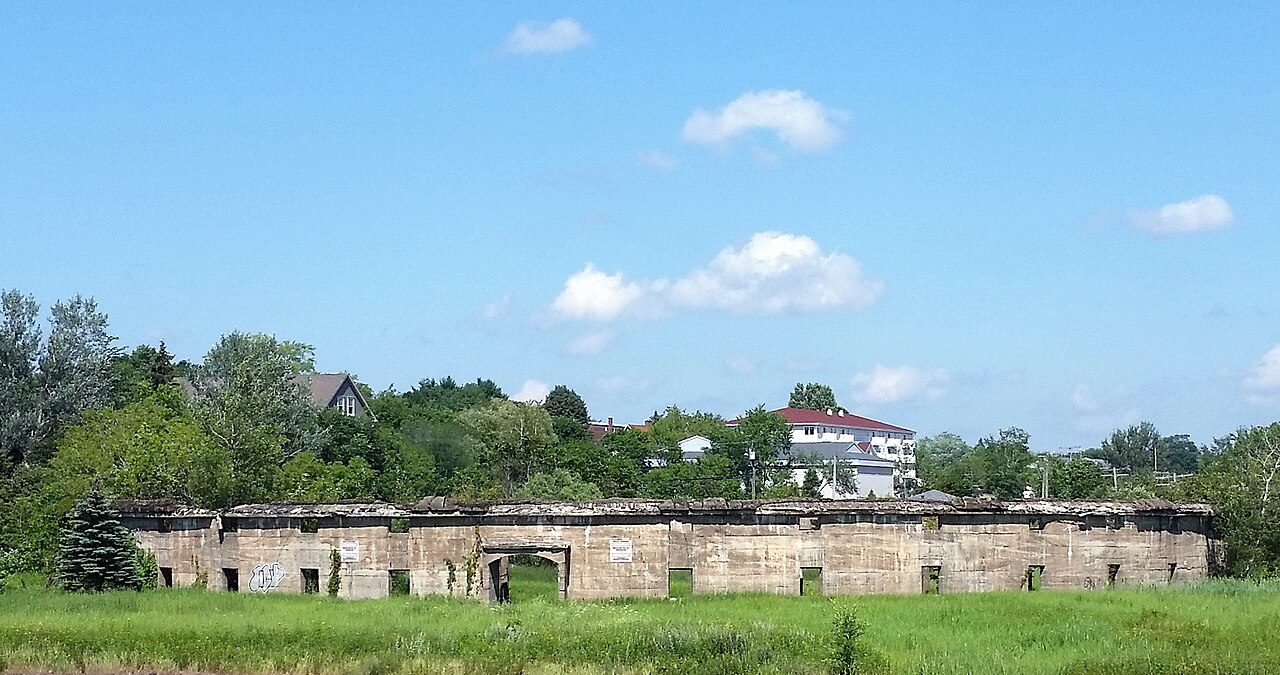
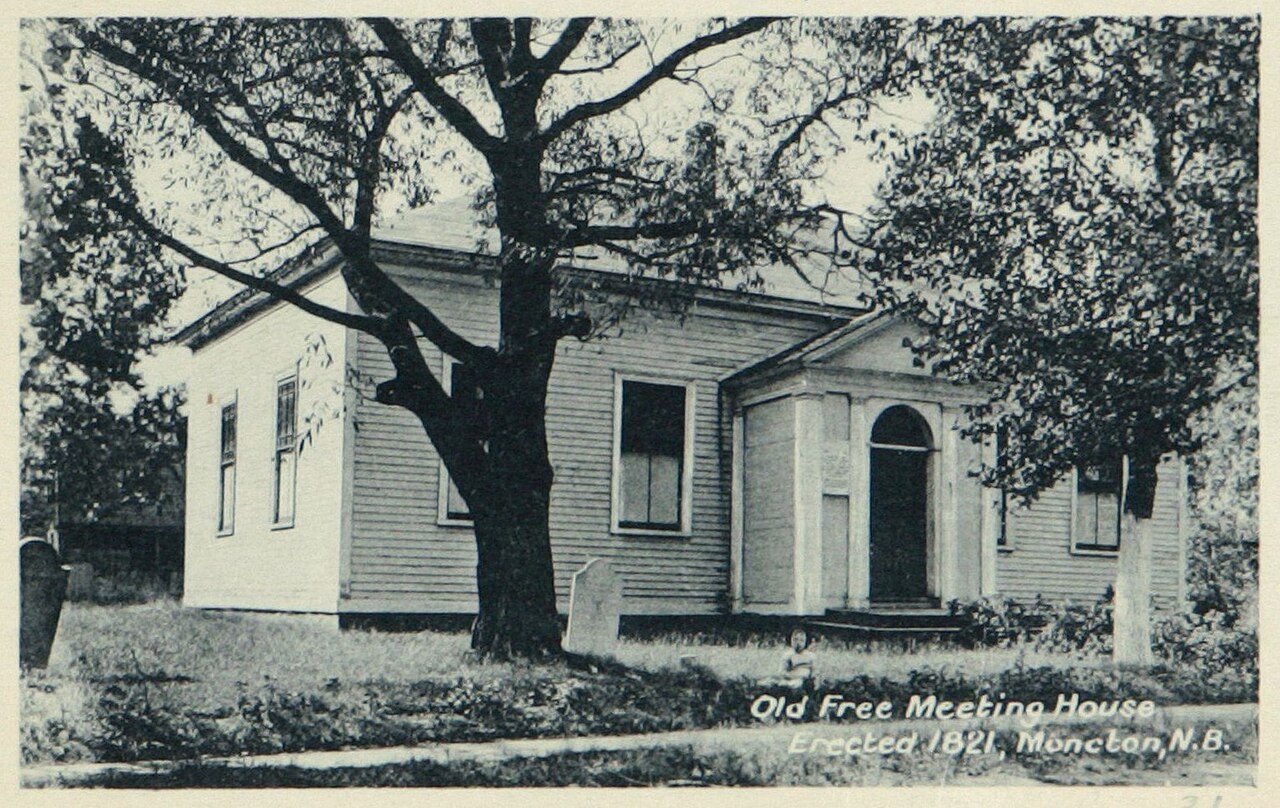
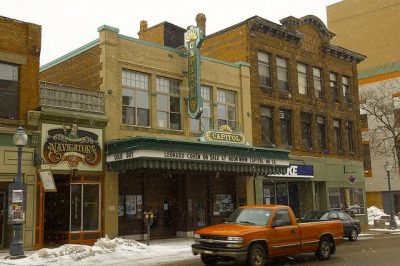
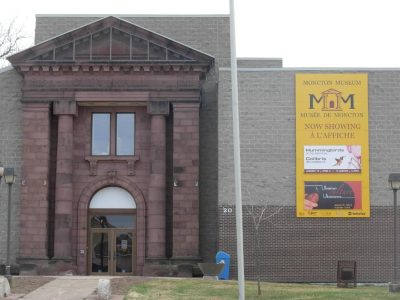
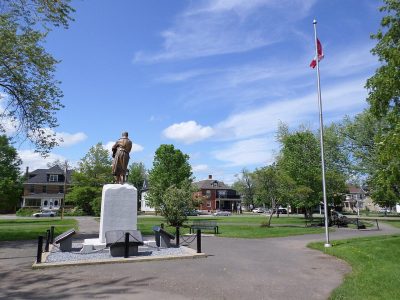
There are photos here of 11 of Moncton’s designated places. 2 of Moncton’s places also have old views on their own pages. You can start with Free Meeting House and “Victoria Park, New Brunswick”.
Photos from Wikimedia Commons, each credited to its photographer with its licence; names open the place’s page. Tap a photo to step through them full screen.
Through time
The past of Moncton, 1902 to 1940
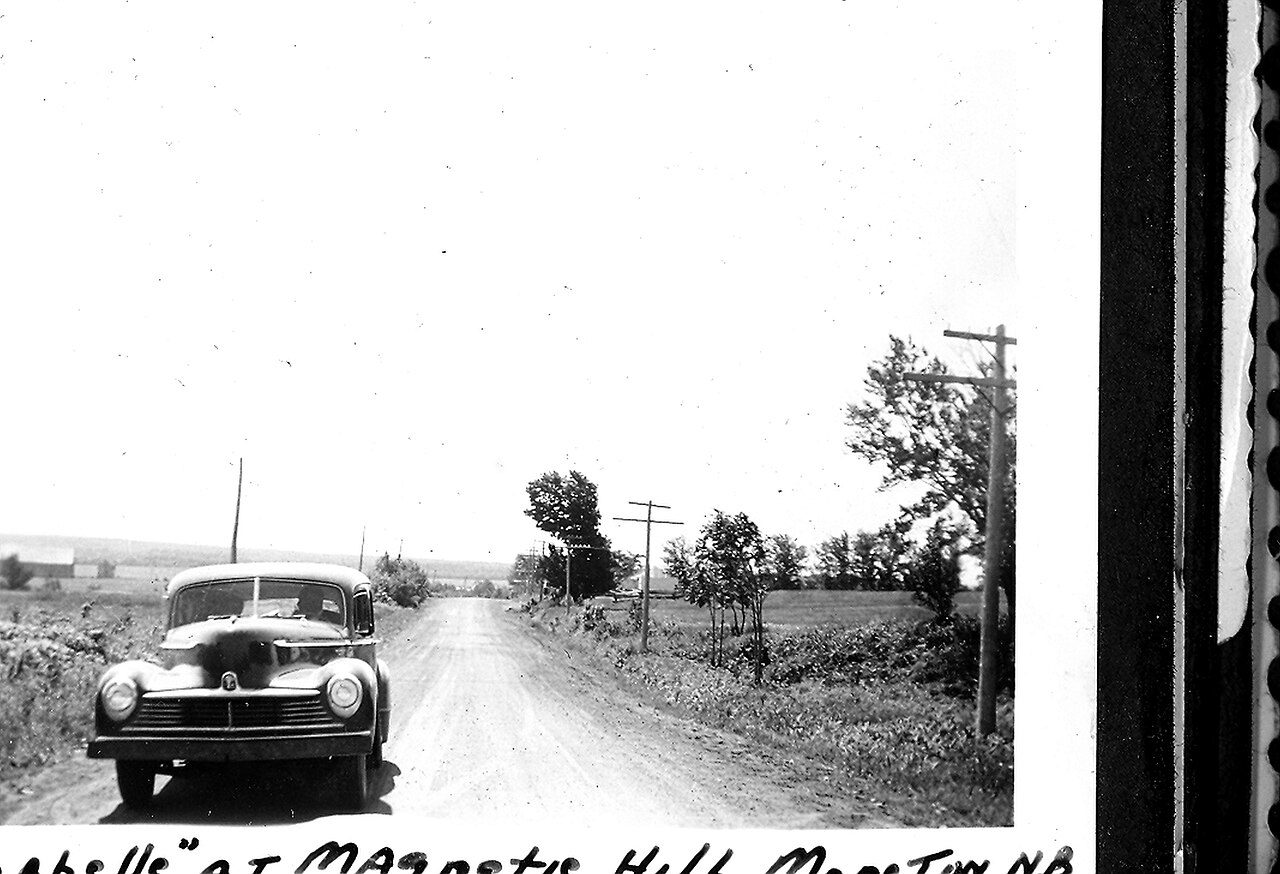
By date: 8 old photographs of the town, with the oldest views of 2 of its historic places. The dots mark each picture’s year; tap one to enlarge it.
1890190019101920193019401950Confederation to 1900Boom yearsThe wars and betweenAfter the war
Public domain or CC0, made before 1950, from Wikimedia Commons; old views of places can be drawings, prints or maps of their time. Each credit opens the image’s page.
How it began
Back to 1766: Moncton’s first record
As a municipality, Moncton carries the date 1766 on Wikidata: a founding, an incorporation or an amalgamation. Behind the name Moncton is Robert Monckton.
Every place on the registers inside the town, by its designation.
Highest designationsOther federal designationsProvincial and local listings
Names show on hover, and a tap takes you to the place’s page.
The 14, by tier
1 Highest designations2 Other federal designations11 Provincial and local listings
Most entries are federal, from Parks Canada’s Directory of Federal Heritage Designations; local listings outside Québec are known only through Wikidata items with an article.
Points from Wikidata (Parks Canada’s files carry none) and from Québec’s register, as mapped there.
Highest designations
One place in Moncton with the highest designation
National Historic Sites and Classified Federal Heritage Buildings, Canada’s highest federal recognition. Each one opens its own page.
Their designations span 1985 to 1995. Recognized Federal Heritage Buildings, heritage railway stations and lighthouses. “Federal Building, Dominion Public Building” is the earliest, from 1934; the latest dates from 1948. Each one opens its own page.
Recognized Federal Heritage Building · 1948–1949Gulf Fisheries Centre343 Archibald Street
What’s designated
Moncton’s record leans to theatres, museums and memorials: 21%
The record covers 6 kinds of building and site. 2 places make churches and religious buildings the second group. At the head of the list: Free Meeting House and “Federal Building, Dominion Public Building”.
Theatres, museums and memorials3
Churches and religious buildings2
Public buildings2
Mills, shops and works1
Houses1
Other places5
Grouped by what each register says the place is or was; a converted building counts as what it was built for.
Provincial and local listings
On provincial and local lists in Moncton: 11 places
Provincial and municipal listings that Wikidata records and an encyclopedia describes. Bank of Montreal Building is the earliest, from 1876; the latest dates from 1986. Each one opens its own page.
In Moncton, the wars and the Depression left the most behind
Each place by the first construction date on its record.
British North America 1760–18661
After Confederation 1867–19131
Wars and Depression 1914–19455
Since 1946 1946 on5
One of the 12 dated places is older than Confederation.
Just outside
Just outside Moncton
Places the registers give to the town from within 5 km of its edge, nearest first.
Just outside Moncton: 1
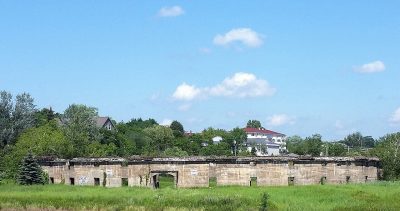
The BendLocal historic place · 100 m outside the town
Homes by age
6.9% of Moncton’s homes are from 2016 to 2021 (4.1% is typical)
Moncton’s largest group of homes, 25%, went up from 1961 to 1980. 24% of Moncton’s homes were built from 2001 to 2015, more than the typical town’s 15%. Like the typical town (18%), Moncton has 21% of its homes from before 1961.
21%
Before 1961
25%
1961–80
23%
1981–2000
24%
2001–15
6.9%
2016–21
MonctonTypical town
2021 Census, private dwellings by period of construction (Statistics Canada); the typical town is the middle Canadian town of 2,500 or more.
Born here
Moncton’s people of the past, born 1818–1913
Most of them, 20 of 27, came into the world in the decades after Confederation. 6 Wikipedias cover Ivan Rand, the most of anyone here. Wikidata and Wikipedia agree on 27 births here before 1914. At 100, Gordon Perry outlived the rest, dying in 2003. The 20 best known are on the timeline.
James Steadman
George G. Wortman
Charles B. Lockhart
William F. Humphrey
Frederick Williams-Taylor
James Alexander Murray
Clifford William Robinson
Sandy Ferguson
Charles Edgar Edgett
Ivan Rand
Clarence Joseph Veniot
Harry Scott
Tremaine Kennedy
Owen Trainor
George Carroll
Joseph W. Bourgeois
Albert Reginald MacDougall
Gordon Perry
Clément Cormier
Harry Smyth
1800182518501875190019251950
Ivan Rand1884–1969 · Canadian politician and Supreme Court justice
Clifford William Robinson1866–1944 · Canadian politician
HS
Harry Scott1887–1954 · Canadian ice hockey player
GC
George Carroll1897–1939 · Canadian ice hockey defenceman
CC
Clément Cormier1910–1987 · Canadian academic administrator and priest
JM
James Alexander Murray1864–1960 · Canadian politician
Sandy Ferguson1879–1919 · Canadian boxer
CV
Clarence Joseph Veniot1886–1977 · Canadian politician
Everyone born in Moncton → Born before 1914 (the page’s periods: Confederation to the First World War). Birthplaces from Wikidata, each checked against the person’s Wikipedia article.
Towns its size
Moncton has the 3rd most of 16 towns its size
Towns of 92,500 to 113,700 residents, by places on the registers.
Before 1961: 21% of Moncton’s homes, against 18% in the typical town. There are 14 historic places in all, one with the highest designation; Free Meeting House heads them. Just 2 towns of its size, out of 16, have more historic places. Ivan Rand (1884), Clifford William Robinson (1866) and Harry Scott (1887) are the best known of its historic lives. The rest is about typical: the list grew between 1985 and 1995.
How to read these numbers
What this data can and can’t tell you
•
The federal register. Every federal designation is in Parks Canada’s directory, and the Canadian Register of Historic Places gives most of them a bilingual statement of significance.
•
Protection. Being on these registers doesn’t mean a building can’t change. Federal designation commemorates; protection is provincial or municipal, and those lists aren’t open here.
•
People and events. Parks Canada’s open file gives its national historic persons no place. A town’s page names one only when the person was born there (matched by name and both life years) or one of its own historic places carries the name and its record speaks of them; national historic events stay off.
•
Map points. Parks Canada publishes no coordinates, so federal places are pinned where Wikidata puts them.
•
The grade. This page gives no grade; history doesn’t count toward a Canadian town’s letter.
•
The tiers. The highest designations are National Historic Sites, Classified Federal Heritage Buildings and Québec’s classements; then come the other federal designations; then provincial and local listings.
•
Provincial and municipal lists. Provincial and municipal listings here come from Wikidata alone, since the provinces’ own registers can’t be reused; a listing needs an encyclopedia article to get a page.
Questions about Moncton’s history
Which places in Moncton have the highest designation?
Free Meeting House.
What is the oldest building in Moncton?
Free Meeting House (National Historic Site): the first construction date on its record is 1821.
Why might a heritage building in Moncton be missing here?
Its province’s and council’s own lists can’t be reused here; 80 further listings in Moncton show up only as Wikidata numbers.
How old are the homes in Moncton?
Before 1961: 21% of its homes; the typical town has 18%.
Contains information licensed under the Open Government Licence – Canada (Parks Canada).
Sources: Parks Canada, Directory of Federal Heritage Designations · Canadian Register of Historic Places (federal extract) · Wikidata (CC0) for map points, other names and articles · Statistics Canada, 2021 Census (homes by period of construction). Under the Statistics Canada Open Licence.



 1902
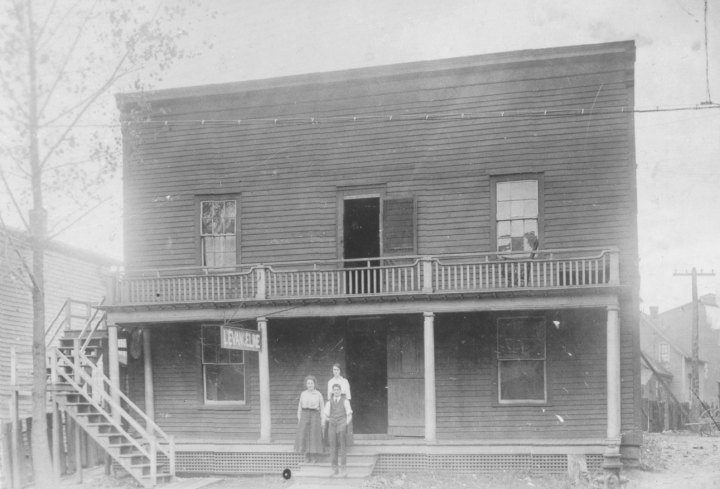 1905
 c. 1906
 c. 1906
 c. 1906
 1908
 1927
 1931
 c. 1940
 1940
 Top
 Fed
 Local
 Local
 Local
 Local
 Local
 Local
 Local
 Local
 Local


