History of Sault Ste. Marie · Canada’s heritage registers
Sault Ste. Marie has 11 historic places on the registers, 6 in the top tier
Counted by designation, there are 3 Recognized Federal Heritage Buildings and 2 provincial or municipal listings. More of its homes are old than in most towns: 34% before 1961, against 18%. The earliest construction date, 1812, belongs to Ermatinger House. Relative to its size Sault Ste. Marie has 1.4 per 10,000 residents, more than 82% of Canadian towns.
provincial and municipal listings with an encyclopedia article
Oldest building
1812
the first construction date on its record
Homes built before 1961
34%
typical town: 18%
In pictures
Sault Ste. Marie in 10 photos and 9 old pictures
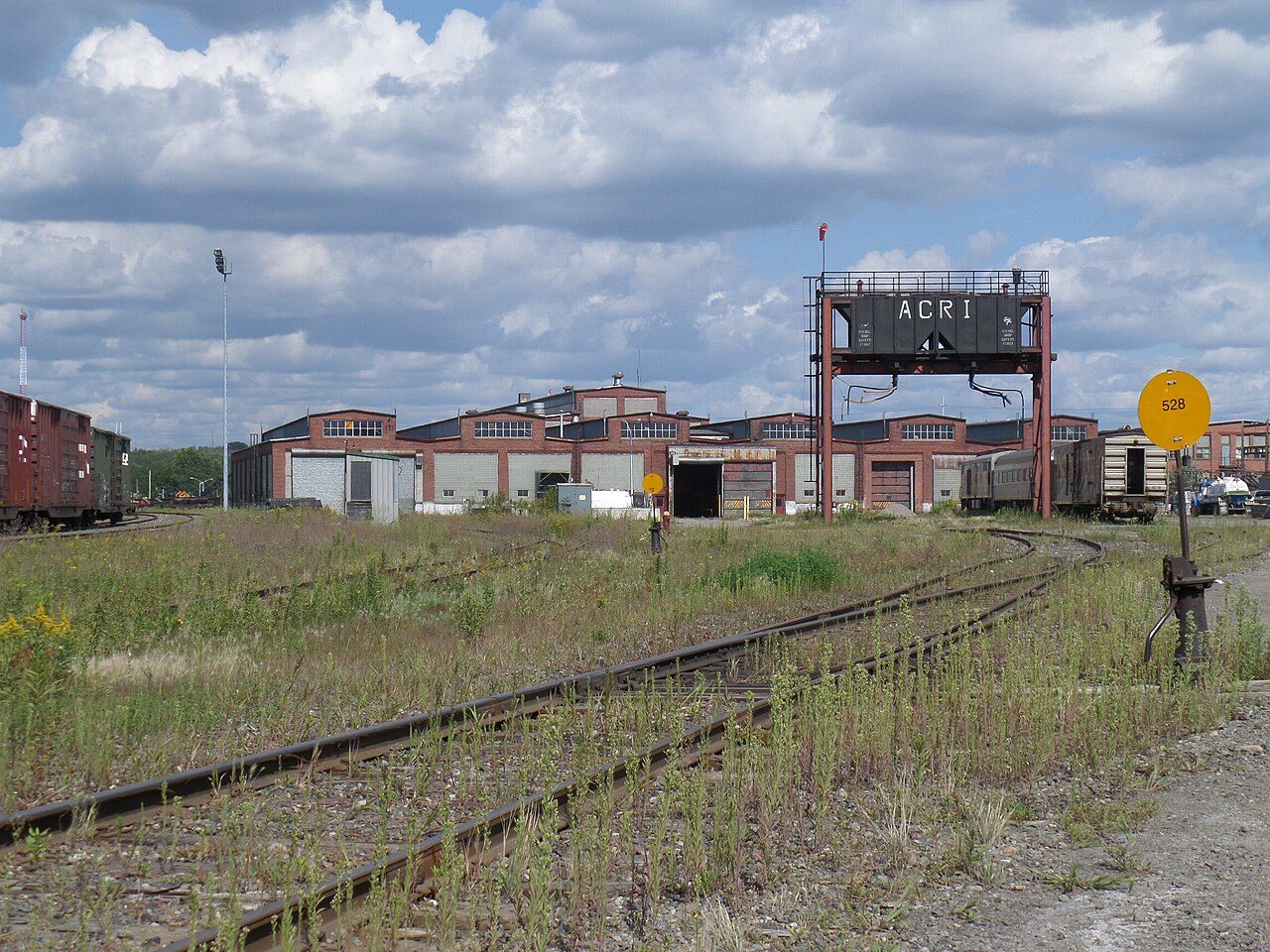
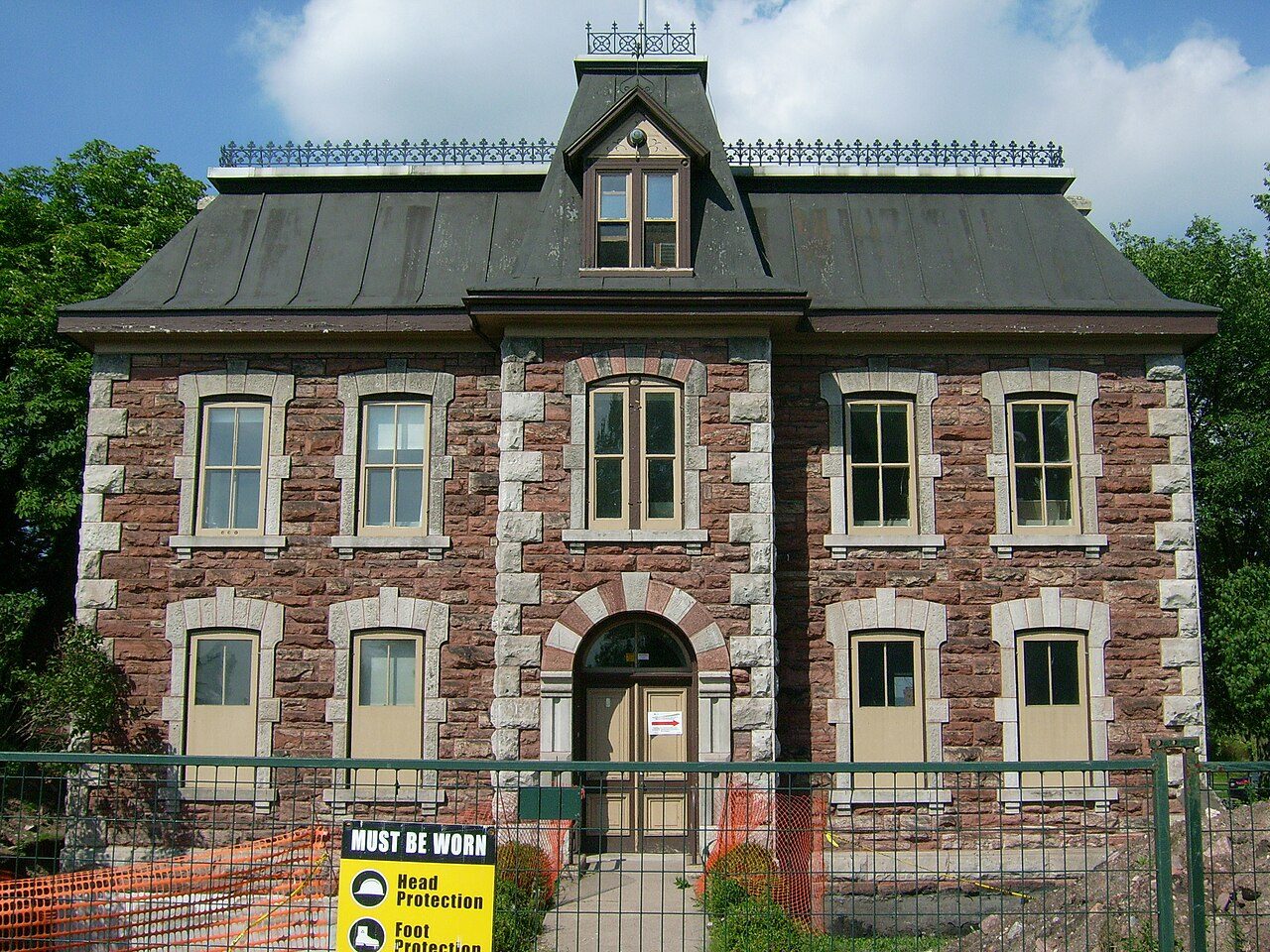
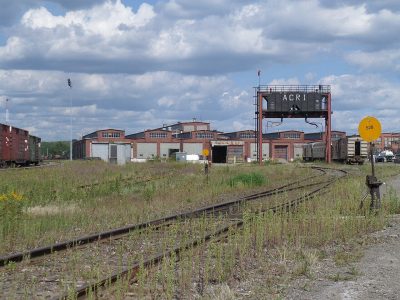
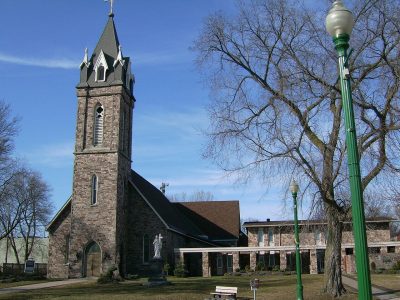
Among Sault Ste. Marie’s top-tier places, 5 are pictured. There are photos here of 10 of Sault Ste. Marie’s designated places. Begin with Power House, then Ermatinger House.
Photos from Wikimedia Commons, each credited to its photographer with its licence; names open the place’s page. Tap a photo to step through them full screen.
Through time
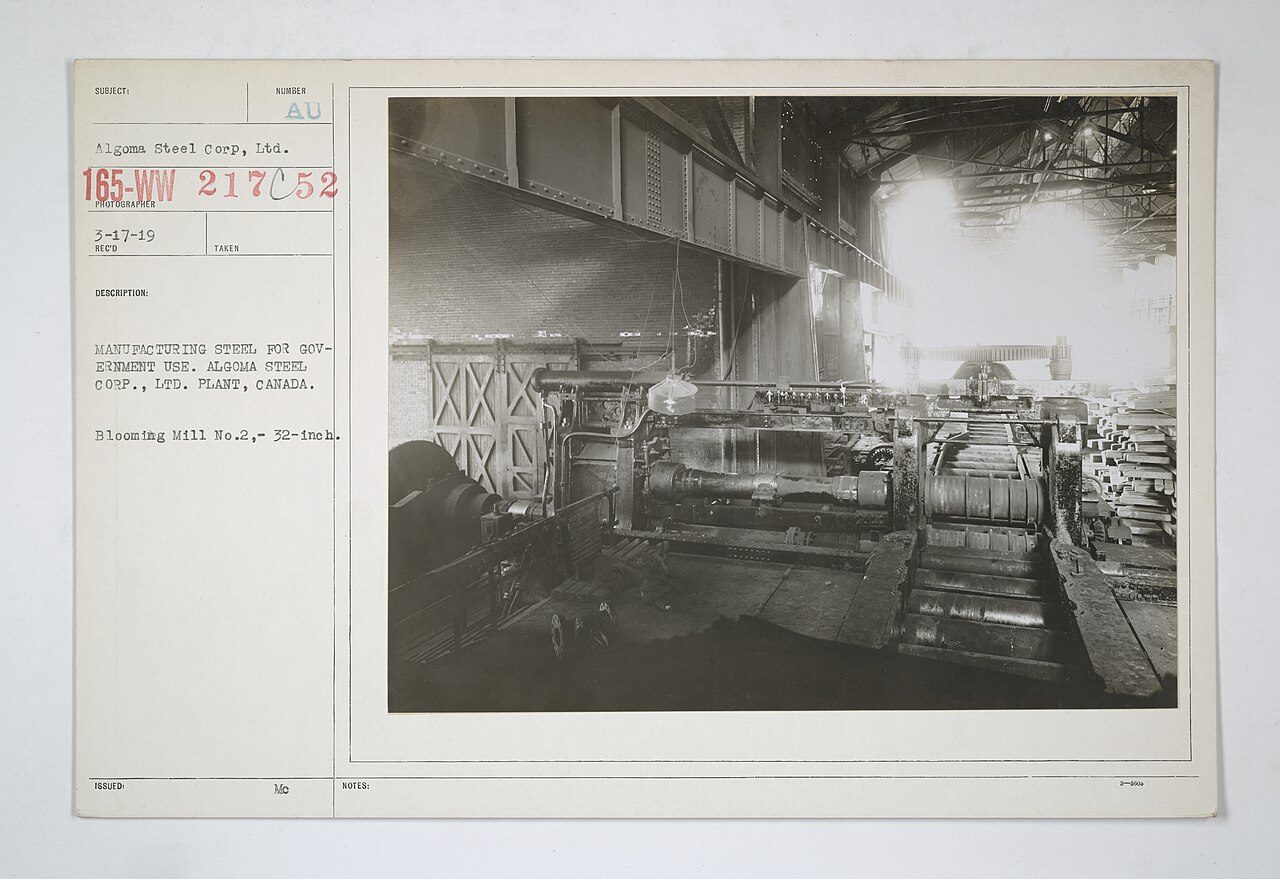
Back in time: Sault Ste. Marie, 1870–1917
8 old photographs of the town and the oldest view of one of its historic places, in date order. Swipe along the strip; each picture opens at full size.
1875190019251950Before ConfederationConfederation to 1900Boom yearsThe wars and betweenAfter the war
Public domain or CC0, made before 1950, from Wikimedia Commons; old views of places can be drawings, prints or maps of their time. Each credit opens the image’s page.
How it began
The record of Sault Ste. Marie, from 1871 on
The municipality of Sault Ste. Marie was incorporated as a village in 1871. In Wikidata’s entry, the municipality of Sault Ste. Marie dates from 1888; that can mean a founding, a charter or a merger. Sault Ste. Marie is named after St. Marys River, river draining Lake Superior into Lake Huron in North America.
Every place on the registers inside the town, by its designation.
Highest designationsOther federal designationsProvincial and local listings400 m from Power House
3 of 6within 400 m of Power House, the heart of the town’s history
Tap any dot to open that place’s own page; hovering shows its name.
The 11, by tier
6 Highest designations3 Other federal designations2 Provincial and local listings
Federal designations come from Parks Canada’s directory; a province’s or a council’s own listing shows here only when Wikidata holds it and an encyclopedia covers it.
Points from Wikidata (Parks Canada’s files carry none) and from Québec’s register, as mapped there. One place, placed by its register’s municipality, has no point and isn’t on the map.
Highest designations
6 places in Sault Ste. Marie with the highest designation
Ermatinger House is the earliest, from 1812; the latest dates from 1934. The group holds 5 National Historic Sites and a Classified Federal Heritage Building. National Historic Sites and Classified Federal Heritage Buildings, Canada’s highest federal recognition. Each one opens its own page.
Federal heritage in Sault Ste. Marie: 3 more places
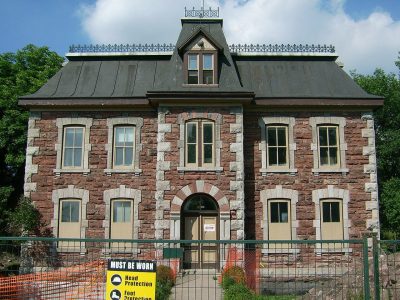
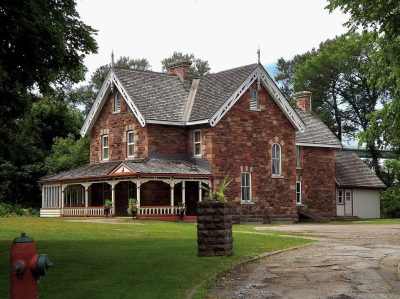
Recognized Federal Heritage Buildings, heritage railway stations and lighthouses. Office Building is the earliest, from 1895; the latest dates from 1896. Each one opens its own page.
The list in Sault Ste. Marie starts with stations, lighthouses and bridges, at 36%
Leading by designation: Ermatinger House and Sault Ste. Marie Canal. The second-largest group is houses, with 3. By kind, the list runs to 5 groups.
Stations, lighthouses and bridges4
Houses3
Public buildings1
Churches and religious buildings1
Other places2
The groups come from each place’s name and its recorded functions, by what it was built as.
Provincial and local listings
On provincial and local lists in Sault Ste. Marie: 2 places
Provincial and municipal listings that Wikidata records and an encyclopedia describes. Precious Blood Cathedral is the earliest, from 1875; the latest dates from 1987. Each one opens its own page.
In Sault Ste. Marie, the decades after Confederation left the most behind
Each place by the first construction date on its record.
British North America 1760–18661
After Confederation 1867–19137
Wars and Depression 1914–19451
Since 1946 1946 on1
One of the 10 dated places is older than Confederation.
Homes by age
New homes are rare in Sault Ste. Marie: 1.5% from 2016–21, against a usual 4.1%
Few of Sault Ste. Marie’s homes date from 1981 to 2000: 17%, the norm 23%. Homes built from 2001 to 2015 make up just 6% of Sault Ste. Marie’s, against 15% in the typical town. More of Sault Ste. Marie’s homes were built from 1961 to 1980 than in any other period: 41%.
34%
Before 1961
41%
1961–80
17%
1981–2000
6%
2001–15
1.5%
2016–21
Sault Ste. MarieTypical town
2021 Census, private dwellings by period of construction (Statistics Canada); the typical town is the middle Canadian town of 2,500 or more.
Born here
Sault Ste. Marie’s people of the past, born 1797–1910
By Wikipedia’s reach, Art Duncan leads, with 7 articles. Before 1914, 12 births here made the record. Of the 12, 11 were born in the decades after Confederation. Henry Sidney Hamilton reached 89, the longest life here, ending in 1976.
Thomas McKay
William Glennie Nixon
Henry Sidney Hamilton
Laurence Armstrong
Alvin Fisher
Art Duncan
Babe Donnelly
Alex McKinnon
Earl Hand
Gerald Munro
Gordon Mckinley Webber
Eric Wild
175017751800182518501875190019251950
Art Duncan1894–1975 · Canadian ice hockey player
LA
Laurence Armstrong1891–1968 · Sprinter
Alvin Fisher1893–1937 · Canadian ice hockey player
EH
Earl Hand1897–1954 · Canadian flying ace
Gerald Munro1897–1968 · Canadian ice hockey player
Eric Wild1910–1989 · Canadian conductor
Henry Sidney Hamilton1887–1976 · Canadian politician (Liberal)
BD
Babe Donnelly1894–1968 · Canadian ice hockey defenceman
Everyone born in Sault Ste. Marie → Born before 1914 (the page’s periods: Confederation to the First World War). Birthplaces from Wikidata, each checked against the person’s Wikipedia article.
Towns its size
Sault Ste. Marie has the 4th most of 16 towns its size
Towns of 72,200 to 92,100 residents, by places on the registers.
Counted by age, 34% of Sault Ste. Marie’s homes predate 1961, against 18% in the typical town. All told, the registers hold 11 historic places, 6 with the highest designation, Ermatinger House among them. Its places of the highest designation cluster together: 3 of them stand within 400 m of Power House. Of the 16 towns closest in size, just 3 have more historic places.
Dates cluster in the decades after Confederation: 7 of 10. Among the lives from its past: Art Duncan (1894), Laurence Armstrong (1891) and Alvin Fisher (1893). For the rest, the designations ran from 1957 to 2021.
How to read these numbers
What this data can and can’t tell you
•
Protection. Federal recognition isn’t a planning control: buildings the federal government owns follow its heritage policy, while others are protected only by a provincial or municipal designation.
•
Provincial and municipal lists. Only Wikidata gives open access to listings on provincial and municipal registers outside Québec; without an article such a place is counted but not paged.
•
People and events. Persons of national historic significance come with no location; a town gets one only by birthplace (name and both life years agreeing) or by one of its own places that bears the name and whose record tells the story. Events, which can’t be tied, are left out.
•
The federal register. Federal places come from Parks Canada’s directory, which counts National Historic Sites, federal heritage buildings, stations and lighthouses; their statements are the register’s own.
•
The grade. There is no history grade: the page sets out the record and compares it with other towns.
•
The tiers. Tiers follow the designation: national recognition and classement first, other federal designations next, provincial and local listings last.
•
Map points. Parks Canada publishes no coordinates, so federal places are pinned where Wikidata puts them.
Questions about Sault Ste. Marie’s history
How old are the homes in Sault Ste. Marie?
Before 1961: 34% of its homes; the typical town has 18%.
Which places in Sault Ste. Marie have the highest designation?
Ermatinger House, Sault Ste. Marie Canal, Algoma Central Engine House, Former Shingwauk Indian Residential School, Whitefish Island and Power House.
What is the oldest building in Sault Ste. Marie?
By its record, Ermatinger House, from 1812 (National Historic Site).
Why might a heritage building in Sault Ste. Marie be missing here?
Provincial and municipal registers outside Québec aren’t open data. Wikidata knows 23 more listings in Sault Ste. Marie, but without an open description or an encyclopedia article they get no page.
Contains information licensed under the Open Government Licence – Canada (Parks Canada).
Sources: Parks Canada, Directory of Federal Heritage Designations · Canadian Register of Historic Places (federal extract) · Wikidata (CC0) for map points, other names and articles · Statistics Canada, 2021 Census (homes by period of construction). Under the Statistics Canada Open Licence.



 c. 1870
 c. 1871
 1880
 1890
 1900
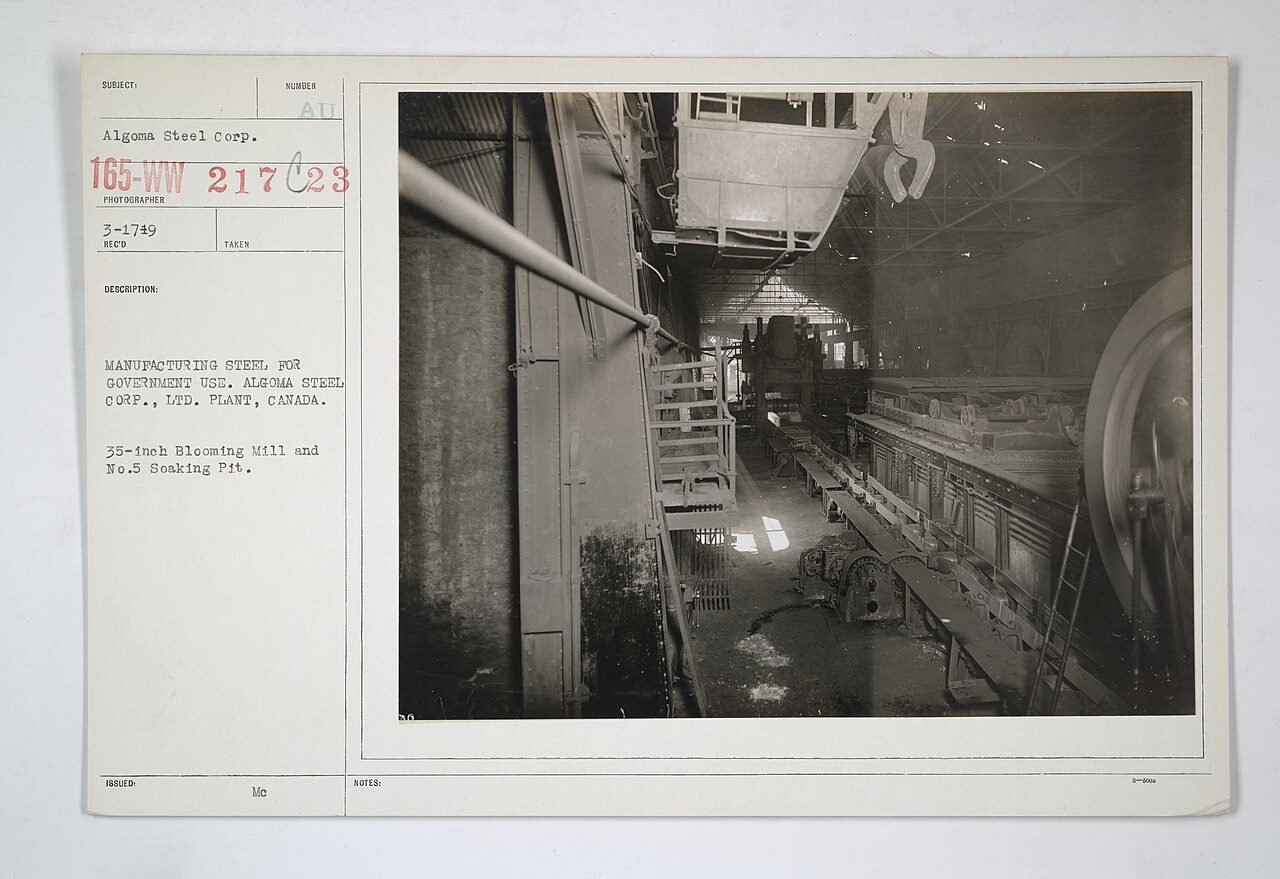 1917–1918
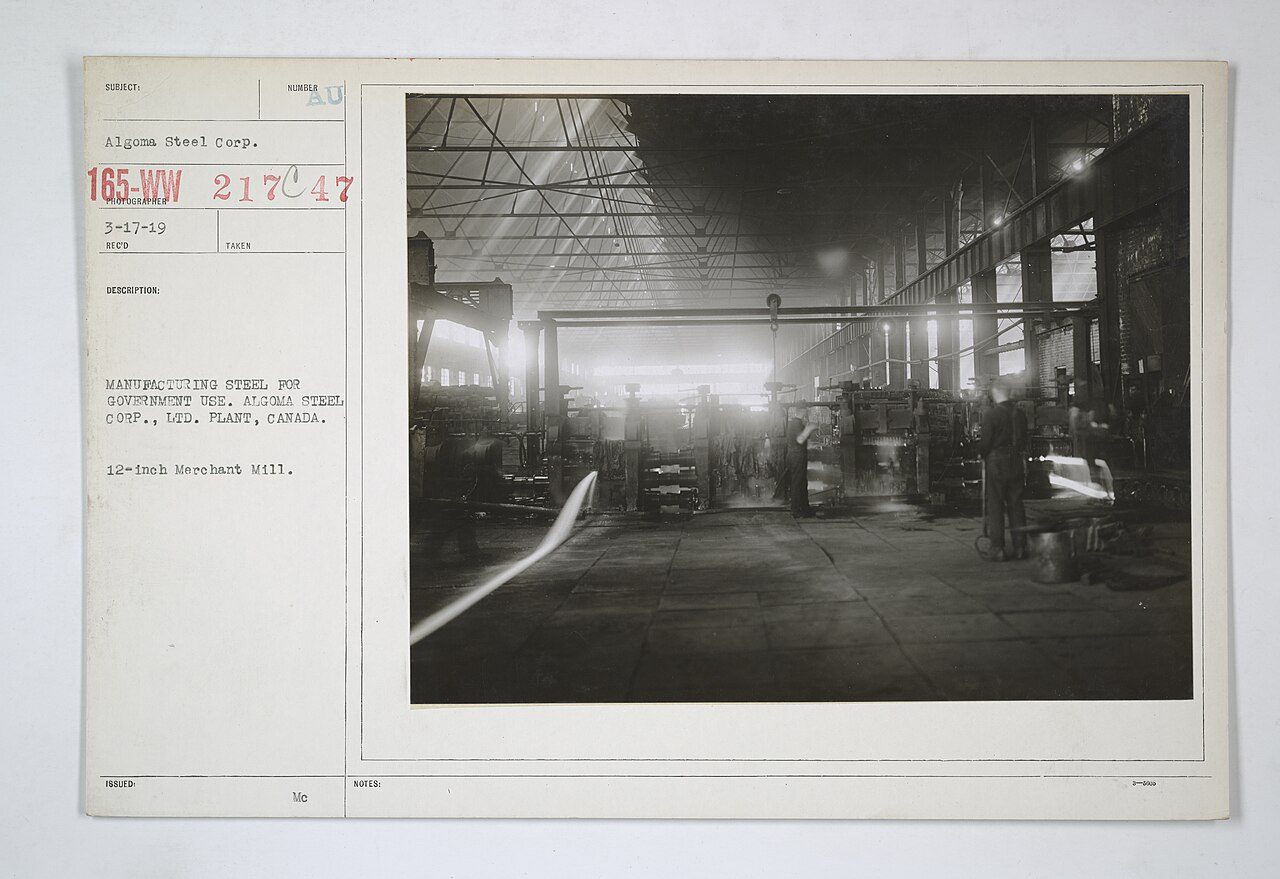 1917–1918
 1917–1918
 1917–1918
 Top
 Top
 Top
 Top
 Top
 Fed
 Fed
 Fed
 Local
 Local


