 Top
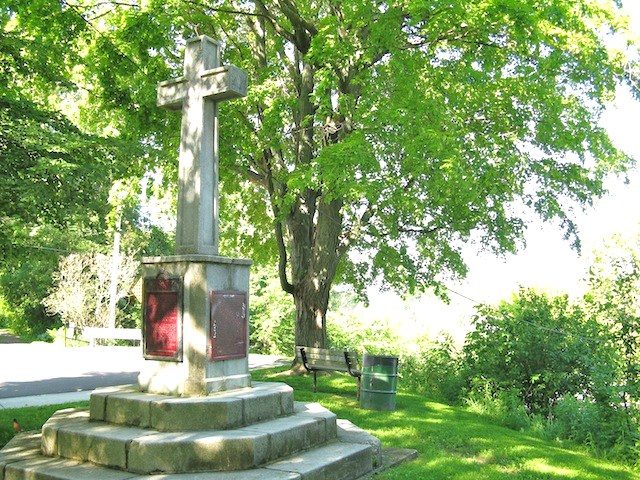
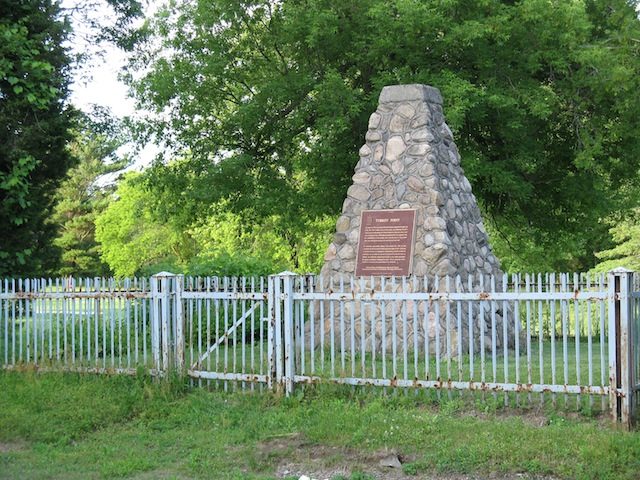
National Historic Site · 1669Cliff Site21 Brown Street near Highway 6Photo: Yoho2001 · CC BY-SA 3.0 · Commons file
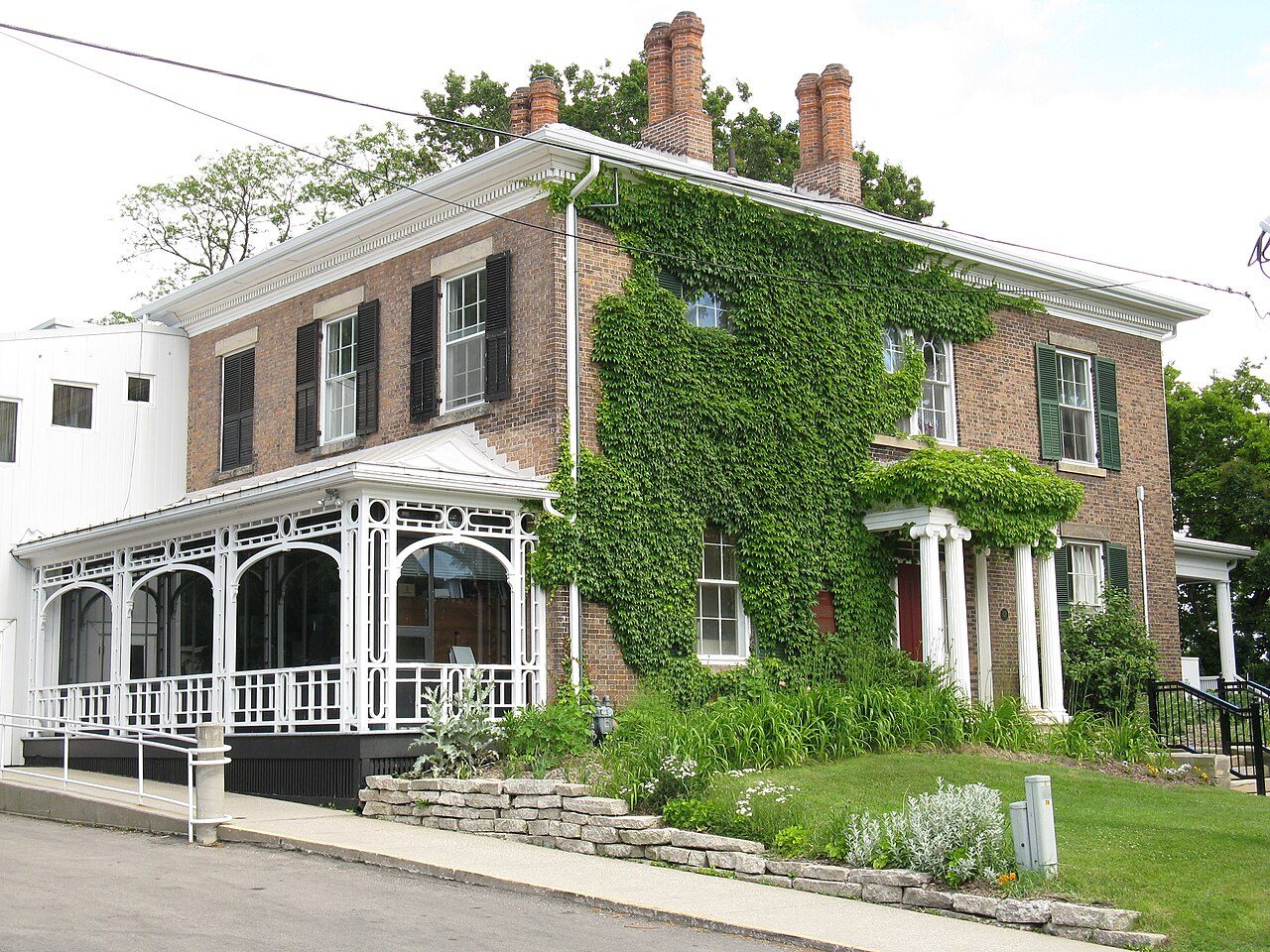 Lynnwood/Campbell-Reid House · Photo: Yoho2001 · CC BY-SA 3.0
4historic places on the registers
History of Simcoe · Canada’s heritage registers
Simcoe’s record starts in 1669 with Cliff Site
The typical town has 18% of its homes from before 1961; Simcoe has 36%. The registers list 4 historic places inside the town, every one with the highest designation. For every 10,000 residents that makes 0.5, ahead of 75% of Canadian towns. The municipality’s date on Wikidata is 1792: a founding, an incorporation or an amalgamation, the record doesn’t say which.
Historic places
4
0.5 per 10,000 residents
Highest designations
4
National Historic Sites and Classified Federal Heritage Buildings
Oldest building
1669
the first construction date on its record
Homes built before 1961
36%
typical town: 18%
In pictures
All 4 top-tier places in Simcoe, pictured
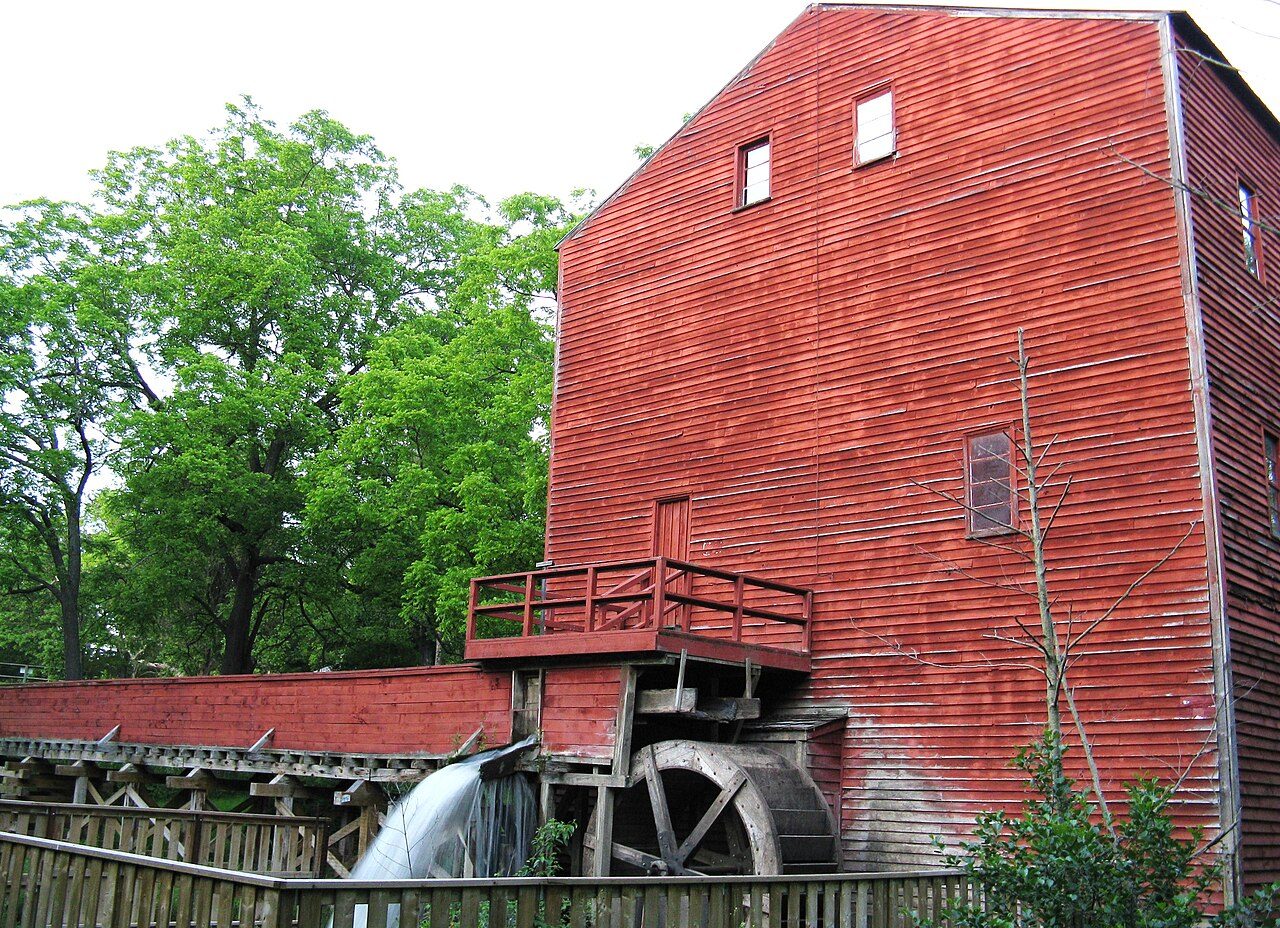
The set opens with Lynnwood/Campbell-Reid House and Backhouse Grist Mill. Every place on Simcoe’s registers has a photo here.
Photos from Wikimedia Commons, each credited to its photographer with its licence; names open the place’s page. Tap a photo to step through them full screen.
Through time
Simcoe in old pictures
A single old picture: the oldest view of one of its historic places. Open it full screen with a tap.
 c. 1923
Public domain or CC0, made before 1950, from Wikimedia Commons; old views of places can be drawings, prints or maps of their time. Each credit opens the image’s page.
The map
Where Simcoe’s history is
Every place on the registers inside the town, by its designation.
Highest designations
Tap any dot to open that place’s own page; hovering shows its name.
The 4, by tier
4 Highest designations
Federal designations come from Parks Canada’s directory; a province’s or a council’s own listing shows here only when Wikidata holds it and an encyclopedia covers it.
Points from Wikidata (Parks Canada’s files carry none) and from Québec’s register, as mapped there.
Highest designations
4 places in Simcoe with the highest designation
They date from 1669 (Cliff Site) to 1850. National Historic Sites and Classified Federal Heritage Buildings, Canada’s highest federal recognition. Designations came from 1919 to 1998. Each one opens its own page.
 Top
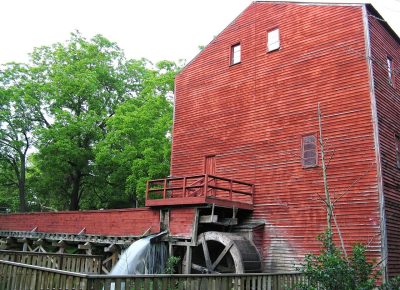
National Historic Site · 1798–1799Backhouse Grist MillBackus Mills Rd.Photo: Yoho2001 · CC BY-SA 3.0 · Commons file
 Top
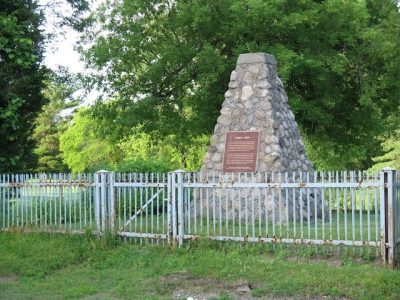
National Historic Site · 1814–1816Fort Norfolk76 Old Hill RoadPhoto: Yoho2001 · CC BY-SA 3.0 · Commons file
 Top
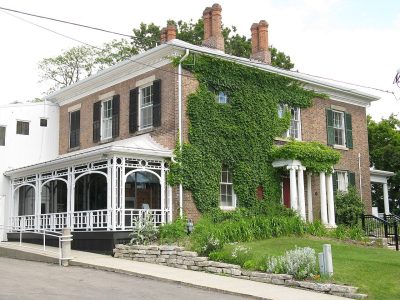
National Historic Site · 1850–1852Lynnwood/Campbell-Reid House21 Lynnwood AvenuePhoto: Yoho2001 · CC BY-SA 3.0 · Commons file
Just outside
Just outside Simcoe
Places the registers give to the town from within 5 km of its edge, nearest first.
Just outside Simcoe: 1
| Port Dover West Pier LighthouseHeritage Lighthouse · 100 m outside the town |
Homes by age
6.1% of Simcoe’s homes are from 2016 to 2021 (4.1% is typical)
Simcoe built little from 1981 to 2000: 18% of its homes, where most towns have 23%. More than half of Simcoe’s housing predates 1981. Homes built from 1961 to 1980 make up 26% of Simcoe’s, about the typical 27%.
36%
Before 1961
26%
1961–80
18%
1981–2000
14%
2001–15
6.1%
2016–21
SimcoeTypical town
2021 Census, private dwellings by period of construction (Statistics Canada); the typical town is the middle Canadian town of 2,500 or more.
Born here
Wilfred Lucas and 32 others: Simcoe’s people of the past
The first on the line is Egerton Ryerson (1803). William David Knowles closes the list, born in 1908. Before 1914, 33 births here made the record. Of the 33, 20 were born in the decades after Confederation. Only the 20 best known fit the timeline.
Egerton Ryerson
John Bailey Freeman
John Harrison O'Donnell
Alexander M. Hardy
William L. Walsh
Charles Berkeley Powell
James Pitt Mabee
Edmund Vance Cooke
Eva Brook Donly
Wilfred Lucas
James Sutherland Brown
John Alexander Wallace
John Edward Brownlee
Robert F. Hill
Raymond Elmer Anderson
Leslie Hotson
Earl Frederick Crabb
Jack Pickersgill
L. Douglas Brown
William David Knowles
1800182518501875190019251950

Wilfred Lucas1871–1940 · Actor, Film director

Robert F. Hill1886–1966 · Canadian-American film director and screenwriter

John Edward Brownlee1883–1961 · Fifth Premier of Alberta, Canada

Egerton Ryerson1803–1882 · Canadian educator and Methodist minister

Jack Pickersgill1905–1997 · Canadian federal politician based out of Newfoundland

Edmund Vance Cooke1866–1932 · Canadian-American poet
JB
James Sutherland Brown1881–1951 · Canadian general

William L. Walsh1857–1938 · Canadian politician
Everyone born in Simcoe → Born before 1914 (the page’s periods: Confederation to the First World War). Birthplaces from Wikidata, each checked against the person’s Wikipedia article.
In brief
Simcoe in brief
Older stock first: 36% of homes in Simcoe were standing by 1961, against 18% in the typical town. The lists come to 4 historic places, 4 with the highest designation, including Cliff Site. Its people of the past include Wilfred Lucas (1871), Robert F. Hill (1886) and John Edward Brownlee (1883). Everything else is close to the norm: 4 historic places is about usual for its size (the median is 3); and its places were designated between 1919 and 1998.
How to read these numbers
What this data can and can’t tell you
- Provincial and municipal lists. The local and provincial lists outside Québec aren’t published openly, so this page counts what Wikidata records and pages only the places an encyclopedia describes.
- The federal register. Federal places come from Parks Canada’s directory, which counts National Historic Sites, federal heritage buildings, stations and lighthouses; their statements are the register’s own.
- Protection. Federal recognition isn’t a planning control: buildings the federal government owns follow its heritage policy, while others are protected only by a provincial or municipal designation.
- The grade. History is described, not graded, for every Canadian town.
- Map points. Federal places get their map points from Wikidata, since Parks Canada’s files carry none; they are as mapped there.
- People and events. Persons of national historic significance come with no location; a town gets one only by birthplace (name and both life years agreeing) or by one of its own places that bears the name and whose record tells the story. Events, which can’t be tied, are left out.
- The tiers. Three tiers: the top for National Historic Sites, classified federal buildings and Québec’s classements, a second for the other federal designations, a third for provincial and municipal listings.
Questions about Simcoe’s history
What is the oldest building in Simcoe?
By its record, Cliff Site, from 1669 (National Historic Site).
How old are the homes in Simcoe?
36% of its homes were built before 1961, against 18% in the typical Canadian town.
Which places in Simcoe have the highest designation?
They are Cliff Site, Backhouse Grist Mill, Fort Norfolk and Lynnwood/Campbell-Reid House.
Why might a heritage building in Simcoe be missing here?
Provincial and municipal registers outside Québec aren’t open data. Wikidata knows one more listing in Simcoe, but without an open description or an encyclopedia article it gets no page.
Contains information licensed under the Open Government Licence – Canada (Parks Canada).
Sources: Parks Canada, Directory of Federal Heritage Designations · Canadian Register of Historic Places (federal extract) · Wikidata (CC0) for map points, other names and articles · Statistics Canada, 2021 Census (homes by period of construction). Under the Statistics Canada Open Licence.
Adapted from Statistics Canada (Census of Population 2021, population estimates 2025, 2021 census boundaries) under the Statistics Canada Open Licence; this does not constitute an endorsement by Statistics Canada. Neighbourhood names in some cities © OpenStreetMap contributors (ODbL).