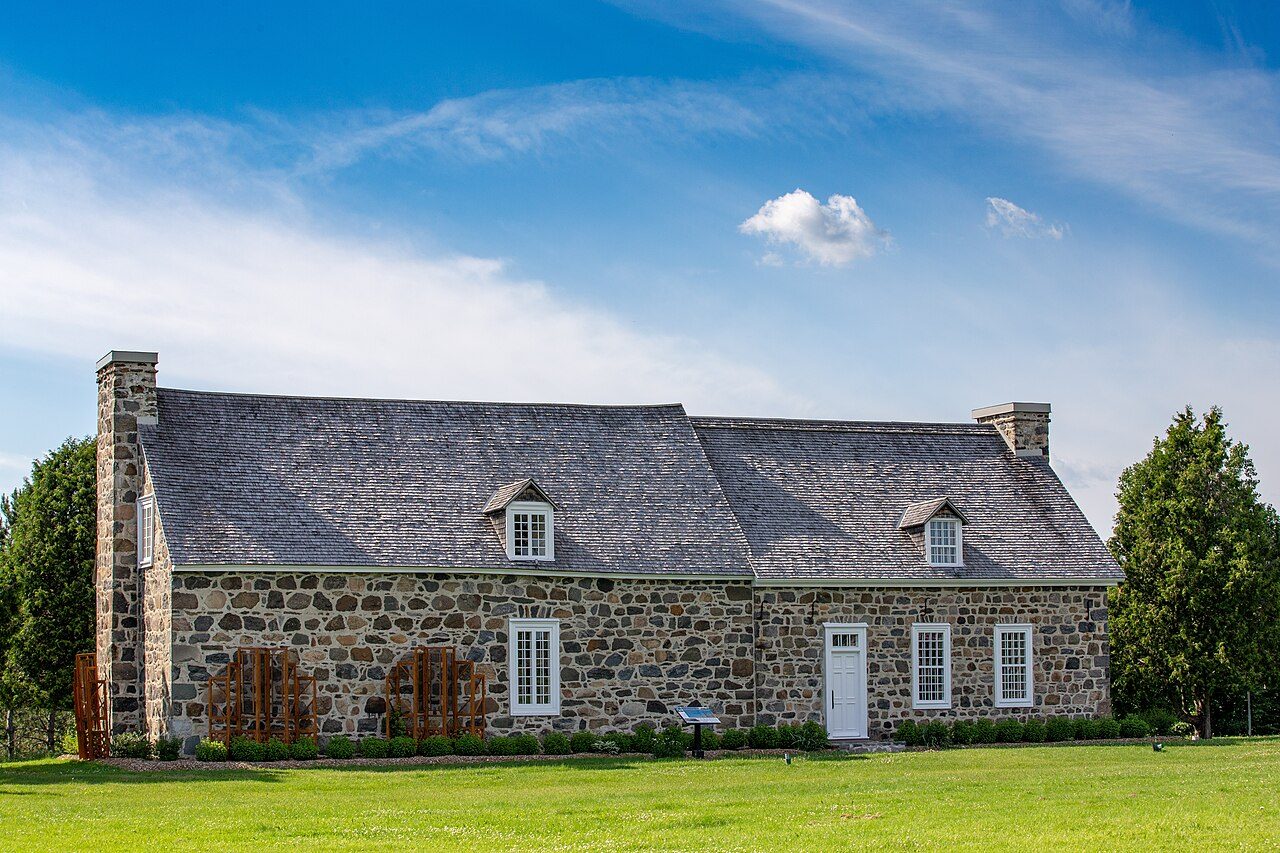
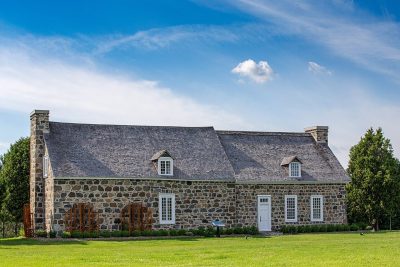
Maison Trent · Photo: Lëa-Kim Châteauneuf · CC BY-SA 4.0
17historic places on the registers
History of Drummondville · Canada’s heritage registers
The registers list 17 historic places in Drummondville, 2 at the top
Among the places are 15 municipal citations. The earliest construction date, 1837, belongs to Maison Trent. For every 10,000 residents Drummondville has 2, ahead of 86% of Canadian towns.
National Historic Sites, classified federal buildings and Québec’s classements
Provincial and local listings
15
municipal citations on Québec’s register
Oldest building
1837
the first construction date on its record
Homes built before 1961
18%
typical town: 18%
In pictures
Old and new: 17 photos and 5 old pictures of Drummondville
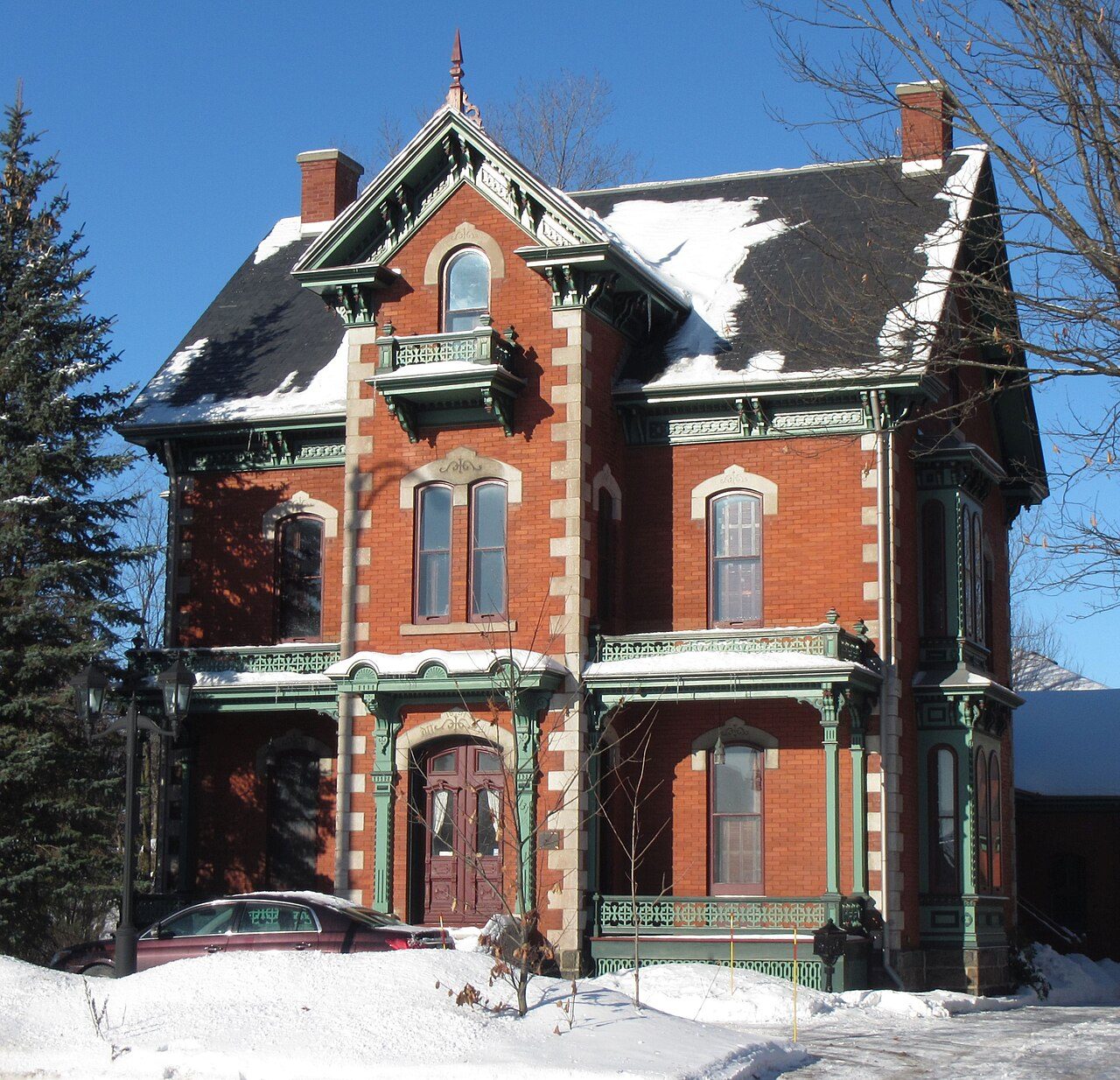
Begin with Maison Trent, then Maison et écurie William-Mitchell. The photos cover every place on Drummondville’s registers. For 2 of Drummondville’s places, old views sit on the place’s own page.
Photos from Wikimedia Commons, each credited to its photographer with its licence; names open the place’s page. Tap a photo to step through them full screen.
Through time
Old Drummondville, 1895 to 1940
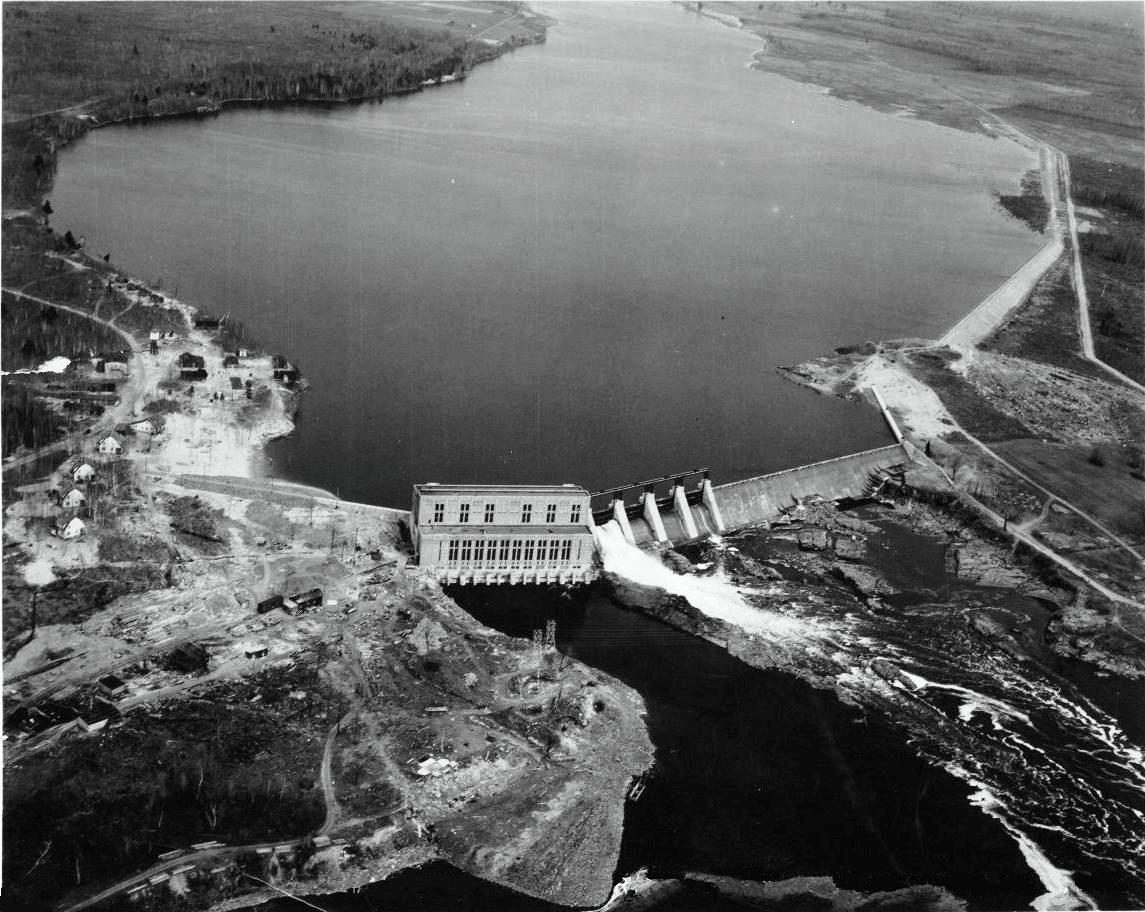
By date: 3 old photographs of the town, with the oldest views of 2 of its historic places. Swipe along the strip; each picture opens at full size.
1890190019101920193019401950Confederation to 1900Boom yearsThe wars and betweenAfter the war
Public domain or CC0, made before 1950, from Wikimedia Commons; old views of places can be drawings, prints or maps of their time. Each credit opens the image’s page.
How it began
Drummondville’s beginnings, from 1815
Drummondville was founded in 1815 by Lieutenant-Colonel Frederick Heriot. 211 years have passed since. Rail service is on record from 1904, when Drummondville railway station opened.
Every place on the registers inside the town, by its designation.
Highest designationsProvincial and local listings
Names show on hover, and a tap takes you to the place’s page.
The 17, by tier
2 Highest designations15 Provincial and local listings
Parks Canada’s federal directory and Québec’s Répertoire du patrimoine culturel supply these places: federal designations, the province’s classements and the municipalities’ citations.
Points from Wikidata (Parks Canada’s files carry none) and from Québec’s register, as mapped there.
Highest designations
2 places in Drummondville with the highest designation
Designations came from 1964 to 1981. National Historic Sites and Classified Federal Heritage Buildings, Canada’s highest federal recognition. Maison Trent is the earliest, from 1837; the latest dates from 1894. Each one opens its own page.
All told, 7 kinds of place appear. Nationally public buildings make up 11% of the list, so 18% here stands out. The first by rank are Maison Trent and Maison et écurie William-Mitchell.
Houses4
Public buildings3
Stations, lighthouses and bridges3
Mills, shops and works2
Theatres, museums and memorials2
Churches and religious buildings1
Other places2
Each place sits in one group, from its name first, then the uses its register lists.
Provincial and local listings
On provincial and local lists in Drummondville: 15 places
Their designations span 1998 to 2005. Citations the municipality has made, registered with Québec’s ministry of culture. Église Saint-George de Drummondville is the earliest, from 1855; the latest dates from 1937. Each one opens its own page.
Most of Drummondville’s dated places come from the wars and the Depression
Each place by the first construction date on its record.
British North America 1760–18662
After Confederation 1867–19135
Wars and Depression 1914–19459
Since 1946 1946 on0
Of the 16 with a date, 2 predate 1867.
When designated
Drummondville’s list was mostly made in 2005
The places by the year of their designation.
2005 · 9
1960198020002020
The first was Maison Trent, in 1964. 9 came in 2005. Nothing has been added since 2011.
Homes by age
A growing town: 8% of Drummondville’s homes went up from 2016 to 2021, against 4.1%
More than half of Drummondville’s housing predates 2001. Drummondville’s largest group of homes, 27%, went up from 1981 to 2000. 21% of Drummondville’s homes date from 2001 to 2015, well above the typical 15%.
18%
Before 1961
27%
1961–80
27%
1981–2000
21%
2001–15
8%
2016–21
DrummondvilleTypical town
2021 Census, private dwellings by period of construction (Statistics Canada); the typical town is the middle Canadian town of 2,500 or more.
Born here
Lives begun in Drummondville between 1846 and 1905
Best known is Lester Patrick, with articles in 12 Wikipedia languages. Of the 7, 5 were born in the decades after Confederation. Wikidata and Wikipedia agree on 7 births here before 1914. The longest life was Elphège Marier’s: 90 years, to 1978.
William John Watts
Joseph Peter Cooke
Lester Patrick
Elphège Marier
Wilfrid Girouard
Dowina-Évariste Joyal
Armour Landry
1800182518501875190019251950
Lester Patrick1883–1960 · Canadian ice hockey player and coach
Wilfrid Girouard1891–1980 · Canadian politician
EM
Elphège Marier1888–1978 · Canadian politician
William John Watts1846–1907 · Canadian politician
JC
Joseph Peter Cooke1858–1913 · Canadian politician
Dowina-Évariste Joyal1892–1956 · Canadian politician
AL
Armour Landry1905–1994 · Canadian photojournalist
Everyone born in Drummondville → Born before 1914 (the page’s periods: Confederation to the First World War). Birthplaces from Wikidata, each checked against the person’s Wikipedia article.
Towns its size
Drummondville has the 2nd most of 16 towns its size
Towns of 75,600 to 97,600 residents, by places on the registers.
Of the homes standing in Drummondville, 18% went up before 1961, against 18% in the typical town. All told, the registers hold 17 historic places, 2 with the highest designation, Maison Trent among them. Only one of the 16 towns nearest its size has more historic places.
Most of its dated places come from the wars and the Depression: 9 of 16. Of its people of the past, the best known are Lester Patrick (1883), Wilfrid Girouard (1891) and Elphège Marier (1888). More than half went on the registers in a single year, 2005: 9 of 17.
How to read these numbers
What this data can and can’t tell you
•
People and events. Persons of national historic significance come with no location; a town gets one only by birthplace (name and both life years agreeing) or by one of its own places that bears the name and whose record tells the story. Events, which can’t be tied, are left out.
•
Protection. Québec’s classements and citations carry legal protection: work on a classified building needs the minister’s authorization, on a cited one the municipality’s. Federal designations commemorate.
•
The federal register. Federal places come from Parks Canada’s directory, which counts National Historic Sites, federal heritage buildings, stations and lighthouses; their statements are the register’s own.
•
Québec’s register. The Répertoire du patrimoine culturel du Québec is open data, so the province’s own designations and its municipalities’ citations are here in full.
•
The tiers. National Historic Sites and the most protected buildings form the top tier; recognized federal buildings, stations and lighthouses the second; provincial and municipal listings the third.
•
The grade. History isn’t one of Canada’s graded pillars, so this page describes and compares without a letter.
Questions about Drummondville’s history
Which places in Drummondville have the highest designation?
Maison Trent and Maison et écurie William-Mitchell.
What is the oldest building in Drummondville?
By its record, Maison Trent, from 1837 (Classified heritage building (Québec)).
How old are the homes in Drummondville?
Before 1961: 18% of its homes; the typical town has 18%.
Contains information licensed under the Open Government Licence – Canada (Parks Canada). Québec register data: Ministère de la Culture et des Communications du Québec, CC BY 4.0.
Sources: Parks Canada, Directory of Federal Heritage Designations · Canadian Register of Historic Places (federal extract) · Répertoire du patrimoine culturel du Québec (MCC, Données Québec) · Wikidata (CC0) for map points, other names and articles · Statistics Canada, 2021 Census (homes by period of construction). Under the Statistics Canada Open Licence.


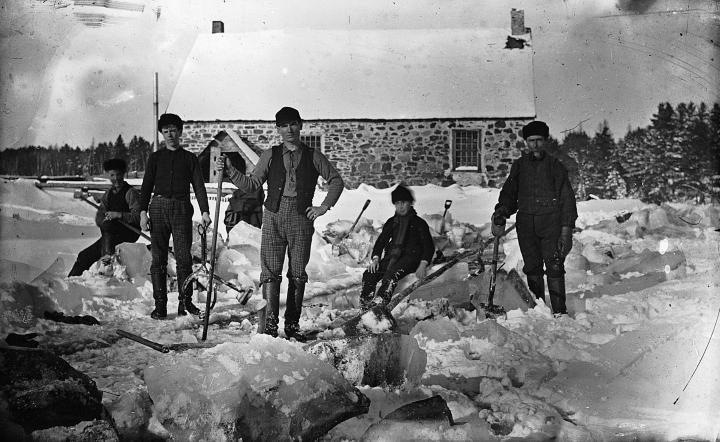 c. 1895
 c. 1900
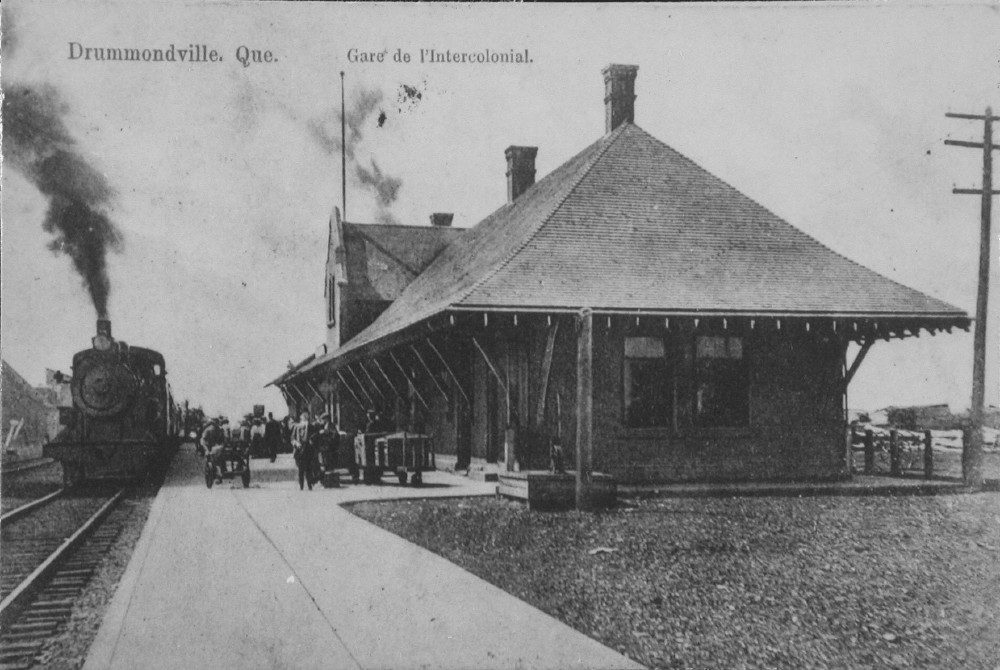 c. 1911
 1925
 c. 1940
 Top
 Top


