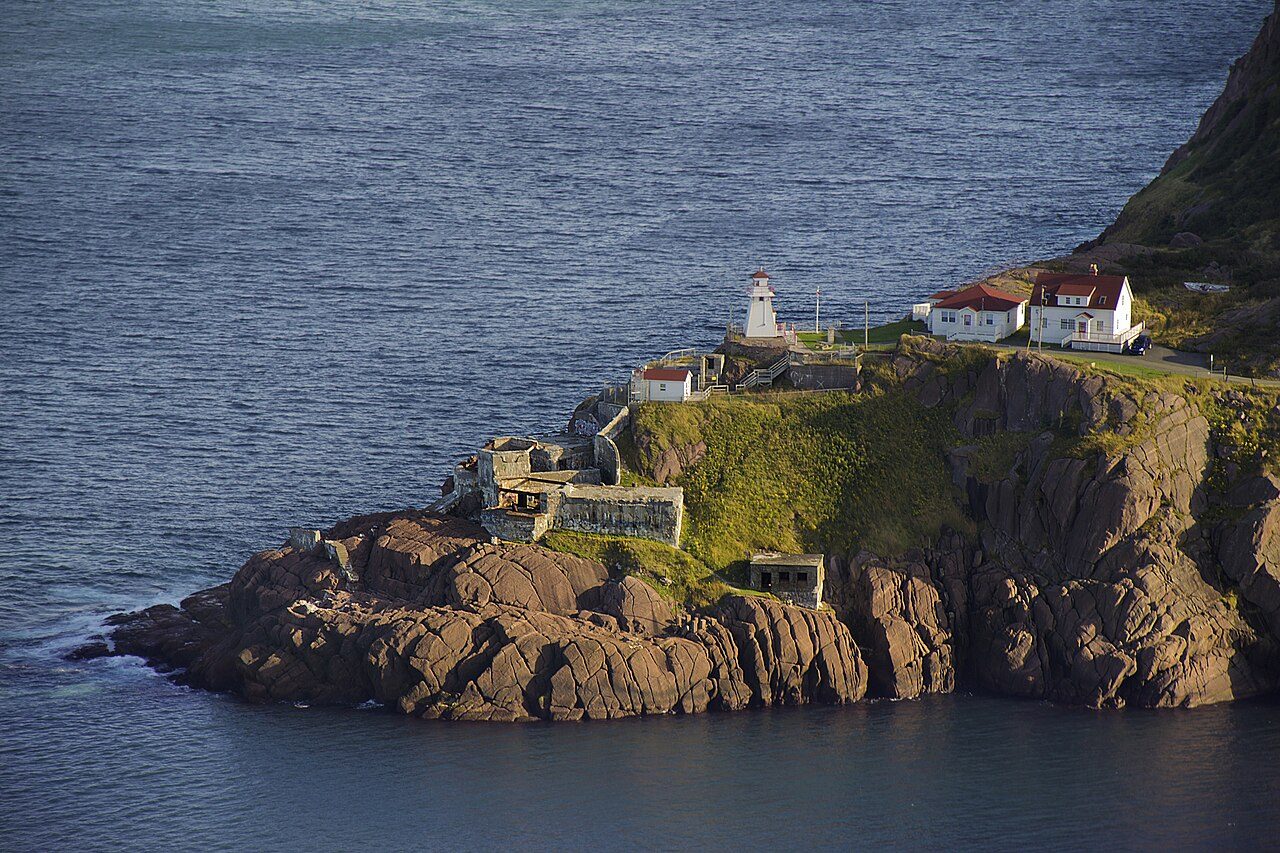
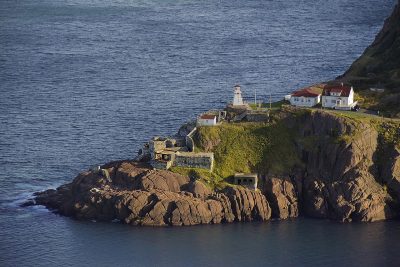
Fort Amherst · Photo: SingleIntegral · CC BY-SA 3.0
35historic places on the registers
History of St. John's · Canada’s heritage registers
St. John's’s record starts in 1697 with Fort William
Canada’s heritage registers list 35 historic places inside St. John's, 25 with the highest designation. Scaled to its population, 2.7 per 10,000 residents beats 89% of Canadian towns. Among the places are 7 provincial or municipal listings, 2 Recognized Federal Heritage Buildings and a heritage lighthouse. 119 further listings on provincial or municipal registers are known only through Wikidata, so they have no page of their own.
provincial and municipal listings with an encyclopedia article
Oldest building
1697
the first construction date on its record
Homes built before 1961
22%
typical town: 18%
In pictures
Then and today: St. John's in 28 photos and 15 old pictures
Of St. John's’s most honoured places, 20 are photographed. Photos show 28 of the places St. John's’s registers name; the others show their record instead. Open a place’s page for its old views: 6 places in St. John's have them.
Photos from Wikimedia Commons, each credited to its photographer with its licence; names open the place’s page. Tap a photo to step through them full screen.
Through time
St. John's from 1842 to 1924
On one line by date: 9 old photographs of the town and the oldest views of 6 of its historic places. The dots mark each picture’s year; tap one to enlarge it.
18501875190019251950Before ConfederationConfederation to 1900Boom yearsThe wars and betweenAfter the war
Public domain or CC0, made before 1950, from Wikimedia Commons; old views of places can be drawings, prints or maps of their time. Each credit opens the image’s page.
How old
In St. John's, the years before Confederation left the most behind
Each place by the first construction date on its record.
New France before 17602
British North America 1760–186618
After Confederation 1867–19135
Wars and Depression 1914–19451
Since 1946 1946 on4
Of the 30 with a date, 20 predate 1867.
How it began
The dates behind St. John's, from 1583
St. John's is named after John the Baptist. Railway Coastal Museum, the earliest station on record, opened in 1903. For the municipality of St. John's itself, Wikidata records August 5, 1583, a date that can be a founding as much as a merger.
Every place on the registers inside the town, by its designation.
Highest designationsOther federal designationsProvincial and local listings400 m from St. John the Baptist Anglican Cathedral
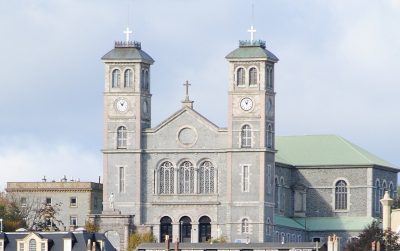
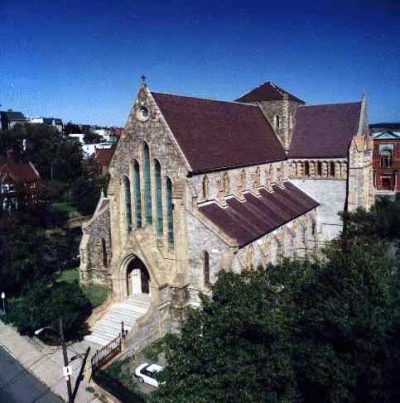
7 of 25within 400 m of St. John the Baptist Anglican Cathedral, the heart of the town’s history
Tap any dot to open that place’s own page; hovering shows its name.
The 35, by tier
25 Highest designations3 Other federal designations7 Provincial and local listings
Federal designations come from Parks Canada’s directory; a province’s or a council’s own listing shows here only when Wikidata holds it and an encyclopedia covers it.
Points from Wikidata (Parks Canada’s files carry none) and from Québec’s register, as mapped there. 5 places, placed by their register’s municipality, have no point and aren’t on the map.
Highest designations
St. John's’s 25 top designations
They are 23 National Historic Sites and 2 Classified Federal Heritage Buildings. National Historic Sites and Classified Federal Heritage Buildings, Canada’s highest federal recognition. Fort William is the earliest, from 1697; the latest dates from 1979. Each one opens its own page.
National Historic Site · 1697–1698Signal Hill230 Signal Hill RoadPhoto: No machine-readable author provided. Tolivero assumed (based on copyright claims) · CC BY-SA 3.0 · Commons file
National Historic Site · 1827–1832Government House50 Military RoadPhoto: No machine-readable author provided. Jcmurphy assumed (based on copyright claims) · Public domain · Commons file
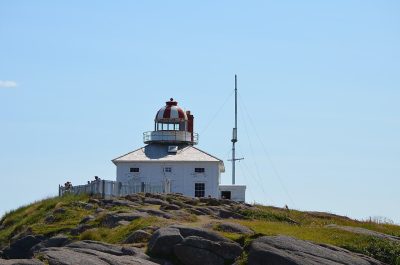
Designations came from 2000 to 2014. They are 2 Recognized Federal Heritage Buildings and a heritage lighthouse. Recognized Federal Heritage Buildings, heritage railway stations and lighthouses. Each one opens its own page.
St. John's’s record leans to churches and religious buildings: 23%
5 places make public buildings the second group. Compared with the whole country’s registers (21%), houses are thin on the ground: 9%. The top of the list holds Fort William and Signal Hill.
Churches and religious buildings8
Public buildings5
Stations, lighthouses and bridges4
Mills, shops and works4
Forts and military buildings4
Houses3
Theatres, museums and memorials2
Other places5
Grouped by what each register says the place is or was; a converted building counts as what it was built for.
Provincial and local listings
7 more places St. John's or its province protects
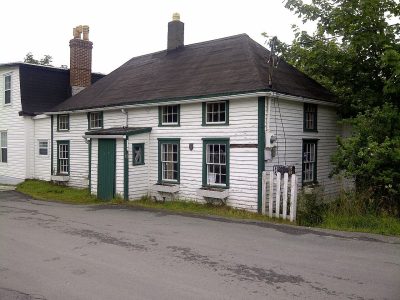
Provincial and municipal listings that Wikidata records and an encyclopedia describes. Anderson House is the earliest, from 1804; the latest dates from 1844. Each one opens its own page.
The first was Fort Amherst, in 1951. 4 have been added since 2011.
Homes by age
St. John's’s building boom came from 1961 to 1980: 30% of its homes
21% of St. John's’s homes were built from 2001 to 2015, more than the typical town’s 15%. Before 1961: 22% of St. John's’s homes, against 18% in most towns. New building in St. John's runs at the usual pace: 3.8% of homes from 2016–21, the typical town 4.1%.
22%
Before 1961
30%
1961–80
23%
1981–2000
21%
2001–15
3.8%
2016–21
St. John'sTypical town
2021 Census, private dwellings by period of construction (Statistics Canada); the typical town is the middle Canadian town of 2,500 or more.
Born here
7 national historic persons among St. John's’s people of the past
Beatrice Greig reached 105, the longest life here, ending in 1974. 81 people on the record were born here before 1914. The earliest is William Denning, born in 1740. 18 Wikipedias cover Harry Watson, the most of anyone here. The timeline shows the 20 best known.
William Denning
Thomas Skinner
Ambrose Shea
Frederick Carter
Cyprian Bridge
Michael Francis Howley
Daniel Joseph Greene
Johnny Burke
Thomas J. Clunie
Edith Archibald
Robert Bond
Maurice Prendergast
Charles Prendergast
Maurice Galbraith Cullen
Beatrice Greig
Cluny Macpherson
Frederick Gordon Bradley
Charles Philip Fenwick
Harry Watson
Robert Pilot
170017501800185019001950
Harry Watson1898–1957 · Ice hockey player
Maurice Prendergast1858–1924 · American-Canadian artist
MC
Maurice Galbraith Cullen1866–1934 · Designated nationally in 1944 · Canadian artist
Edith Archibald1854– · Canadian suffragist and writer
Ambrose Shea1815–1905 · Person of national historic significance (1959) · Canadian businessma…
BG
Beatrice Greig1869–1974 · Trinidadian writer and activist
Frederick Gordon Bradley1886–1966 · Canadian politician
Frederick Carter1819–1900 · Designated nationally in 1959 · Newfoundland politician
Everyone born in St. John's → Born before 1914. Birthplaces from Wikidata, each checked against Wikipedia; national historic persons from Parks Canada’s Directory of Federal Heritage Designations, matched by name and life years.
Towns its size
St. John's has the 2nd most of 16 towns its size
Towns of 111,800 to 149,500 residents, by places on the registers.
Canada’s heritage lists give St. John's 35 historic places, 25 with the highest designation, Fort William among them. 22% of its homes are older than 1961, against 18% in the typical town. Within 400 m of St. John the Baptist Anglican Cathedral stand 7 of the town’s places of the highest designation.
Only one of the 16 towns nearest its size has more historic places. Most of its dated places come from the years before Confederation: 18 of 30. Among the lives from its past: Harry Watson (1898), Maurice Prendergast (1858) and Maurice Galbraith Cullen (1866).
How to read these numbers
What this data can and can’t tell you
•
The grade. This page gives no grade; history doesn’t count toward a Canadian town’s letter.
•
The tiers. The highest designations are National Historic Sites, Classified Federal Heritage Buildings and Québec’s classements; then come the other federal designations; then provincial and local listings.
•
Protection. Federal recognition isn’t a planning control: buildings the federal government owns follow its heritage policy, while others are protected only by a provincial or municipal designation.
•
Map points. Parks Canada publishes no coordinates, so federal places are pinned where Wikidata puts them.
•
Provincial and municipal lists. Outside Québec, provinces’ and municipalities’ heritage registers aren’t open data; their places are known only through Wikidata items with a register number, and only those with an encyclopedia article get a page.
•
People and events. Parks Canada’s open file gives its national historic persons no place. A town’s page names one only when the person was born there (matched by name and both life years) or one of its own historic places carries the name and its record speaks of them; national historic events stay off.
•
The federal register. Every federal designation is in Parks Canada’s directory, and the Canadian Register of Historic Places gives most of them a bilingual statement of significance.
Questions about St. John's’s history
What is the oldest building in St. John's?
By its record, Fort William, from 1697 (National Historic Site).
Which places in St. John's have the highest designation?
These: Fort William, Signal Hill, Fort Townshend, Fort Amherst, St. John's WWII Coastal Defences and St. Thomas Rectory / Commissariat House and Garden, and 19 more.
Why might a heritage building in St. John's be missing here?
Provincial and municipal registers outside Québec aren’t open data. Wikidata knows 119 more listings in St. John's, but without an open description or an encyclopedia article they get no page.
How old are the homes in St. John's?
Before 1961: 22% of its homes; the typical town has 18%.
Contains information licensed under the Open Government Licence – Canada (Parks Canada).
Sources: Parks Canada, Directory of Federal Heritage Designations · Canadian Register of Historic Places (federal extract) · Wikidata (CC0) for map points, other names and articles · Statistics Canada, 2021 Census (homes by period of construction). Under the Statistics Canada Open Licence.


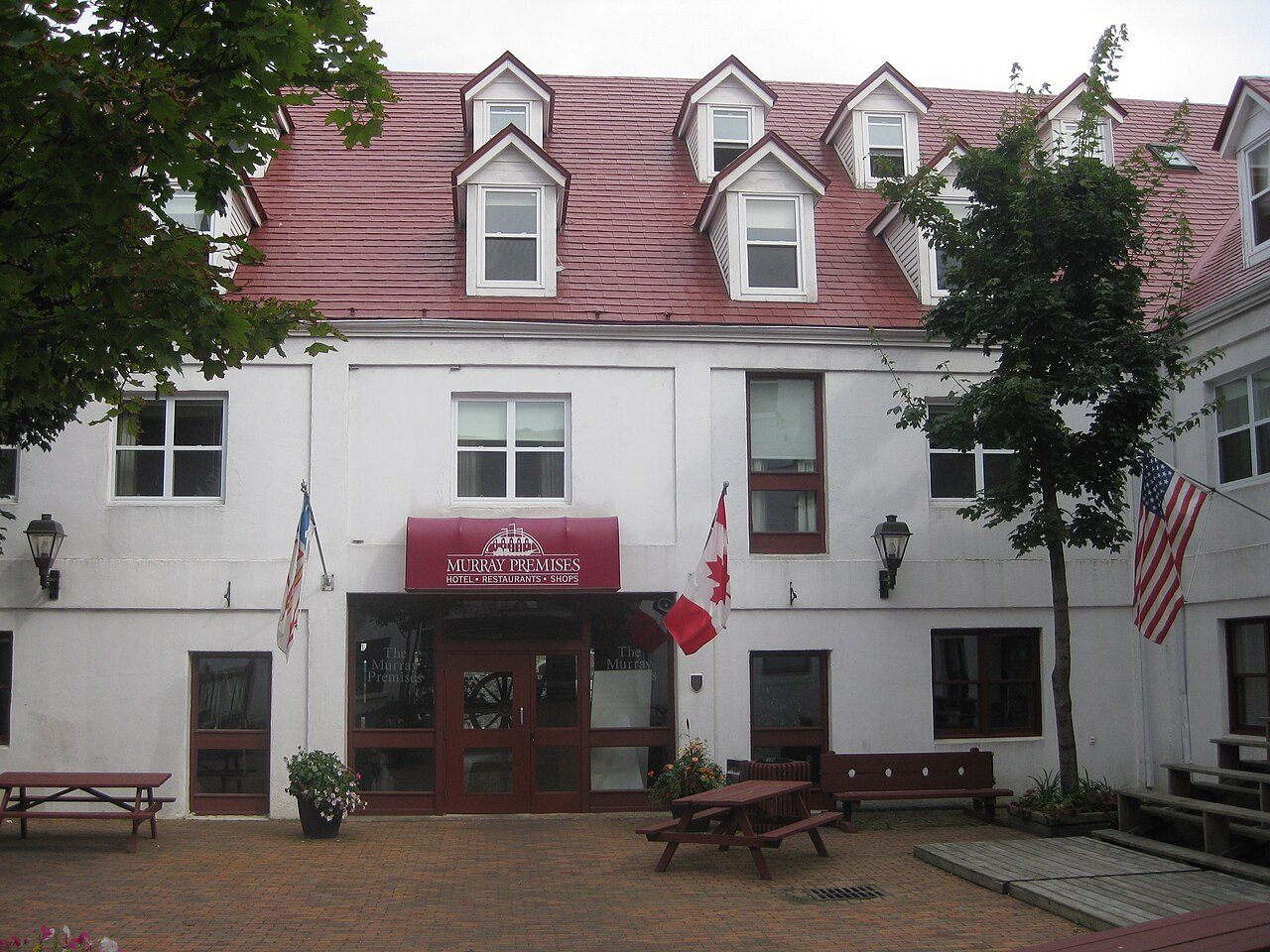


 c. 1842
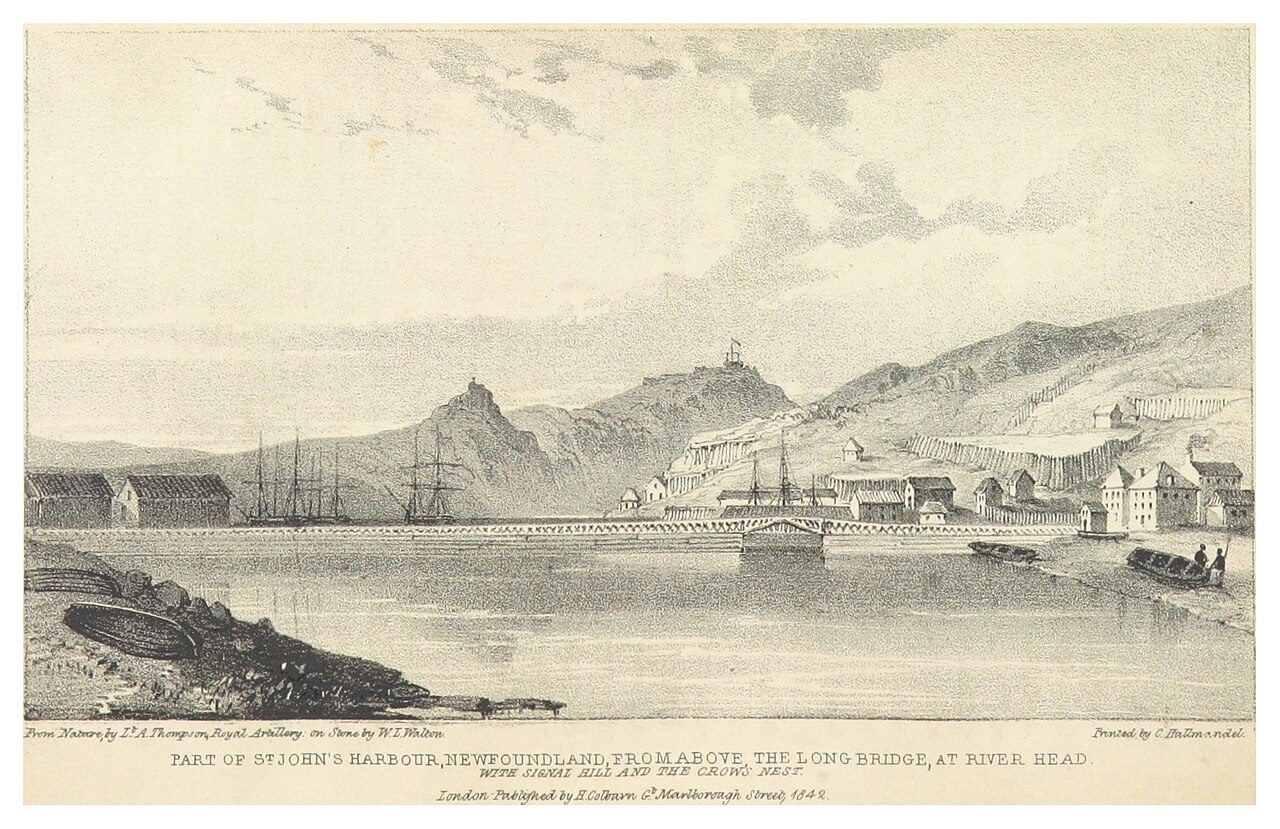 c. 1842
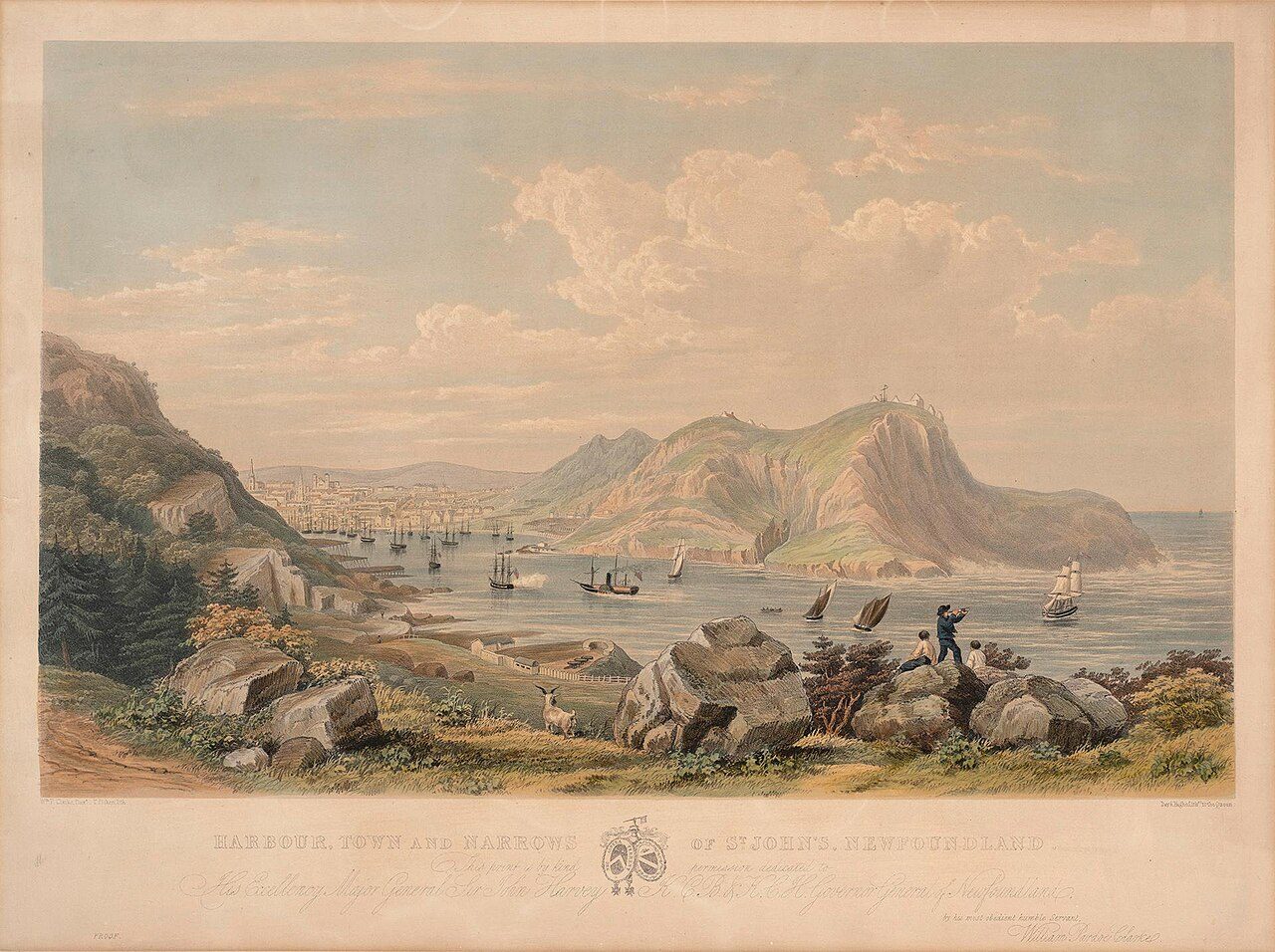 1845
 c. 1849
 1850
 c. 1851
 1851
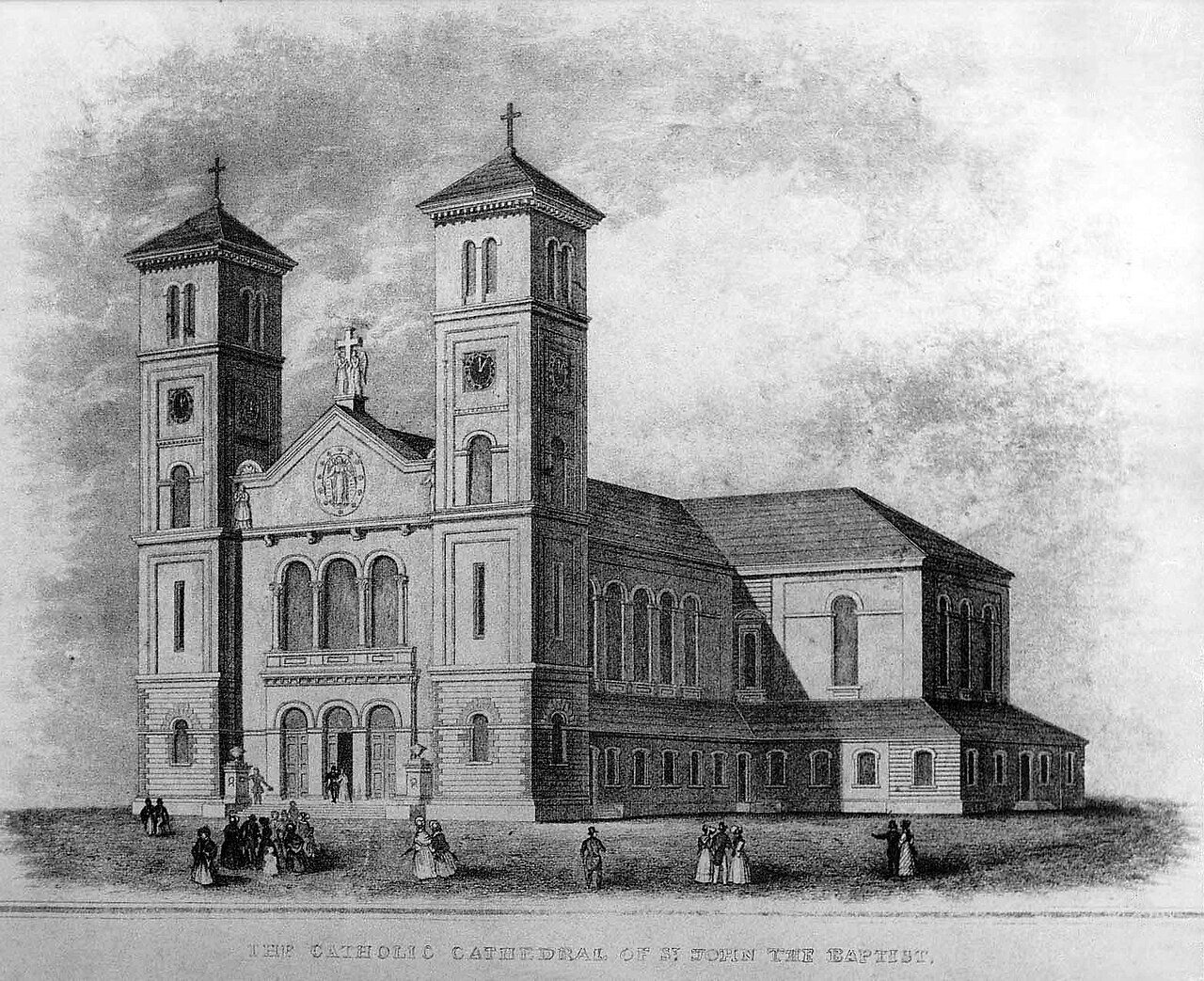 1855
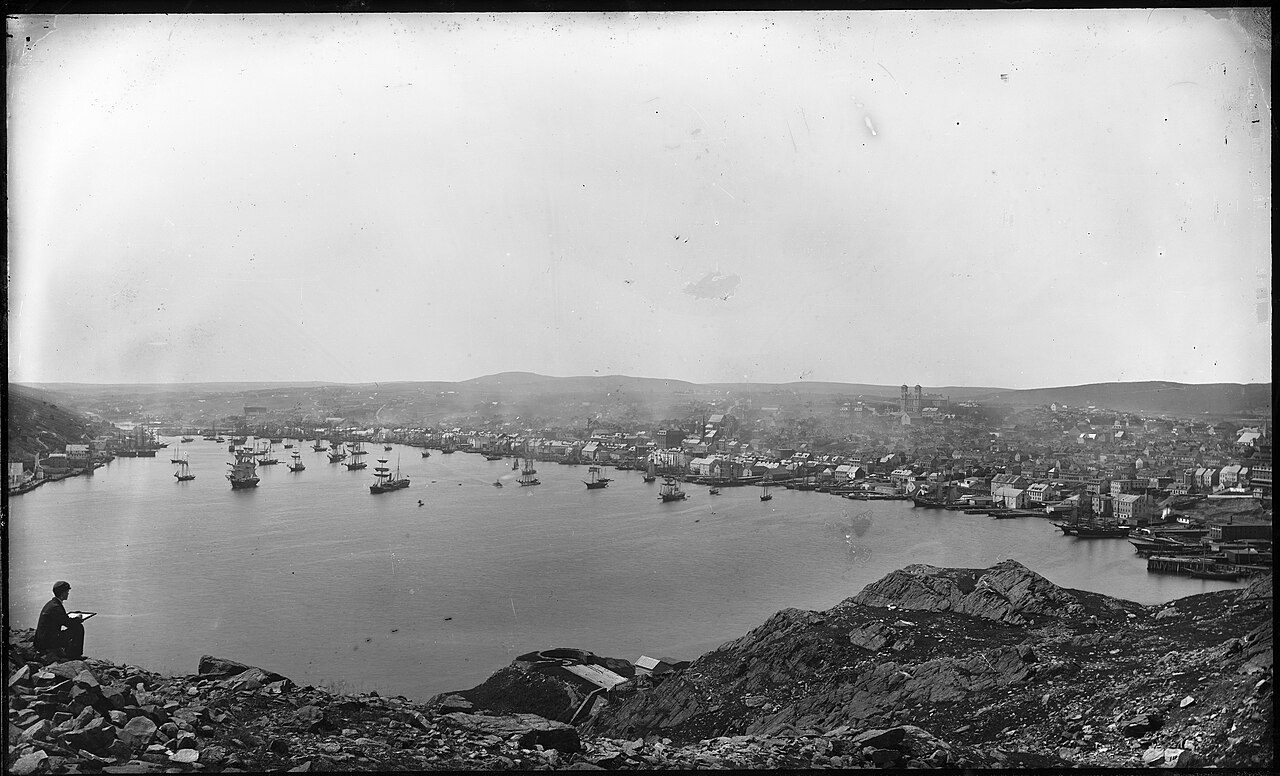 1890
 1890s
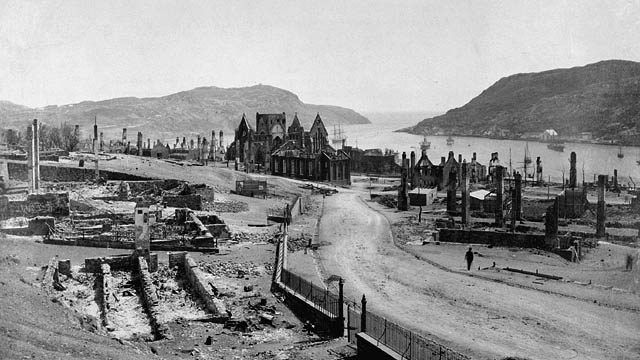 c. 1892
 1896
 1892–1914
 c. 1911
 1924
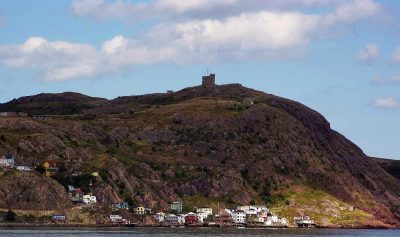 Top
 Top
 Top
 Top
 Top
 Top
 Top
 Top
 Top
 Top
 Top
 Top
 Top
 Top
 Top
 Top
 Top
 Top
 Top
 Top
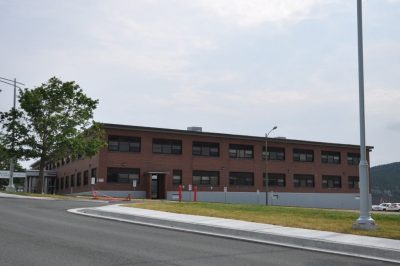 Fed
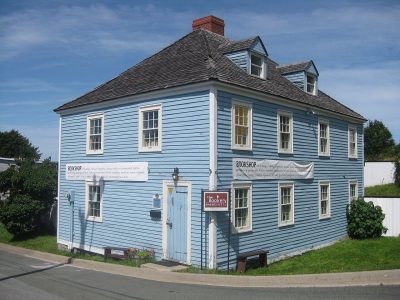 Local
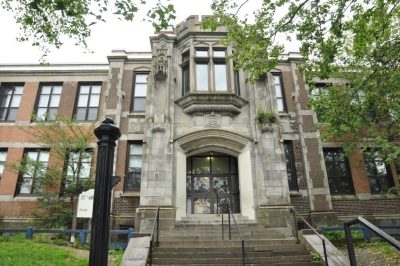 Local
 Local
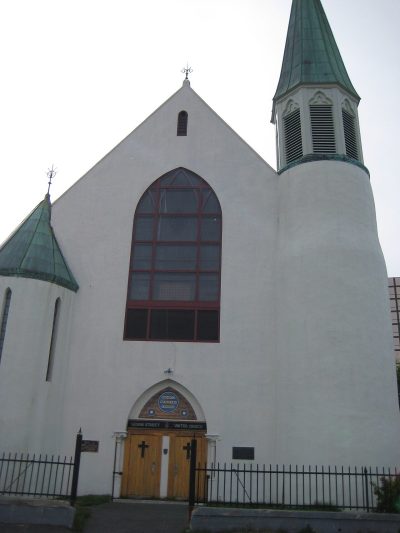 Local
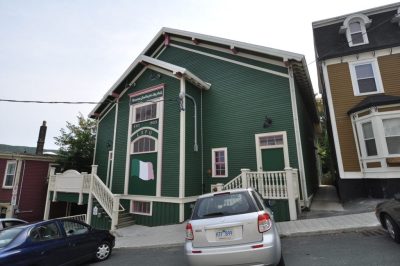 Local
 Local
 Local


