Norwich dates to 1659, and 38% of its homes were built before 1940
Among the most historic 1% of U.S. towns · #4 of 155 in Connecticut. What drives it
34 places in town are on the National Register, among them ten historic districts with 2,000 buildings between them. Below: 12 old photos and papers, maps from 1885 on, and the census since 1800.
Founding year: Wikidata; Wikipedia’s history section gives the same year. First post office: 1772.The full story ↓
History grade
What drives Norwich’s History grade
On its age, its old homes and the National Register, Norwich is among the most historic 1% of U.S. towns, #4 of 155 in Connecticut. All 3 inputs put Norwich near the top nationally; its National Register listings ranks highest.
A+
HistoryA character grade: shown, never part of Norwich’s overall grade.
Connecticut towns list more on the Register than most of the country (a typical Connecticut town has 73.3 per 10,000 residents, the U.S. 2.4), so Norwich’s 506 sits above most of its state (94% of Connecticut towns have fewer) while its 2,024 historic buildings outnumber those of 99% of U.S. towns.
How sure. Graded on any two of the three inputs instead, the letter would still be A+. The pre-1940 share is a Census survey estimate (±3.3 points). Two sources give 1659.
Founding year: Wikidata (other dates in Quick answers). Homes: Census ACS 2020–24. National Register: National Park Service, May 2026 list; each listing counted once (boundary changes and added documentation belong to their listing), and a historic district counts its contributing buildings. How TownRatings grades history →
What stands out about Norwich’s past
Read from the archive, the National Register and the record. The page puts what stands out first.
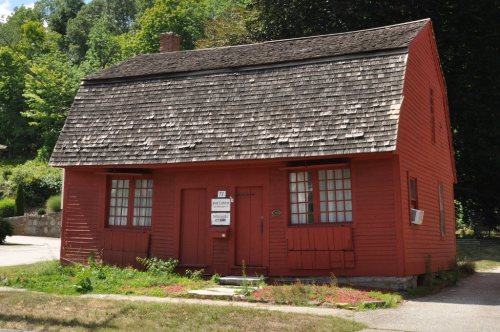
Doctor David Lathrop SchoolschoolEast District SchoolschoolEleazar Lord TavernbuildingJoseph Carpenter StorelocaleMohegan Community CollegeschoolNew London County HomebuildingSachem PlainlocaleThames Valley State Technical Collegeschool
12cemeteries and burying grounds inside Norwich
Hamilton AvenueHickory StreetHickory StreetMaplewoodMonhegan Tribal MemorialNorwich CityOak StreetOld UptownRoyal MoheganSaint Mary's and Saint Joseph'sWest PlainsYantic
US Post Offices dataset (Blevins & Helbock, CC0). Places and cemeteries from the USGS Geographic Names Information System (2021).
The town of Norwich was founded in 1659, on the site of what is now the neighborhood of Norwichtown, by settlers from Saybrook Colony led by Major John Mason, James Fitch, and Lieutenant Francis Griswold. They purchased the land "nine miles square" that became Norwich from Mohegan Sachem Uncas. One of the co-founders of Norwich was Thomas Leffingwell, who rescued Uncas when surrounded by his Narragansett tribesmen, and whose son established the Leffingwell Inn. In 1668, a wharf was established at Yantic Cove. Settlement was primarily in the three-mile (4.8 km) area around the Norwichtown Green. The 69 founding families soon divided up the land in the Norwichtown vicinity for farms and businesses.
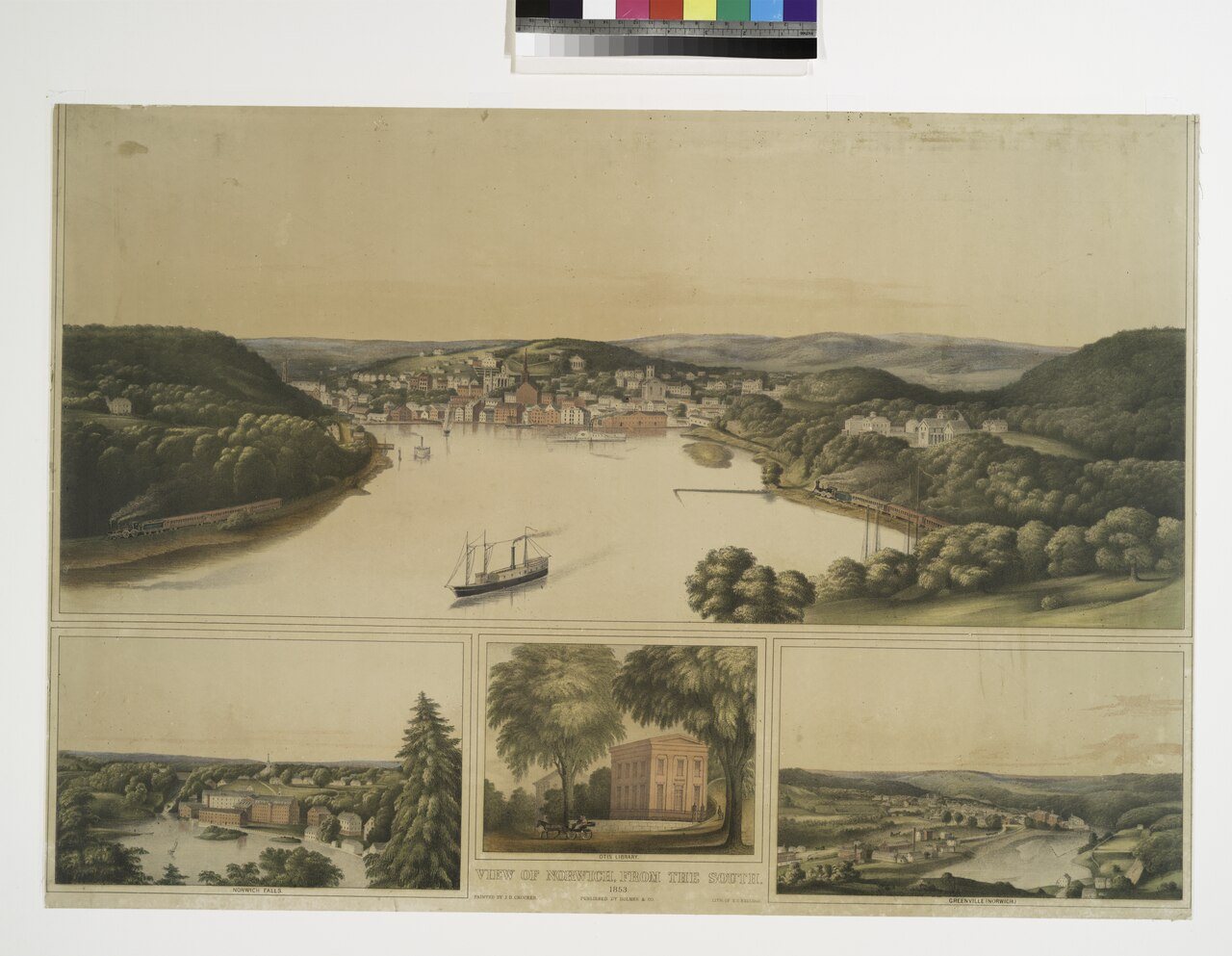
The junction of the Norwich and Worcester Railroad with the New London, Willimantic and Palmer Railroad, (now New London and Northern Railroad,) at Norwich City, was effected in 1853. The junction track passes over Yantic cove by a curve, north of the wharf bridge, and from thence under the street leading to the bridge, and across the city wharves and slips to the depot near the mouth of the Shetucket. The cost of the ■riofht of way was about $40,000.
Text read by machine from the scan; it may contain errors.
We Thomas Fanning and Joseph Perkins, both of Norwich, for and in consideration of the good will we have and do bear to the inhabitants of the Tow* of Norwich and in consideration of the desire we have that said inhabitants may continually and at al* times be furnished and accommodated with a free, open, unincumbered piece of land or ground, convenient for a public Parade or Walk, do give, gi'ant, remise, release and forever quit claim unto Doctor Joshua Lathrop, one of the principal inhabitants of said town, and to all the rest of the inhabitants of said Town of Norwich in their corporate capacity, and to their successors forever, for the use and purpose of a Public Parade or
Text read by machine from the scan; it may contain errors.
History of Norwich, Connecticut, from its settlement in 1660, to January 18451845 · page 32Read the page →
Read the text
No accurate list of the early inhabitants of Saybrook, the mother town of Norwich, can now be obtained. A fort was built at that place, and a garrison established by the younger Winthrop, in the winter of 1635, which took the form of a regular settlement, on the ariival of Mr. Fenwick with his family, and other emigrants from England, in 1639. Accessions w^ere afterwaids made to the planters from various other
Text read by machine from the scan; it may contain errors.
A genealogical history of the Kelley family1897 · page 15Read the page →
Read the text
In the History of Norwich above referred to we find the following entries, taken from the town records of Norwich: "Joseph Kelley, resident of Norwich, 1716."
Text read by machine from the scan; it may contain errors.
Scans and text from the Internet Archive. Books published in 1930 or earlier, which are in the public domain.
Timeline
Norwich, 1659 to 1935
Woven from the archive, old maps, post office records, the National Register and the people born here.
Nothing in the archives for these yearsWeddings on Main Street, storms, parades, school pictures, the old store. If it’s in your family album, it belongs here.
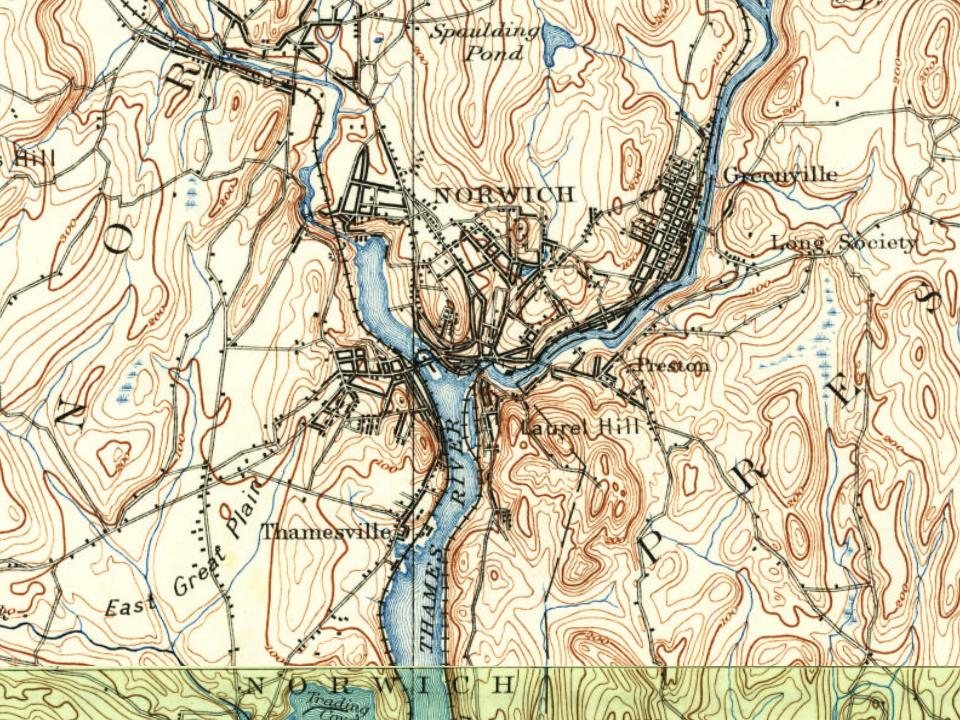
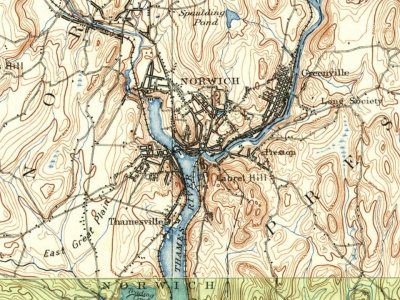
Every edition of the U.S. Geological Survey’s map of Norwich. Tap a year, or press play to watch the town change.
1892Norwich sheet · 1:62,500
U.S. Geological Survey historical topographic maps (public domain), via Esri’s collection of the scans. The red ring marks the center of Norwich.
Every building
Norwich, building by building, 1885–1914
Fire insurance maps drew every building, what it was made of and what it was used for, so insurers could price the risk of fire. Pick a year, then a sheet.
In 1659, according to Wikidata and Wikipedia’s history of the town. Norwich’s post office opened in 1772, and the census of 1800 counted 3,476 people here.
How does Norwich rank for history?
Norwich is among the most historic 1% of U.S. towns, #4 of 155 in Connecticut. The History grade combines the town’s founding era, the share of homes built before 1940 and its National Register listings. It’s a character grade, so it isn’t part of the overall grade. How it works.
What is on the National Register in Norwich?
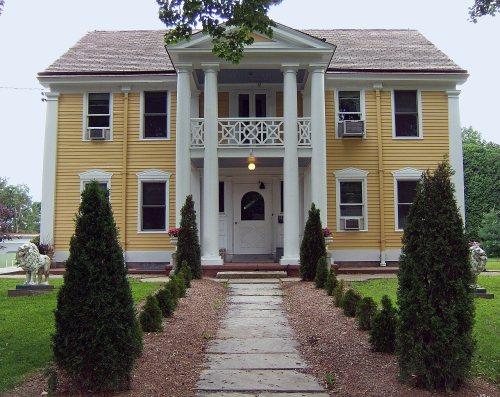
34 listings: 22 buildings, among them the Bradford-Huntington House (listed 1970, the first), 11 historic districts with 2,000 contributing buildings, and 1 structure. 2,024 historic buildings in all.
How old are the homes in Norwich?
38% of Norwich’s homes were built before 1940 (Census estimate, ±3.3 points), against a typical 15% for a Connecticut town; the median home was built in 1957.
Founding dates: Wikidata, Wikipedia, the U.S. post office records of Blevins & Helbock (CC0) and the Census. Homes by year built: Census ACS 2020–24. National Register of Historic Places: National Park Service (list of May 22, 2026). Old photos, postcards and papers: Wikimedia Commons, the Library of Congress and other public archives, credited on each item’s page. Maps: U.S. Geological Survey historical topographic maps (via Esri) and Sanborn fire-insurance maps (Library of Congress). History text and census tables: Wikipedia (CC BY-SA 4.0). Places that used to be: USGS Geographic Names Information System (2021).
From Wikimedia Commons (11), the Library of Congress (1), the National Register of Historic Places (34), Wikipedia, Wikidata and Wikipedia for famous people, U.S. Geological Survey historical maps, U.S. Census counts (via Wikipedia), the US Post Offices dataset (Blevins & Helbock), the USGS Geographic Names Information System, Sanborn fire insurance maps (Library of Congress) and old county and town histories (Internet Archive). Archive images are copied here with their credits and licenses, shown on each photo’s page. Refreshed monthly.






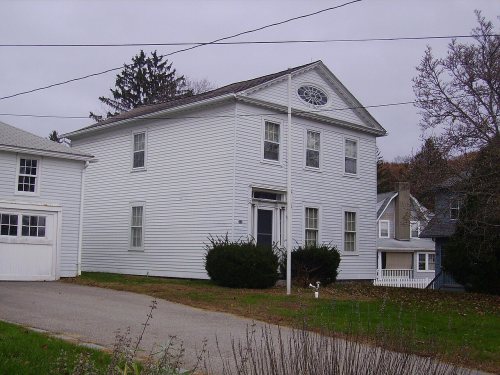
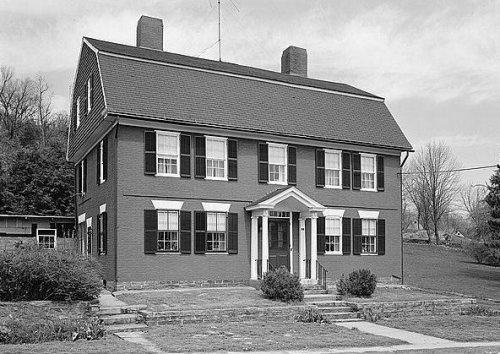
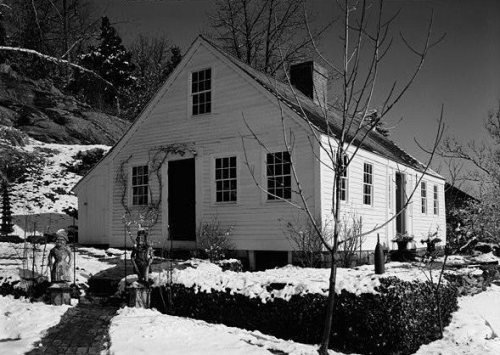


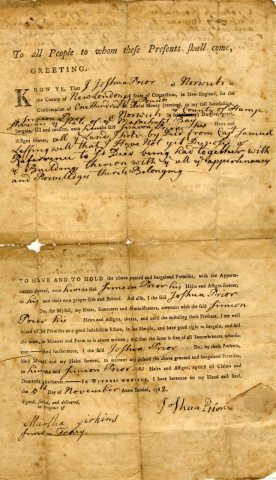




 1799
 1853
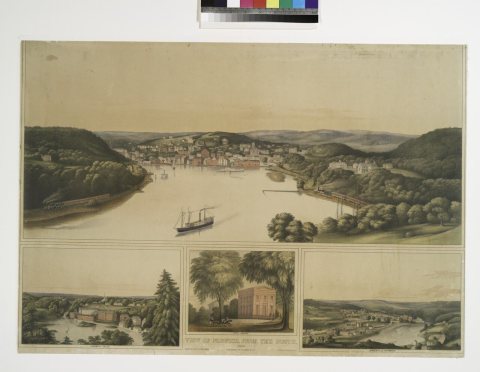 1854
 1891
 1901–1907
 1901–1907