History of Sherbrooke · Canada’s heritage registers
11 historic places in Sherbrooke, 6 of them top designations
The record has 2 Recognized Federal Heritage Buildings, 2 heritage railway stations and a municipal citation. Of the dated places, Chapelle Saint-Mark de Bishop's University is the oldest, from 1853. Per resident Sherbrooke has more than 75% of Canadian towns: 0.6 for every 10,000 people.
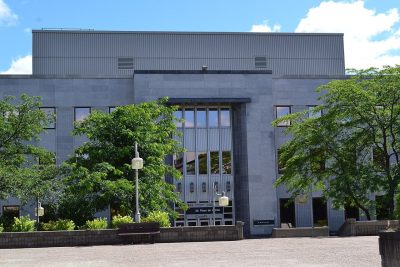
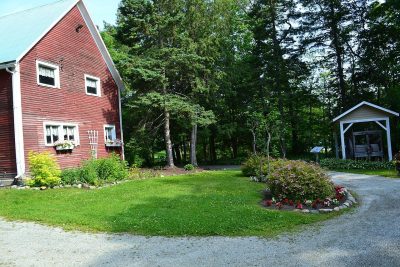
Two to begin with: Sherbrooke City Hall and Site patrimonial de l'Ancienne-Prison-Winter. The photos cover every place on Sherbrooke’s registers. For 3 of Sherbrooke’s places, old views sit on the place’s own page.
Photos from Wikimedia Commons, each credited to its photographer with its licence; names open the place’s page. Tap a photo to step through them full screen.
Through time
Sherbrooke through the years, 1858–1930
On one line by date: 6 old photographs of the town and the oldest views of 2 of its historic places. The dots mark each picture’s year; tap one to enlarge it.
18501875190019251950Before ConfederationConfederation to 1900Boom yearsThe wars and betweenAfter the war
Public domain or CC0, made before 1950, from Wikimedia Commons; old views of places can be drawings, prints or maps of their time. Each credit opens the image’s page.
How it began
Sherbrooke’s record begins in 1793
The railway reached Sherbrooke in 1852. For the municipality of Sherbrooke itself, Wikidata records 1793, a date that can be a founding as much as a merger.
Every place on the registers inside the town, by its designation.
Highest designationsOther federal designationsProvincial and local listings400 m from Sherbrooke City Hall
5 of 6within 400 m of Sherbrooke City Hall, the heart of the town’s history
Dots open their places’ pages; hover first to read the name.
The 11, by tier
6 Highest designations4 Other federal designations1 Provincial and local listings
In Québec the record is fuller than elsewhere: beside Parks Canada’s designations, the province’s register lists its classements and every municipal citation.
Points from Wikidata (Parks Canada’s files carry none) and from Québec’s register, as mapped there.
Highest designations
6 places in Sherbrooke with the highest designation
Their designations span 1989 to 2024. They are 5 places classified by Québec and a National Historic Site. National Historic Sites and Classified Federal Heritage Buildings, Canada’s highest federal recognition. Each one opens its own page.
They are 2 Recognized Federal Heritage Buildings and 2 heritage railway stations. Recognized Federal Heritage Buildings, heritage railway stations and lighthouses. “Canadian National Railway Station, Sherbrooke, Quebec” is the earliest, from 1890; the latest dates from 1950. Each one opens its own page.
The list in Sherbrooke starts with public buildings, at 27%
The second-largest group is stations, lighthouses and bridges, with 2. At the head of the list: Granada Theatre and Chapelle Saint-Mark de Bishop's University. All told, 6 kinds of place appear.
Public buildings3
Stations, lighthouses and bridges2
Churches and religious buildings2
Theatres, museums and memorials2
Forts and military buildings1
Other places1
Grouped by what each register says the place is or was; a converted building counts as what it was built for.
Provincial and local listings
One more place Sherbrooke or its province protects
Citations the municipality has made, registered with Québec’s ministry of culture. Each one opens its own page.
Most of Sherbrooke’s dated places come from the decades after Confederation
Each place by the first construction date on its record.
British North America 1760–18663
After Confederation 1867–19134
Wars and Depression 1914–19451
Since 1946 1946 on1
3 of the 9 dated places were built before Confederation.
When designated
Sherbrooke on the registers since 1989
The places by the year of their designation.
198020002020
The first was Chapelle Saint-Mark de Bishop's University, in 1989. The list has grown by 3 since 2011.
Homes by age
Sherbrooke is still building: 7.3% of homes date from 2016 to 2021, against 4.1%
19% of Sherbrooke’s homes date from 2001 to 2015, well above the typical 15%. Sherbrooke’s largest group of homes, 29%, went up from 1961 to 1980. Before 1961: 18% of Sherbrooke’s homes, near the usual 18%.
18%
Before 1961
29%
1961–80
27%
1981–2000
19%
2001–15
7.3%
2016–21
SherbrookeTypical town
2021 Census, private dwellings by period of construction (Statistics Canada); the typical town is the middle Canadian town of 2,500 or more.
Born here
One of Canada’s national historic persons, tied to Sherbrooke
Most of them, 21 of 29, came into the world in the decades after Confederation. Wikidata and Wikipedia agree on 29 births here before 1914. Gardner Green Stevens comes first, born in 1814. The longest life here was David Hall’s, 97 years, ending in 1972. The timeline shows the 20 best known.
Gardner Green Stevens
Edward Towle Brooks
George Oscar Alcorn
Georges-Isidore Delisle
Arthur Norreys Worthington
Dudley de Chair
William Heneker
Frederick Loomis
Archibald Chapman Hart
David Hall
Robert Davidson
George Foote Foss
William Henry Pferinger Elkins
John Samuel Bourque
Douglas Abbott
Harold C. Atkinson
Robert J. Vallerand
Maurice Gingues
Maurice Hallé
Northrop Frye
1800182518501875190019251950
Northrop Frye1912–1991 · Person of national historic significance (2018) · Canadian literary c…
David Hall1875–1972 · American middle distance runner
William Heneker1867–1939 · British Army general
Douglas Abbott1899–1987 · Canadian politician
Dudley de Chair1864–1958 · Royal Navy officer and Governor of New South Wales
Archibald Chapman Hart1873–1935 · American Democratic politician
Frederick Loomis1870–1937 · Canadian First World War general
RD
Robert Davidson1875–1948 · Canadian politician
Everyone born in Sherbrooke → Born before 1914. Birthplaces from Wikidata, each checked against Wikipedia; national historic persons from Parks Canada’s Directory of Federal Heritage Designations, matched by name and life years.
Towns its size
Sherbrooke has the 2nd most of 16 towns its size
Towns of 153,900 to 222,000 residents, by places on the registers.
In Sherbrooke, 18% of homes were built before 1961, against 18% in the typical town. There are 11 historic places in all, 6 with the highest designation; Granada Theatre heads them. Its places of the highest designation cluster together: 5 of them stand within 400 m of Sherbrooke City Hall. Just one town of its size, out of 16, has more historic places. Northrop Frye (1912), David Hall (1875) and William Heneker (1867) are the best known of its historic lives.
How to read these numbers
What this data can and can’t tell you
•
People and events. Parks Canada’s open file gives its national historic persons no place. A town’s page names one only when the person was born there (matched by name and both life years) or one of its own historic places carries the name and its record speaks of them; national historic events stay off.
•
The federal register. Every federal designation is in Parks Canada’s directory, and the Canadian Register of Historic Places gives most of them a bilingual statement of significance.
•
Québec’s register. Québec is the one province whose register is open: classements, declarations and municipal citations, described by the ministry in French.
•
Protection. A place classified or cited under Québec’s law is protected; National Historic Site status alone protects only what the federal government owns.
•
Map points. Pins for federal places come from Wikidata rather than Parks Canada, which gives no points.
•
The tiers. The highest designations are National Historic Sites, Classified Federal Heritage Buildings and Québec’s classements; then come the other federal designations; then provincial and local listings.
•
The grade. This page gives no grade; history doesn’t count toward a Canadian town’s letter.
Questions about Sherbrooke’s history
Which places in Sherbrooke have the highest designation?
Granada Theatre, Chapelle Saint-Mark de Bishop's University, Église Plymouth Trinity, Sherbrooke City Hall, Sherbrooke War Memorial and Site patrimonial de l'Ancienne-Prison-Winter.
What is the oldest building in Sherbrooke?
Chapelle Saint-Mark de Bishop's University (Classified heritage building (Québec)): the first construction date on its record is 1853.
How old are the homes in Sherbrooke?
Before 1961: 18% of its homes; the typical town has 18%.
Contains information licensed under the Open Government Licence – Canada (Parks Canada). Québec register data: Ministère de la Culture et des Communications du Québec, CC BY 4.0.
Sources: Parks Canada, Directory of Federal Heritage Designations · Canadian Register of Historic Places (federal extract) · Répertoire du patrimoine culturel du Québec (MCC, Données Québec) · Wikidata (CC0) for map points, other names and articles · Statistics Canada, 2021 Census (homes by period of construction). Under the Statistics Canada Open Licence.


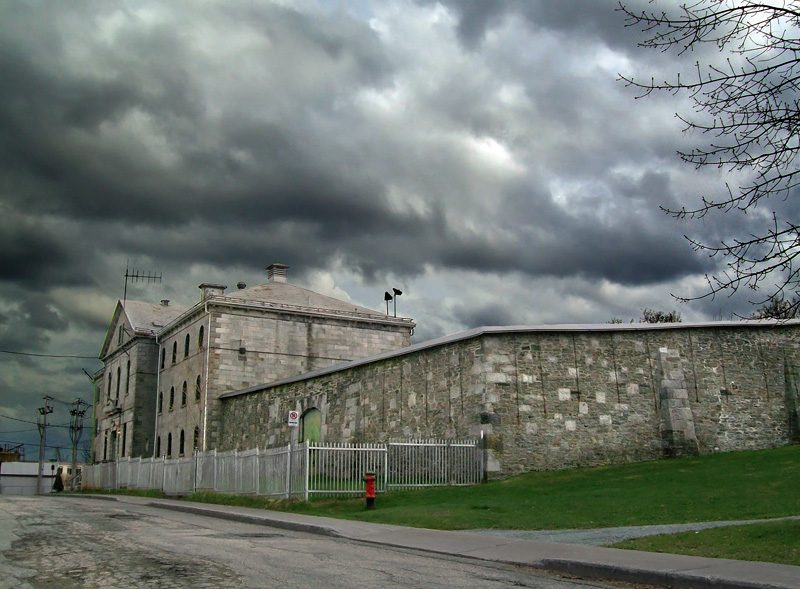


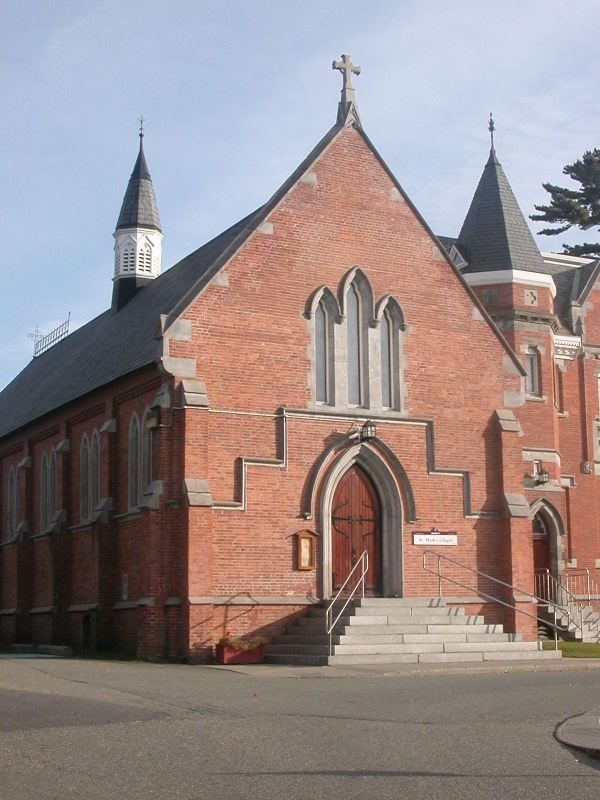
 c. 1858
 c. 1890
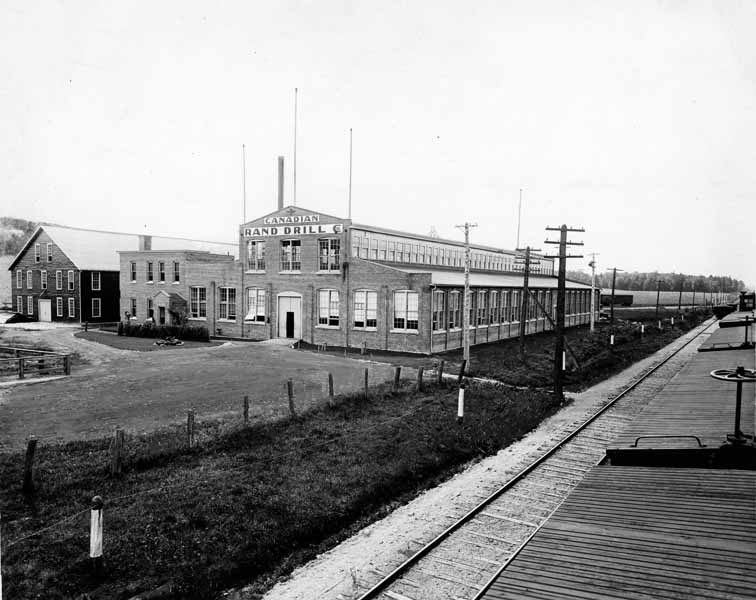 1900
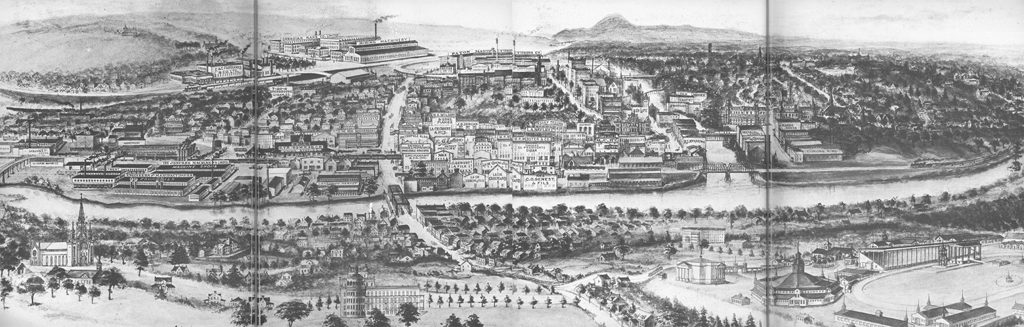 1907
 1913
 c. 1923
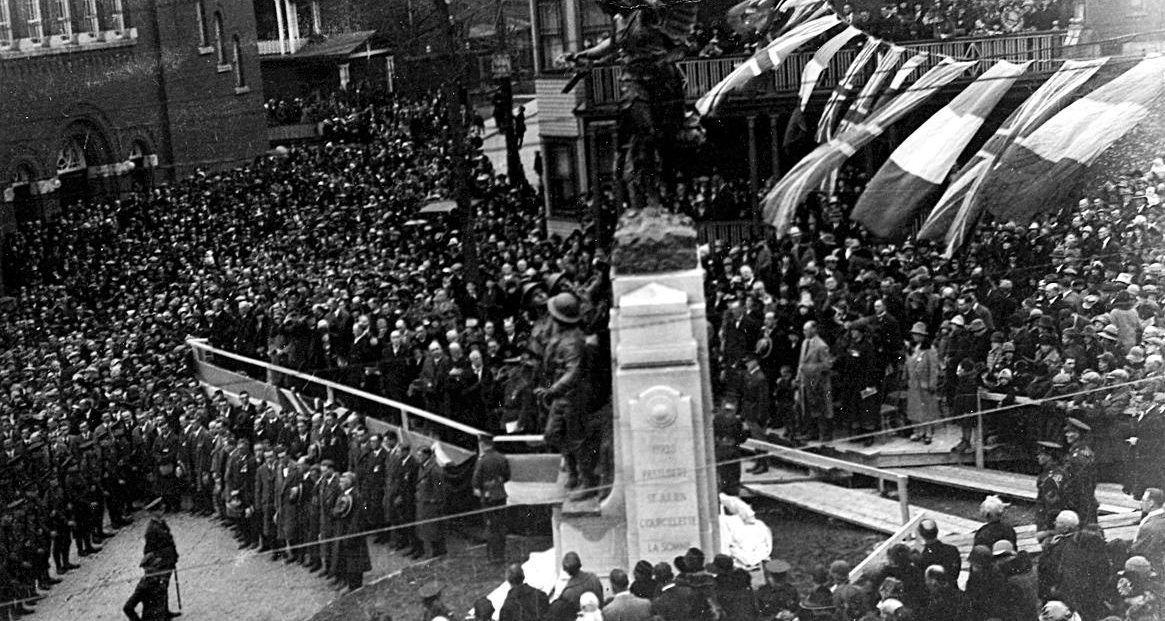 c. 1926
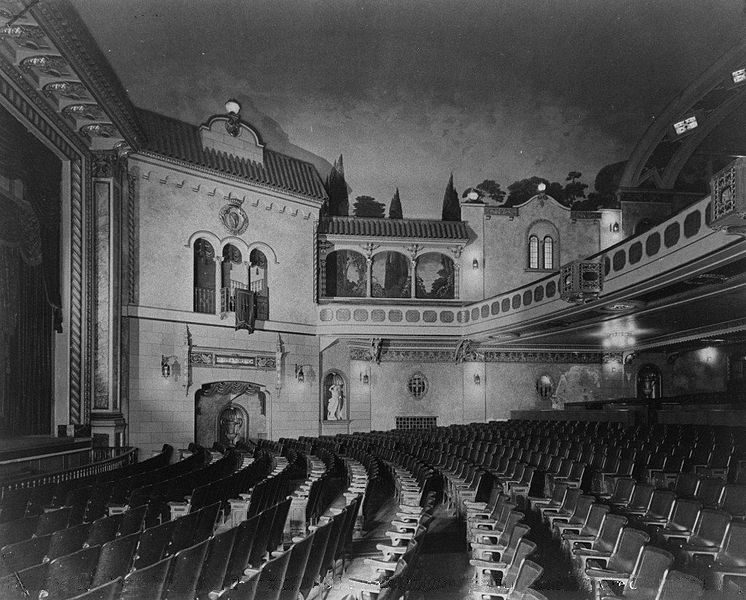 c. 1930
 Top
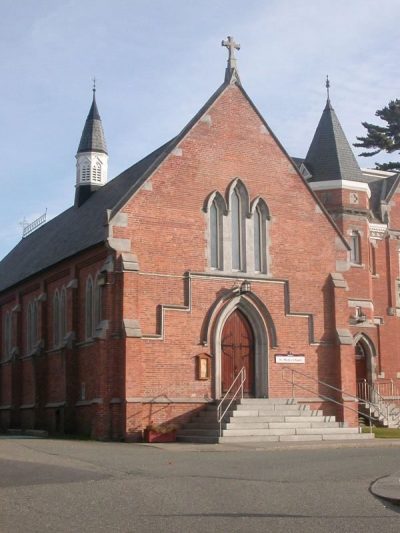 Top
 Top
 Top
 Top
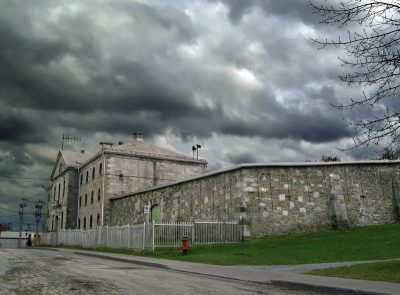 Top
 Fed
 Fed
 Fed
 Fed
 Local


