Guelph has 6 historic places on the registers, 3 in the top tier
The list takes in a Recognized Federal Heritage Building, a heritage railway station and a provincial or municipal listing. The oldest dated place, McCrae House, goes back to 1850. Measured against its size, Guelph’s 0.4 per 10,000 residents puts it ahead of 73% of Canadian towns. Wikidata knows 55 more provincial or municipal listings here that get no page, lacking an open statement or an encyclopedia article.
provincial and municipal listings with an encyclopedia article
Oldest building
1850
the first construction date on its record
Homes built before 1961
20%
typical town: 18%
In pictures
Guelph’s heritage in 6 photos, and 3 pictures of its past
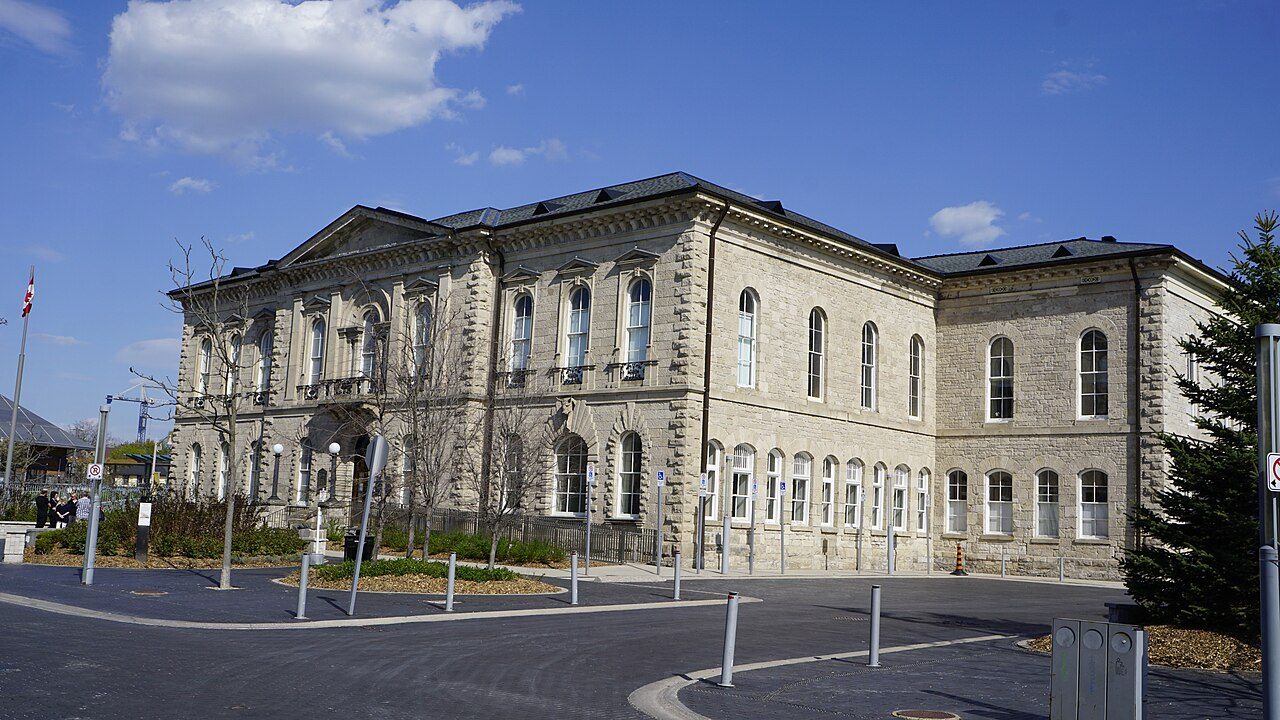
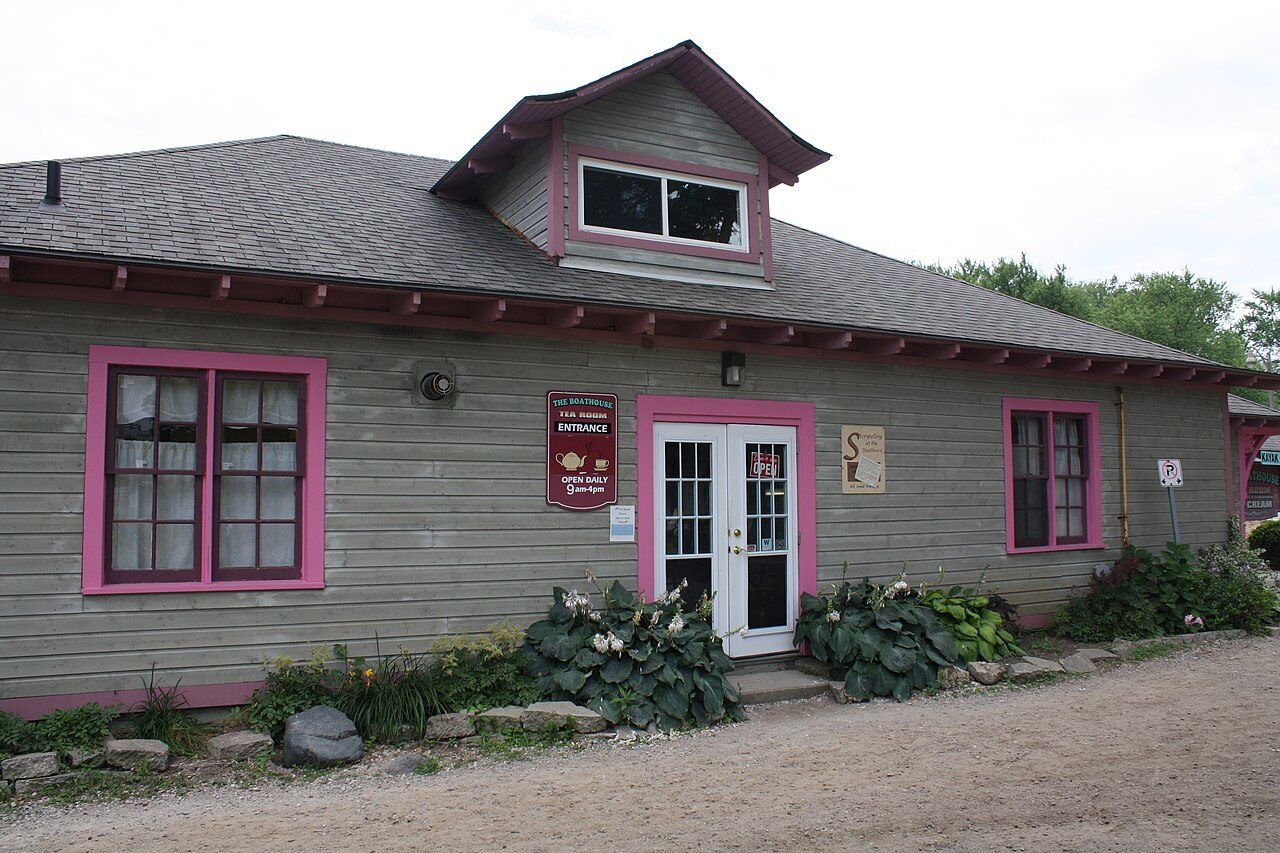
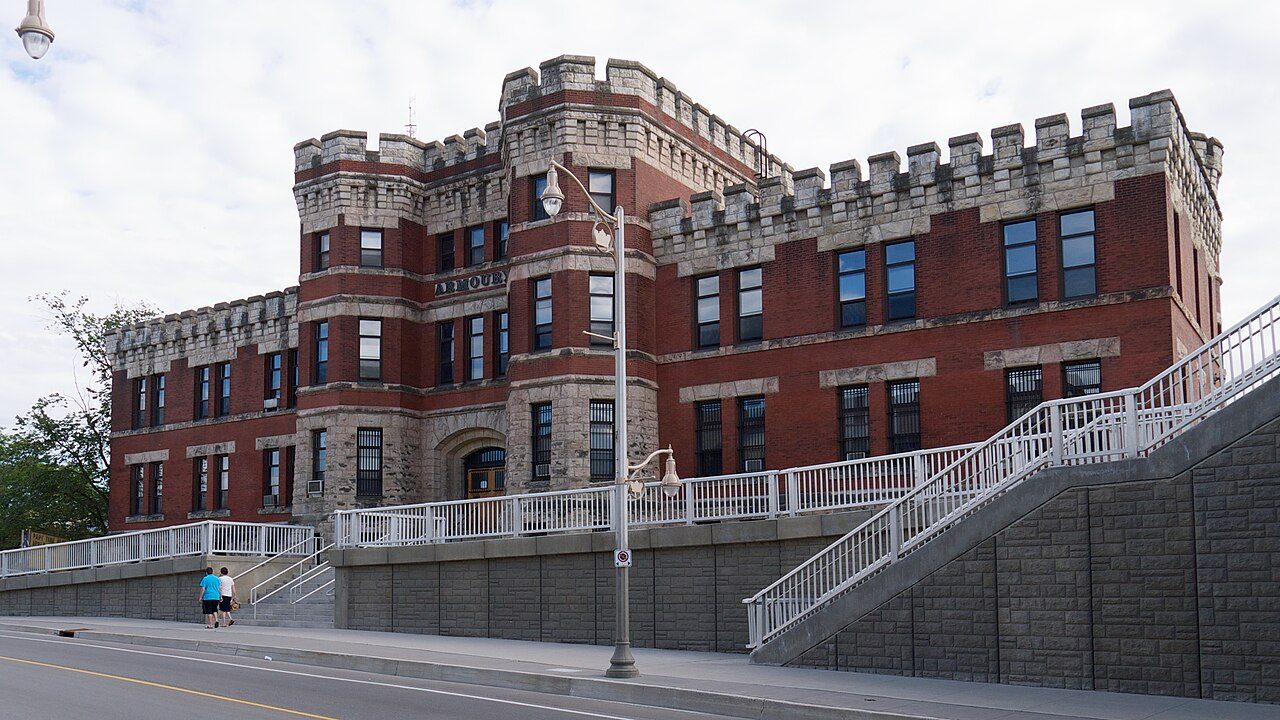
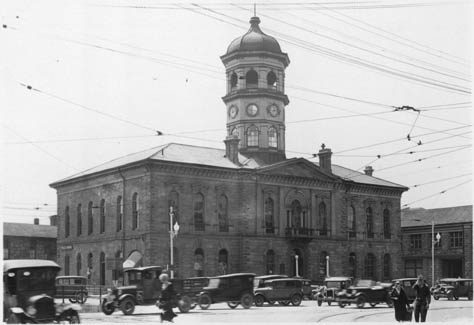
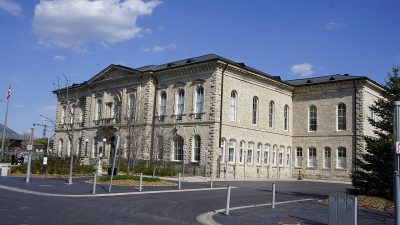
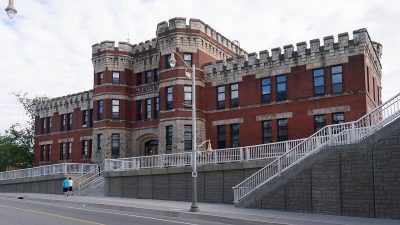
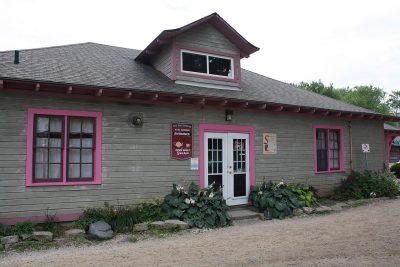
All of Guelph’s designated places are pictured. The first two: Guelph City Hall and Our Lady of the Immaculate Conception. Credit goes to 5 photographers, each named on the photo.
Photos from Wikimedia Commons, each credited to its photographer with its licence; names open the place’s page. Tap a photo to step through them full screen.
Through time
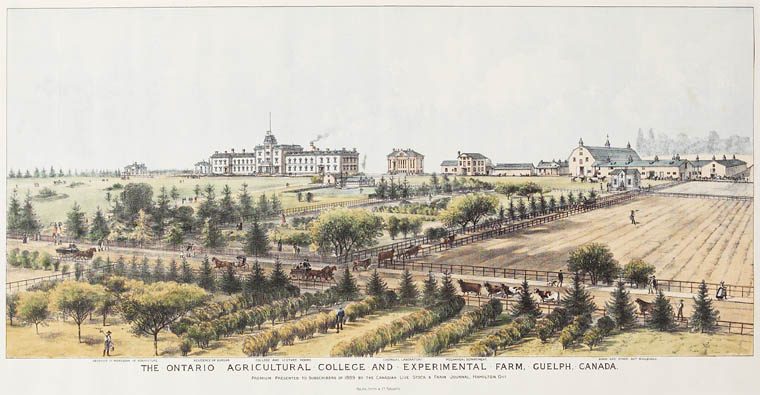
Guelph from 1889 to 1940
2 old photographs of the town, then the oldest view of one of its historic places, set out by date. Point at a dot for its year, or tap a picture to enlarge it.
18801890190019101920193019401950Confederation to 1900Boom yearsThe wars and betweenAfter the war
Public domain or CC0, made before 1950, from Wikimedia Commons; old views of places can be drawings, prints or maps of their time. Each credit opens the image’s page.
How it began
Guelph through its dates, from 1827
For the municipality of Guelph itself, Wikidata records April 23, 1827, a date that can be a founding as much as a merger. Guelph takes its name from House of Welf, royal house. On paper, Guelph became a town in 1855 and a city in 1879.
Every place on the registers inside the town, by its designation.
Highest designationsOther federal designationsProvincial and local listings
Dots open their places’ pages; hover first to read the name.
The 6, by tier
3 Highest designations2 Other federal designations1 Provincial and local listings
Parks Canada’s Directory of Federal Heritage Designations lists the places the Government of Canada has recognized; outside Québec, provincial and municipal listings come only through Wikidata, and only those with an encyclopedia article get a page.
Points from Wikidata (Parks Canada’s files carry none) and from Québec’s register, as mapped there.
Highest designations
3 places in Guelph with the highest designation
They date from 1850 (McCrae House) to 1876. National Historic Sites and Classified Federal Heritage Buildings, Canada’s highest federal recognition. Designations came from 1966 to 1990. Each one opens its own page.
They date from 1906 (Armoury) to 1911. Here that means a Recognized Federal Heritage Building and a heritage railway station. Recognized Federal Heritage Buildings, heritage railway stations and lighthouses. Each one opens its own page.
Guelph’s dated places lean to the decades after Confederation
Each place by the first construction date on its record.
British North America 1760–18662
After Confederation 1867–19133
Wars and Depression 1914–19451
Since 1946 1946 on0
Of the 6 with a date, 2 predate 1867.
Homes by age
A growing town: 7.2% of Guelph’s homes went up from 2016 to 2021, against 4.1%
Half of the homes standing in Guelph today were built before 2001. The busiest building years in Guelph were from 1981 to 2000, which account for 26% of today’s homes. 23% of Guelph’s homes were built from 2001 to 2015, more than the typical town’s 15%.
20%
Before 1961
24%
1961–80
26%
1981–2000
23%
2001–15
7.2%
2016–21
GuelphTypical town
2021 Census, private dwellings by period of construction (Statistics Canada); the typical town is the middle Canadian town of 2,500 or more.
Born here
2 of Canada’s national historic persons, tied to Guelph
The decades after Confederation gave 34 of the 49. Alfred Hales closes the list, born in 1909. It starts with George Turner Orton, born in 1837. Art Brooks lived longest, to 100, dying in 1987. Only the 20 best known fit the timeline.
Josiah Bruce
Alexander Fraser Pirie
Annie Damer
Bob Emslie
Hugh Guthrie
Laura Lemon
Dan O'Connor
John McCrae
Oswald West
Frank Carroll
Ned Sparks
Dick Carroll
Art Brooks
Joseph Dewey Soper
George A. Drew
Esther Hill
Jack Purcell
Joe Sawyer
Yip Foster
Alfred Hales
1800182518501875190019251950
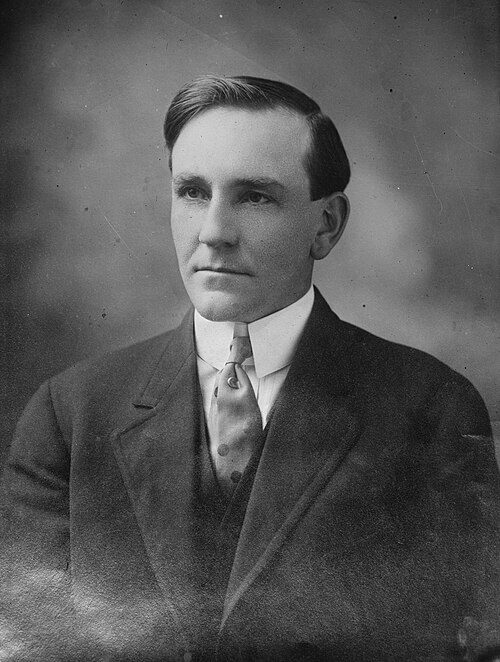
John McCrae1872–1918 · Designated nationally in 1946 · Canadian poet, physician, author, art…
Joe Sawyer1906–1982 · Canadian actor
Ned Sparks1883–1957 · Actor
Oswald West1873–1960 · American politician
Esther Hill1895–1985 · Architect; artist
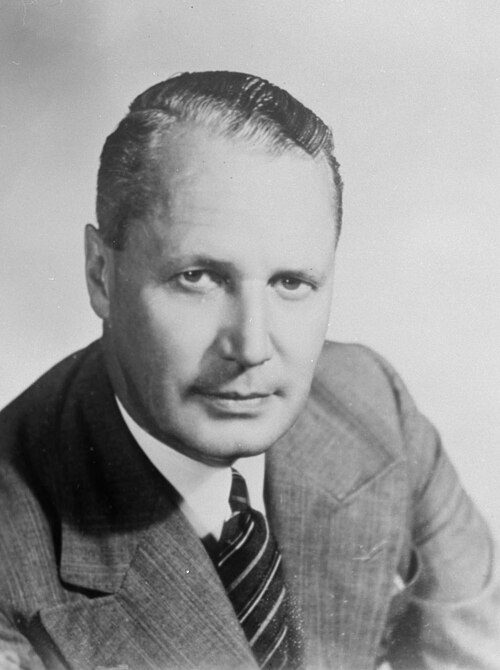
Hugh Guthrie1866–1939 · Canadian politician
George A. Drew1894–1973 · Canadian politician
Jack Purcell1903–1991 · Badminton player
Everyone born in Guelph → Born before 1914. Birthplaces from Wikidata, each checked against Wikipedia; national historic persons from Parks Canada’s Directory of Federal Heritage Designations, matched by name and life years.
Of the homes standing in Guelph, 20% went up before 1961, against 18% in the typical town. In all there are 6 historic places, 3 with the highest designation, including McCrae House. Most of its dated places come from the decades after Confederation: 3 of 6. Its people of the past include John McCrae (1872), Joe Sawyer (1906) and Ned Sparks (1883). Beyond that, 6 historic places is about usual for its size (the median is 5); and the designations ran from 1966 to 1992.
How to read these numbers
What this data can and can’t tell you
•
The federal register. The federal list is complete and open: Parks Canada’s directory for the designations, the Canadian Register of Historic Places for what each one is and why it matters.
•
Provincial and municipal lists. The local and provincial lists outside Québec aren’t published openly, so this page counts what Wikidata records and pages only the places an encyclopedia describes.
•
People and events. National historic persons carry no place in the open file. They appear on a town’s page when born there (same name, same birth and death years) or when a historic place inside it carries their name and its record names them with their dates; national historic events don’t appear.
•
Protection. A National Historic Site designation recognises significance; it doesn’t by itself protect a building the federal government doesn’t own. Legal protection comes from provincial and municipal designations, whose own registers aren’t open data outside Québec.
•
The grade. History is described, not graded, for every Canadian town.
•
Map points. Where a federal place sits on the map is Wikidata’s placing; the directory itself has no coordinates.
•
The tiers. Three tiers: the top for National Historic Sites, classified federal buildings and Québec’s classements, a second for the other federal designations, a third for provincial and municipal listings.
Questions about Guelph’s history
Which places in Guelph have the highest designation?
They are McCrae House, Guelph City Hall and Our Lady of the Immaculate Conception.
What is the oldest building in Guelph?
McCrae House — its record dates it to 1850 (National Historic Site).
Why might a heritage building in Guelph be missing here?
Its province’s and council’s own lists can’t be reused here; 55 further listings in Guelph show up only as Wikidata numbers.
How old are the homes in Guelph?
20% of its homes were built before 1961, against 18% in the typical Canadian town.
Contains information licensed under the Open Government Licence – Canada (Parks Canada).
Sources: Parks Canada, Directory of Federal Heritage Designations · Canadian Register of Historic Places (federal extract) · Wikidata (CC0) for map points, other names and articles · Statistics Canada, 2021 Census (homes by period of construction). Under the Statistics Canada Open Licence.



 1889
 c. 1920
 1940s
 Top
 Top
 Top
 Fed
 Fed
 Local