Heritage in Oshawa: 2 historic places, one of the highest rank
The list takes in a Recognized Federal Heritage Building. Its oldest building on the record is Colonel R. S. McLaughlin Armoury, from 1914. Scaled to its population, Oshawa’s 0.1 per 10,000 residents beats 71% of Canadian towns.
Public domain or CC0, made before 1950, from Wikimedia Commons; old views of places can be drawings, prints or maps of their time. Each credit opens the image’s page.
How it began
The dates behind Oshawa, from 1850
The first railway station on record, Oshawa GO Station, opened in 1856. On Wikidata the municipality of Oshawa dates to 1850, with no word on whether that was its founding or a later incorporation. On paper, Oshawa became a village in 1850 and a town in 1879.
Every place on the registers inside the town, by its designation.
Highest designations
Tap any dot to open that place’s own page; hovering shows its name.
The 2, by tier
1 Highest designations1 Other federal designations
The federal directory kept by Parks Canada supplies most of these places; provincial and municipal lists outside Québec aren’t open data, so only the ones Wikidata documents with an article appear.
Points from Wikidata (Parks Canada’s files carry none) and from Québec’s register, as mapped there. One place, placed by its register’s municipality, has no point and isn’t on the map.
Highest designations
One place in Oshawa with the highest designation
National Historic Sites and Classified Federal Heritage Buildings, Canada’s highest federal recognition. Each one opens its own page.
The heritage closest to Oshawa: Former Bowmanville Boys Training School/Camp 30, at 15 km
Count to 50 km and there are 22. They are spread over 16 towns, including Port Hope, Aurora and Markham Village. The mix: 9 National Historic Sites, 9 provincial or municipal listings and 4 heritage railway stations.
Capitol TheatreDesignated heritage property (part IV) · 45 km away, in Port Hope
St. Mark's ChurchDesignated heritage property (part IV) · 1822 · 46 km away, in Port Hope
Ashbridge EstateOntario Heritage Trust property · 1793 · 47 km away, in Greenwood-Coxwell
Don Valley Brick WorksOntario Heritage Trust easement · 48 km away, in Leaside-Bennington
Homes by age
Old houses stand out in Oshawa: 24% predate 1961, where most towns have 18%
New building is strong in Oshawa: 6.2% of homes date from 2016–21, where most towns have 4.1%. The busiest building years in Oshawa were from 1961 to 1980, which account for 35% of today’s homes. Half of the homes standing in Oshawa today were built before 1981.
24%
Before 1961
35%
1961–80
20%
1981–2000
15%
2001–15
6.2%
2016–21
OshawaTypical town
2021 Census, private dwellings by period of construction (Statistics Canada); the typical town is the middle Canadian town of 2,500 or more.
Born here
Oshawa’s past in lives: 2 nationally designated
Fame, by Wikipedia: Albert W. Tucker first, in 17 languages. In 1812 came the earliest, Abram Farewell. The most recent birth is Grace Hanagan’s, in 1907. Before 1914, 12 births here made the record.
Abram Farewell
Lucy Thurman
James Edward Quigley
Patrick Burns
William Waugh Lauder
Alexander Henderson
Lawson Omar Clifford
Father Henry Carr
Darrin Rose
Isabel McLaughlin
Albert W. Tucker
Grace Hanagan
1800182518501875190019251950
AT
Albert W. Tucker1905–1995 · Canadian mathematician
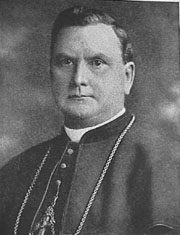
James Edward Quigley1854–1915 · Catholic archbishop
Patrick Burns1856–1937 · Designated nationally in 1960 · Canadian politician and businessperson
Alexander Henderson1861–1942 · Canadian politician
IM
Isabel McLaughlin1903–2002 · Canadian artist
William Waugh Lauder1858–1931 · Canadian pianist, music critic, teacher and virtuoso
LC
Lawson Omar Clifford1878–1937 · Canadian politician
Abram Farewell1812–1888 · Canadian politician
Everyone born in Oshawa → Born before 1914. Birthplaces from Wikidata, each checked against Wikipedia; national historic persons from Parks Canada’s Directory of Federal Heritage Designations, matched by name and life years.
Older stock first: 24% of homes in Oshawa were standing by 1961, against 18% in the typical town. In all there are 2 historic places, one with the highest designation, including Parkwood. Albert W. Tucker (1905), James Edward Quigley (1854) and Patrick Burns (1856) are the best known of its historic lives. Everything else is close to the norm: 2 historic places is about usual for its size (the median is 2); and the list grew between 1989 and 1991.
How to read these numbers
What this data can and can’t tell you
•
The tiers. Tiers follow the designation: national recognition and classement first, other federal designations next, provincial and local listings last.
•
Protection. Being on these registers doesn’t mean a building can’t change. Federal designation commemorates; protection is provincial or municipal, and those lists aren’t open here.
•
The grade. There is no history grade: the page sets out the record and compares it with other towns.
•
People and events. Parks Canada’s open file gives its national historic persons no place. A town’s page names one only when the person was born there (matched by name and both life years) or one of its own historic places carries the name and its record speaks of them; national historic events stay off.
•
Provincial and municipal lists. Outside Québec, provinces’ and municipalities’ heritage registers aren’t open data; their places are known only through Wikidata items with a register number, and only those with an encyclopedia article get a page.
•
The federal register. Every federal designation is in Parks Canada’s directory, and the Canadian Register of Historic Places gives most of them a bilingual statement of significance.
•
Map points. Federal places get their map points from Wikidata, since Parks Canada’s files carry none; they are as mapped there.
Questions about Oshawa’s history
Which places in Oshawa have the highest designation?
It is Parkwood.
What is the oldest building in Oshawa?
Colonel R. S. McLaughlin Armoury — its record dates it to 1914 (Recognized Federal Heritage Building).
How old are the homes in Oshawa?
24% predate 1961, where the typical town has 18%.
Contains information licensed under the Open Government Licence – Canada (Parks Canada).
Sources: Parks Canada, Directory of Federal Heritage Designations · Canadian Register of Historic Places (federal extract) · Wikidata (CC0) for map points, other names and articles · Statistics Canada, 2021 Census (homes by period of construction). Under the Statistics Canada Open Licence.

 1917
 c. 1919
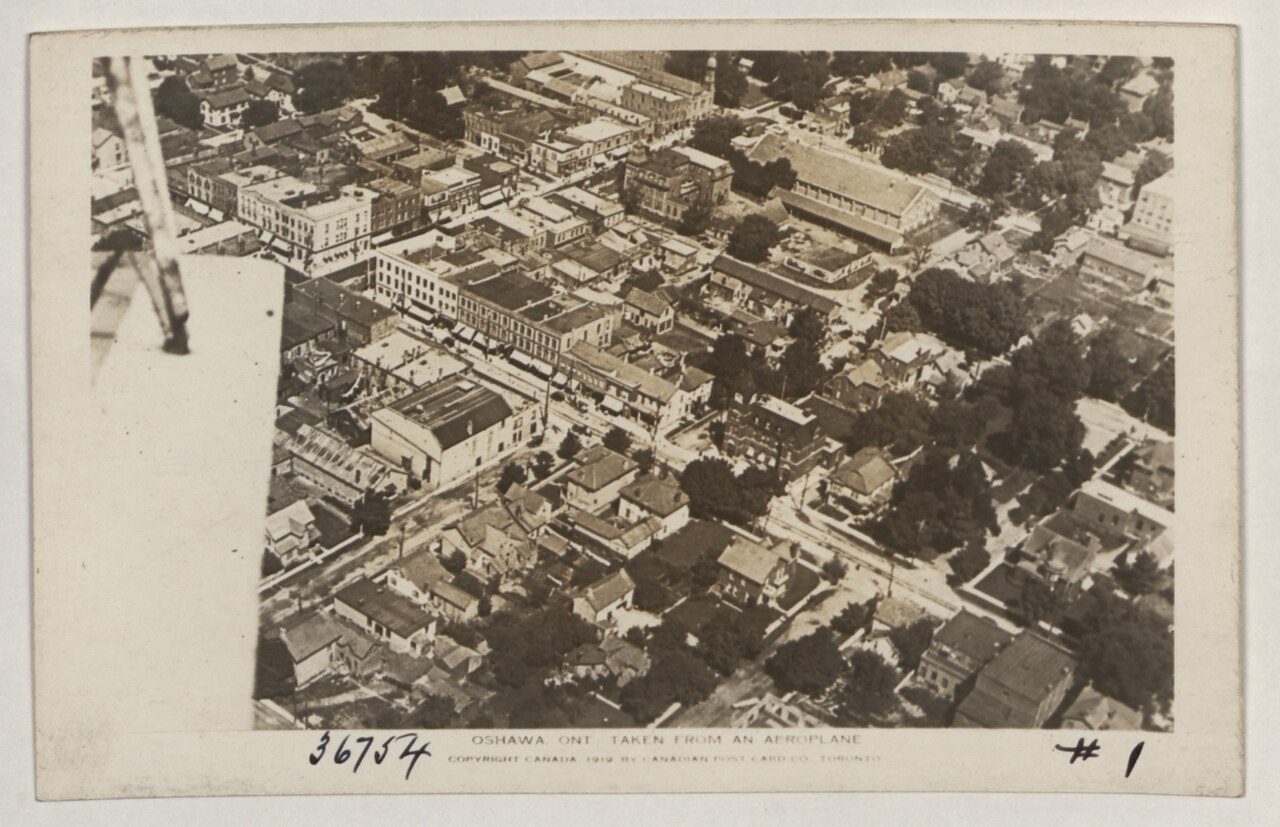 c. 1919
 c. 1919
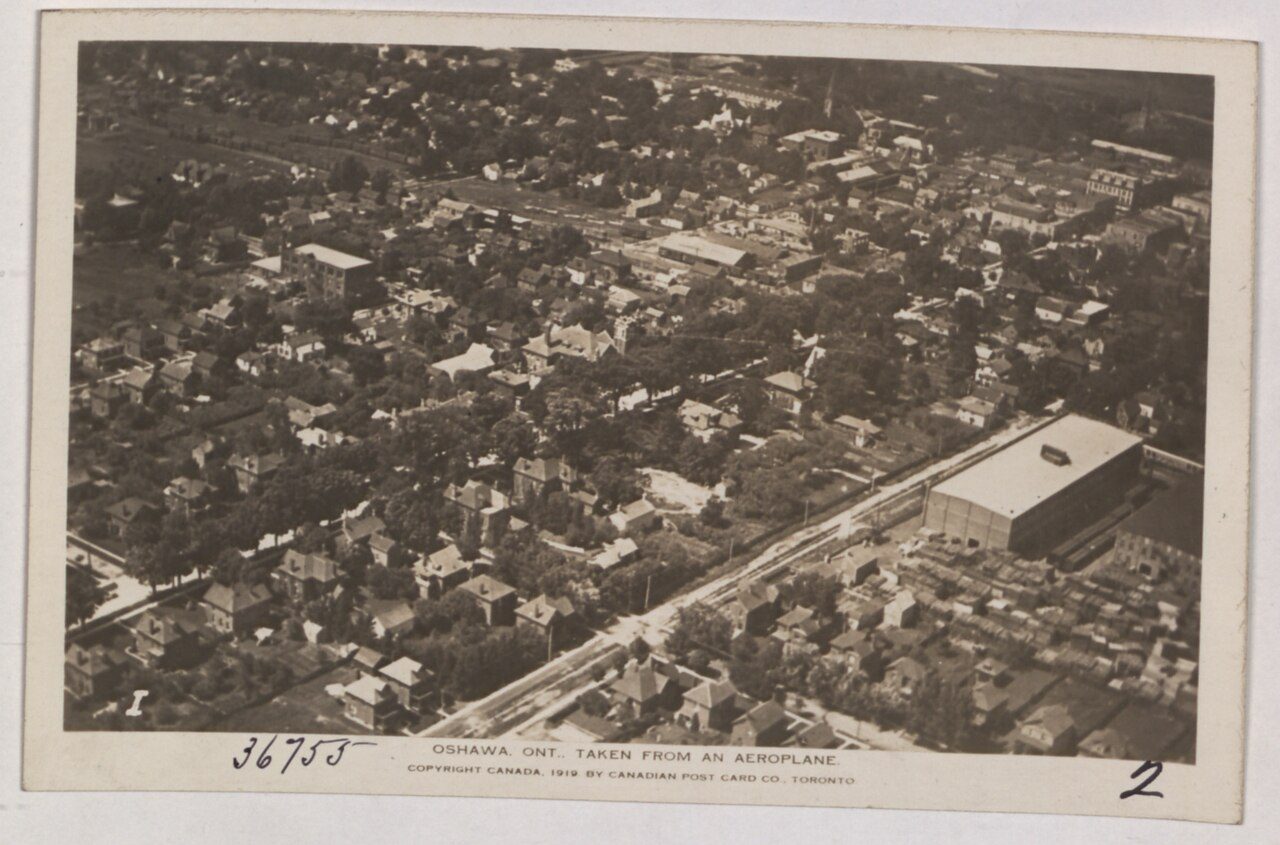 c. 1919
 Top