History of St. Catharines · Canada’s heritage registers
St. Catharines has 6 historic places on the registers, one in the top tier
The record has 4 Recognized Federal Heritage Buildings and a heritage railway station. Homes from before 1961 make up 33% of the stock, above the 18% of the typical town. Its oldest building on the record is Salem Chapel, British Methodist Episcopal Church, from 1851. Relative to its size St. Catharines has 0.4 per 10,000 residents, more than 73% of Canadian towns.
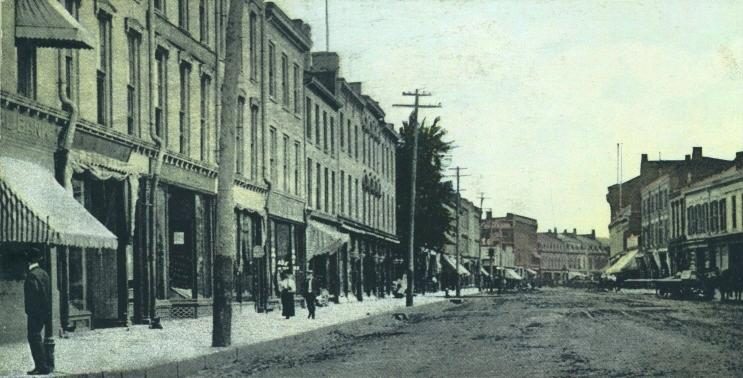
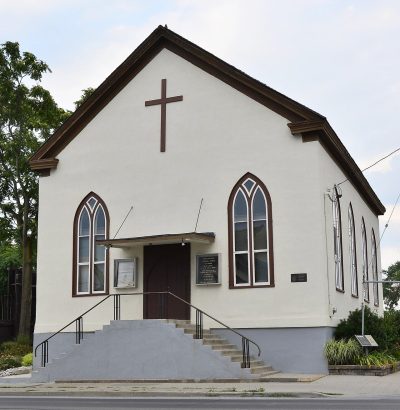
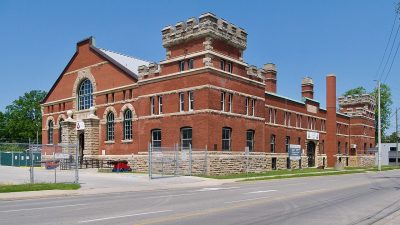
Old and new: 3 photos and 8 old pictures of St. Catharines
The first two: “Salem Chapel, British Methodist Episcopal Church” and Armoury. 3 of the places on St. Catharines’s heritage registers are pictured here; the others keep their register record. Credit goes to 3 photographers, each named on the photo.
Photos from Wikimedia Commons, each credited to its photographer with its licence; names open the place’s page. Tap a photo to step through them full screen.
Through time
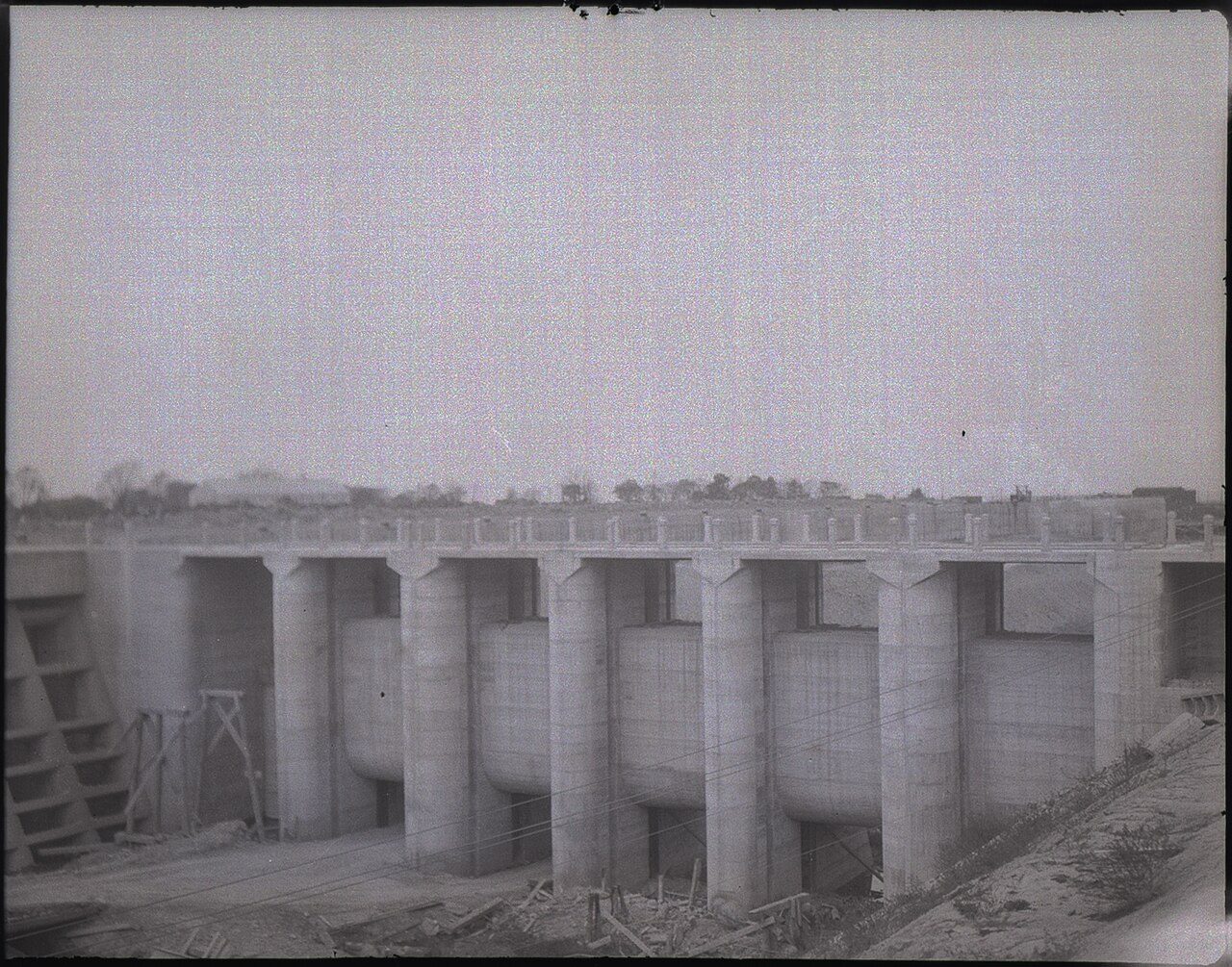
Old St. Catharines, 1863 to 1941
Set out by date: 8 old photographs of the town. Point at a dot for its year, or tap a picture to enlarge it.
18501875190019251950Before ConfederationConfederation to 1900Boom yearsThe wars and betweenAfter the war
Public domain or CC0, made before 1950, from Wikimedia Commons; old views of places can be drawings, prints or maps of their time. Each credit opens the image’s page.
How it began
From 1783: St. Catharines’s first milestones
St. Catharines railway station, the earliest station on record, opened in 1917. The municipality of St. Catharines has the date 1783 on Wikidata; the record doesn’t say whether it marks a founding or an incorporation. St. Catharines was incorporated as a city in 1876.
Every place on the registers inside the town, by its designation.
Highest designationsOther federal designations
Tap any dot to open that place’s own page; hovering shows its name.
The 6, by tier
1 Highest designations5 Other federal designations
Federal designations come from Parks Canada’s directory; a province’s or a council’s own listing shows here only when Wikidata holds it and an encyclopedia covers it.
Points from Wikidata (Parks Canada’s files carry none) and from Québec’s register, as mapped there. 3 places, placed by their register’s municipality, have no point and aren’t on the map.
Highest designations
One place in St. Catharines with the highest designation
National Historic Sites and Classified Federal Heritage Buildings, Canada’s highest federal recognition. Each one opens its own page.
The first was designated in 1989, the latest in 1999. Here that means 4 Recognized Federal Heritage Buildings and a heritage railway station. Recognized Federal Heritage Buildings, heritage railway stations and lighthouses. Each one opens its own page.
Most of St. Catharines’s homes went up from 1961 to 1980: 39%
Homes built from 2016 to 2021 make up just 2.8% of St. Catharines’s, below the typical 4.1%. St. Catharines built little from 2001 to 2015: 7.4% of its homes, where most towns have 15%. Over half of the homes in St. Catharines were already standing by 1981.
33%
Before 1961
39%
1961–80
19%
1981–2000
7.4%
2001–15
2.8%
2016–21
St. CatharinesTypical town
2021 Census, private dwellings by period of construction (Statistics Canada); the typical town is the middle Canadian town of 2,500 or more.
Born here
21 St. Catharines births on record from before 1914
At 86, Mary Agnes Snively outlived the rest, dying in 1933. In 1832 came the earliest, John Charles Rykert. Canada counts Mary Agnes Snively among its national historic persons. Best known is Frederick Steep, with articles in 14 Wikipedia languages. The 20 best known are on the timeline.
John Charles Rykert
Mary Agnes Snively
Frederick William Benson
Mary Spencer
John Arbuthnot
Chauncey Beadle
E. C. Jeffrey
Deacon Phelps
Edwin Cyrus Graves
Arthur Frederick Rykert
Frederick Steep
Francis Aveling
Laura de Turczynowicz
Charles Daley
Frederick Fisher
Stuart Garson
William Elliott
Ralston Crawford
Gordon Chaplin
Harry Cavers
1800182518501875190019251950
Frederick Steep1874–1956 · Canadian soccer player
RC
Ralston Crawford1906–1978 · American artist
CB
Chauncey Beadle1866–1950 · Canadian botanist
E. C. Jeffrey1866–1952 · Canadian-American botanist
Stuart Garson1898–1977 · Canadian politician
John Charles Rykert1832–1913 · Canadian politician
Mary Spencer1857–1938 · Canadian photographer
FF
Frederick Fisher1894–1915 · Canadian recipient of the Victoria Cross
Everyone born in St. Catharines → Born before 1914. Birthplaces from Wikidata, each checked against Wikipedia; national historic persons from Parks Canada’s Directory of Federal Heritage Designations, matched by name and life years.
Housing in St. Catharines includes 33% built before 1961, against 18% in the typical town. Together that makes 6 historic places, one with the highest designation, led by “Salem Chapel, British Methodist Episcopal Church”. the wars and the Depression account for 3 of the 6 dated places. Frederick Steep (1874), Ralston Crawford (1906) and Chauncey Beadle (1866) are the best known of its historic lives. Everything else is close to the norm: 6 historic places is about usual for its size (the median is 5); and the designations ran from 1989 to 2000.
How to read these numbers
What this data can and can’t tell you
•
Protection. National historic designation honours a place but binds only federal owners; a private building’s protection depends on its province or municipality.
•
The federal register. Federal places come from Parks Canada’s directory, which counts National Historic Sites, federal heritage buildings, stations and lighthouses; their statements are the register’s own.
•
People and events. Persons of national historic significance come with no location; a town gets one only by birthplace (name and both life years agreeing) or by one of its own places that bears the name and whose record tells the story. Events, which can’t be tied, are left out.
•
The grade. History is described, not graded, for every Canadian town.
•
Provincial and municipal lists. Provincial and municipal listings here come from Wikidata alone, since the provinces’ own registers can’t be reused; a listing needs an encyclopedia article to get a page.
•
The tiers. Three tiers: the top for National Historic Sites, classified federal buildings and Québec’s classements, a second for the other federal designations, a third for provincial and municipal listings.
•
Map points. Parks Canada publishes no coordinates, so federal places are pinned where Wikidata puts them.
Questions about St. Catharines’s history
Which places in St. Catharines have the highest designation?
Salem Chapel, British Methodist Episcopal Church.
How old are the homes in St. Catharines?
33% predate 1961, where the typical town has 18%.
What is the oldest building in St. Catharines?
Salem Chapel, British Methodist Episcopal Church, a National Historic Site, begun in 1851.
Why might a heritage building in St. Catharines be missing here?
Only federal designations are fully open outside Québec. 6 more listings in St. Catharines are known through Wikidata alone, so they are counted, not paged.
Contains information licensed under the Open Government Licence – Canada (Parks Canada).
Sources: Parks Canada, Directory of Federal Heritage Designations · Canadian Register of Historic Places (federal extract) · Wikidata (CC0) for map points, other names and articles · Statistics Canada, 2021 Census (homes by period of construction). Under the Statistics Canada Open Licence.


 1863
 1870s
 c. 1910
 1910
 1917–1918
 1919
 c. 1923
 c. 1941
 Top
 Fed
 Fed


