
 Top
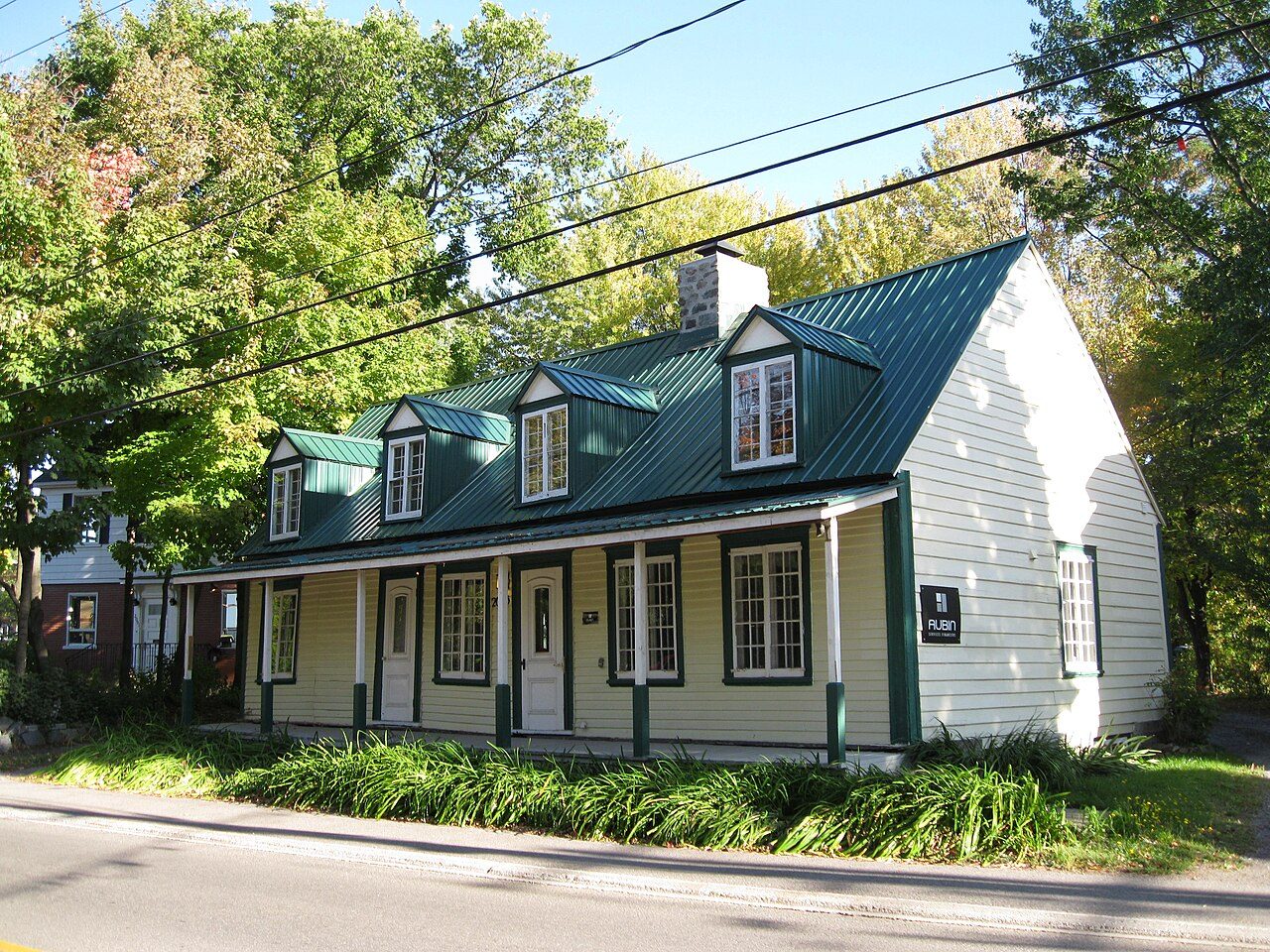
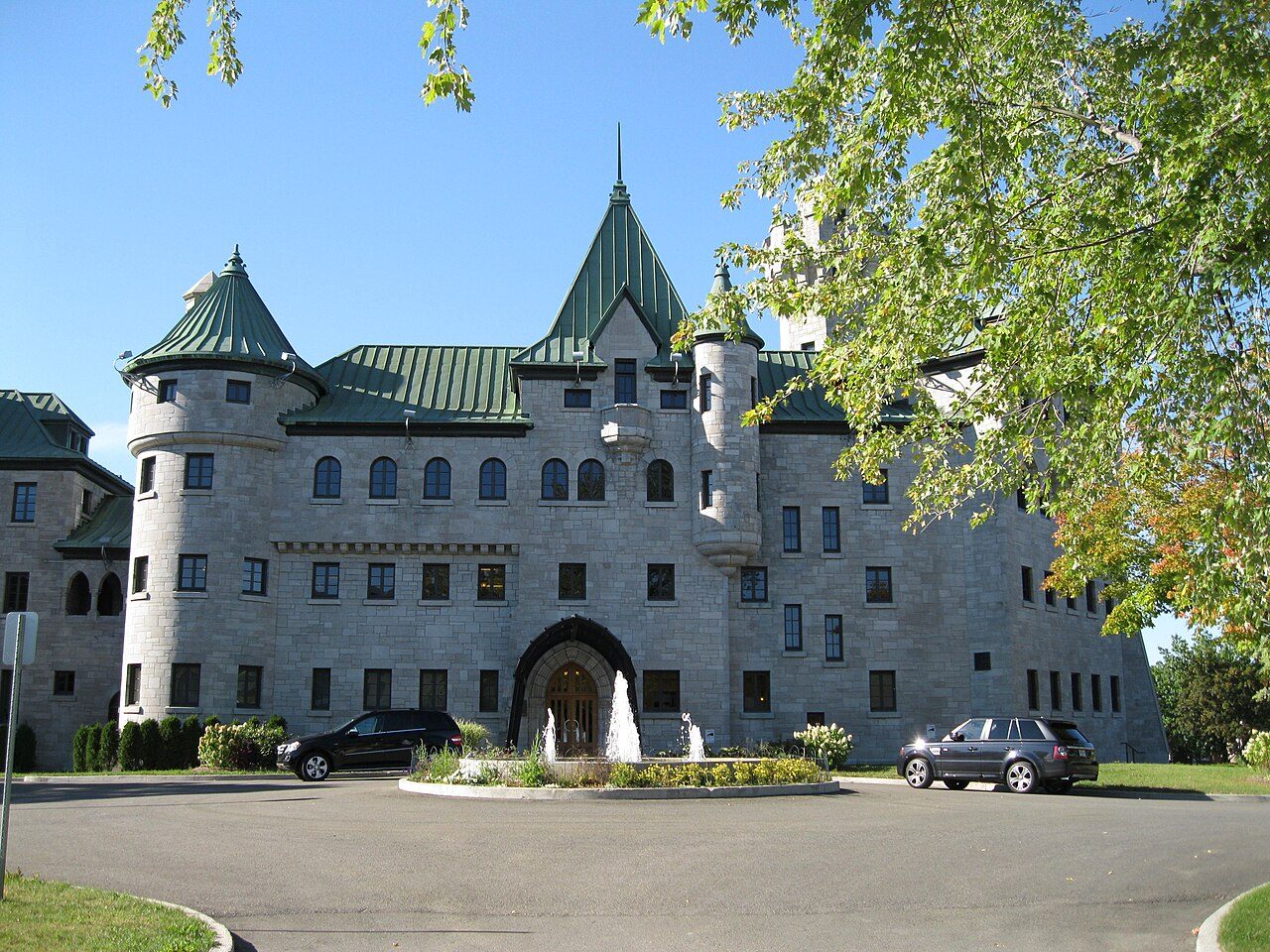
National Historic Site · 1840–1859Beth Israël CemeteryOn René-Lévesque Boulevard Ouest, near du Bon Air AvenuePhoto: GBoivinT · CC BY-SA 3.0 · Commons file
 Beth Israël Cemetery · Photo: GBoivinT · CC BY-SA 3.0
4historic places on the registers
History of Cité-Universitaire · Canada’s heritage registers
Cité-Universitaire has 4 historic places on the registers, 3 in the top tier
Designations here include a municipal citation. Go back to 1818 and you reach Auberge Hugh-Glover, the oldest of them. For every 10,000 residents Cité-Universitaire has 1.8, ahead of 85% of Canadian towns.
Historic places
4
1.8 per 10,000 residents
Highest designations
3
National Historic Sites, classified federal buildings and Québec’s classements
Provincial and local listings
1
municipal citations on Québec’s register
Oldest building
1818
the first construction date on its record
Homes built before 1961
18%
typical town: 18%
In pictures
Then and today: Cité-Universitaire in 4 photos and 2 old pictures
Two to begin with: Beth Israël Cemetery and Auberge Hugh-Glover. The photos cover every place on Cité-Universitaire’s registers. 2 of Cité-Universitaire’s places also have old views on their own pages.
Photos from Wikimedia Commons, each credited to its photographer with its licence; names open the place’s page. Tap a photo to step through them full screen.
Through time
Back in time: Cité-Universitaire, 1855–1931
By date: the oldest views of 2 of its historic places. The dots mark each picture’s year; tap one to enlarge it.
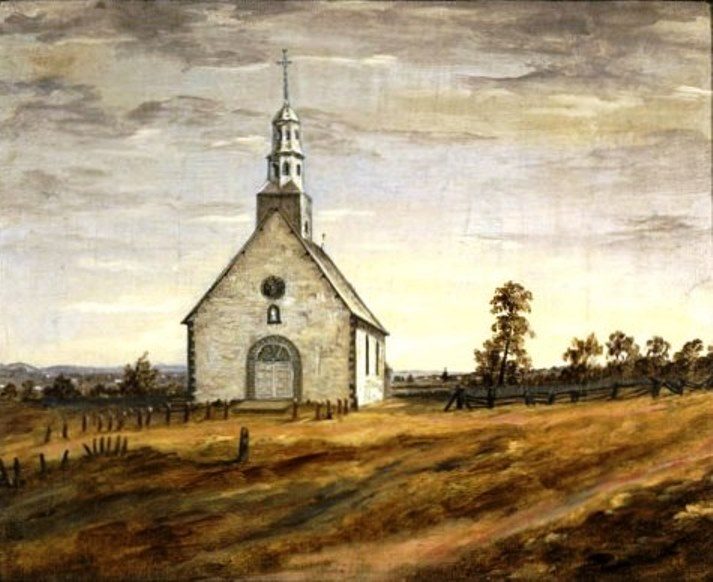 1855
 c. 1931
Public domain or CC0, made before 1950, from Wikimedia Commons; old views of places can be drawings, prints or maps of their time. Each credit opens the image’s page.
The map
Where Cité-Universitaire’s history is
Every place on the registers inside the town, by its designation.
Highest designationsProvincial and local listings
Tap any dot to open that place’s own page; hovering shows its name.
The 4, by tier
3 Highest designations1 Provincial and local listings
Federal designations come from Parks Canada; Québec’s own register adds what the province has classified and what the municipality has cited.
Points from Wikidata (Parks Canada’s files carry none) and from Québec’s register, as mapped there.
Highest designations
3 places in Cité-Universitaire with the highest designation
Here that means 2 places classified by Québec and a National Historic Site. National Historic Sites and Classified Federal Heritage Buildings, Canada’s highest federal recognition. They date from 1818 (Auberge Hugh-Glover) to 1840. Each one opens its own page.
 Top
Classified heritage building (Québec) · 1818Auberge Hugh-Glover2095 chemin Sainte-FoyPhoto: GBoivinT · CC BY-SA 3.0 · Commons file
 Top
Classified heritage site (Québec)Parc de la Visitation801 route de l'Église¤2825 chemin Sainte-FoyPhoto: Harfang · CC BY-SA 3.0 · Commons file
Provincial and local listings
One local listing in Cité-Universitaire
Citations the municipality has made, registered with Québec’s ministry of culture. Each one opens its own page.
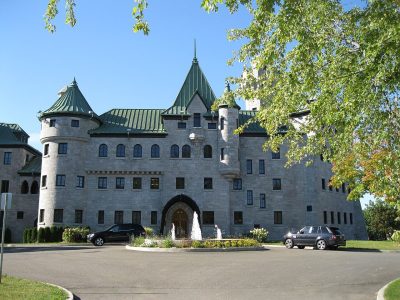 Local
Cited heritage site (Québec) · 1931Maison Gomin2026 boulevard René-Lévesque OuestPhoto: GBoivinT · CC BY-SA 3.0 · Commons file
Homes by age
A growing town: 10% of Cité-Universitaire’s homes went up from 2016 to 2021, against 4.1%
Cité-Universitaire’s largest group of homes, 29%, went up from 1961 to 1980. Before 1961: 18% of Cité-Universitaire’s homes, near the usual 18%. Count back from today and half of Cité-Universitaire’s homes are older than 2001.
18%
Before 1961
29%
1961–80
27%
1981–2000
15%
2001–15
10%
2016–21
Cité-UniversitaireTypical town
2021 Census, private dwellings by period of construction (Statistics Canada); the typical town is the middle Canadian town of 2,500 or more.
Towns its size
Cité-Universitaire has the most of 16 towns its size
Towns of 22,400 to 22,700 residents, by places on the registers.
Cité-Universitaire4
The middle one has 0. 10 of them have none.
Neighbours
Cité-Universitaire and its neighbours
| Town | People | Places | Highest | Oldest |
|---|---|---|---|---|
| Cité-Universitaire | 22,546 | 4 | 3 | 1818 |
| Sillery | 13,950 | 6 | 6 | 1700 |
| Plateau | 14,176 | 0 | 0 | — |
| Saint-Louis | 15,792 | 0 | 0 | — |
| Saint-Sacrement | 10,650 | 1 | 1 | 1920 |
| Duberger—Les Saules | 27,419 | 0 | 0 | — |
| Pointe-de-Sainte-Foy | 14,541 | 1 | 1 | 1754 |
In brief
Cité-Universitaire in brief
Older stock first: 18% of homes in Cité-Universitaire were standing by 1961, against 18% in the typical town. The lists come to 4 historic places, 3 with the highest designation, including Beth Israël Cemetery. No town its size has more historic places: it leads the 16 nearest in population. Everything else is close to the norm: its places were designated between 1978 and 2012.
How to read these numbers
What this data can and can’t tell you
- Map points. Federal places get their map points from Wikidata, since Parks Canada’s files carry none; they are as mapped there.
- The tiers. Three tiers: the top for National Historic Sites, classified federal buildings and Québec’s classements, a second for the other federal designations, a third for provincial and municipal listings.
- The federal register. Parks Canada’s Directory of Federal Heritage Designations lists every National Historic Site, federal heritage building, heritage railway station and lighthouse; the Canadian Register of Historic Places adds their statements in English and French.
- Québec’s register. Québec’s Répertoire du patrimoine culturel records the province’s classements and declarations and every municipal citation, each with a description and a point.
- The grade. History is described, not graded, for every Canadian town.
- People and events. The open directory puts its national historic persons nowhere, so a town shows one only on firm ground: a birth there, matched by name and life years, or a historic place there named for the person whose record says so. Events are left out.
- Protection. Here the register is also the protection: classement and citation under Québec’s cultural heritage law control changes, while federal recognition does not.
Questions about Cité-Universitaire’s history
Which places in Cité-Universitaire have the highest designation?
They are Beth Israël Cemetery, Auberge Hugh-Glover and Parc de la Visitation.
What is the oldest building in Cité-Universitaire?
Auberge Hugh-Glover (Classified heritage building (Québec)): the first construction date on its record is 1818.
How old are the homes in Cité-Universitaire?
18% of its homes were built before 1961, against 18% in the typical Canadian town.
Contains information licensed under the Open Government Licence – Canada (Parks Canada). Québec register data: Ministère de la Culture et des Communications du Québec, CC BY 4.0.
Sources: Parks Canada, Directory of Federal Heritage Designations · Canadian Register of Historic Places (federal extract) · Répertoire du patrimoine culturel du Québec (MCC, Données Québec) · Wikidata (CC0) for map points, other names and articles · Statistics Canada, 2021 Census (homes by period of construction). Under the Statistics Canada Open Licence.
Adapted from Statistics Canada (Census of Population 2021, population estimates 2025, 2021 census boundaries) under the Statistics Canada Open Licence; this does not constitute an endorsement by Statistics Canada. Neighbourhood names in some cities © OpenStreetMap contributors (ODbL).