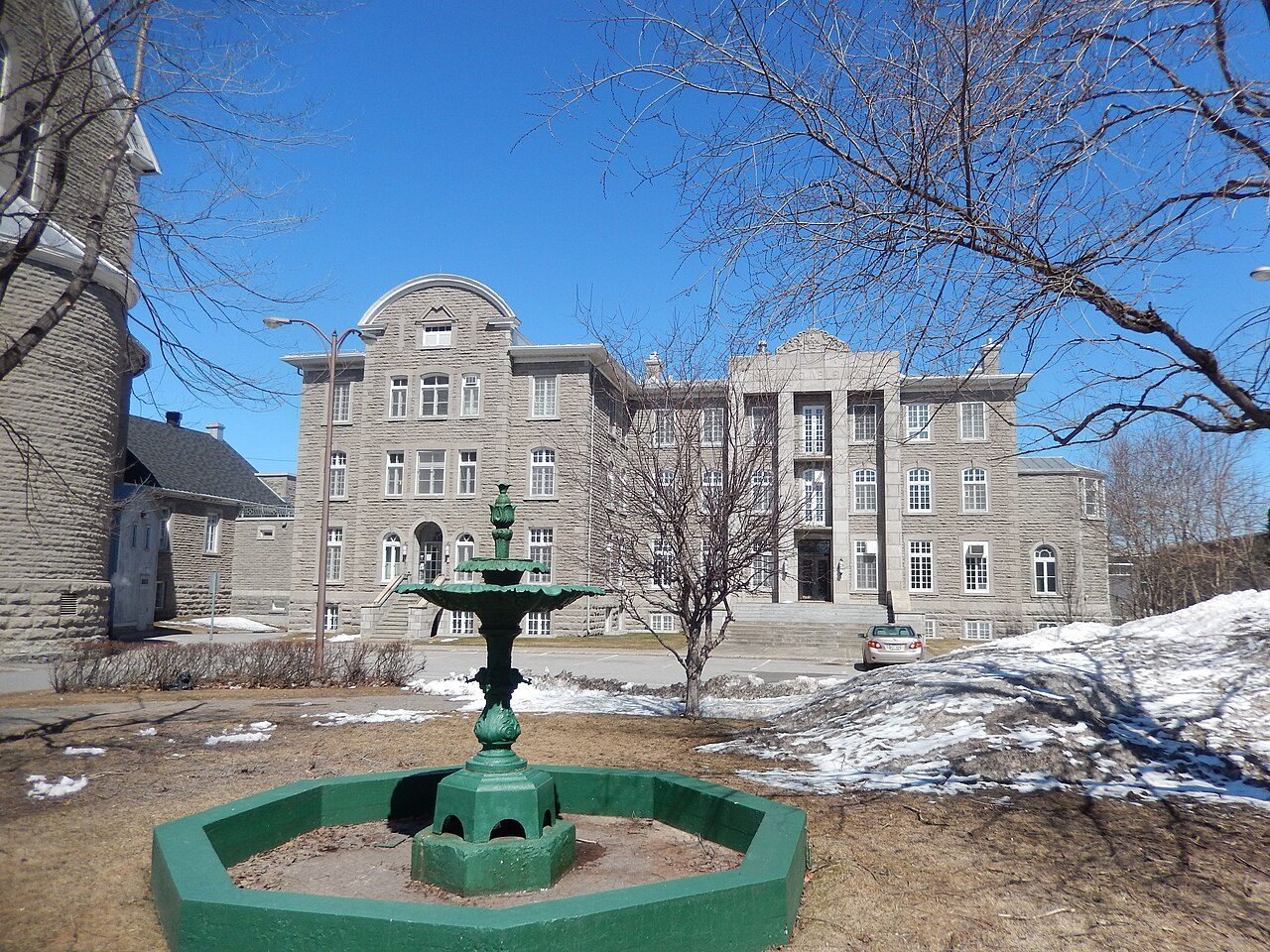
Joliette Court House · Photo: Fralambert · CC BY-SA 4.0
4historic places on the registers
History of Joliette · Canada’s heritage registers
One top designation among Joliette’s 4 historic places
Counted by designation, there are 2 municipal citations and a heritage railway station. Go back to 1860 and you reach Joliette Court House, the oldest of them. Measured against its size, Joliette’s 1.8 per 10,000 residents puts it ahead of 85% of Canadian towns.
Joliette’s landmarks in 4 photos, with 3 old views
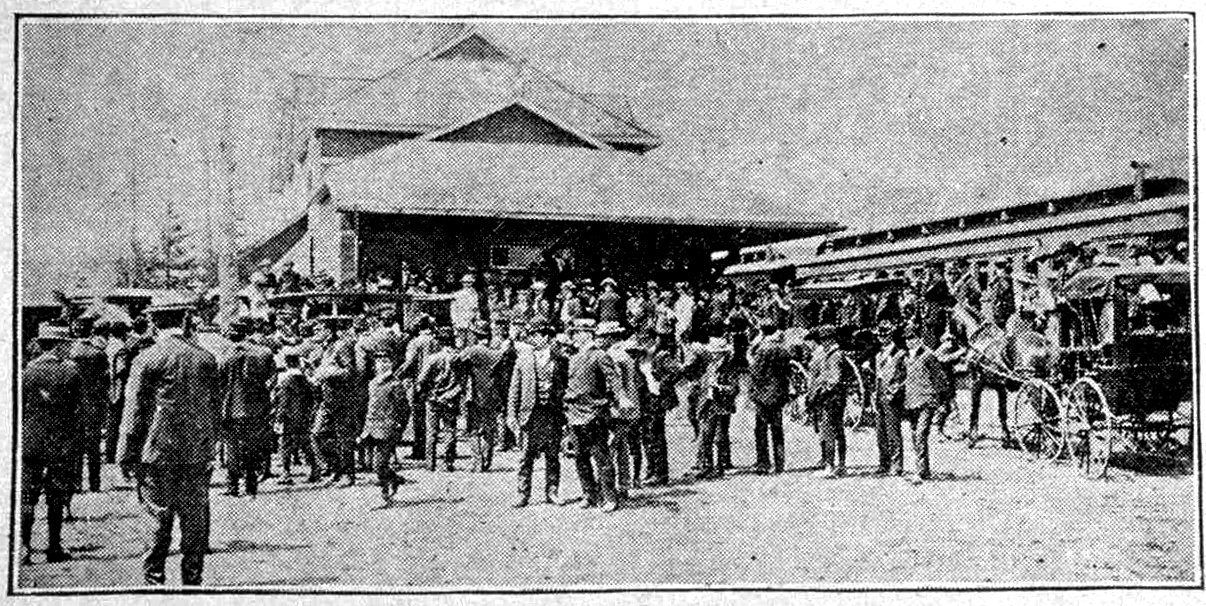
All of Joliette’s designated places are pictured. 2 of Joliette’s places also have old views on their own pages. In front: Joliette Court House and “Canadian National Railways Station, Joliette, Quebec”.
Photos from Wikimedia Commons, each credited to its photographer with its licence; names open the place’s page. Tap a photo to step through them full screen.
Through time
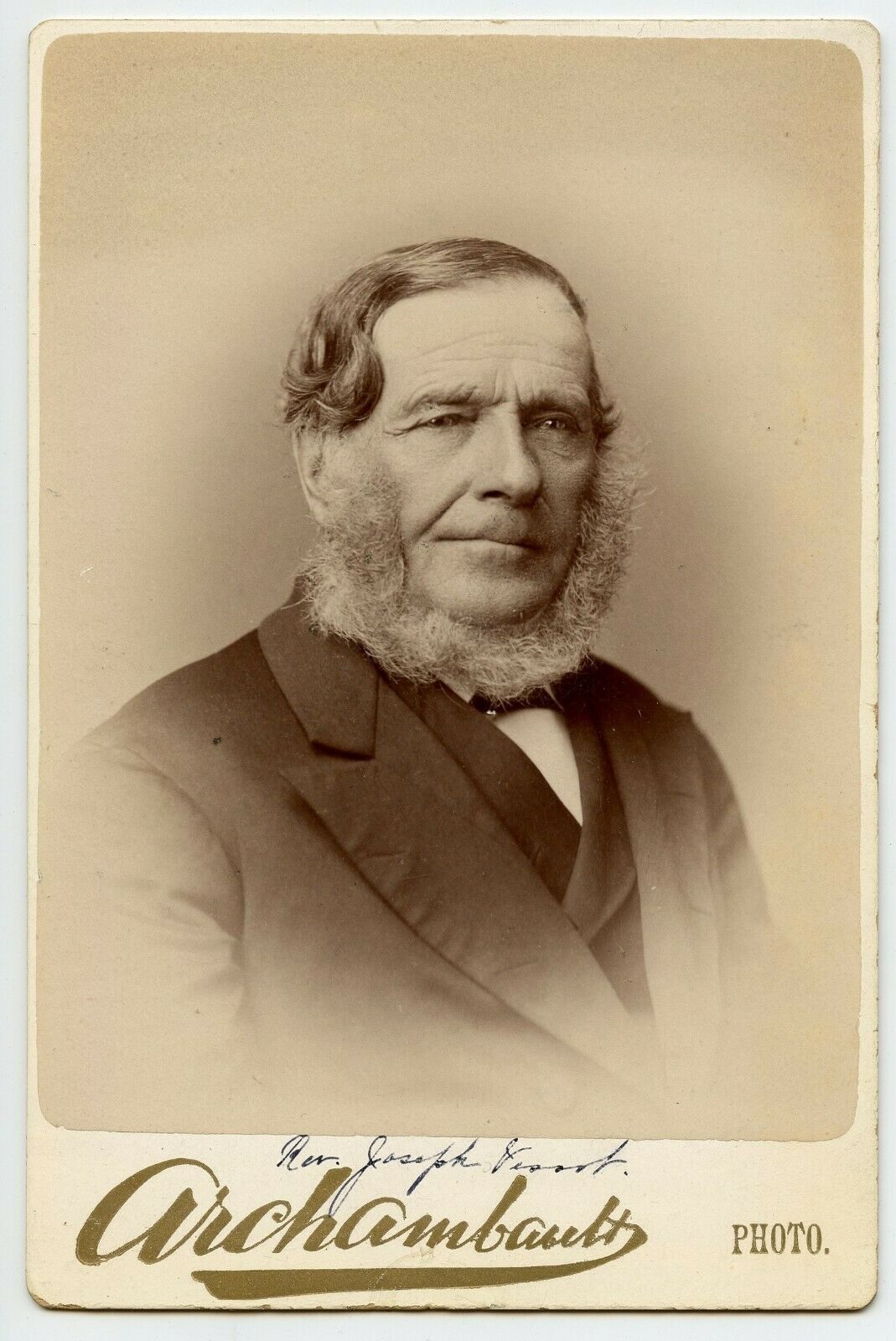
1880–1905: Joliette in old pictures
One old photograph of the town, then the oldest views of 2 of its historic places, set out by date. Pick a dot to see the year; pick a picture to see it large.
1875190019251950Confederation to 1900Boom yearsThe wars and betweenAfter the war
Public domain or CC0, made before 1950, from Wikimedia Commons; old views of places can be drawings, prints or maps of their time. Each credit opens the image’s page.
How it began
Joliette through its dates, from 1864
Joliette takes its name from Barthélemy Joliette, canadian politician. Rail service is on record from 1901, when Joliette railway station opened. In Wikidata’s entry, the municipality of Joliette dates from January 1, 1864; that can mean a founding, a charter or a merger.
Citations the municipality has made, registered with Québec’s ministry of culture. They date from 1880 (Évêché de Joliette) to 1887. Each one opens its own page.
26% of Joliette’s homes are older than 1961, against a usual 18%
Homes built from 2016 to 2021 make up 6.5% of Joliette’s, above the typical 4.1%. The busiest building years in Joliette were from 1961 to 1980, which account for 29% of today’s homes. Half of the homes standing in Joliette today were built before 1981.
26%
Before 1961
29%
1961–80
22%
1981–2000
16%
2001–15
6.5%
2016–21
JolietteTypical town
2021 Census, private dwellings by period of construction (Statistics Canada); the typical town is the middle Canadian town of 2,500 or more.
Born here
1845 to 1912: the people Joliette gave its past
At 92, Maurice Breton outlived the rest, dying in 2001. The decades after Confederation gave 8 of the 11. 11 people on the record were born here before 1914. By Wikipedia’s reach, Antonio Barrette leads, with 7 articles.
Charles Bazinet
Louis Basinet
Odilon Desmarais
Louis Rivet
Maurice Tellier
Lucien Dugas
Lucien Thériault
Antonio Barrette
Maurice Breton
Lucien Laurin
Sœur Berthe
1800182518501875190019251950
Antonio Barrette1899–1968 · Canadian politician
Louis Rivet1873–1951 · Canadian politician
MB
Maurice Breton1909–2001 · Canadian politician
Charles Bazinet1845–1916 · Canadian politician
Odilon Desmarais1854–1904 · Canadian politician
MT
Maurice Tellier1896–1966 · Canadian politician
LD
Lucien Dugas1897–1985 · Canadian politician
Louis Basinet1846–1918 · Canadian politician
Everyone born in Joliette → Born before 1914 (the page’s periods: Confederation to the First World War). Birthplaces from Wikidata, each checked against the person’s Wikipedia article.
Towns its size
Joliette has the 1st most of 16 towns its size
Towns of 22,200 to 22,600 residents, by places on the registers.
Counted by age, 26% of Joliette’s homes predate 1961, against 18% in the typical town. There are 4 historic places in all, one with the highest designation; Joliette Court House heads them. No town its size has more historic places: it leads the 16 nearest in population. Of its people of the past, the best known are Antonio Barrette (1899), Louis Rivet (1873) and Maurice Breton (1909). The other figures are unremarkable: its places were designated between 1981 and 1999.
How to read these numbers
What this data can and can’t tell you
•
Map points. Pins for federal places come from Wikidata rather than Parks Canada, which gives no points.
•
The tiers. The highest designations are National Historic Sites, Classified Federal Heritage Buildings and Québec’s classements; then come the other federal designations; then provincial and local listings.
•
Protection. A place classified or cited under Québec’s law is protected; National Historic Site status alone protects only what the federal government owns.
•
People and events. National historic persons carry no place in the open file. They appear on a town’s page when born there (same name, same birth and death years) or when a historic place inside it carries their name and its record names them with their dates; national historic events don’t appear.
•
The grade. This page gives no grade; history doesn’t count toward a Canadian town’s letter.
•
Québec’s register. Québec’s Répertoire du patrimoine culturel records the province’s classements and declarations and every municipal citation, each with a description and a point.
•
The federal register. The federal list is complete and open: Parks Canada’s directory for the designations, the Canadian Register of Historic Places for what each one is and why it matters.
Questions about Joliette’s history
Which places in Joliette have the highest designation?
It is Joliette Court House.
What is the oldest building in Joliette?
Joliette Court House — its record dates it to 1860 (National Historic Site).
How old are the homes in Joliette?
26% of its homes were built before 1961, against 18% in the typical Canadian town.
Contains information licensed under the Open Government Licence – Canada (Parks Canada). Québec register data: Ministère de la Culture et des Communications du Québec, CC BY 4.0.
Sources: Parks Canada, Directory of Federal Heritage Designations · Canadian Register of Historic Places (federal extract) · Répertoire du patrimoine culturel du Québec (MCC, Données Québec) · Wikidata (CC0) for map points, other names and articles · Statistics Canada, 2021 Census (homes by period of construction). Under the Statistics Canada Open Licence.


 1880
 c. 1886
 1905
 Top
 Fed
 Local
 Local


