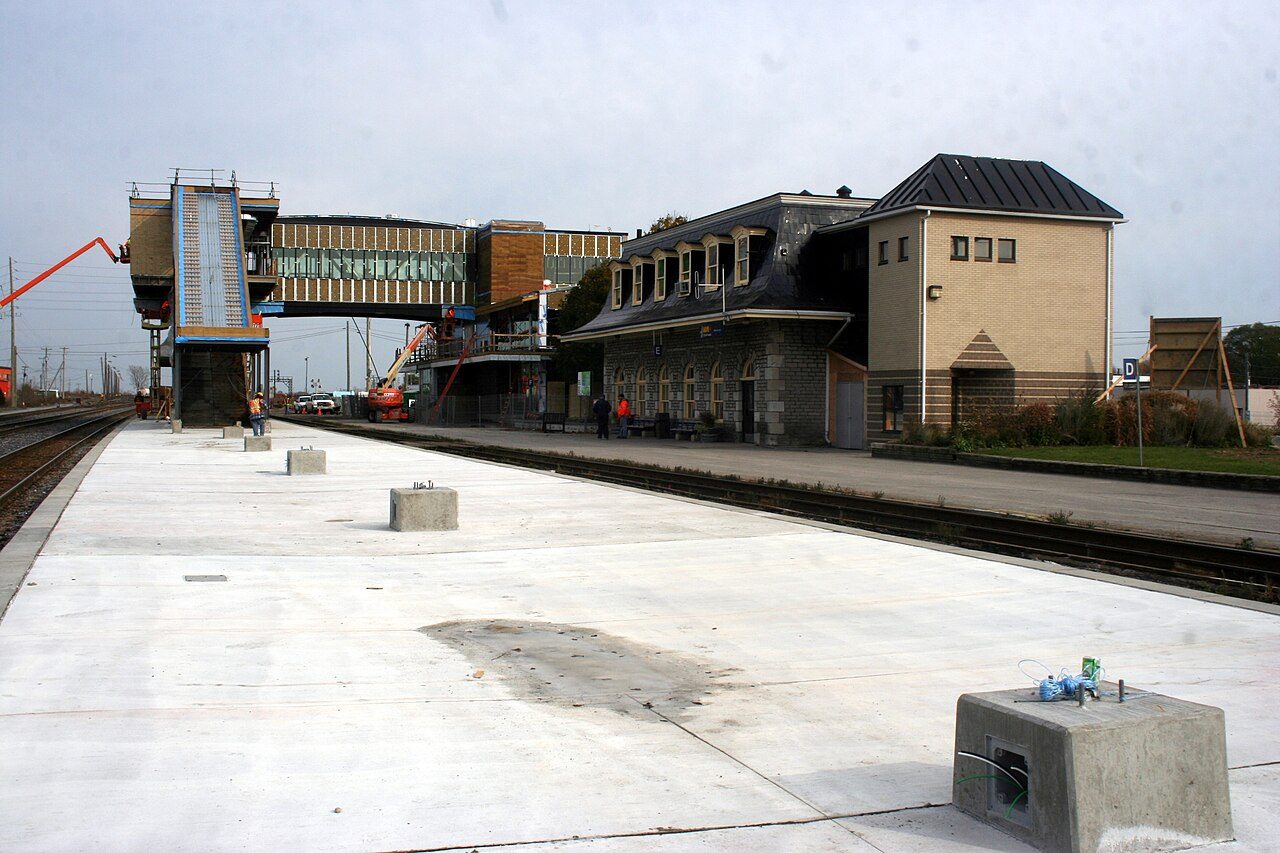
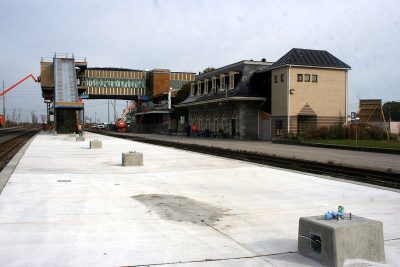
Belleville Railway Station (Grand Trunk) · Photo: Robert Taylor from Stirling, ON, Canada · CC BY 2.0
4historic places on the registers
History of Belleville · Canada’s heritage registers
The registers list 4 historic places in Belleville, 2 at the top
Belleville has kept more old homes than most towns: 33% were built before 1961, against 18%. The earliest construction date, 1856, belongs to Belleville Railway Station (Grand Trunk). Measured against its size, Belleville’s 0.6 per 10,000 residents puts it ahead of 76% of Canadian towns. Counted by designation, there are 2 Recognized Federal Heritage Buildings.
3 photos of Belleville’s landmarks, and 15 from before 1950
Of the places on Belleville’s registers, 3 have a photo here. For 3 of Belleville’s places, old views sit on the place’s own page. Up first are Belleville Railway Station (Grand Trunk) and Glanmore / Phillips-Faulkner House.
Photos from Wikimedia Commons, each credited to its photographer with its licence; names open the place’s page. Tap a photo to step through them full screen.
Through time
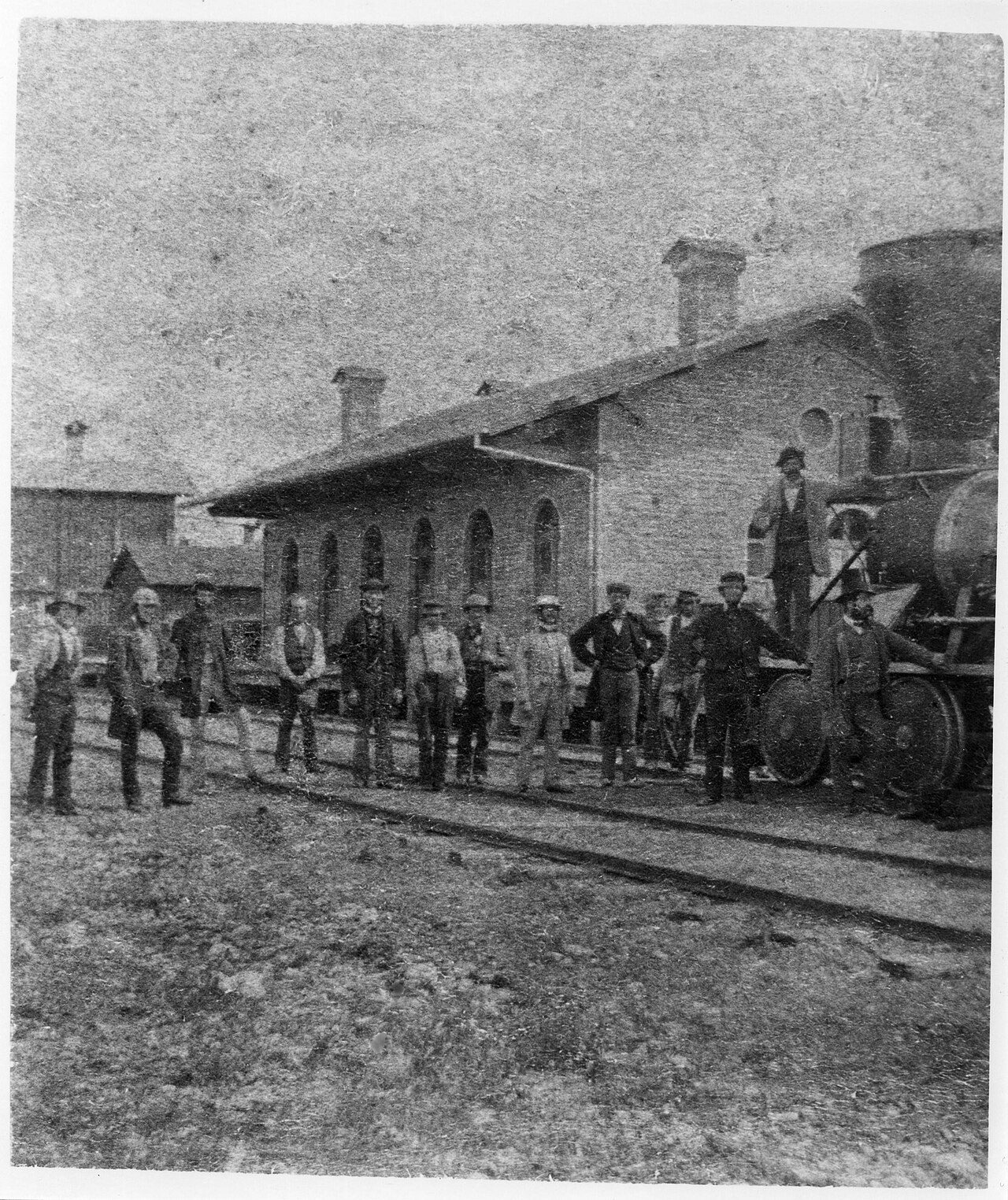
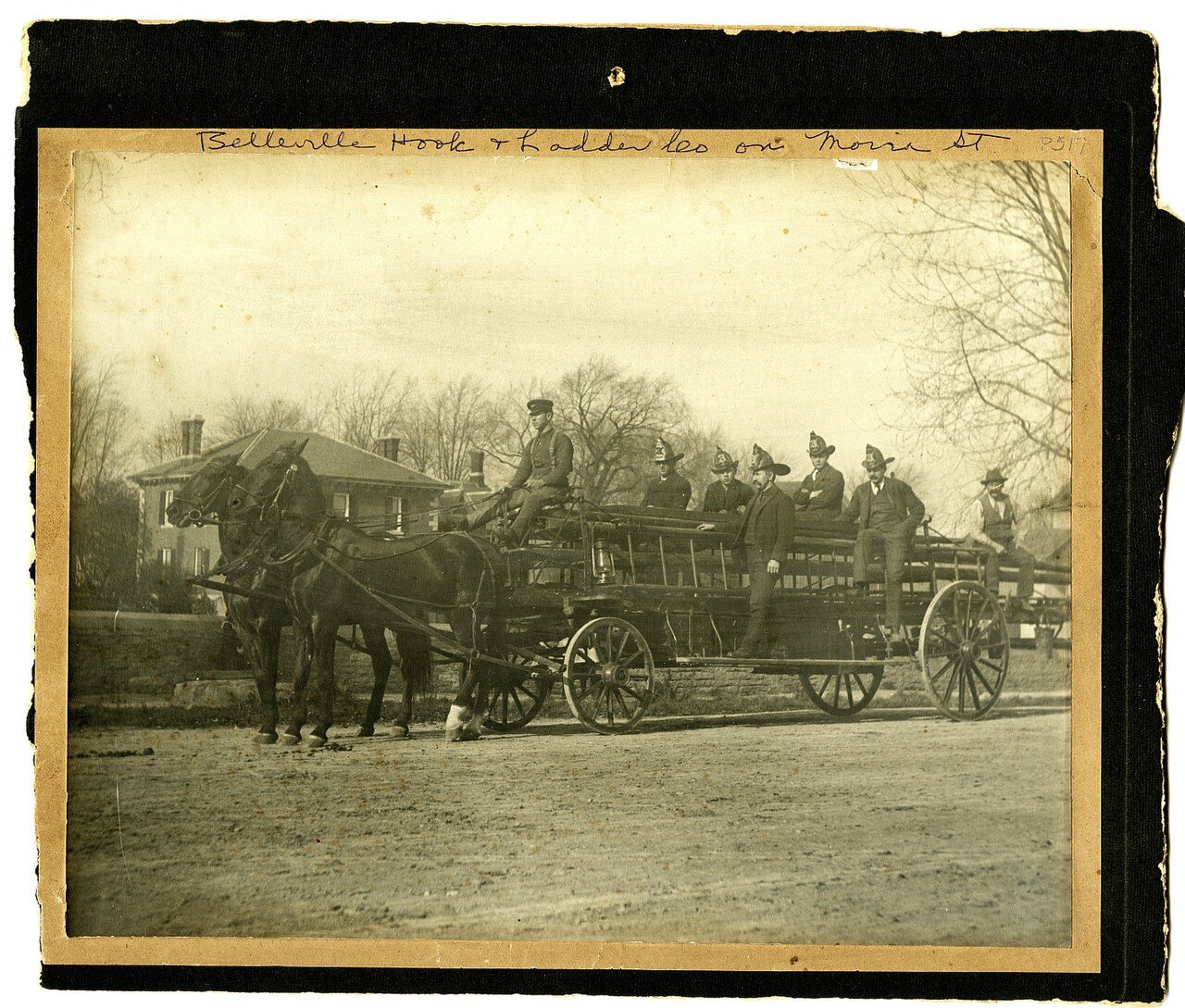
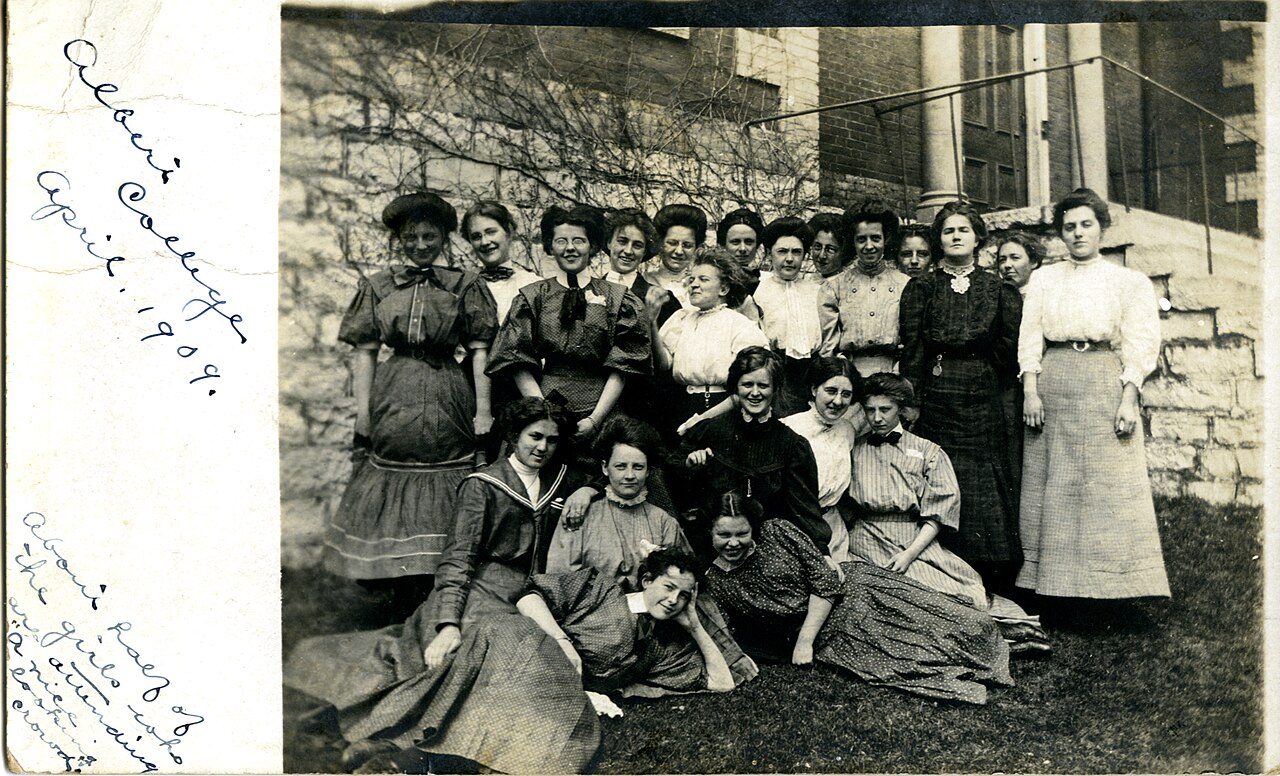
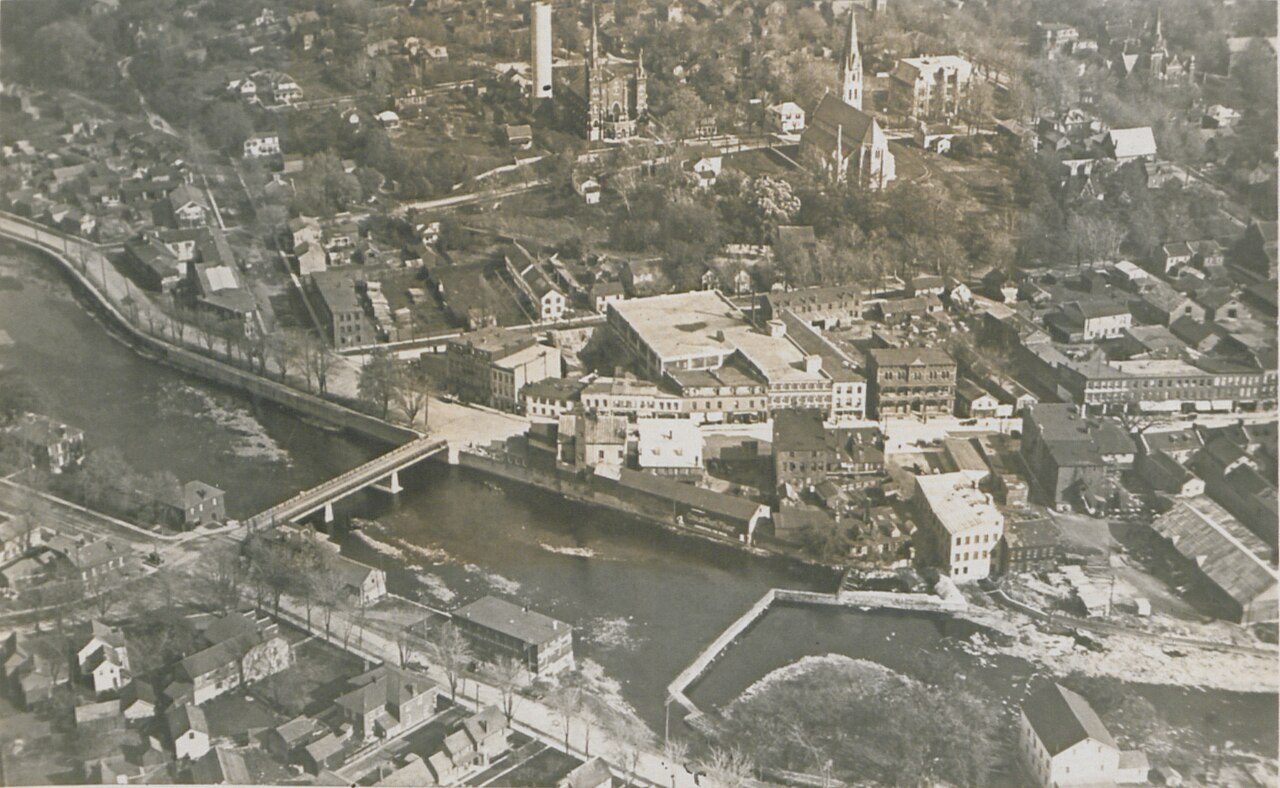
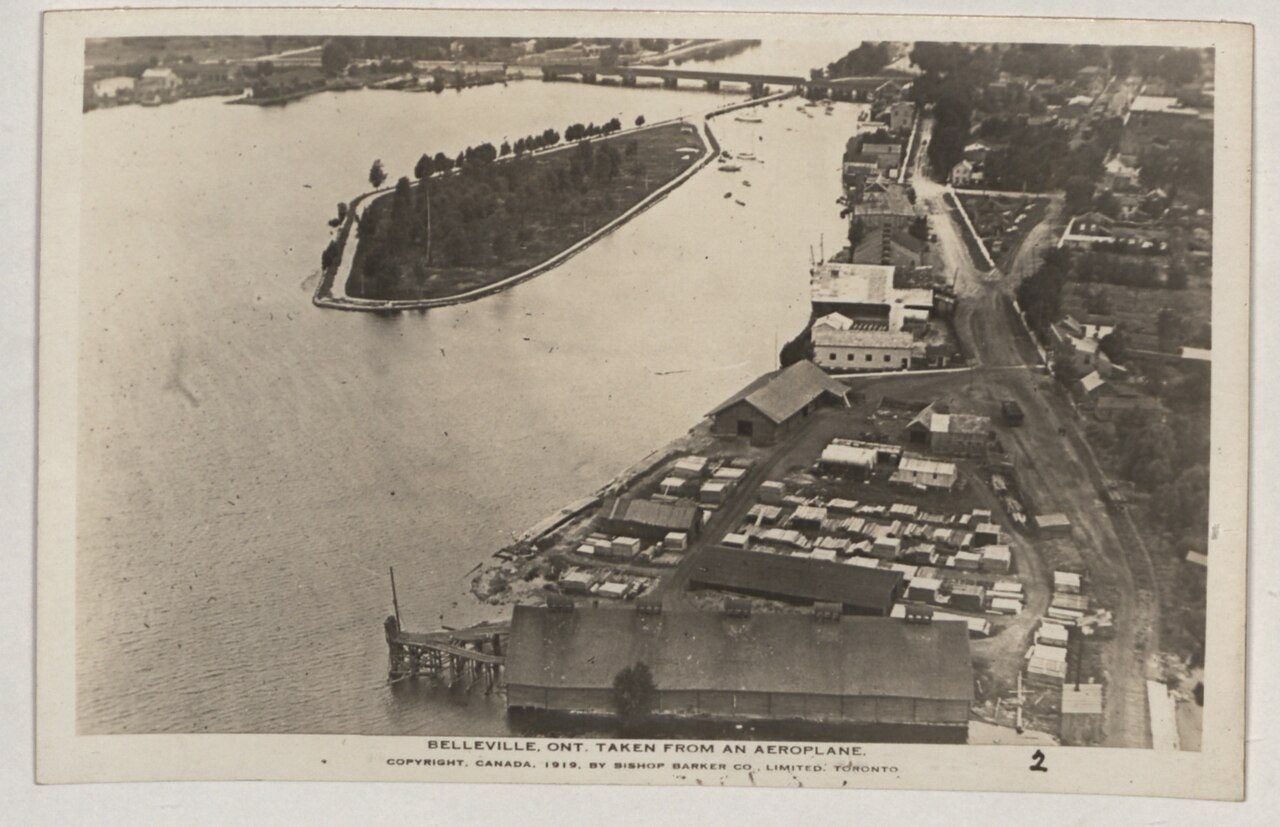
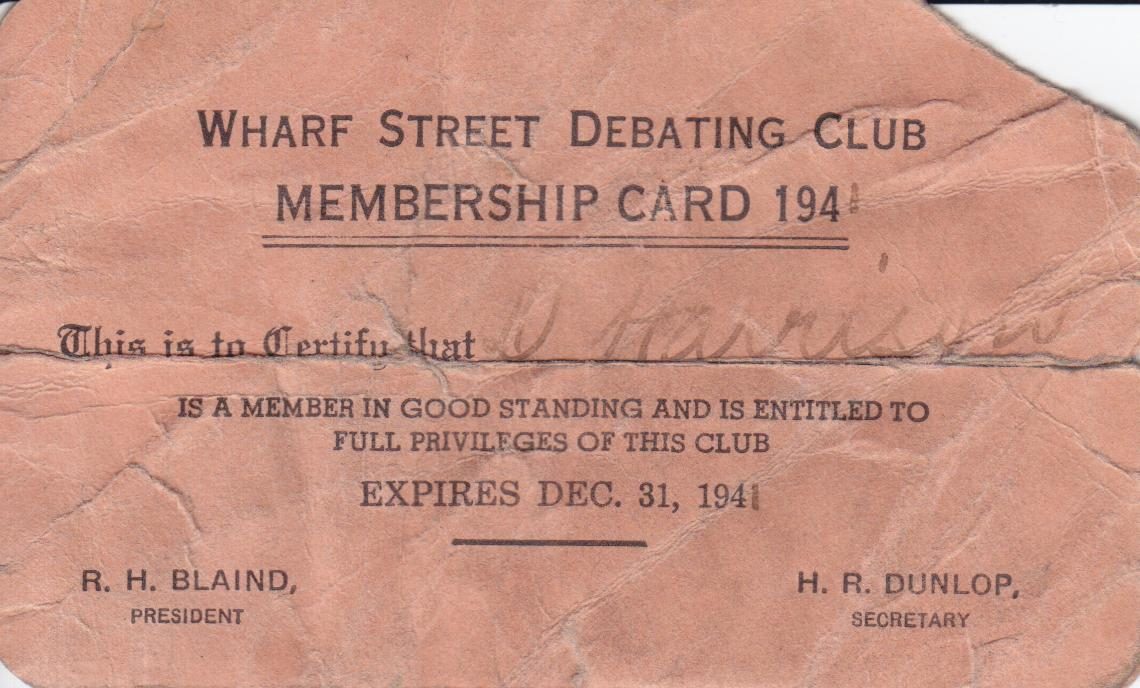
Belleville through the years, 1866–1941
12 old photographs of the town, then the oldest views of 3 of its historic places, set out by date. Tap any picture to see it full screen.
1875190019251950Before ConfederationConfederation to 1900Boom yearsThe wars and betweenAfter the war
Public domain or CC0, made before 1950, from Wikimedia Commons; old views of places can be drawings, prints or maps of their time. Each credit opens the image’s page.
How it began
Belleville through its dates, from 1789
Belleville took its legal form as a town in 1850. In Wikidata’s entry, the municipality of Belleville dates from 1789; that can mean a founding, a charter or a merger.
Every place on the registers inside the town, by its designation.
Highest designationsOther federal designations
Names show on hover, and a tap takes you to the place’s page.
The 4, by tier
2 Highest designations2 Other federal designations
Federal designations come from Parks Canada’s directory; a province’s or a council’s own listing shows here only when Wikidata holds it and an encyclopedia covers it.
Points from Wikidata (Parks Canada’s files carry none) and from Québec’s register, as mapped there. One place, placed by its register’s municipality, has no point and isn’t on the map.
Highest designations
2 places in Belleville with the highest designation
The oldest, Belleville Railway Station (Grand Trunk), dates from 1856; the newest from 1882. National Historic Sites and Classified Federal Heritage Buildings, Canada’s highest federal recognition. They were designated between 1969 and 1973. Each one opens its own page.
Their designations span 1992 to 2001. Recognized Federal Heritage Buildings, heritage railway stations and lighthouses. The oldest, Armoury, dates from 1907; the newest from 1956. Each one opens its own page.
New homes stand out in Belleville: 7.1% from 2016–21, where most towns have 4.1%
Belleville built little from 1981 to 2000: 17% of its homes, where most towns have 23%. Half of the homes standing in Belleville today were built before 1981. Homes built from 1961 to 1980 make up 31% of Belleville’s, about the typical 27%.
33%
Before 1961
31%
1961–80
17%
1981–2000
12%
2001–15
7.1%
2016–21
BellevilleTypical town
2021 Census, private dwellings by period of construction (Statistics Canada); the typical town is the middle Canadian town of 2,500 or more.
Born here
Lives begun in Belleville between 1816 and 1911
The widest known is Herbert Henry Dow: 17 Wikipedia editions. Wikidata and Wikipedia agree on 34 births here before 1914. Of the 34, 24 were born in the decades after Confederation. Frederick Robertson lived longest, to 93, dying in 2002. Only the 20 best known fit the timeline.
Lewis Wallbridge
James Frederick Lister
Henry Corby, Jr.
Marie Joussaye
Louis Curtiss
Herbert Henry Dow
Dan Bain
Ida Hawley
Dickie Boon
Bruce Shorts
Jack Laviolette
Charles Edward Hanna
Ellis Vair Reid
Manly MacDonald
James Bertram Collip
Monica Shannon
Wilfred Leigh Brintnell
Billy Boyd
Lee Grills
Frederick Robertson
1800182518501875190019251950
HD
Herbert Henry Dow1866–1930 · Canadian American chemical industrialist
James Bertram Collip1892–1965 · Canadian biochemist, part of group that isolated insulin
Dan Bain1874–1962 · Canadian ice hockey player
Jack Laviolette1879–1960 · Canadian ice hockey player
Dickie Boon1878–1961 · Canadian ice hockey defenceman
Billy Boyd1898–1940 · Canadian ice hockey player
IH
Ida Hawley1876–1908 · Canadian actress and singer
Lewis Wallbridge1816–1887 · Canadian judge
Everyone born in Belleville → Born before 1914 (the page’s periods: Confederation to the First World War). Birthplaces from Wikidata, each checked against the person’s Wikipedia article.
Towns its size
Belleville has the 3rd most of 16 towns its size
Towns of 56,900 to 68,700 residents, by places on the registers.
In Belleville, 33% of homes were built before 1961, against 18% in the typical town. The count is 4 historic places, 2 with the highest designation. Only 2 of the 16 towns nearest its size have more historic places. Of its people of the past, the best known are Herbert Henry Dow (1866), James Bertram Collip (1892) and Dan Bain (1874). The other figures are unremarkable: the designations ran from 1969 to 2001.
How to read these numbers
What this data can and can’t tell you
•
People and events. Persons of national historic significance come with no location; a town gets one only by birthplace (name and both life years agreeing) or by one of its own places that bears the name and whose record tells the story. Events, which can’t be tied, are left out.
•
Protection. A National Historic Site designation recognises significance; it doesn’t by itself protect a building the federal government doesn’t own. Legal protection comes from provincial and municipal designations, whose own registers aren’t open data outside Québec.
•
The federal register. Federal places come from Parks Canada’s directory, which counts National Historic Sites, federal heritage buildings, stations and lighthouses; their statements are the register’s own.
•
Provincial and municipal lists. The local and provincial lists outside Québec aren’t published openly, so this page counts what Wikidata records and pages only the places an encyclopedia describes.
•
The tiers. The highest designations are National Historic Sites, Classified Federal Heritage Buildings and Québec’s classements; then come the other federal designations; then provincial and local listings.
•
Map points. Pins for federal places come from Wikidata rather than Parks Canada, which gives no points.
•
The grade. This page gives no grade; history doesn’t count toward a Canadian town’s letter.
Questions about Belleville’s history
How old are the homes in Belleville?
33% predate 1961, where the typical town has 18%.
Which places in Belleville have the highest designation?
These: Belleville Railway Station (Grand Trunk) and Glanmore / Phillips-Faulkner House.
What is the oldest building in Belleville?
Belleville Railway Station (Grand Trunk) — its record dates it to 1856 (National Historic Site).
Why might a heritage building in Belleville be missing here?
Provincial and municipal registers outside Québec aren’t open data. Wikidata knows one more listing in Belleville, but without an open description or an encyclopedia article it gets no page.
Contains information licensed under the Open Government Licence – Canada (Parks Canada).
Sources: Parks Canada, Directory of Federal Heritage Designations · Canadian Register of Historic Places (federal extract) · Wikidata (CC0) for map points, other names and articles · Statistics Canada, 2021 Census (homes by period of construction). Under the Statistics Canada Open Licence.


 c. 1866
 c. 1876
 1880s
 1906
 c. 1907
 c. 1909
 c. 1909
 c. 1910
 c. 1910
 1915
 c. 1919
 c. 1919
 c. 1919
 c. 1940
 c. 1941
 Top
 Top
 Fed


