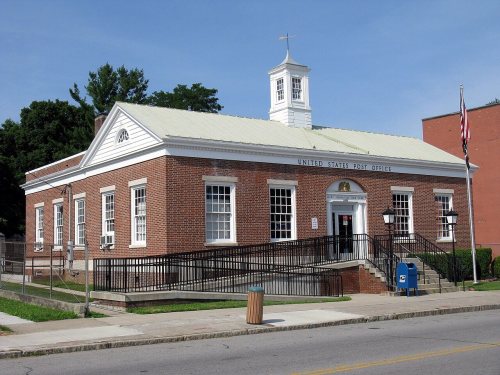
St. Johnsville dates to 1725, and 57% of its homes were built before 1940
Among the most historic 1% of U.S. towns · #2 of 758 in New York. What drives it
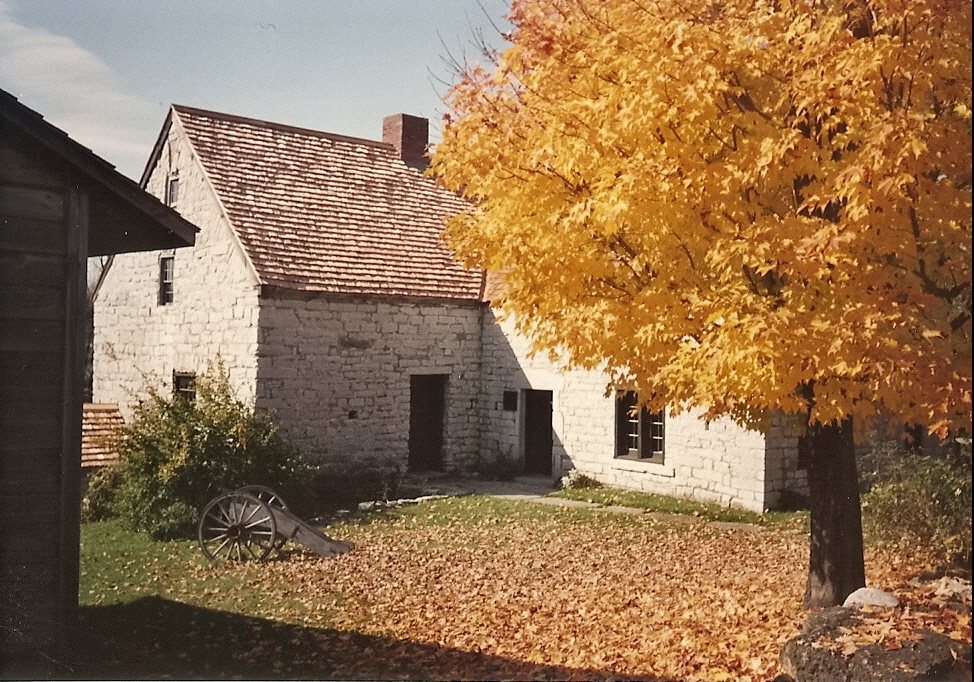
8 places in town are on the National Register, among them the Fort Klock, a National Historic Landmark, and a historic district with 660 buildings. Below: maps from 1901 on and the census since 1840.
Founding year: Wikipedia. First post office: 1818.The full story ↓
History grade
What drives St. Johnsville’s History grade
On its age, its old homes and the National Register, St. Johnsville is among the most historic 1% of U.S. towns, #2 of 758 in New York. All 3 inputs put St. Johnsville near the top nationally; its share of homes from before 1940 ranks highest.
A+
HistoryA character grade: shown, never part of St. Johnsville’s overall grade.
New York towns list more on the Register than most of the country (a typical New York town has 12.3 per 10,000 residents, the U.S. 2.4), so St. Johnsville’s 2,602 sits above most of its state (99% of New York towns have fewer) while its 672 historic buildings outnumber those of 98% of U.S. towns.
NoteThe founding year comes from Wikipedia alone; no second source gives 1725.
How sure. Graded on any two of the three inputs instead, the letter would still be A+. The pre-1940 share is a Census survey estimate (±6.8 points).
Founding year: Wikipedia (other dates in Quick answers). Homes: Census ACS 2020–24. National Register: National Park Service, May 2026 list; each listing counted once (boundary changes and added documentation belong to their listing), and a historic district counts its contributing buildings. How TownRatings grades history →
What stands out about St. Johnsville’s past
Read from the archive, the National Register and the record. The page puts what stands out first.
The town was first settled around 1725. The territory was part of the Palatine District. In 1769, Sir William Johnson built a church in the town for the benefit of his Indian allies.
Accounts vary as to the source of the name "St. Johnsville", but most of them state that the town and its village are named after an early surveyor and commissioner, Alexander St. John. Still others credit the naming of St. Johnsville to a former name for the area, St. John's Church.
A brief skirmish was fought in the town in 1780 near Fort Klock, a fortified house.
The town of St. Johnsville was formed in 1838 from the town of Oppenheim, which then became part of the newly created Fulton County.
of the 115th regiment, in June, 1865. he was transferred to the 47th New York Veteran regiment, and was among the last of the volunteer troops to be mustered out of service, receiving his final discharge at Hart's Island. Returning home he resumed farming for a couple of years and then engaged in the drug business in St. Johnsville, which he conducted until 1880, whenhe sold out and accepted a position as cashier in the freight department of the N. Y. C. & H. R. R. R. at Schenectady, resigning this position in the winter of 1883 to accept one as assistant paymaster with the North River Construction Company, engaged in building the West Shore railroad. On completion of the
Text read by machine from the scan; it may contain errors.
Scans and text from the Internet Archive. Books published in 1930 or earlier, which are in the public domain.
Timeline
St. Johnsville, 1725 to 1972
Woven from the archive, old maps, post office records, the National Register and the people born here.
Every edition of the U.S. Geological Survey’s map of St. Johnsville. Tap a year, or press play to watch the town change.
1901Lassellsville sheet · 1:62,500
U.S. Geological Survey historical topographic maps (public domain), via Esri’s collection of the scans. The red ring marks the center of St. Johnsville.
People over time
St. Johnsville, census by census
Between 1,627 and 3,369 people in every census since 1840.
19 censuses, 1840–2020.
U.S. Census Bureau decennial counts, from the census table on St. Johnsville’s Wikipedia page.
Famous people
2 famous people were born in St. Johnsville
Writers, athletes, leaders and more, ranked by how widely they’re known.
In 1725, according to Wikipedia’s history of the town. St. Johnsville’s post office opened in 1818, and the census of 1840 counted 1,923 people here.
How does St. Johnsville rank for history?
St. Johnsville is among the most historic 1% of U.S. towns, #2 of 758 in New York. The History grade combines the town’s founding era, the share of homes built before 1940 and its National Register listings. It’s a character grade, so it isn’t part of the overall grade. How it works.
What is on the National Register in St. Johnsville?
8 listings: 7 buildings, among them the Fort Klock (a National Historic Landmark since 1972), and 1 historic district, the St. Johnsville Historic District, with 660 contributing buildings. 672 historic buildings in all.
How old are the homes in St. Johnsville?
57% of St. Johnsville’s homes were built before 1940 (Census estimate, ±6.8 points), against a typical 27% for a New York town; the median home was built in 1938.
Founding dates: Wikidata, Wikipedia, the U.S. post office records of Blevins & Helbock (CC0) and the Census. Homes by year built: Census ACS 2020–24. National Register of Historic Places: National Park Service (list of May 22, 2026). Old photos, postcards and papers: Wikimedia Commons, the Library of Congress and other public archives, credited on each item’s page. Maps: U.S. Geological Survey historical topographic maps (via Esri) and Sanborn fire-insurance maps (Library of Congress). History text and census tables: Wikipedia (CC BY-SA 4.0). Places that used to be: USGS Geographic Names Information System (2021).
From Wikidata (1), the National Register of Historic Places (8), Wikipedia, Wikidata and Wikipedia for famous people, U.S. Geological Survey historical maps, U.S. Census counts (via Wikipedia), the US Post Offices dataset (Blevins & Helbock), the USGS Geographic Names Information System and old county and town histories (Internet Archive). Archive images are copied here with their credits and licenses, shown on each photo’s page. Refreshed monthly.

 ★ Landmark