Hyde Park’s post office opened in 1812, and 25 of its places are on the National Register
More historic than 82% of U.S. towns · #397 of 758 in New York. What drives it
Most of Hyde Park was built recently: 10% of its homes predate 1940 and the median home dates from 1971. 25 places in town are on the National Register, among them the Top Cottage, a National Historic Landmark, and six historic districts with 302 buildings between them. Below: 27 old photos and papers, maps from 1898 on, and the census since 1830.
The Hyde Park post office opened in 1812, the earliest record of the town by name. Four smaller post offices, Crum Elbow (1839), East Park (1874) and Campton (1897), opened inside today’s town and later closed.
First census: 2,554 in 18302020 census: 21,021214 years
How historic is Hyde Park?
A−
More historic than 82% of U.S. towns, on its age, its old homes and the National Register.
Founding year: the first Hyde Park post office (Blevins & Helbock, CC0).The full story ↓
History grade
What drives Hyde Park’s History grade
On its age, its old homes and the National Register, Hyde Park is more historic than 82% of U.S. towns, #397 of 758 in New York. Its National Register listings hold the grade up; its share of homes from before 1940 pulls it down.
A−
HistoryA character grade: shown, never part of Hyde Park’s overall grade.
New York towns list more on the Register than most of the country (a typical New York town has 12.3 per 10,000 residents, the U.S. 2.4), so Hyde Park’s 155 sits above most of its state (80% of New York towns have fewer) while its 330 historic buildings outnumber those of 96% of U.S. towns.
How sure. Graded on any two of the three inputs instead, the letter would range from B to A. The pre-1940 share (±2.4 points) is firm at this size. The founding year is the first post office, not a stated founding date.
Founding year: the first post office (other dates in Quick answers). Homes: Census ACS 2020–24. National Register: National Park Service, May 2026 list; each listing counted once (boundary changes and added documentation belong to their listing), and a historic district counts its contributing buildings. How TownRatings grades history →
What stands out about Hyde Park’s past
Read from the archive, the National Register and the record. The page puts what stands out first.
Nothing in the archives for these yearsWeddings on Main Street, storms, parades, school pictures, the old store. If it’s in your family album, it belongs here.
Settlement of the region by Europeans officially began around 1742 but may have begun as early as 1710.
The name of the area was changed to "Hyde Park" around 1810. Previously, it was part of the Fauconnier Patent and was named "Stoutenburgh", after the town's first settler, Jacobus Stoughtenburg. Part of the town was from the Great Nine Partners Patent of 1697.
Passages that mention Hyde Park, cut from the printed page as they were published.
Hyde Park, its history and romance1908 · page 11Read the page →
Read the text
Various classes are to be found in Hyde Park. For instance, the elite drive on summer afternoons from five to seven, when four or five rows of motors and carriages moving along at crawling pace is quite a common sight. The fashionable drive used to be from Hyde Park Corner to Knightsbridge Barracks, but every few years fashions change, and during the last two seasons far more carriages were
Text read by machine from the scan; it may contain errors.
Hyde Park, its history and romance1908 · page 6Read the page →
Read the text
From Albion Street, westwards and northwards, there were open market gardens. Hyde Park Gardens and Square, Oxford and Cambridge Squares, Gloucester and Sussex Squares were just beginning to emerge, and I have played cricket on the site of Westbourne Terrace. At that time a long brick wall ran along the north side of Hyde Park and Kensington Gardens beside the Bayswater
Text read by machine from the scan; it may contain errors.
Scans and text from the Internet Archive. Books published in 1930 or earlier, which are in the public domain.
Timeline
Hyde Park, 1802 to 1956
Woven from the archive, old maps, post office records, the National Register and the people born here.
Lost post offices, old corners, places now gone and burying grounds
Hyde Park’s post office has been open since 1812. Four other post offices opened and closed inside today’s town.
Staatsburg
1802–today
Hyde Park
1812–today
Crum Elbow
1839–1903
East Park
1874–1903
Campton
1897–1903
Fallkill
1899–1903
18001910today
Hamlets and corners on the map
East ParkEast Park Mobile Home ParkGreen Meadows Mobile Home ParkHavilandHaviland Mobile Home ParkHidden Brook Estates Mobile Home ParkHyde Park Mobile ManorKensington Village Mobile Home ParkM And K Mobile Home ParkNorrie HeightsStaatsburgVal Kill Park East Mobile Home ParkValley Forge Mobile Home ParkVenture Lake Estates Mobile Home Park
Gone or out of use
Campton SchoolschoolFall Kill SchoolschoolHudson River Psychiatric CenterhospitalPleasant SchoolschoolRoute 9G Drive-Inlocale
6cemeteries and burying grounds inside Hyde Park
Crum ElbowFranklin Delano Roosevelt National Historic SiteHyde Park Dutch Reformed ChurchSaint James EpiscopalStoutenbergUnion
US Post Offices dataset (Blevins & Helbock, CC0). Places and cemeteries from the USGS Geographic Names Information System (2021).
Help out
Finish Hyde Park’s story
Most archives stop around 1920. The photos from after that are in family albums, not libraries.
Decades since 1900 with photos
00s10s20s30s40s50s60s70s80s90s
1 of 10 decades. The empty ones are waiting for someone’s album.
The Hyde Park post office opened in 1812, the earliest record of the town by name (U.S. post office records).
How does Hyde Park rank for history?
Hyde Park is more historic than 82% of U.S. towns, #397 of 758 in New York. The History grade combines the town’s founding era, the share of homes built before 1940 and its National Register listings. It’s a character grade, so it isn’t part of the overall grade. How it works.
What is on the National Register in Hyde Park?
25 listings: 19 buildings, among them the Top Cottage (a National Historic Landmark since 1997), and 6 historic districts with 302 contributing buildings. 330 historic buildings in all.
How old are the homes in Hyde Park?
10% of Hyde Park’s homes were built before 1940 (Census estimate, ±2.4 points), against a typical 27% for a New York town; the median home was built in 1971.
Founding dates: Wikidata, Wikipedia, the U.S. post office records of Blevins & Helbock (CC0) and the Census. Homes by year built: Census ACS 2020–24. National Register of Historic Places: National Park Service (list of May 22, 2026). Old photos, postcards and papers: Wikimedia Commons, the Library of Congress and other public archives, credited on each item’s page. Maps: U.S. Geological Survey historical topographic maps (via Esri) and Sanborn fire-insurance maps (Library of Congress). History text and census tables: Wikipedia (CC BY-SA 4.0). Places that used to be: USGS Geographic Names Information System (2021).
From Wikimedia Commons (27), Wikidata (2), the National Register of Historic Places (25), Wikipedia, Wikidata and Wikipedia for famous people, U.S. Geological Survey historical maps, U.S. Census counts (via Wikipedia), the US Post Offices dataset (Blevins & Helbock), the USGS Geographic Names Information System and old county and town histories (Internet Archive). Archive images are copied here with their credits and licenses, shown on each photo’s page. Refreshed monthly.

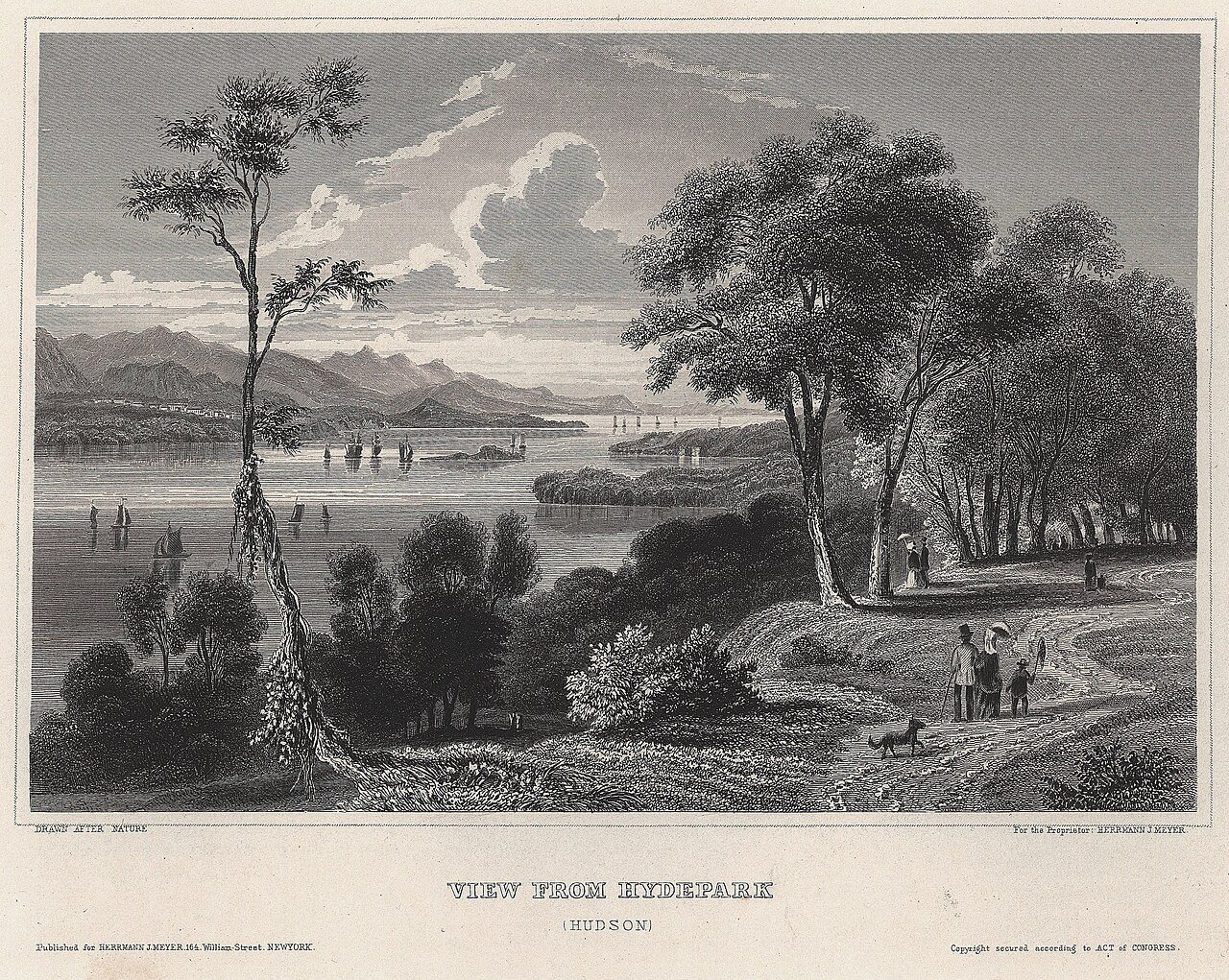


 ★ Landmark


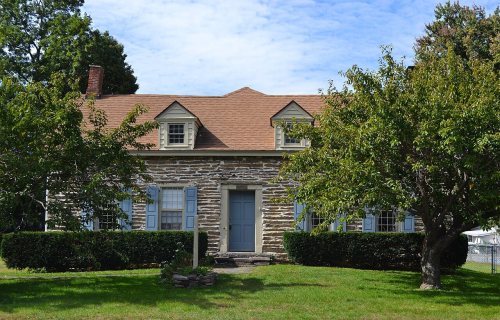
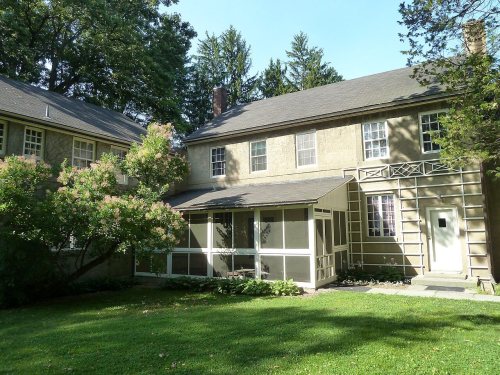


 1829
 c. 1850
 1854
 c. 1859
 1876
 1876
 1885
 1887
 1888
 1889
 1889
 1891
 1891
 1891
 1891
 1891
 1897
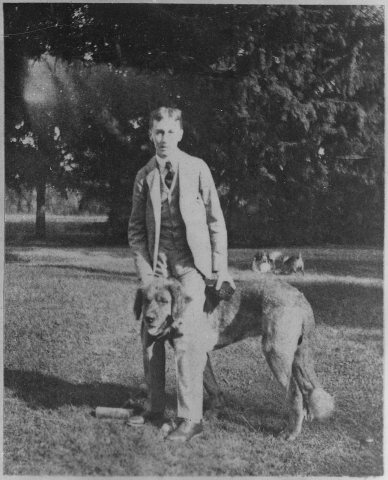 1898
 1898
 1898
 1898
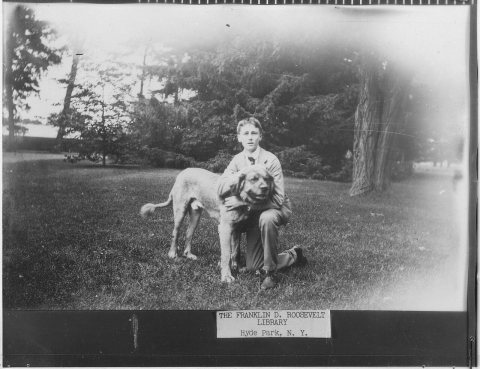 1898
 1898
 1899
 1900
 1900
 1900


