Esopus dates to 1811, and 24% of its homes were built before 1940
More historic than 86% of U.S. towns · #331 of 758 in New York. What drives it
10 places in town are on the National Register, among them 2 National Historic Landmarks and a historic district with 1 buildings. Below: 11 old photos and papers, maps from 1898 on, and the census since 1820.
Founding year: Wikipedia. First post office: 1828.The full story ↓
History grade
What drives Esopus’ History grade
On its age, its old homes and the National Register, Esopus is more historic than 86% of U.S. towns, #331 of 758 in New York. All 3 inputs are above most U.S. towns; its share of homes from before 1940 ranks highest and its National Register listings lowest.
A
HistoryA character grade: shown, never part of Esopus’ overall grade.
New York towns list more on the Register than most of the country (a typical New York town has 12.3 per 10,000 residents, the U.S. 2.4), so Esopus’ 22.0 sits near the middle of its state (57% of New York towns have fewer) while its 21 historic buildings outnumber those of 80% of U.S. towns.
How sure. Graded on any two of the three inputs instead, the letter would still be A−. The pre-1940 share is a Census survey estimate (±7.3 points). Two sources give 1811.
Founding year: Wikipedia (other dates in Quick answers). Homes: Census ACS 2020–24. National Register: National Park Service, May 2026 list; each listing counted once (boundary changes and added documentation belong to their listing), and a historic district counts its contributing buildings. How TownRatings grades history →
What stands out about Esopus’ past
Read from the archive, the National Register and the record. The page puts what stands out first.
Lost post offices, old corners, places now gone and burying grounds
Esopus’s post office has been open since 1828. Four other post offices opened and closed inside today’s town.
Esopus
1828–today
Amesville
1847–1865
Arnoldton
1850–1858
Port Ewen
1857–today
Rifton Glen
1861–1901
Ulster Park
1865–today
West Park
1884–today
Saint Remy
1888–1954
Connelly
1889–today
Rifton
1901–today
18201920today
Hamlets and corners on the map
ConnellyConnelly Village Mobile Home ParkDashvilleDutcher Mobile Home ParkNew SalemPort EwenRiftonSaint RemySleightsburgUlster ParkUnion CenterWest Park
Gone or out of use
Eddyville SchoolschoolEsppus District School Number 6schoolRock SchoolschoolSaint Remy SchoolschoolSchool Number 10school
3cemeteries and burying grounds inside Esopus
Ascension ChurchBeaverRiverview
US Post Offices dataset (Blevins & Helbock, CC0). Places and cemeteries from the USGS Geographic Names Information System (2021).
On the National Register
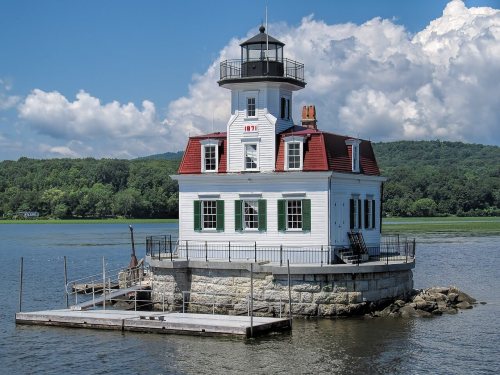
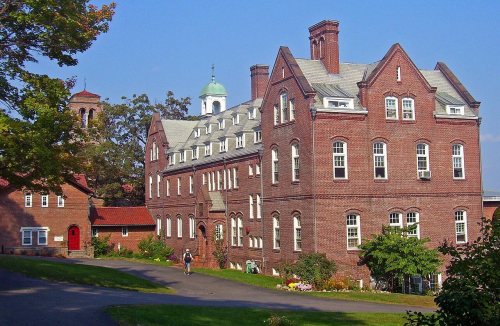
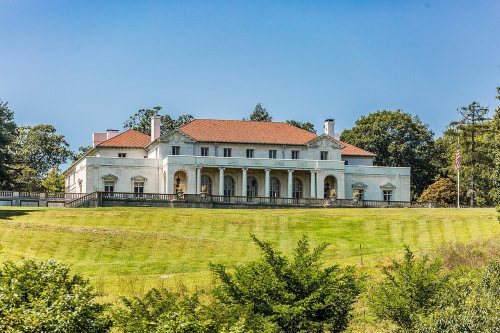
10 historic places in Esopus
The country’s official list of buildings and places worth saving. 2 are National Historic Landmarks, the highest tier. Boundary changes and added documentation are counted with their listing.
The town was founded in 1811 from territory taken from Kingston, New York, which also was called "Esopus" at one time. It was officially formed on April 5, 1811. In 1818, a part of it was set off to Kingston, and a portion of Hurley was annexed. On April 12, 1842, a portion of New Paltz was annexed, making up what is mostly present-day Esopus.
The first known European to settle in the area was a trapper by the name of Christoffel "Kit" Davits, who bartered with the Esopus people, a branch of the Lenape. Around 1652 or 1653 many settlers moved south from the Manor of Rensselaerswyck where they had worked the patroon's land.
Passages that mention Esopus, cut from the printed page as they were published.
History of Ulster County, New York, with illustrations and biographical sketches of its prominent men and pioneers1880Read the page →
Read the text
“Resolved, That there be assessed and levied upon the town a tax of S100 for the purpose of assisting in erecting an engine-house for Lafayette Fire Engine Company, No. 1, in South Rondout, in the said town of Esopus, — a. company formed and organized under the statute laws of tho State of New York in and for said town of Esopus.”
Text read by machine from the scan; it may contain errors.
History of Ulster County, New York, with illustrations and biographical sketches of its prominent men and pioneers1880Read the page →
Read the text
The territory now included in the town of Esopus was originally known as Cline Esopus, to distinguish it from the larger tract called Esopus, north and west of the llondout and the Wallkill. A few' families settled upon this tract before 1700. The records of deeds in the county clerk s ofiice and tbe general annals of Kingston give some clue to the names and location of these settlers. The southern portion of this town was a part of the New Faltz patent,
Text read by machine from the scan; it may contain errors.
The history of Ulster County, New York1907 · page 479Read the page →
Read the text
The Friends’ Church at Butterville, in the town of New Paltz, was established in 1807, and in 1812 Friends’ meetings were organized at Rosendale Plains in the present town of Rosendale, and at Esopus, and in 1813 the Friends’ churches at Rosendale Plains and Esopus were erected.
Text read by machine from the scan; it may contain errors.
The history of Ulster County, New York1907 · page 247Read the page →
Read the text
That portion of the original town of Hurley which was on the east side of the Wallkill, and the east side of the Rondout below the mouth of the Wallkill, is in the present town of Esopus. The road list for this section, dated March 28, 1781, gives the following names, which were probably all the male adults living there at that time: Johannis Hardenbergh, Timothy Telsey, John Winfield,
Text read by machine from the scan; it may contain errors.
Scans and text from the Internet Archive. Books published in 1930 or earlier, which are in the public domain.
Timeline
Esopus, 1755 to 1968
Woven from the archive, old maps, post office records, the National Register and the people born here.
Nothing in the archives for these yearsWeddings on Main Street, storms, parades, school pictures, the old store. If it’s in your family album, it belongs here.
In 1811, according to Wikipedia’s history of the town. Esopus’ post office opened in 1828, and the census of 1820 counted 1,513 people here.
How does Esopus rank for history?
Esopus is more historic than 86% of U.S. towns, #331 of 758 in New York. The History grade combines the town’s founding era, the share of homes built before 1940 and its National Register listings. It’s a character grade, so it isn’t part of the overall grade. How it works.
What is on the National Register in Esopus?
10 listings, 2 of them National Historic Landmarks: 7 buildings, among them the Slabsides (John Burroughs Cabin) (a National Historic Landmark since 1968), 1 historic district, the Colonel Oliver Hazard Payne Estate, with 1 contributing buildings, and 2 structures. 21 historic buildings in all.
How old are the homes in Esopus?
24% of Esopus’ homes were built before 1940 (Census estimate, ±7.3 points), against a typical 27% for a New York town; the median home was built in 1969.
Founding dates: Wikidata, Wikipedia, the U.S. post office records of Blevins & Helbock (CC0) and the Census. Homes by year built: Census ACS 2020–24. National Register of Historic Places: National Park Service (list of May 22, 2026). Old photos, postcards and papers: Wikimedia Commons, the Library of Congress and other public archives, credited on each item’s page. Maps: U.S. Geological Survey historical topographic maps (via Esri) and Sanborn fire-insurance maps (Library of Congress). History text and census tables: Wikipedia (CC BY-SA 4.0). Places that used to be: USGS Geographic Names Information System (2021).
From Wikimedia Commons (24), the Library of Congress (1), Wikidata (2), the National Register of Historic Places (10), Wikipedia, Wikidata and Wikipedia for famous people, U.S. Geological Survey historical maps, U.S. Census counts (via Wikipedia), the US Post Offices dataset (Blevins & Helbock), the USGS Geographic Names Information System and old county and town histories (Internet Archive). Archive images are copied here with their credits and licenses, shown on each photo’s page. Refreshed monthly.


 ★ Landmark





 c. 1760
 1875
 1875
 1904
 1906
 Date?
 2019
 2019
 2018
 2018
 2017
 2017
 2017
 2016
 2016
 2016
 2012
 2011
 2011
 2011