Guest, Sign inJoin

Post to St. Paul

We’ll email a one-tap link to publish your post. No password, and nothing is public until you click it.
Already a member? Sign in
A+History
History · St. Paul

St. Paul has 117 places on the National Register, 4 of them National Historic Landmarks

More historic than 98% of U.S. towns · #1 of 273 in Minnesota. What drives it

With 42% of its homes built before 1940 and 9 historic districts holding 1,686 contributing buildings. Below: 1 old photo or paper, maps from 1896 on, the census since 1850, and every listing on the Register.

1846first post office
117on the National Register
42%homes built before 1940
1old photo or paper
32famous people
From St. Paul’s archive · credits on each photo
Quick answers

How St. Paul began

When was St. Paul founded?

1846

The St. Paul post office opened in 1846, the earliest record of the town by name. Wikidata gives 1854. Four smaller post offices, Hamline (1880), Macalester (1886) and Saint Anthony Park (1886), opened inside today’s city and later closed.

First census: 1,112 in 18502020 census: 311,527180 years

How historic is St. Paul?

A+

More historic than 98% of U.S. towns, on its age, its old homes and the National Register.

What drives the grade ↓
Founding year: the first St. Paul post office (Blevins & Helbock, CC0). Wikidata: 1854.The full story ↓
History grade

What drives St. Paul’s History grade

On its age, its old homes and the National Register, St. Paul is more historic than 98% of U.S. towns, #1 of 273 in Minnesota. All 3 inputs are above most U.S. towns; its National Register listings ranks highest and its age lowest.

A+
HistoryA character grade: shown, never part of St. Paul’s overall grade.
All U.S. towns we grade (21,289)Ahead of 98%
NewerOlder
Minnesota towns of 2,500+ (273)#1 of 273

Among the 400 U.S. cities of 100,000 or more, St. Paul ranks #25 on History.

Minnesota towns list about as much on the Register as the country (a typical Minnesota town has 2.1 per 10,000 residents, the U.S. 2.4), so St. Paul’s 54.9 sits above most of its state (94% of Minnesota towns have fewer) while its 1,686 historic buildings outnumber those of 99% of U.S. towns.

How sure. Graded on any two of the three inputs instead, the letter would range from A to A+. The pre-1940 share (±1.0 points) is firm at this size. The founding year is the first post office, not a stated founding date; Wikidata gives 1854.

Founding year: the first post office (other dates in Quick answers). Homes: Census ACS 2020–24. National Register: National Park Service, May 2026 list; each listing counted once (boundary changes and added documentation belong to their listing), and a historic district counts its contributing buildings. How TownRatings grades history →

What stands out about St. Paul’s past

Read from the archive, the National Register and the record. The page puts what stands out first.

★ What stands out · On the National Register

117 listings protect 1,686 historic buildings

The country’s official list of buildings and places worth saving. 4 are National Historic Landmarks, the highest tier. Boundary changes and added documentation are counted with their listing.

places listed
117
National Historic Landmarks
4
Fort Snelling
historic buildings protected
1,686
each building in a district counts
first listed
1966
Fort Snelling
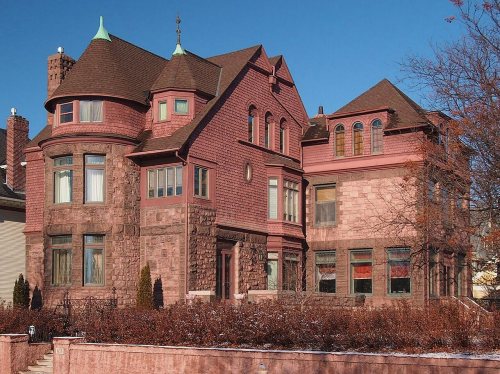
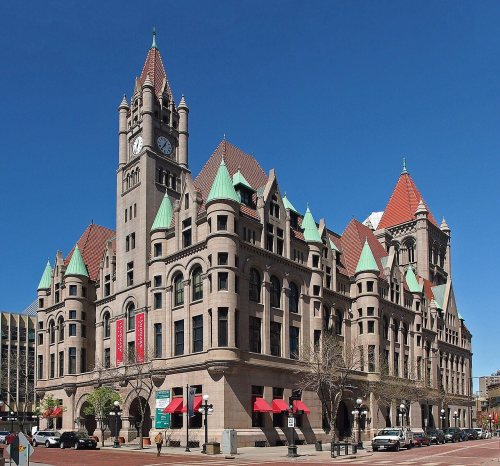
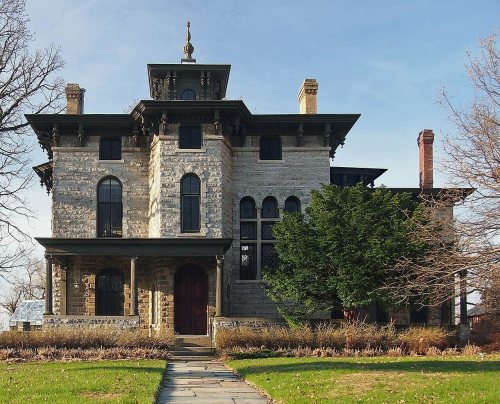
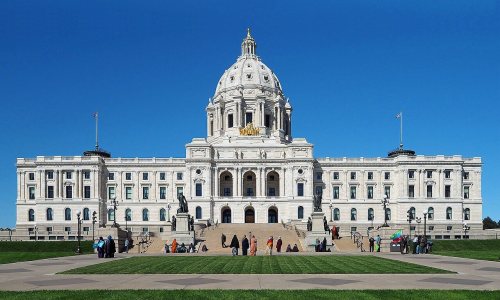
Old Federal Courts BuildingAlexander Ramsey House, built 1868Burbank-Livingston-Griggs HouseMinnesota State Capitol, built 1905Minnesota Historical Society BuildingIrvine Park Historic DistrictSt. Paul Cathedral-Catholic, built 1906Pioneer and Endicott Buildings, built 1889Como Park Conservatory, built 1873Horace Hills Irvine HouseSt. Paul Union DepotMerchants National Bank, built 1892Andrew R. McGill House, built 1888Church of the Assumption-Catholic, built 1874Assumption School, built 1864Ramsey, Justus, Stone House, built 1855Adolf Muench House, built 1885Benjamin Brunson House, built 1855David Luckert House, built 1855Muskego Church, built 1843Lauer Flats, built 1887St. Joseph's AcademyBlair FlatsSt. Paul Public/James J. Hill Reference LibraryHistoric Hill DistrictC.S.P.S. HallOld Main, Macalester CollegeDr. Ward Beebe HouseUniversity Hall-Old Main, Hamline University, built 1883Germania Bank BuildingAnn Charlotte and Jacob Hinkel House, built 1873Woodland Park DistrictTriune Masonic Temple, built 1910Church of St. Agnes-Catholic, built 1912Rochat-Louise-Sauerwein Block, built 1884Finch, Vanslyck and McConville Dry Goods Company BuildingMinnesota Boat Club Boathouse on Raspberry Island, built 1870St. Paul Women's City Club, built 1931Pierce and Walter Butler HouseJohn M. Armstrong House, built 1886Central Presbyterian ChurchSalvation Army Women's Home and HospitalSt. Paul City Hall and Ramsey County CourthouseLowertown Historic DistrictChurch of St. Bernard-Catholic, built 1905First Baptist Church of St. PaulKrank Manufacturing Company, built 1926Mickey's Diner, built 1939Church of St. Casimir-Catholic, built 1904Northern Pacific Railway Company Como Shops Historic District, built 1984Giesen-Hauser House, built 1891William and Catherine Davern Farm House, built 1862Arlington Hills Library, built 1916Riverview Branch Library, built 1916St. Anthony Park Branch Library, built 1916Charles W. Schneider House, built 1890Olaf Lee HouseVienna and Earl Apartment Buildings, built 1907Schornstein Grocery and SaloonSt. Matthew's School, built 1901Derham Hall and Our Lady of Victory Chapel, College of St. Catherine, built 1903United Church Seminary, built 1869Highland Park Tower, built 1928St. Paul, Minneapolis, & Manitoba Railway Company Shops Historic District, built 1882Manhattan Building, built 1890Anthony Yoerg Sr. House, built 1875St. Agatha's Conservatory of Music and Arts, built 1908Walsh Building, built 1888Bridges No. L-5853 and 92247, built 1904Mendota Road BridgeRobert Street Bridge, built 1926Seventh Street Improvement ArchesColorado Street Bridge, built 1888Fitzpatrick BuildingPilgrim Baptist ChurchHolman Field Administration BuildingHarriet Island PavilionCasiville Bullard HouseHamm Building, built 1915Brooks, Edward, Sr. and Markell, HouseSt. Paul Municipal Grain TerminalPayne Avenue State BankCommerce BuildingRiverside HangarMinnesota BuildingO'Donnell Shoe Company BuildingShubert, Sam S., Theatre and Shubert Building, built 1910Hamline Methodist Episcopal ChurchThompson, Charles, Memorial Hall, built 1916Euclid View FlatsIndian Mounds Park Mound Group3M Administration BuildingMinnesota Mutual Life Insurance Company BuildingSuperior Packing Company PlantOsborn BuildingDwight H. and Clara M. Watson House, built 1886Degree of Honor Protective Association Building, built 1961Amhoist Tower, built 1983Rau/Strong HouseFrederick Spangenberg HouseWest Summit Avenue Historic DistrictMinnesota Milk Company BuildingUnited States Post Office and Custom HouseSt. Paul, Minneapolis and Manitoba Railway Company Shops Historic District Boundary IncreaseSchmidt, Jacob, Brewing Company Historic DistrictNorwegian Evangelical Lutheran ChurchHope Engine Company No. 3United States Bedding CompanyWoodland Park Baptist ChurchHenry Hale Memorial Library, Hamline BranchFire Station No. 19Northern Federal BuildingSt. Joseph's Hospital Nurses HomeFort Snelling, built 1819★James J. Hill House★F. Scott Fitzgerald House★Frank B. Kellogg House★
BuildingsDistrictsSitesStructures★ landmark

Architectural styles listings

Victorian9
Romanesque6
Queen Anne6
Italianate6
Beaux Arts6
Romanesque Revival5
All 118 listings
Minnesota Historical Society BuildingBuilding · listed 1973Irvine Park Historic DistrictDistrict · listed 1973St. Paul Cathedral-CatholicBuilding · listed 1974Pioneer and Endicott BuildingsBuilding · listed 1974Como Park ConservatoryStructure · listed 1974Horace Hills Irvine HouseBuilding · listed 1974St. Paul Union DepotBuilding · listed 1974Merchants National BankBuilding · listed 1974Andrew R. McGill HouseBuilding · listed 1974Church of the Assumption-CatholicBuilding · listed 1975Assumption SchoolBuilding · listed 1975Ramsey, Justus, Stone HouseBuilding · listed 1975Adolf Muench HouseBuilding · listed 1975Benjamin Brunson HouseBuilding · listed 1975David Luckert HouseBuilding · listed 1975Muskego ChurchBuilding · listed 1975Lauer FlatsBuilding · listed 1975St. Joseph's AcademyBuilding · listed 1975Blair FlatsBuilding · listed 1975St. Paul Public/James J. Hill Reference LibraryBuilding · listed 1975Historic Hill DistrictDistrict · listed 1976C.S.P.S. HallBuilding · listed 1977Old Main, Macalester CollegeBuilding · listed 1977Dr. Ward Beebe HouseBuilding · listed 1977University Hall-Old Main, Hamline UniversityBuilding · listed 1977Germania Bank BuildingBuilding · listed 1977Ann Charlotte and Jacob Hinkel HouseBuilding · listed 1978Woodland Park DistrictDistrict · listed 1978Triune Masonic TempleBuilding · listed 1980Church of St. Agnes-CatholicBuilding · listed 1980Rochat-Louise-Sauerwein BlockBuilding · listed 1980Finch, Vanslyck and McConville Dry Goods Company BuildingBuilding · listed 1982Minnesota Boat Club Boathouse on Raspberry IslandBuilding · listed 1982St. Paul Women's City ClubBuilding · listed 1982Pierce and Walter Butler HouseBuilding · listed 1982John M. Armstrong HouseBuilding · listed 1983Central Presbyterian ChurchBuilding · listed 1983Salvation Army Women's Home and HospitalBuilding · listed 1983St. Paul City Hall and Ramsey County CourthouseBuilding · listed 1983Lowertown Historic DistrictDistrict · listed 1983Church of St. Bernard-CatholicBuilding · listed 1983First Baptist Church of St. PaulBuilding · listed 1983Krank Manufacturing CompanyBuilding · listed 1983Mickey's DinerBuilding · listed 1983Church of St. Casimir-CatholicBuilding · listed 1983Northern Pacific Railway Company Como Shops Historic DistrictDistrict · listed 1983Giesen-Hauser HouseSite · listed 1983William and Catherine Davern Farm HouseBuilding · listed 1983Arlington Hills LibraryBuilding · listed 1984Riverview Branch LibraryBuilding · listed 1984St. Anthony Park Branch LibraryBuilding · listed 1984Charles W. Schneider HouseBuilding · listed 1984Olaf Lee HouseBuilding · listed 1984Vienna and Earl Apartment BuildingsBuilding · listed 1984Schornstein Grocery and SaloonBuilding · listed 1984St. Matthew's SchoolBuilding · listed 1984Derham Hall and Our Lady of Victory Chapel, College of St. CatherineBuilding · listed 1985United Church SeminaryBuilding · listed 1985Highland Park TowerStructure · listed 1986St. Paul, Minneapolis, & Manitoba Railway Company Shops Historic DistrictDistrict · listed 1987Manhattan BuildingBuilding · listed 1988Anthony Yoerg Sr. HouseBuilding · listed 1989St. Agatha's Conservatory of Music and ArtsBuilding · listed 1989Walsh BuildingBuilding · listed 1989Bridges No. L-5853 and 92247Structure · listed 1989Mendota Road BridgeStructure · listed 1989Robert Street BridgeStructure · listed 1989Seventh Street Improvement ArchesStructure · listed 1989Colorado Street BridgeStructure · listed 1990Fitzpatrick BuildingBuilding · listed 1990Pilgrim Baptist ChurchBuilding · listed 1991Holman Field Administration BuildingBuilding · listed 1991Harriet Island PavilionBuilding · listed 1992Casiville Bullard HouseBuilding · listed 1997Hamm BuildingBuilding · listed 1997Brooks, Edward, Sr. and Markell, HouseBuilding · listed 2000St. Paul Municipal Grain TerminalStructure · listed 2004Payne Avenue State BankBuilding · listed 2007Commerce BuildingBuilding · listed 2007Riverside HangarBuilding · listed 2007Minnesota BuildingBuilding · listed 2009O'Donnell Shoe Company BuildingBuilding · listed 2009Shubert, Sam S., Theatre and Shubert BuildingBuilding · listed 2010Hamline Methodist Episcopal ChurchBuilding · listed 2011Thompson, Charles, Memorial HallBuilding · listed 2011Euclid View FlatsBuilding · listed 2014Indian Mounds Park Mound GroupSite · listed 20143M Administration BuildingBuilding · listed 2015Minnesota Mutual Life Insurance Company BuildingBuilding · listed 2017Superior Packing Company PlantBuilding · listed 2018Osborn BuildingBuilding · listed 2018Dwight H. and Clara M. Watson HouseBuilding · listed 2019Degree of Honor Protective Association BuildingBuilding · listed 2021Amhoist TowerBuilding · listed 2022Rau/Strong HouseBuilding · listed 1975Frederick Spangenberg HouseBuilding · listed 1976West Summit Avenue Historic DistrictDistrict · listed 1993Minnesota Milk Company BuildingBuilding · listed 2014United States Post Office and Custom HouseBuilding · listed 2014St. Paul, Minneapolis and Manitoba Railway Company Shops Historic District Boundary IncreaseDistrict · listed 2017Schmidt, Jacob, Brewing Company Historic DistrictDistrict · listed 2018Norwegian Evangelical Lutheran ChurchBuilding · listed 2019Hope Engine Company No. 3Building · listed 2020United States Bedding CompanyBuilding · listed 2020St. Paul Casket CompanyBuilding · listed 2021Woodland Park Baptist ChurchBuilding · listed 2021Henry Hale Memorial Library, Hamline BranchBuilding · listed 2023Fire Station No. 19Building · listed 2023Northern Federal BuildingBuilding · listed 2024St. Joseph's Hospital Nurses HomeBuilding · listed 2025

National Park Service, National Register of Historic Places. Photos from Wikimedia Commons, credited on each place’s page.

Help out

Start St. Paul’s collection

The first neighbors to add old photos shape how St. Paul’s history is told.

Decades since 1900 with photos
00s10s20s30s40s50s60s70s80s90s
0 of 10 decades. The empty ones are waiting for someone’s album.
The story

How St. Paul came to be

From Wikipedia’s history of St. Paul.

Read it all →

Burial mounds in present-day Indian Mounds Park suggest the area was inhabited by the Hopewell Native Americans about 2,000 years ago. From the early 17th century to 1837, the Mdewakanton Dakota, a band of the Dakota people, lived near the mounds at the village of Kaposia and consider the area encompassing present-day Saint Paul Bdóte, the site of creation for their people. The Dakota called the area Imniza-Ska ('white cliffs') for its exposed white sandstone cliffs on the river's eastern side. The Imniza-Ska were full of caves that were useful to the Dakota. The explorer Jonathan Carver documented the historic Wakan Tipi in the bluff below the burial mounds in 1767. In the Menominee language Saint Paul was called Sāēnepān-Menīkān, which means 'ribbon, silk or satin village', suggesting its role in trade throughout the region after the introduction of European goods.

Text from Wikipedia, licensed CC BY-SA 4.0.

From the old history books

What they wrote about St. Paul, 1854–1906

Passages that mention St. Paul, cut from the printed page as they were published.

St. Paul was awakened to the necessitv for doing something to bring about a better condition of the streets and had passed that year an act incorporating the town of St. Paul which permitted the town to grade anv street and charge 6 the cost ot the property benefited. Unfortunately nothing could th…
Past and present of St. Paul, Minnesota1906 · page 81Read the page →
Read the text

St. Paul was awakened to the necessitv for doing something to bring about a better condition of the streets and had passed that year an act incorporating the town of St. Paul which permitted the town to grade anv street and charge 6 the cost ot the property benefited. Unfortunately nothing could then be done to straighten out the

Text read by machine from the scan; it may contain errors.
The route for such railroad connection would be nearly or quite due north from St. Paul, folloAving the chain of small lakes on the east side of the Mississippi, touching the western shores of Mille Lac and Sandy lake, a route not only practicable, but highly favorable for a railroad, nearly level,…
Minnesota and its resources1854 · page 117Read the page →
Read the text

The route for such railroad connection would be nearly or quite due north from St. Paul, folloAving the chain of small lakes on the east side of the Mississippi, touching the western shores of Mille Lac and Sandy lake, a route not only practicable, but highly favorable for a railroad, nearly level, and requiring less grading than almost any other route that could be found on this continent ; and the whole distance from St.

Text read by machine from the scan; it may contain errors.
At a railroad meeting held at St. Paul, on the 24th day of August, 1853, Dr. Otis Hoyt, of Hudson, Wisconsin, the enterprising president of the Northwestern railroad, addressed the meeting, giving a brief history of railroads and railroad projects in the United States. The railroad spirit had comme…
Minnesota and its resources1854 · page 187Read the page →
Read the text

At a railroad meeting held at St. Paul, on the 24th day of August, 1853, Dr. Otis Hoyt, of Hudson, Wisconsin, the enterprising president of the Northwestern railroad, addressed the meeting, giving a brief history of railroads and railroad projects in the United States. The railroad spirit had commenced in Massachusetts and rapidly spread in every direction, carrying with it wealth and prosperity. New York, looking with a jealous eye to the increasing wealth of Massachusetts, had, in

Text read by machine from the scan; it may contain errors.
.\ history of the development of the school system of St. Paul must some time be written, but it should be specialized, and it is no part of the intention of the present writer to record the growth of the public schools from their institution under the trustees who assumed the duties of organizing …
Past and present of St. Paul, Minnesota1906 · page 186Read the page →
Read the text

.\ history of the development of the school system of St. Paul must some time be written, but it should be specialized, and it is no part of the intention of the present writer to record the growth of the public schools from their institution under the trustees who assumed the duties of organizing the schools in the early days of the history of the town of St. Paul — when it was

Text read by machine from the scan; it may contain errors.

Scans and text from the Internet Archive. Books published in 1930 or earlier, which are in the public domain.

Timeline

St. Paul, 1819 to 1978

Woven from the archive, old maps, post office records, the National Register and the people born here.

  1. 19th century
  2. 1819BuiltFort Snelling is built
  3. 1846Post officeThe Saint Paul post office opens
  4. 1854In the archiveSt Paul's, Menesotah Territory
  5. 1868BuiltAlexander Ramsey House is built
  6. 1880Post officeThe Hamline post office opens
  7. 1886Post officeThe Macalester post office opens
  8. 1889Post officeThe Macalester post office closes
  9. 1891Post officeThe Hamline post office closes
  10. 1896Born hereF. Scott Fitzgerald is born here
  11. 1896On the mapFirst mapped by the U.S. Geological Survey
  12. 20th century
  13. 1905BuiltMinnesota State Capitol is built
  14. 1906BuiltSt. Paul Cathedral-Catholic is built
  15. 1911Born hereMelvin Calvin is born here
  16. 1961LandmarkJames J. Hill House named a National Historic Landmark
  17. 1966LandmarkFort Snelling named a National Historic Landmark
  18. 1971LandmarkF. Scott Fitzgerald House named a National Historic Landmark
  19. 1976LandmarkFrank B. Kellogg House named a National Historic Landmark
  20. 1978Born hereJosh Hartnett is born here
By decade

St. Paul, decade by decade

One decade in the archive so far: the 1850s. Scroll each row; tap a photo for its story.

On the map

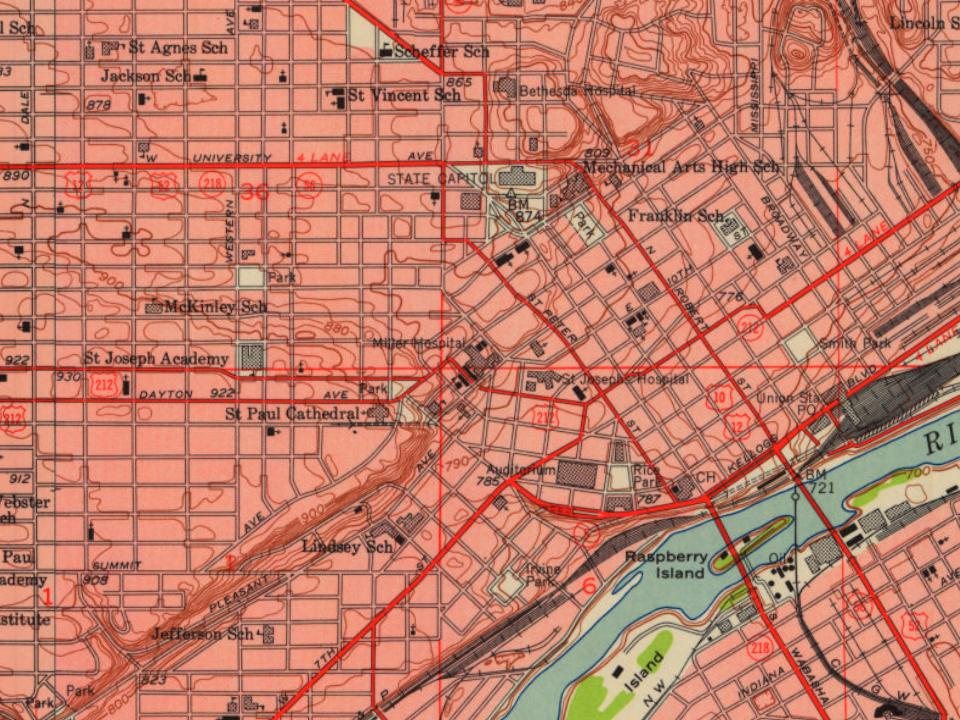
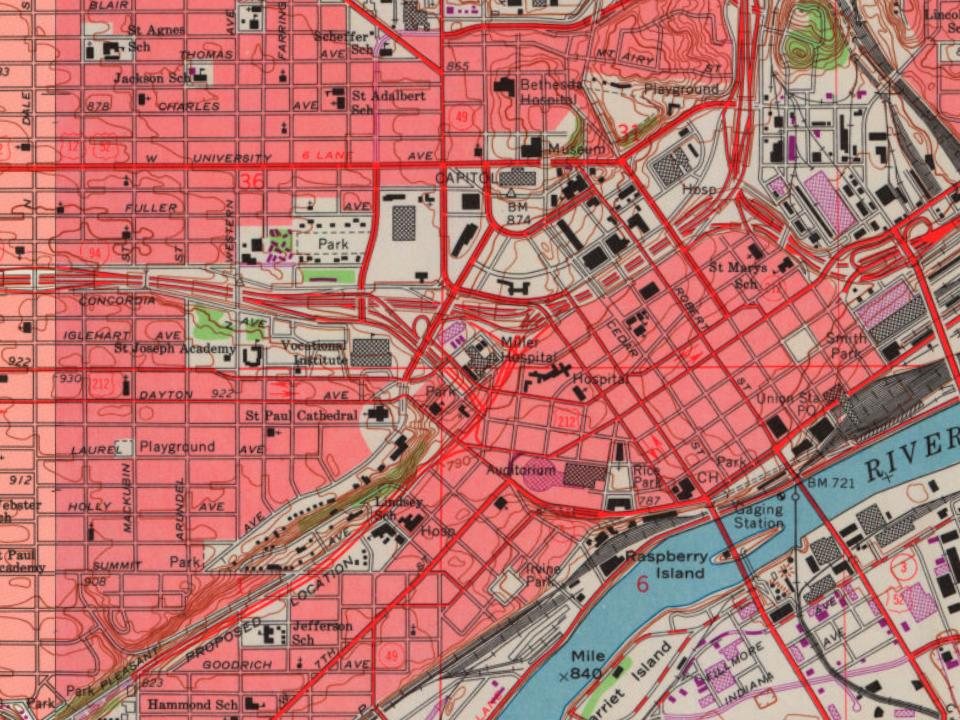
St. Paul on the map, 1896 to 1993

Every edition of the U.S. Geological Survey’s map of St. Paul. Tap a year, or press play to watch the town change.

St. Paul on the 1896 USGS mapSt. Paul on the 1951 USGS mapSt. Paul on the 1967 USGS mapSt. Paul on the 1972 USGS mapSt. Paul on the 1980 USGS mapSt. Paul on the 1993 USGS map1896St Paul sheet · 1:62,500

U.S. Geological Survey historical topographic maps (public domain), via Esri’s collection of the scans. The red ring marks the center of St. Paul.

Then & now

Stand where they stood

No then-and-now pairs yet. Take a photo from the same spot as an old one and they appear here side by side.

St Paul's, Menesotah Territory
Retake this viewSt Paul's, Menesotah Territory, 1854

Find the spot, match the angle, and add your photo. It becomes the first then-and-now pair on St. Paul’s page.

Retake this view · +15
People over time

St. Paul, census by census

020,00040,00060,00080,000100,000120,000140,000160,000180,000200,000220,000240,000260,000280,000300,000320,000340,0001850190019502000Peak: 313,411

Between 1,112 and 313,411 people in every census since 1850.

18 censuses, 1850–2020.

U.S. Census Bureau decennial counts, from the census table on St. Paul’s Wikipedia page.

Famous people

32 famous people were born in St. Paul

Writers, athletes, leaders and more, ranked by how widely they’re known.

See all →
Places that used to be

Lost post offices, old corners, places now gone and burying grounds

Four other post offices opened and closed inside today’s town.

Saint Paul
1846–today
Hamline
1880–1891
Macalester
1886–1889
Saint Anthony Park
1886–1891
Highwood
1901–1907
18401930today
Hamlets and corners on the map
HighwoodSaint Paul
Gone or out of use
Arlington SchoolschoolEricsson SchoolschoolHamline Post Officepost officeHighwood Post Officepost officeMacalester Post Officepost officePhalen Park SchoolschoolSaint Anthony Park Post Officepost officeSaint Paul Bible CollegeschoolSibley Schoolschool
7cemeteries and burying grounds inside St. Paul
CalvaryChesed Shel EmesElmhurstOaklandRiverviewSons of JacobSons of Moses

US Post Offices dataset (Blevins & Helbock, CC0). Places and cemeteries from the USGS Geographic Names Information System (2021).

Stories next door

History across the town line

Each neighbor’s History grade, on the same three inputs.

Questions about St. Paul’s history

What year was St. Paul founded?

The St. Paul post office opened in 1846, the earliest record of the town by name (U.S. post office records). Wikidata gives 1854.

How does St. Paul rank for history?

St. Paul is more historic than 98% of U.S. towns, #1 of 273 in Minnesota. The History grade combines the town’s founding era, the share of homes built before 1940 and its National Register listings. It’s a character grade, so it isn’t part of the overall grade. How it works.

What is on the National Register in St. Paul?

117 listings, 4 of them National Historic Landmarks: 98 buildings, 10 historic districts with 1,574 contributing buildings, 2 sites, and 8 structures. 1,686 historic buildings in all.

How old are the homes in St. Paul?

42% of St. Paul’s homes were built before 1940 (Census estimate, ±1.0 points), against a typical 8.1% for a Minnesota town; the median home was built in 1952.

Memory lane

What the archives can’t tell you, neighbors can.

Town Square →
Start a conversation
Sources

Where this page comes from

Founding dates: Wikidata, Wikipedia, the U.S. post office records of Blevins & Helbock (CC0) and the Census. Homes by year built: Census ACS 2020–24. National Register of Historic Places: National Park Service (list of May 22, 2026). Old photos, postcards and papers: Wikimedia Commons, the Library of Congress and other public archives, credited on each item’s page. Maps: U.S. Geological Survey historical topographic maps (via Esri) and Sanborn fire-insurance maps (Library of Congress). History text and census tables: Wikipedia (CC BY-SA 4.0). Places that used to be: USGS Geographic Names Information System (2021).

From Wikimedia Commons (1), Wikidata (5), the National Register of Historic Places (118), Wikipedia, Wikidata and Wikipedia for famous people, U.S. Geological Survey historical maps, U.S. Census counts (via Wikipedia), the US Post Offices dataset (Blevins & Helbock), the USGS Geographic Names Information System and old county and town histories (Internet Archive). Archive images are copied here with their credits and licenses, shown on each photo’s page. Refreshed monthly.