Portland dates to 1632, and 46% of its homes were built before 1940
Among the most historic 1% of U.S. towns · #2 of 143 in Maine. What drives it
98 places in town are on the National Register, among them 7 National Historic Landmarks and ten historic districts with 744 buildings between them. Below: 9 old photos and papers, maps from 1886 on, and the census since 1790.
Founding year: Wikidata. First post office: 1764.The full story ↓
History grade
What drives Portland’s History grade
On its age, its old homes and the National Register, Portland is among the most historic 1% of U.S. towns, #2 of 143 in Maine. All 2 inputs put Portland near the top nationally; its share of homes from before 1940 ranks highest.
A+
HistoryA character grade: shown, never part of Portland’s overall grade.
Maine towns list more on the Register than most of the country (a typical Maine town has 15.9 per 10,000 residents, the U.S. 2.4), so Portland’s 122 sits above most of its state (89% of Maine towns have fewer) while its 842 historic buildings outnumber those of 98% of U.S. towns.
NoteThe founding year comes from Wikidata alone; no second source gives 1632.
How sure. Graded on two of the three inputs, so a change in either one moves the letter more than it would with three. The pre-1940 share (±2.0 points) is firm at this size.
Founding year: Wikidata (other dates in Quick answers). Homes: Census ACS 2020–24. National Register: National Park Service, May 2026 list; each listing counted once (boundary changes and added documentation belong to their listing), and a historic district counts its contributing buildings. How TownRatings grades history →
What stands out about Portland’s past
Read from the archive, the National Register and the record. The page puts what stands out first.
The country’s official list of buildings and places worth saving. 7 are National Historic Landmarks, the highest tier. Boundary changes and added documentation are counted with their listing.
The original Algonquin-speaking Eastern Abenaki residents called the Portland peninsula Machigonne ("great neck"). It is also called Məkíhkanək ("at the fish hook") in Penobscot.
Passages that mention Portland, cut from the printed page as they were published.
The history of Portland, from 1632 to 18641865 · page 756Read the page →
Read the text
Madam Deering, widow of Nathaniel Deering, which was largely increased by subscriptions from other members of the society. In 1818 a charter was granted to " Trustees of the Charity Fund of the First Parish in Portland," who have ever since managed the fund, making annual distribution of the income, which amounts to four or five hundred dollars a year, to sucli of the parish as need assistance. In 1817, Miss Martha Hale bequeathed her property about six thousand dollars to
Text read by machine from the scan; it may contain errors.
The history of Portland, from 1632 to 18641865 · page 573Read the page →
Read the text
In addition to these banks, there are two savings banks in the city, one, Portland Savings' Bank, incorporated in 1852, the other, the Portland Five Cents Savings Bank, incorporated in 1859. These, in 1863, had an aggregate amount of deposits of eight hundred and sixty-six thousand three hundred and twenty-two dollars, from five thousand and twenty-five depositors, to whom they pay six per cent interest per annum.
Text read by machine from the scan; it may contain errors.
Scans and text from the Internet Archive. Books published in 1930 or earlier, which are in the public domain.
By decade
Portland, decade by decade
4 decades in the archive, from the 1780s to the 1860s. Scroll each row; tap a photo for its story.
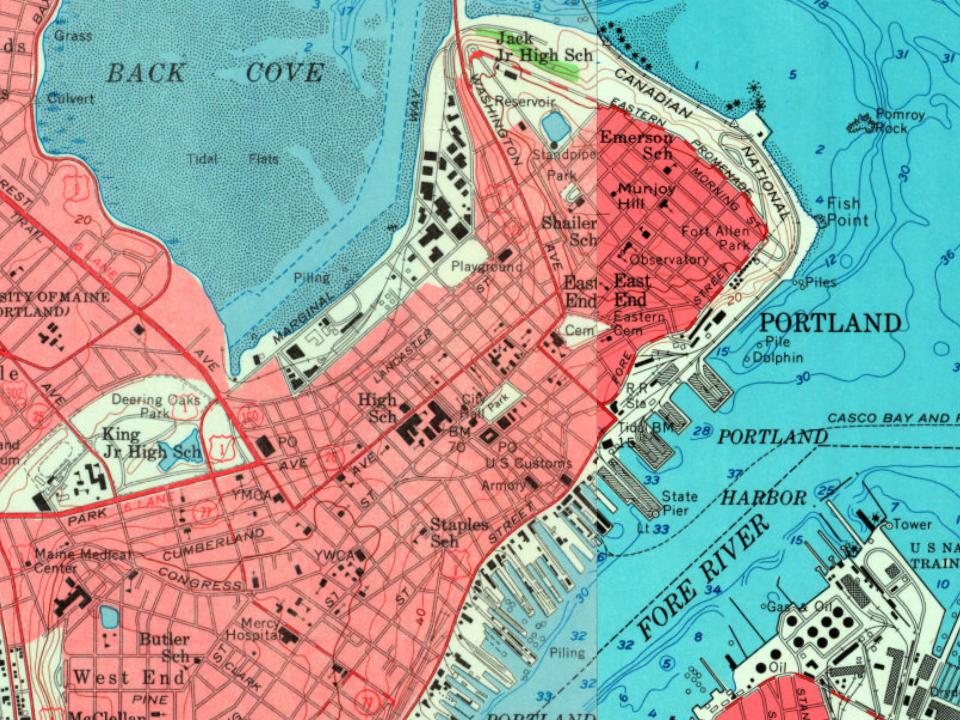
Every edition of the U.S. Geological Survey’s map of Portland. Tap a year, or press play to watch the town change.
1891Portland sheet · 1:62,500
U.S. Geological Survey historical topographic maps (public domain), via Esri’s collection of the scans. The red ring marks the center of Portland.
Every building
Portland, building by building, 1886–1909
Fire insurance maps drew every building, what it was made of and what it was used for, so insurers could price the risk of fire. Pick a year, then a sheet.
In 1632, according to Wikidata. Portland’s post office opened in 1764, and the first U.S. census counted 2,240 people here in 1790.
How does Portland rank for history?
Portland is among the most historic 1% of U.S. towns, #2 of 143 in Maine. The History grade combines the town’s founding era, the share of homes built before 1940 and its National Register listings. It’s a character grade, so it isn’t part of the overall grade. How it works.
What is on the National Register in Portland?
98 listings, 7 of them National Historic Landmarks: 73 buildings, among them the Wadsworth-Longfellow House (a National Historic Landmark since 1962), 16 historic districts with 744 contributing buildings, 3 sites, 4 structures, and 2 objects. 842 historic buildings in all.
How old are the homes in Portland?
46% of Portland’s homes were built before 1940 (Census estimate, ±2.0 points), against a typical 19% for a Maine town; the median home was built in 1946.
Founding dates: Wikidata, Wikipedia, the U.S. post office records of Blevins & Helbock (CC0) and the Census. Homes by year built: Census ACS 2020–24. National Register of Historic Places: National Park Service (list of May 22, 2026). Old photos, postcards and papers: Wikimedia Commons, the Library of Congress and other public archives, credited on each item’s page. Maps: U.S. Geological Survey historical topographic maps (via Esri) and Sanborn fire-insurance maps (Library of Congress). History text and census tables: Wikipedia (CC BY-SA 4.0). Places that used to be: USGS Geographic Names Information System (2021).
From Wikimedia Commons (6), the Library of Congress (3), Wikidata (3), the National Register of Historic Places (98), Wikipedia, Wikidata and Wikipedia for famous people, U.S. Geological Survey historical maps, U.S. Census counts (via Wikipedia), the US Post Offices dataset (Blevins & Helbock), the USGS Geographic Names Information System, Sanborn fire insurance maps (Library of Congress) and old county and town histories (Internet Archive). Archive images are copied here with their credits and licenses, shown on each photo’s page. Refreshed monthly.


 ★ Landmark
 ★ Landmark
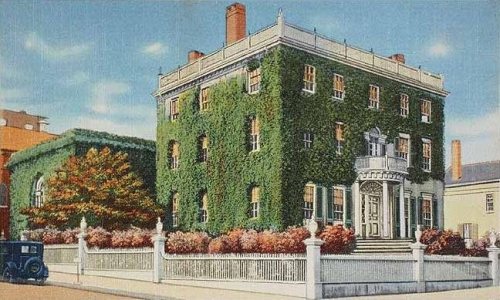 ★ Landmark
 ★ Landmark
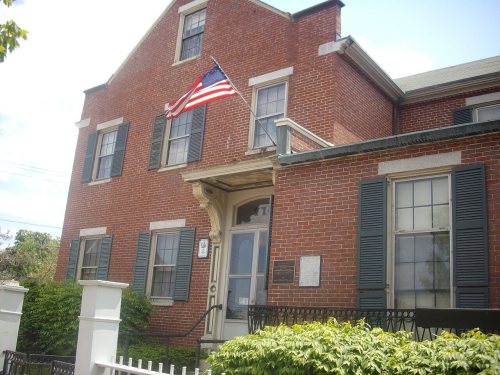 ★ Landmark
 ★ Landmark
 ★ Landmark


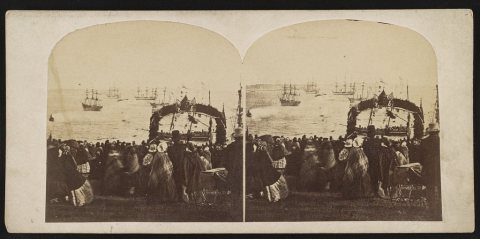


 1828
 1860
 c. 1865
 c. 1865
 c. 1865