Heritage in Ottawa: 80 historic places, 43 of the highest rank
Counted by designation, there are 28 Recognized Federal Heritage Buildings, 8 provincial or municipal listings and a heritage railway station. Go back to 1827 and you reach Commissariat Building, the oldest of them. 49 further listings on provincial or municipal registers are known only through Wikidata, so they have no page of their own.
provincial and municipal listings with an encyclopedia article
Oldest building
1827
the first construction date on its record
Homes built before 1961
16%
typical town: 18%
In pictures
Ottawa now and then, in 79 photos and 16 old views
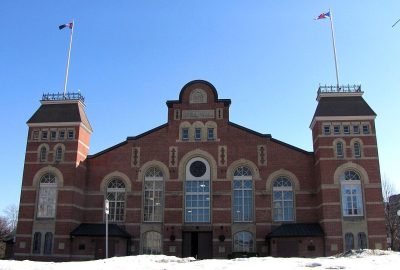
79 designated places in Ottawa have a photo. For 19 of Ottawa’s places, old views sit on the place’s own page. Up first are Aberdeen Pavilion and Beechwood Cemetery.
Photos from Wikimedia Commons, each credited to its photographer with its licence; names open the place’s page. Tap a photo to step through them full screen.
Through time
Ottawa, 1861 to 1931
By date: 12 old photographs of the town, with the oldest views of 4 of its historic places. Hover a dot for its date; tap a picture to see it full screen.
18501875190019251950Before ConfederationConfederation to 1900Boom yearsThe wars and betweenAfter the war
Public domain or CC0, made before 1950, from Wikimedia Commons; old views of places can be drawings, prints or maps of their time. Each credit opens the image’s page.
How it began
Milestones of Ottawa since 1835
Regional Municipality of Ottawa–Carleton gave way to the present municipality in 2001. In 1835 came Shiners' War. The date Wikidata keeps for Ottawa is January 1, 1855; whether it was a founding or a legal act, the entry leaves open.
Ottawa is named after Odawa, indigenous people in what is known as Michigan and Ontario. The municipality of Ottawa was incorporated as a town in 1850.
Every place on the registers inside the town, by its designation.
Highest designationsOther federal designationsProvincial and local listings400 m from Office of the Prime Minister and Privy Council
17 of 43within 400 m of Office of the Prime Minister and Privy Council, the heart of the town’s history
Tap any dot to open that place’s own page; hovering shows its name.
The 80, by tier
43 Highest designations29 Other federal designations8 Provincial and local listings
Parks Canada’s Directory of Federal Heritage Designations lists the places the Government of Canada has recognized; outside Québec, provincial and municipal listings come only through Wikidata, and only those with an encyclopedia article get a page.
Points from Wikidata (Parks Canada’s files carry none) and from Québec’s register, as mapped there.
Highest designations
43 places in Ottawa with the highest designation
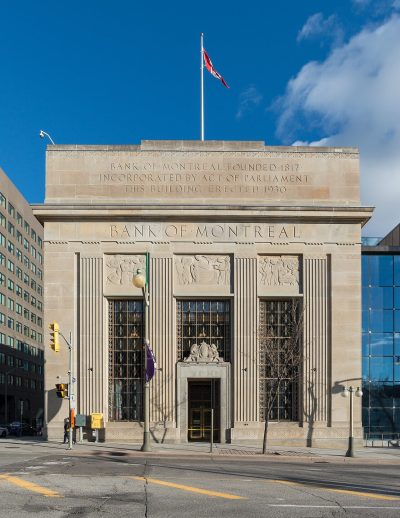
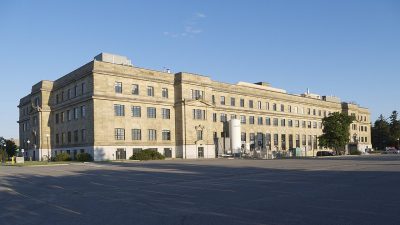
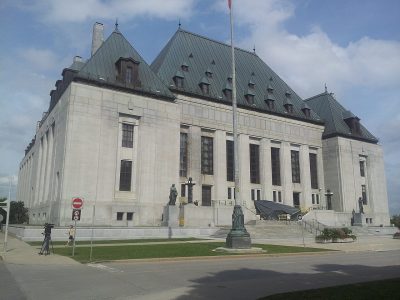
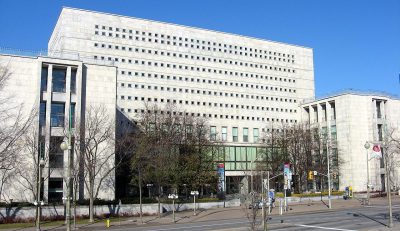
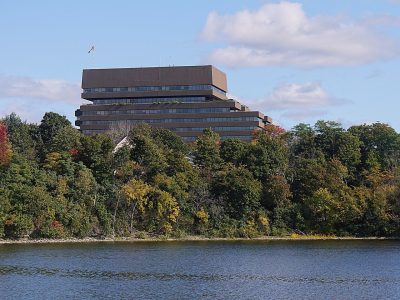
The group holds 24 National Historic Sites and 19 Classified Federal Heritage Buildings. National Historic Sites and Classified Federal Heritage Buildings, Canada’s highest federal recognition. They date from 1827 (Commissariat Building) to 1970. Each one opens its own page.
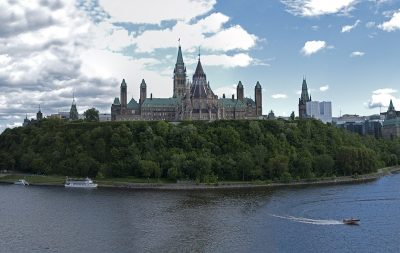
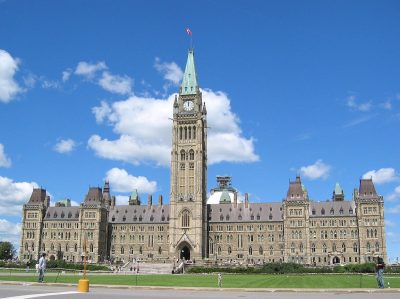
Classified Federal Heritage Building · 1916–1928Parliament Hill, Centre Block111 Wellington StreetPhoto: No machine-readable author provided. Arctic.gnome assumed (based on copyright claims) · CC BY 2.5 · Commons file
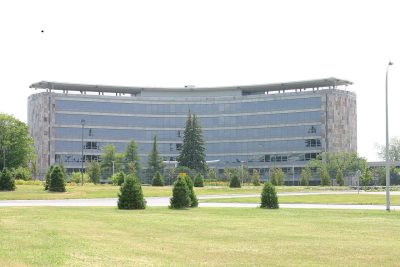
The first was designated in 1983, the latest in 2005. By designation: 28 Recognized Federal Heritage Buildings and a heritage railway station. Recognized Federal Heritage Buildings, heritage railway stations and lighthouses. Each one opens its own page.
Streets with three or more places on the registers, by the address each gives.
Wellington Street14 on the registers · 11 top designations
Sussex Drive10 on the registers · 9 top designations
Sparks Street7 on the registers · 1 top designation
Central Experimental Farm National Historic Site4 on the registers · 1 top designation
The registers give an address for 68 of the 80 places.
What’s designated
In Ottawa, public buildings lead the list (46%)
11 places make houses the second group. Leading by designation: Billings House and Maplelawn & Gardens. The record covers 8 kinds of building and site.
Public buildings37
Houses11
Mills, shops and works7
Theatres, museums and memorials5
Churches and religious buildings4
Stations, lighthouses and bridges2
Forts and military buildings1
Other places13
The groups come from each place’s name and its recorded functions, by what it was built as.
Provincial and local listings
On provincial and local lists in Ottawa: 8 places
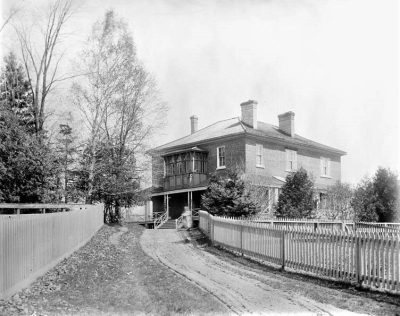
Provincial and municipal listings that Wikidata records and an encyclopedia describes. They date from 1843 (Lisgar Collegiate Institute) to 1898. Each one opens its own page.
For Ottawa, most dated places belong to the decades after Confederation
Each place by the first construction date on its record.
British North America 1760–186618
After Confederation 1867–191333
Wars and Depression 1914–194516
Since 1946 1946 on10
18 of the 77 dated places were built before Confederation.
When designated
Ottawa on the registers since 1955
The places by the year of their designation.
1986 · 11
19401960198020002020
Former Geological Survey of Canada Building went on the registers first, in 1955. The busiest year was 1986, with 11. Only 1 has been added since 2011.
Homes by age
Ottawa is still building: 7.7% of homes date from 2016 to 2021, against 4.1%
Homes built from 2001 to 2015 make up 21% of Ottawa’s, against 15% in the typical town. The largest single period is from 1961 to 1980, with 28% of Ottawa’s homes. 16% of Ottawa’s homes predate 1961, close to the typical town’s 18%.
16%
Before 1961
28%
1961–80
27%
1981–2000
21%
2001–15
7.7%
2016–21
OttawaTypical town
2021 Census, private dwellings by period of construction (Statistics Canada); the typical town is the middle Canadian town of 2,500 or more.
Born here
Ottawa’s 2 persons of national historic significance, and others
Before 1914, 248 births here made the record. Eric McArthur comes first, born in 1824. The longest life here was Elsie Gibbons’s, 100 years, ending in 2003. 218 of the 248 were born in the decades after Confederation. The 20 best known are on the timeline.
Hod Stuart
Frank McGee
Éva Gauthier
Tommy Gorman
Jack Darragh
Eddie Gerard
Clint Benedict
Punch Broadbent
Dai Vernon
Georges Boucher
Georges Prud'Homme
Jack Cameron
Alec Connell
Frank Boucher
Aurèle Joliat
King Clancy
Athol Meech
John Tuzo Wilson
Thomas Moone
Syd Howe
18501875190019251950
John Tuzo Wilson1908–1993 · Canadian geologist
JC
Jack Cameron1900–1981 · Canadian ice hockey player
Tommy Gorman1886–1961 · Canadian professional ice hockey executive, sports entrepreneur, spor…
Dai Vernon1894–1992 · Canadian magician
ÉG
Éva Gauthier1885–1958 · Canadian-American mezzo-soprano and voice teacher
Frank Boucher1901–1977 · Canadian ice hockey player
Hod Stuart1879–1907 · Canadian ice hockey player
Aurèle Joliat1901–1986 · Ice hockey player
Everyone born in Ottawa → Born before 1914. Birthplaces from Wikidata, each checked against Wikipedia; national historic persons from Parks Canada’s Directory of Federal Heritage Designations, matched by name and life years.
Ottawa holds 80 historic places on Canada’s registers, 43 with the highest designation, including Billings House. The densest spot is around Office of the Prime Minister and Privy Council: 17 of its places of the highest designation within 400 m. Wellington Street has the most: 14 historic places. Its people of the past include John Tuzo Wilson (1908), Jack Cameron (1900) and Tommy Gorman (1886). The census dates only 16% of its homes before 1961, against 18% in the typical town.
How to read these numbers
What this data can and can’t tell you
•
Map points. Federal places get their map points from Wikidata, since Parks Canada’s files carry none; they are as mapped there.
•
The federal register. Federal places come from Parks Canada’s directory, which counts National Historic Sites, federal heritage buildings, stations and lighthouses; their statements are the register’s own.
•
The grade. There is no history grade: the page sets out the record and compares it with other towns.
•
The tiers. Tiers follow the designation: national recognition and classement first, other federal designations next, provincial and local listings last.
•
Protection. Being on these registers doesn’t mean a building can’t change. Federal designation commemorates; protection is provincial or municipal, and those lists aren’t open here.
•
People and events. Persons of national historic significance come with no location; a town gets one only by birthplace (name and both life years agreeing) or by one of its own places that bears the name and whose record tells the story. Events, which can’t be tied, are left out.
•
Provincial and municipal lists. Provincial and municipal listings here come from Wikidata alone, since the provinces’ own registers can’t be reused; a listing needs an encyclopedia article to get a page.
Questions about Ottawa’s history
Which places in Ottawa have the highest designation?
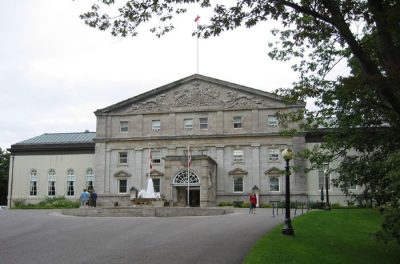
Billings House, Maplelawn & Gardens, Rideau Hall and Landscaped Grounds, Notre-Dame Roman Catholic Basilica, Earnscliffe and Confederation Square, and 37 more.
What is the oldest building in Ottawa?
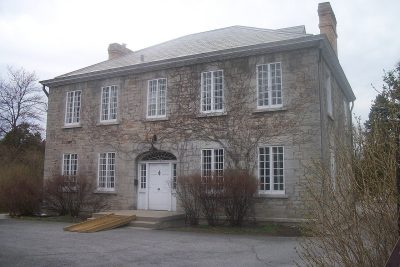
Commissariat Building, a Classified Federal Heritage Building, begun in 1827.
Why might a heritage building in Ottawa be missing here?
Provincial and municipal registers outside Québec aren’t open data. Wikidata knows 49 more listings in Ottawa, but without an open description or an encyclopedia article they get no page.
How old are the homes in Ottawa?
16% of its homes were built before 1961, against 18% in the typical Canadian town.
Contains information licensed under the Open Government Licence – Canada (Parks Canada).
Sources: Parks Canada, Directory of Federal Heritage Designations · Canadian Register of Historic Places (federal extract) · Wikidata (CC0) for map points, other names and articles · Statistics Canada, 2021 Census (homes by period of construction). Under the Statistics Canada Open Licence.




 c. 1861
 c. 1870
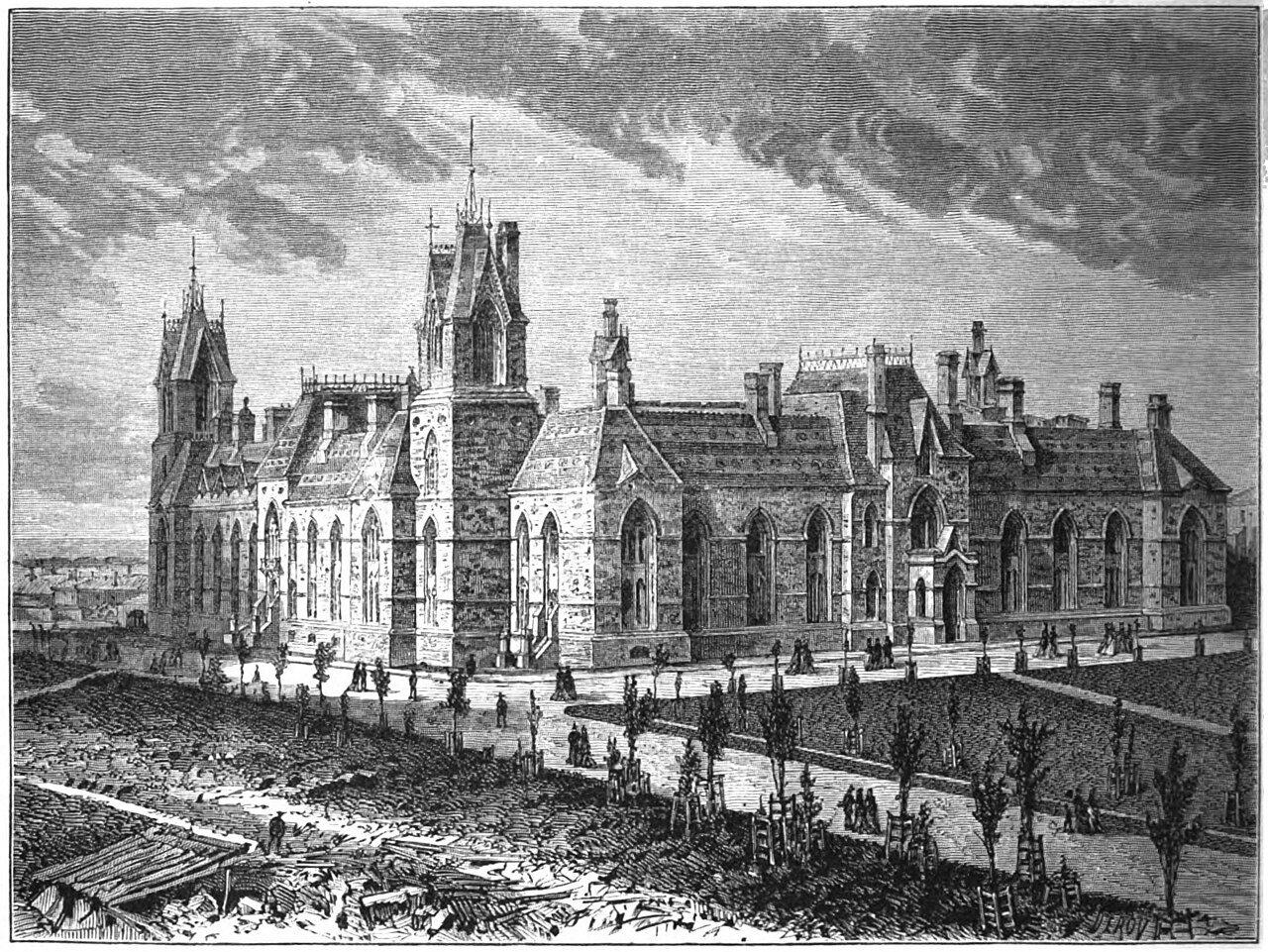 c. 1875
 1880s
 c. 1890
 1898
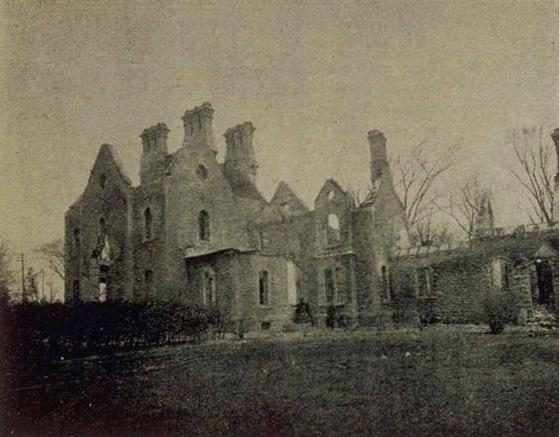 c. 1900
 1901
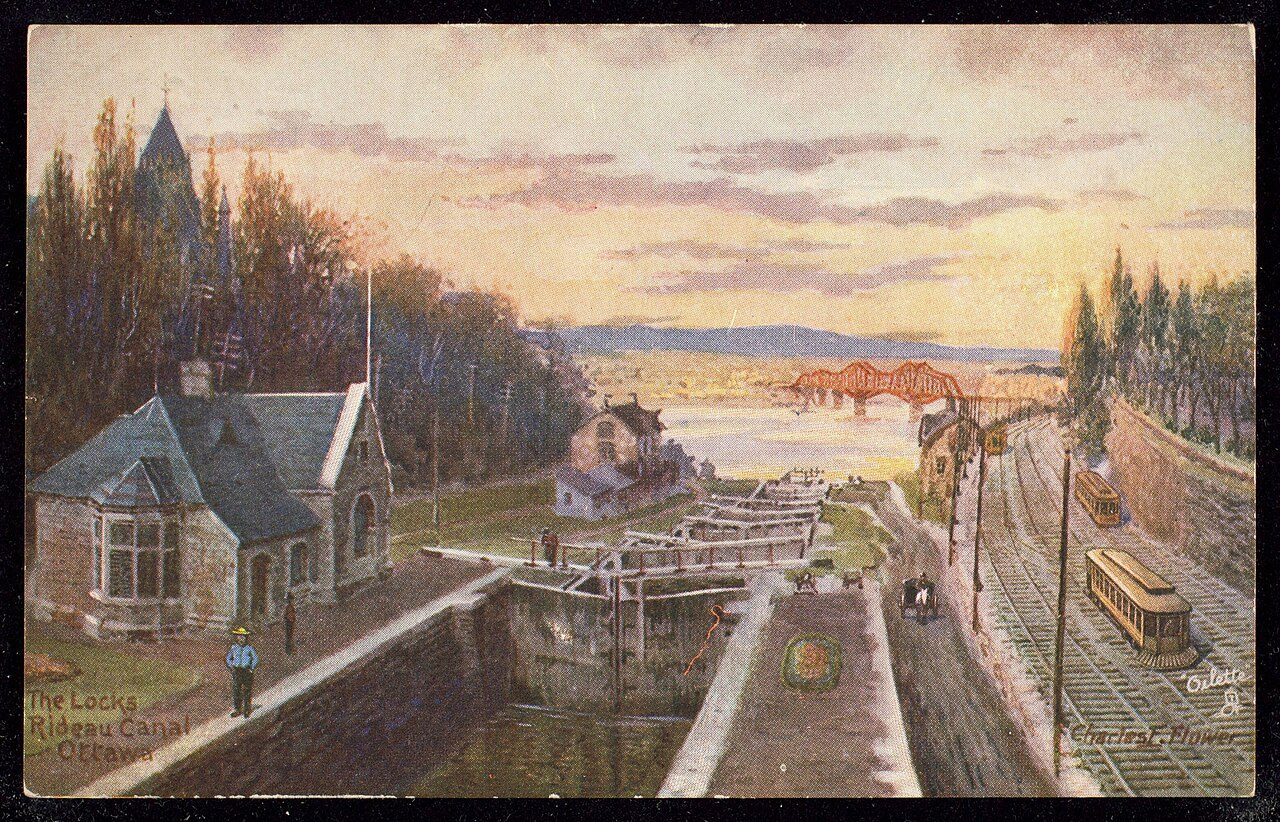 1903
 1903
 1905
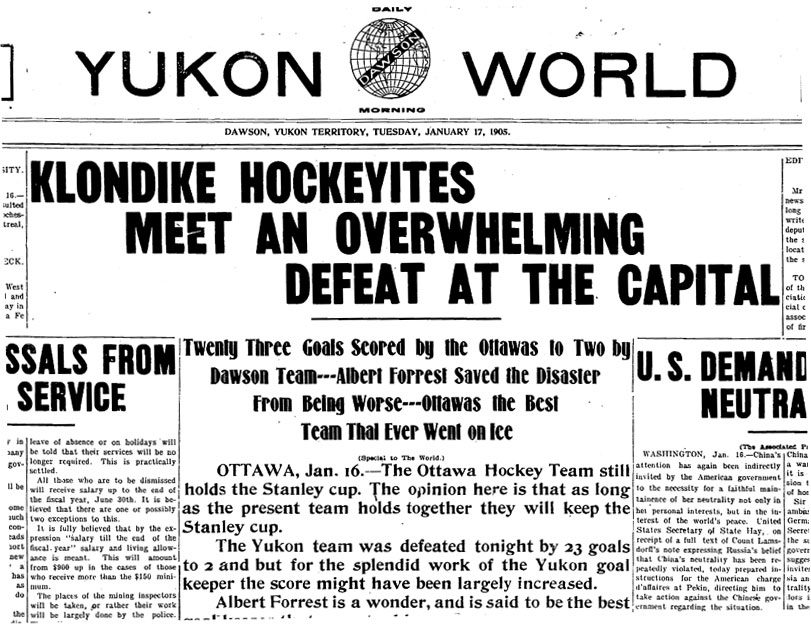 c. 1905
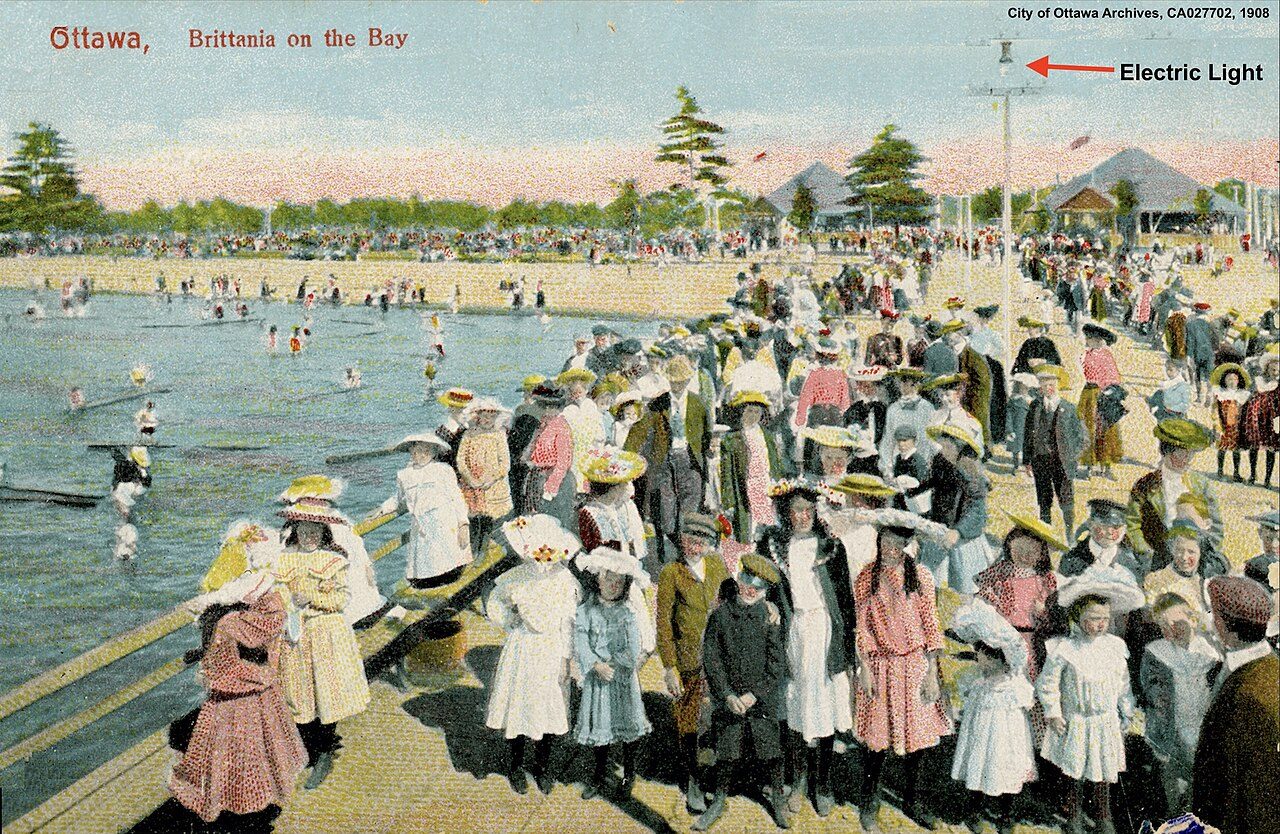 1908
 c. 1910
 c. 1915
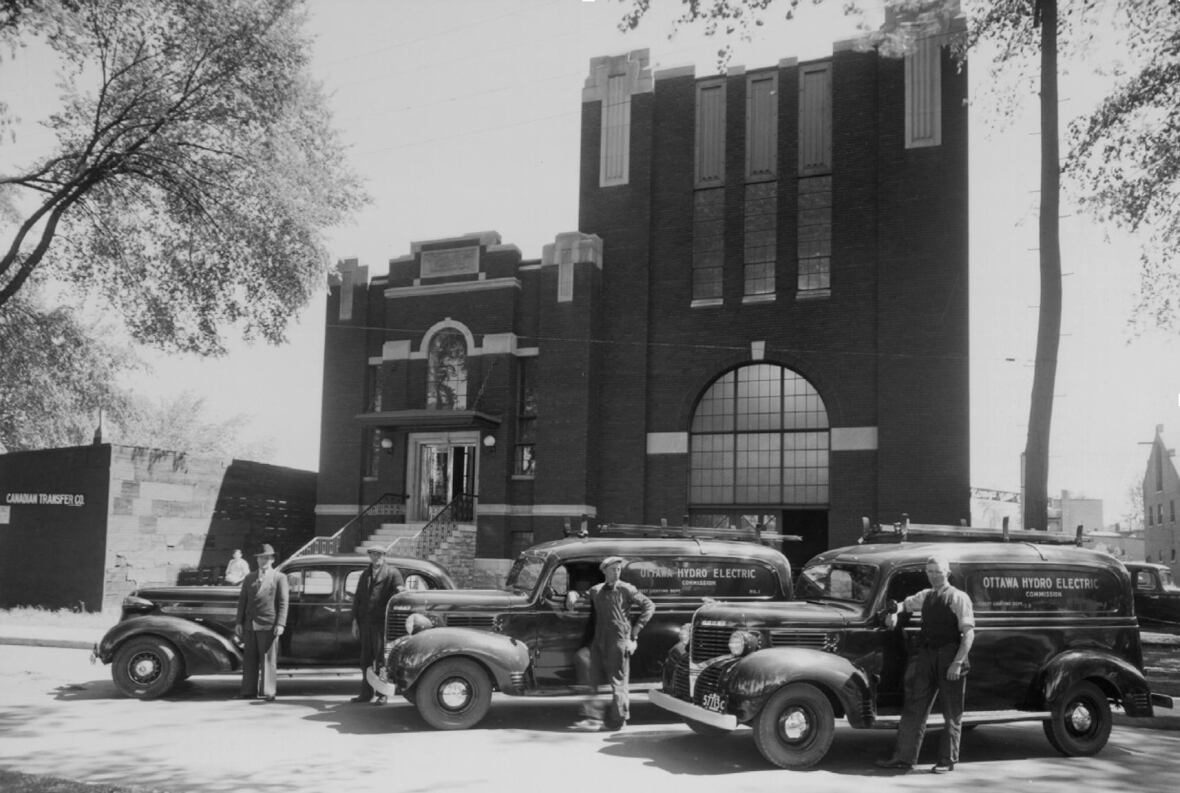 c. 1931
 Top
 Top
 Top
 Top
 Top
 Top
 Top
 Top
 Top
 Top
 Top
 Top
 Top
 Top
 Top
 Top
 Top
 Top
 Top
 Top
 Top
 Top
 Top
 Top
 Top
 Top
 Top
 Top
 Top
 Top
 Top
 Top
 Top
 Top
 Top
 Top
 Top
 Top
 Top
 Top
 Top
 Top
 Top
 Local
 Local
 Local
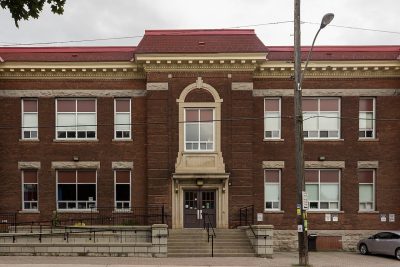 Local
 Local
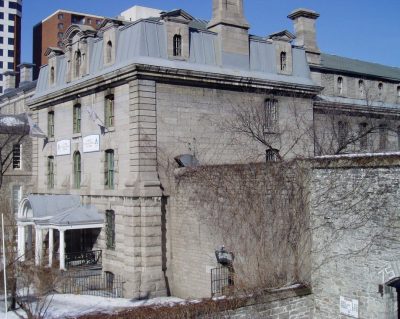 Local
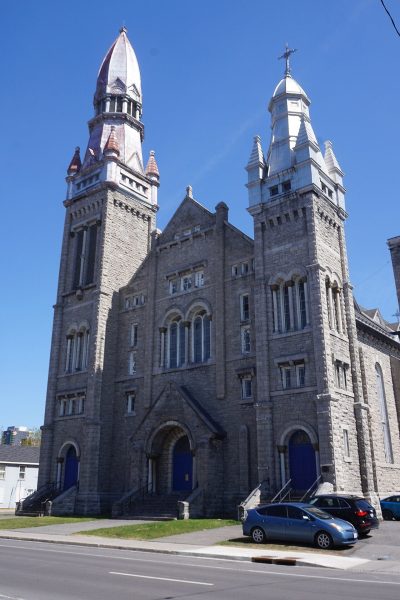 Local
 Local


