Mountain HomeNC
3,437 people live in this town, settled in 1922.
Is Mountain Home a good place to live?
A town of contrasts. At B overall, Mountain Home is better than 55% of U.S. towns and ranks 76th of 286 in North Carolina. Its strongest subject is health (A−): residents are healthier than 84% of U.S. towns on CDC estimates. Add incomes to its strengths: the median household earns $83K. What holds it back is cost of living (C−): the typical home is worth about $400K, 5.6 years of the Asheville metro’s $72K median household income. Walkability is weaker too (C−). Most errands need a car: it is less walkable than 83% of U.S. towns. Only 3 of North Carolina’s 451 towns score lower on the outdoors.
Figures: health, CDC PLACES · incomes, Census ACS, 2020–24 · home values, Zillow · USGS PAD-US.
How Mountain Home grades
Each subject compared with towns across the country (schools within North Carolina), ordered by how far Mountain Home is from typical.
How TownRatings grades towns →
Blue Ridge Parkway and 27 more within 40 miles
Museums, parks, gardens and other places to visit around Mountain Home. Close and well known come first.
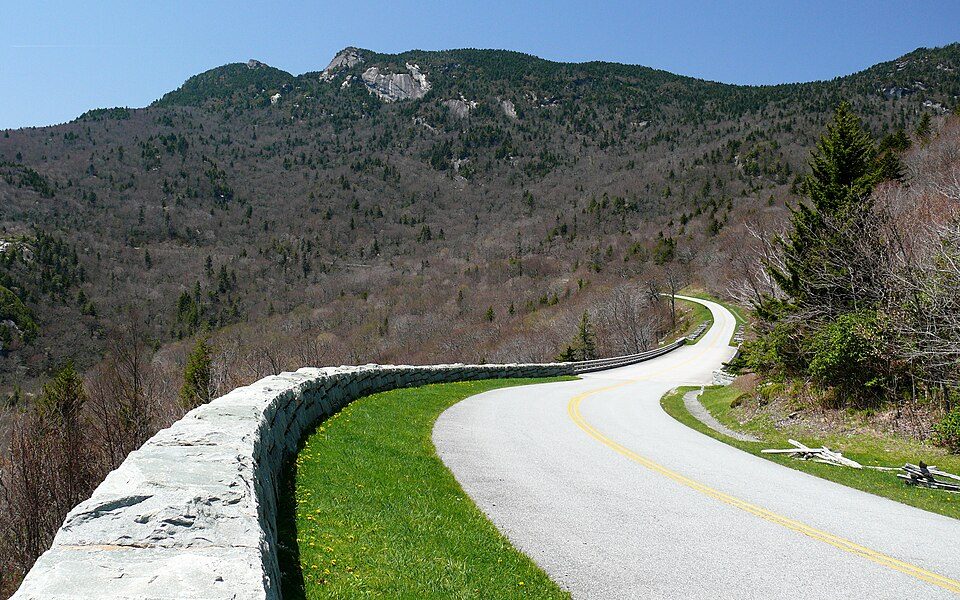 9 mi ParkwayBlue Ridge Parkway16.5M visitors a year
 Big draw30 mi MountainMount Mitchell
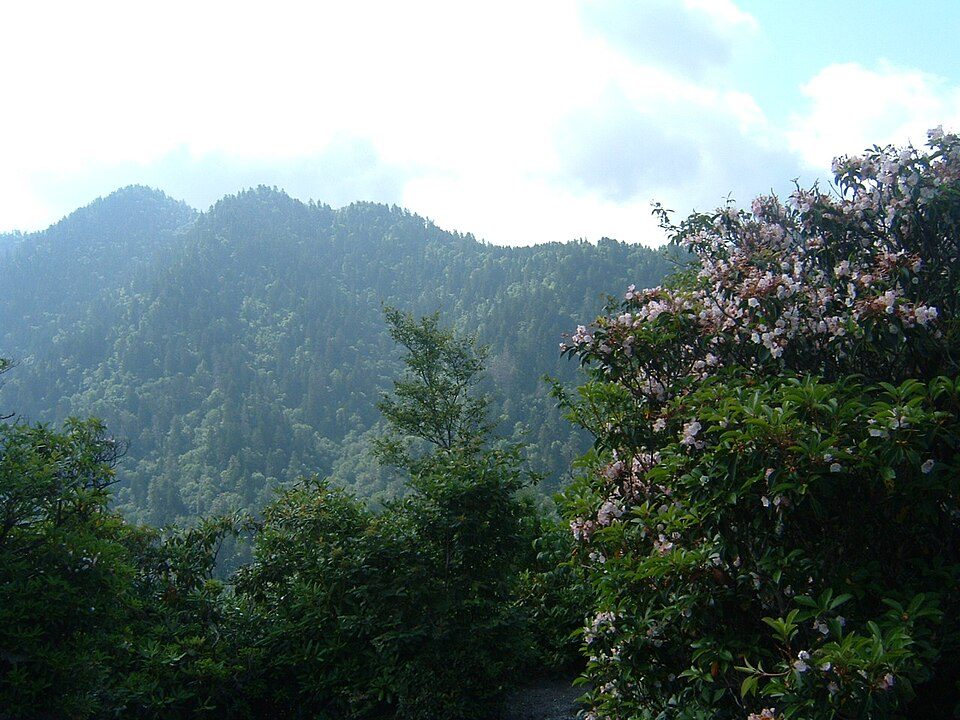 Big draw34 mi National ParkGreat Smoky Mountains National Park11.5M visitors a year
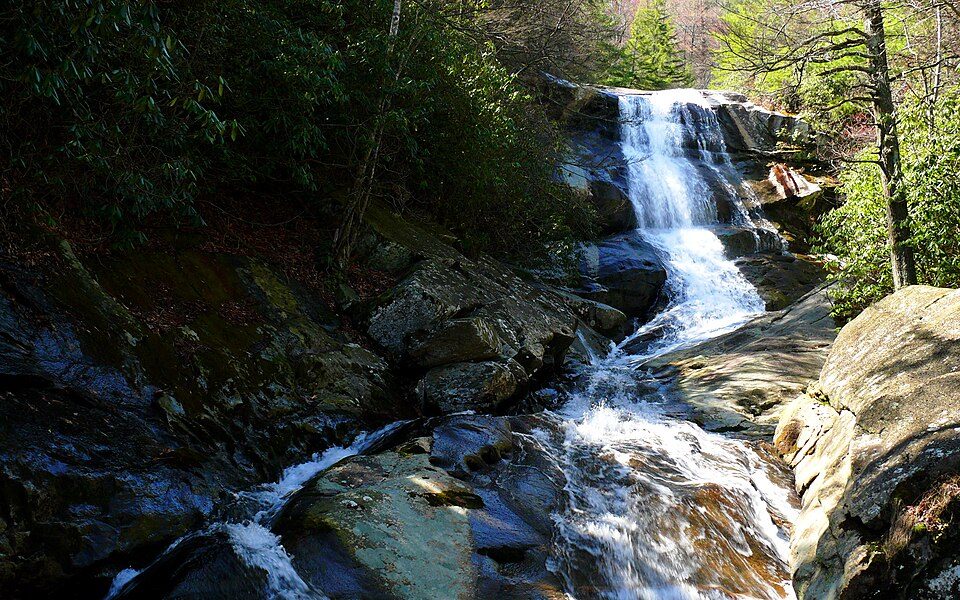 16 mi National forestPisgah National Forest36 mi Theme parkGhost Town in the Sky
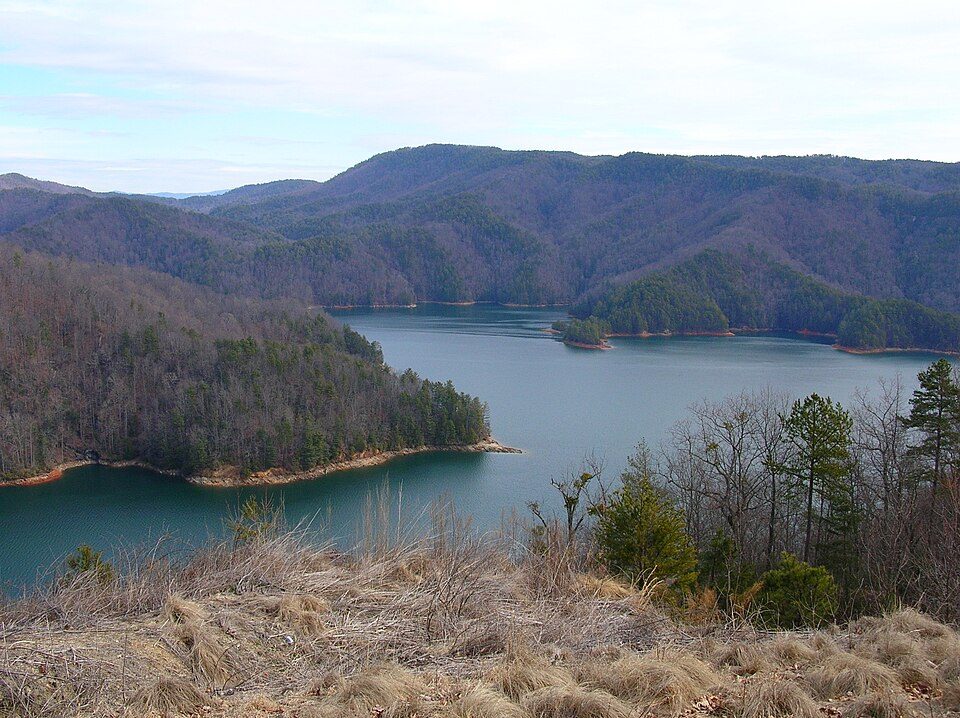 37 mi LakeLake Jocassee
Photo credits
Blue Ridge Parkway: Ken Thomas, Public domain · Mount Mitchell: Unknown, Public domain · Great Smoky Mountains National Park: Scott Basford, CC BY-SA 3.0 · Pisgah National Forest: Ken Thomas, Public domain · Lake Jocassee: Clemson3564, Public domain


Moving to Mountain Home: who provides what
Mountain Home is unincorporated, so Henderson County and regional agencies provide most services.
EPA SDWIS (Oct 9, 2026) · HIFLD + EIA-861 2025 · Census 2020 ZCTAs · NCES 2024–25 · registration: vote.gov, updated Nov 18, 2024.
The data
Ordered by what stands out in Mountain Home.
Mountain Home has less utility shut-off threats than most of North Carolina, has commutes shorter than most of North Carolina and has milder winter nights than most of the country, though not than most of North Carolina.
Mountain Home earns an A− for health
Its widest gap with North Carolina is utility shut-off threats: 4.8% of its 2,839 adults were threatened with a utility shut-off, against 8.1% statewide.
The share of adults in Mountain Home who have diabetes: 11%. Among adults locally, 28% have obesity, against 36% in North Carolina’s towns and 35% across U.S. towns. 29% of adults in Mountain Home feel lonely; 14% report frequent mental distress. CDC measures, 32 in all: Mountain Home beats North Carolina on 7 and trails on 1.
| Mountain Home | North Carolina towns | U.S. towns | |
|---|---|---|---|
| Obesity (CDC PLACES) | 28% | 36% | 35% |
| Feel lonely (CDC PLACES) | 29% | 33% | 33% |
| Frequent mental distress (CDC PLACES) | 14% | 17% | 17% |
| Smoke cigarettes (CDC PLACES) | 11% | 14% | 14% |
| What stands out | Mountain Home | NC |
|---|---|---|
| Fewer adults facing a utility shut-off | 4.8% | 8.1% |
| Fewer adults facing food insecurity | 9.2% | 15.2% |
| More adults who have had cancer | 10.8% | 7.9% |
CDC PLACES 2025 · modeled estimates for adults · CMS · HRSA
On state tests, Mountain Home’s schools beat 66% of North Carolina districts
Its two schools are below. The largest public high school is West Henderson High, with 1,053 students.
| School | Level | Students | Letter |
|---|---|---|---|
| Stoney Mountain Christian Academy PrivateLargest elementary schoolGrades 4–7 | Grades 4–7 | 3 | – |
| West Henderson HighLargest public high schoolGrades 9–12 | Grades 9–12 | 1,053 | A |
NCES · EDFacts · graded within NC on state tests and graduation
Mountain Home is older than the North Carolina average
Among residents in Mountain Home, 12% are under 18, where North Carolina’s towns sit at 22% and U.S. towns at 22%. People 65 and older are 27% of residents (17% statewide); children under 18 are 12% of residents (22% statewide). Also worth knowing: the median age here is 50.5 years. The bachelor’s-degree share among adults 25 and older is 42%, against 36% across North Carolina.
| Mountain Home | North Carolina towns | U.S. towns | |
|---|---|---|---|
| Under 18 | 12% | 22% | 22% |
| Median age | 50.5 years | 40.1 years | 40.5 years |
| Aged 65 or older | 27% | 18% | 18% |
| Bachelor’s degree or more, 25+ | 42% | 29% | 29% |
Ages · share of residents
Education · adults 25 and older
Women and men · all residents
48% women, 52% men
That’s an even split within the survey’s margin of ±5.4 points. Across North Carolina, 51.1% of residents are women.
| Mountain Home | NC | U.S. | |
|---|---|---|---|
| Under 10 | 6.3% | 11.6% | 11.6% |
| 10 to 17 | 5.8% | 10.2% | 10.3% |
| 18 to 24 | 13.2% | 9.5% | 9.1% |
| 25 to 34 | 14.9% | 13.4% | 13.7% |
| 35 to 44 | 5.8% | 12.8% | 13.2% |
| 45 to 54 | 9.8% | 12.6% | 12.2% |
| 55 to 64 | 17.1% | 12.8% | 12.7% |
| 65 to 74 | 13.8% | 10.3% | 10.2% |
| 75 and older | 13.3% | 6.9% | 7% |
| No diploma | 4.8% | 9.9% | 10.4% |
| High school | 27.1% | 24.8% | 26% |
| Some college | 15.2% | 19.6% | 19.1% |
| Associate’s | 10.9% | 10.1% | 8.8% |
| Bachelor’s | 32.6% | 22.2% | 21.6% |
| Graduate | 9.3% | 13.5% | 14.1% |
U.S. Census Bureau · ACS 2020-2024 5-year estimates · in a town of 3,400, single groups can be off by several points
Mountain Home has four seasons and pleasant summers
January nights average 27.6°: milder than most of the country, but colder than 89% of North Carolina places with climate records; July afternoons average 83.4°.
About 7 inches of snow falls in a winter. In Mountain Home, the typical July afternoon high is 83°F.
| Mountain Home | North Carolina towns | U.S. towns | |
|---|---|---|---|
| July high | 83°F | 89°F | 85°F |
| January low | 28°F | 31°F | 22°F |
Typical low → high °F
NOAA U.S. Climate Normals, 1991–2020
Top of a low hazard risk in Mountain Home: inland flooding
The national flood insurance program has paid 4 claims in Mountain Home since 2017. Storm and flood damage is expected to run lower than in two thirds of U.S. communities. Of the losses FEMA expects here, 48% come from inland flooding and 25% from cold waves. Federal disaster aid has reached households in Mountain Home after 3 declared disasters, most recently in 2024.
FEMA flood insurance claims · FEMA disaster declarations and aid · FEMA National Risk Index · OpenFEMA
With 1.5 jobs for every working resident, Mountain Home draws in 2,098 commuters
The average commute for its 1,462 working residents takes 18.8 minutes, against 25.1 across North Carolina. Jobs based here grew from 974 in 2013 to 2,159.
Between 2013 and 2023, jobs in Mountain Home rose by 1,185, to 2,159. Just 4% of the town’s working residents have a job in town. Its average trip to work stands at 19 minutes. Half of commuters travel less than 10 miles.
| Mountain Home | North Carolina towns | U.S. towns | |
|---|---|---|---|
| Average trip to work | 19 minutes | 24 minutes | 25 minutes |
| Working residents who work in town | 4.2% | 6.8% | 8% |
| Median household income | $83,000 | $69,000 | $80,000 |
| Below the poverty line | 12% | 13% | 9.6% |
Where working residents work
Census LEHD 2023 · ACS
The median home in Mountain Home sells for about $510K
61.4% of renter households pay 30% or more of their income for housing, against 48.9% across North Carolina.
Three quarters of Mountain Home households own their home. In Mountain Home, the median rent is $1,240 a month.
| Mountain Home | North Carolina towns | U.S. towns | |
|---|---|---|---|
| Households that own their home | 75% | 67% | 73% |
| Median rent | $1,240 a month | $1,084 a month | $1,185 a month |
Census ACS, 2020–24 · Zillow Home Value Index · Redfin Data Center
Everything we know about Mountain Home
Colleges nearby
3 within 15 miles of the center of Mountain Home
About 3 of every 100 Mountain Home residents are enrolled in college, against 6 across North Carolina.
About Mountain Home
Census-designated place in North Carolina, United States
Mountain Home is an unincorporated community and census-designated place (CDP) in Henderson County, North Carolina, United States. As of the 2020 census, Mountain Home had a population of 3,490. It is part of the Asheville Metropolitan Statistical Area.
From Wikipedia, licensed CC BY-SA 4.0 · facts via Wikidata (CC0)
- Area
- 3.8 sq mi
- Elevation
- 2,129 ft
- ZIP code
- 28758
Mountain Home’s neighbors
One town shares a border with Mountain Home.
| Town | NC rank | Overall | Cost | Safety | Schools | Health |
|---|---|---|---|---|---|---|
| Mountain Home | #76 | B | C− | — | B+ | A− |
| Balfour | — | — | A | — | B+ | A− |
Balfour has fewer than 2,500 residents, so it gets subject grades but no overall grade. Mountain Home and Balfour report no FBI crime data of their own. Compare Mountain Home with a neighbor →
Questions about Mountain Home
Short answers, built from the data on this page.
Is Mountain Home, NC a good place to live?
For most people who can afford it, yes. It grades A− for health and B+ for schools. Walkability is its weak spot, with a C−.
Is Mountain Home, NC expensive?
Yes. The typical home is worth about $400,000, 20% above the North Carolina typical home. Cost of living, which also weighs rents, property taxes and how many households pay 30% or more of their income for housing, grades C−.