West Haven’s post office opened in 1850, and 26% of its homes were built before 1940
More historic than 57% of U.S. towns · #143 of 155 in Connecticut. What drives it
5 places in town are on the National Register, among them two historic districts with 39 buildings between them. Below: 14 old photos and papers, maps from 1892 on, and the census since 1930.
The West Haven post office opened in 1850, the earliest record of the town by name. Wikidata gives 1921. Another post office, Allingtown (1895), opened inside today’s city and later closed.
First census: 25,808 in 19302020 census: 55,584176 years
How historic is West Haven?
B
More historic than 57% of U.S. towns, on its age, its old homes and the National Register.
Founding year: the first West Haven post office (Blevins & Helbock, CC0). Wikidata: 1921.The full story ↓
History grade
What drives West Haven’s History grade
On its age, its old homes and the National Register, West Haven is more historic than 57% of U.S. towns, #143 of 155 in Connecticut. Its share of homes from before 1940 holds the grade up; its age pulls it down.
B
HistoryA character grade: shown, never part of West Haven’s overall grade.
Connecticut towns list more on the Register than most of the country (a typical Connecticut town has 73.3 per 10,000 residents, the U.S. 2.4), so West Haven’s 7.6 sits below most of its state (6% of Connecticut towns have fewer) while its 42 historic buildings outnumber those of 84% of U.S. towns.
How sure. Graded on any two of the three inputs instead, the letter would range from C to B+. The pre-1940 share (±2.9 points) is firm at this size. The founding year is the first post office, not a stated founding date; Wikidata gives 1921.
Founding year: the first post office (other dates in Quick answers). Homes: Census ACS 2020–24. National Register: National Park Service, May 2026 list; each listing counted once (boundary changes and added documentation belong to their listing), and a historic district counts its contributing buildings. How TownRatings grades history →
What stands out about West Haven’s past
Read from the archive, the National Register and the record. The page puts what stands out first.
Settled in 1648, West Haven (then known as West Farms) was a part of the original New Haven Colony. In 1719, it became the separate parish of West Haven, but was still officially a part of New Haven until 1822.
The Quinnipiac, Pequot, and Mohegan Native American tribes spent summers near the West Haven green and Morse Park, and as far inland as Maltby Lakes. Before New Haven was colonized in 1638 by five hundred settlers following Reverend John Davenport from the Massachusetts Bay Colony, Dutch trader Adriaen Block noted the high mounds of oyster shells along the shoreline while exploring in 1614.
Passages that mention West Haven, cut from the printed page as they were published.
History of New Haven County, Connecticut1930 · page 289Read the page →
Read the text
Colonel Field gives his political endorsement to the republican party and has done considerable work in its interests as a cam¬ paign speaker. He served as chairman of the republican town committee of West Haven for several years, made a highly com¬ mendable record as prosecuting attorney for the town court of West Haven and later as judge of the town court of West Haven and also acted as corporation counsel of the town of West Haven.
Text read by machine from the scan; it may contain errors.
History of New Haven County, Connecticut1930 · page 179Read the page →
Read the text
with the railroad until July, 1927, when he resigned to take up the private practice of law and became associated with Judge Stanley Dunn. In June, 1927, Mr. Holleran was appointed assist¬ ant clerk of the West Haven town court and in June, 1929, was appointed assistant prosecuting attorney for the town of West Haven. In addition to his duties of that character he conducts a private practice that is steadily growing and he has membership in the New Haven County Bar Association.
Text read by machine from the scan; it may contain errors.
Scans and text from the Internet Archive. Books published in 1930 or earlier, which are in the public domain.
Timeline
West Haven, 1725 to 1977
Woven from the archive, old maps, post office records, the National Register and the people born here.
Nothing in the archives for these yearsWeddings on Main Street, storms, parades, school pictures, the old store. If it’s in your family album, it belongs here.
The West Haven post office opened in 1850, the earliest record of the town by name (U.S. post office records). Wikidata gives 1921.
How does West Haven rank for history?
West Haven is more historic than 57% of U.S. towns, #143 of 155 in Connecticut. The History grade combines the town’s founding era, the share of homes built before 1940 and its National Register listings. It’s a character grade, so it isn’t part of the overall grade. How it works.
What is on the National Register in West Haven?
5 listings: 3 buildings, among them the American Mills Web Shop (listed 1983, the first), and 2 historic districts, the West Haven Green Historic District and the West Haven VA Hospital Historic District, with 39 contributing buildings. 42 historic buildings in all.
How old are the homes in West Haven?
26% of West Haven’s homes were built before 1940 (Census estimate, ±2.9 points), against a typical 15% for a Connecticut town; the median home was built in 1959.
Founding dates: Wikidata, Wikipedia, the U.S. post office records of Blevins & Helbock (CC0) and the Census. Homes by year built: Census ACS 2020–24. National Register of Historic Places: National Park Service (list of May 22, 2026). Old photos, postcards and papers: Wikimedia Commons, the Library of Congress and other public archives, credited on each item’s page. Maps: U.S. Geological Survey historical topographic maps (via Esri) and Sanborn fire-insurance maps (Library of Congress). History text and census tables: Wikipedia (CC BY-SA 4.0). Places that used to be: USGS Geographic Names Information System (2021).
From Wikimedia Commons (11), the Library of Congress (4), Wikidata (3), the National Register of Historic Places (5), Wikipedia, Wikidata and Wikipedia for famous people, U.S. Geological Survey historical maps, U.S. Census counts (via Wikipedia), the US Post Offices dataset (Blevins & Helbock), the USGS Geographic Names Information System and old county and town histories (Internet Archive). Archive images are copied here with their credits and licenses, shown on each photo’s page. Refreshed monthly.


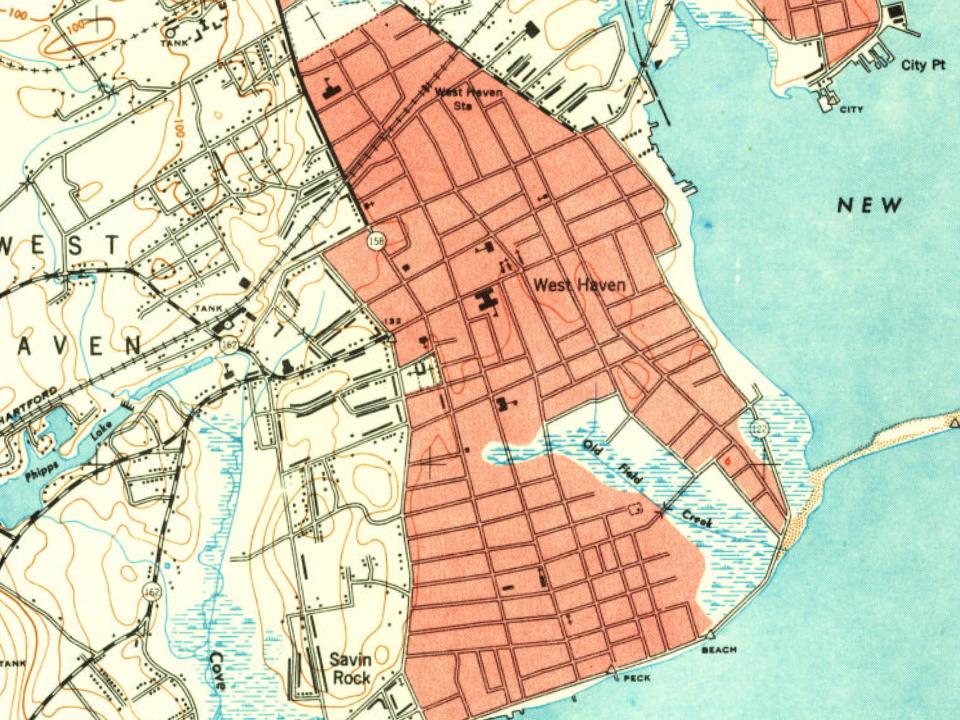
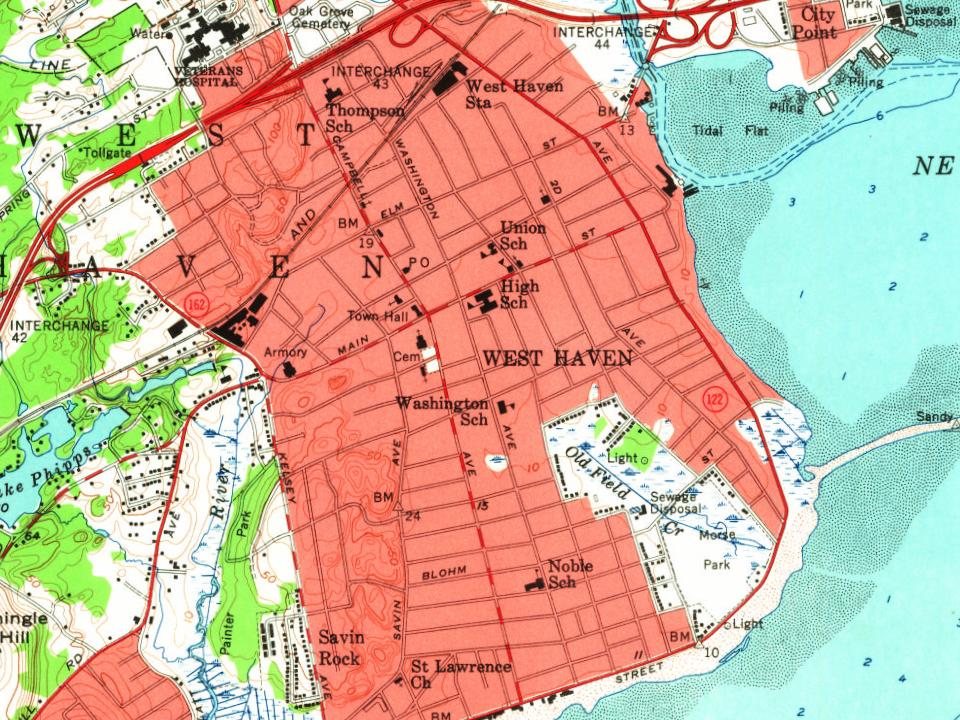
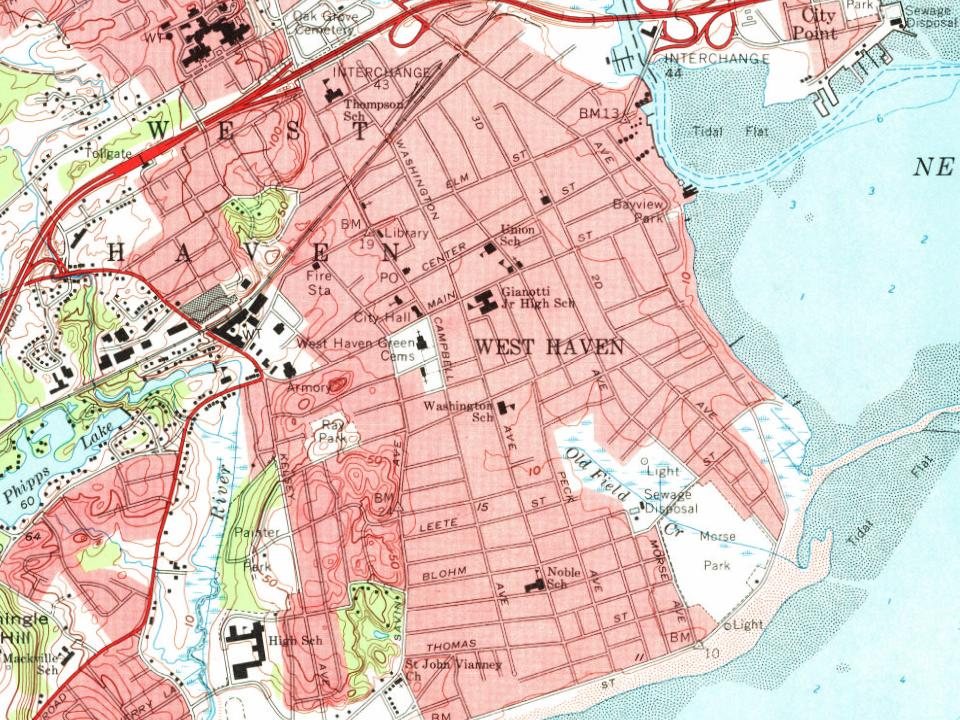
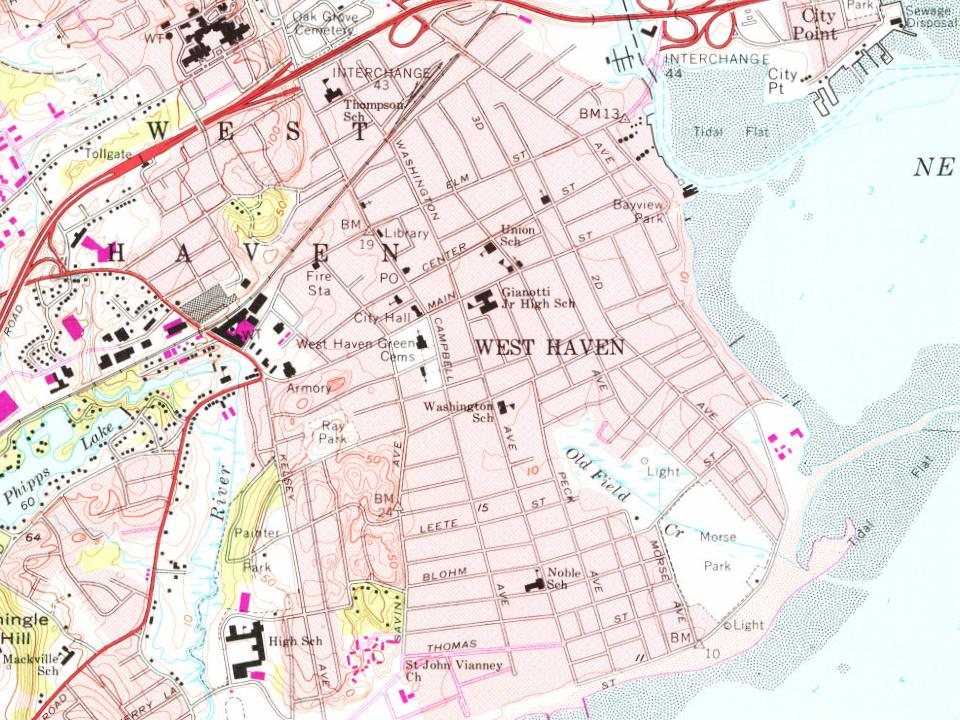

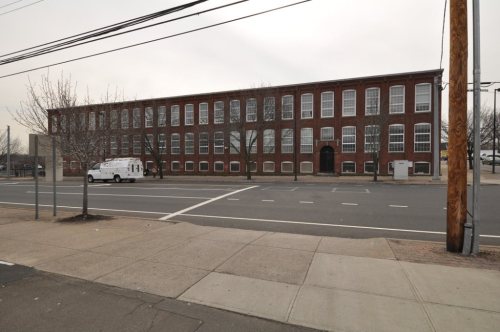


 1869–1881
 1869
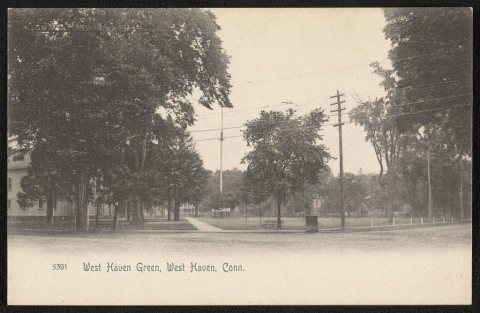 1904
 1907–1915
 c. 1925
 c. 1930
 c. 1930
 c. 1930
 2004
