Shelton dates to 1639, and 11% of its homes were built before 1940
More historic than 49% of U.S. towns · #151 of 155 in Connecticut. What drives it
3 places in town are on the National Register, among them a historic district with 46 buildings. Below: 12 old photos and papers, maps from 1889 on, and the census since 1790.
Founding year: Wikipedia. First post office: 1800.The full story ↓
History grade
What drives Shelton’s History grade
On its age, its old homes and the National Register, Shelton is more historic than 49% of U.S. towns, #151 of 155 in Connecticut. Its share of homes from before 1940 holds the grade up; its National Register listings pull it down.
B−
HistoryA character grade: shown, never part of Shelton’s overall grade.
Connecticut towns list more on the Register than most of the country (a typical Connecticut town has 73.3 per 10,000 residents, the U.S. 2.4), so Shelton’s 11.5 sits below most of its state (13% of Connecticut towns have fewer) while its 48 historic buildings outnumber those of 85% of U.S. towns.
NoteThe founding year comes from Wikipedia alone; no second source gives 1639.
How sure. Graded on two of the three inputs, so a change in either one moves the letter more than it would with three. The pre-1940 share (±1.7 points) is firm at this size.
Founding year: Wikipedia (other dates in Quick answers). Homes: Census ACS 2020–24. National Register: National Park Service, May 2026 list; each listing counted once (boundary changes and added documentation belong to their listing), and a historic district counts its contributing buildings. How TownRatings grades history →
What stands out about Shelton’s past
Read from the archive, the National Register and the record. The page puts what stands out first.
Shelton was settled by the English as part of the town of Stratford in 1639. On May 15, 1656, the Court of the Colony of Connecticut in Hartford affirmed that the town of Stratford included all of the territory 12 miles (19 km) inland from Long Island Sound, between the Housatonic River and the Fairfield town line. In 1662, Stratford selectmen Lt. Joseph Judson, Captain Joseph Hawley and John Minor had secured all the written deeds of transfer from the Golden Hill Paugussett Indian Nation for this vast territory that comprises the present-day towns of Trumbull, Shelton and Monroe. Shelton was split off from Stratford in 1789, as Huntington (named for Samuel Huntington).
Passages that mention Shelton, cut from the printed page as they were published.
History of Fairfield County, Connecticut, 1639-19281929 · page 269Read the page →
Read the text
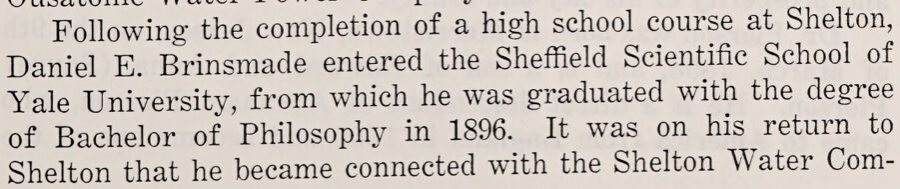
Following the completion of a high school course at Shelton, Daniel E. Brinsmade entered the Sheffield Scientific School of Yale University, from which he was graduated with the degree of Bachelor of Philosophy in 1896. It was on his return to Shelton that he became connected with the Shelton Water Com-
Text read by machine from the scan; it may contain errors.
History of Fairfield County, Connecticut, 1639-19281929 · page 189Read the page →
Read the text
The last named was a pupil in the grade schools and in the high school of Shelton and in 1902 entered St. John’s College at Brooklyn, New York, where he remained a student for two years. He then took up the study of law at Yale, completing his course by graduation in 1907. In June of that year he was admitted to the bar and opened an office in Shelton, where he remained in active practice until 1917, when he entered professional ranks in Bridgeport, but returned to Shelton in 1924. Throughout the
Text read by machine from the scan; it may contain errors.
Scans and text from the Internet Archive. Books published in 1930 or earlier, which are in the public domain.
By decade
Shelton, decade by decade
4 decades in the archive, from the 1890s to the 1940s. Scroll each row; tap a photo for its story.
Nothing in the archives for these yearsWeddings on Main Street, storms, parades, school pictures, the old store. If it’s in your family album, it belongs here.
In 1639, according to Wikipedia’s history of the town. Shelton’s post office opened in 1800, and the first U.S. census counted 2,742 people here in 1790.
How does Shelton rank for history?
Shelton is more historic than 49% of U.S. towns, #151 of 155 in Connecticut. The History grade combines the town’s founding era, the share of homes built before 1940 and its National Register listings. It’s a character grade, so it isn’t part of the overall grade. How it works.
What is on the National Register in Shelton?
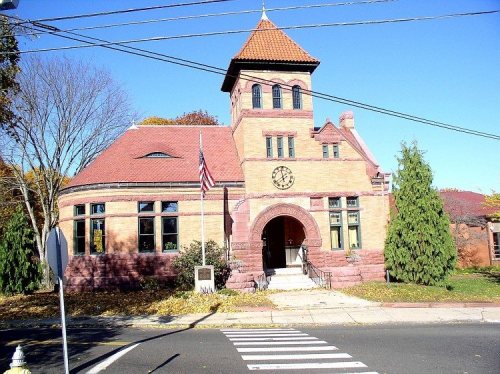
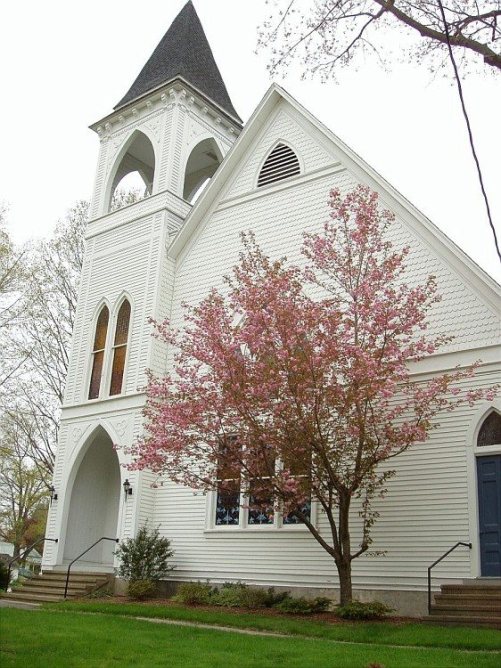
Three places: the Plumb Memorial Library (listed 1978), the Commodore Hull School (1983) and the Huntington Center Historic District (2000).
How old are the homes in Shelton?
11% of Shelton’s homes were built before 1940 (Census estimate, ±1.7 points), against a typical 15% for a Connecticut town; the median home was built in 1977.
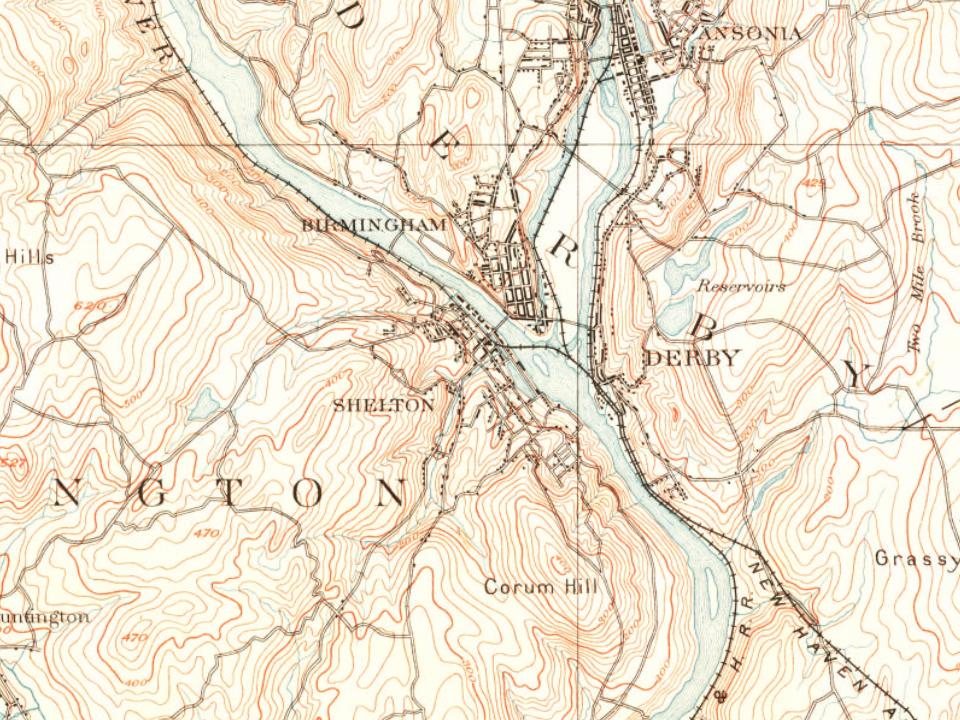
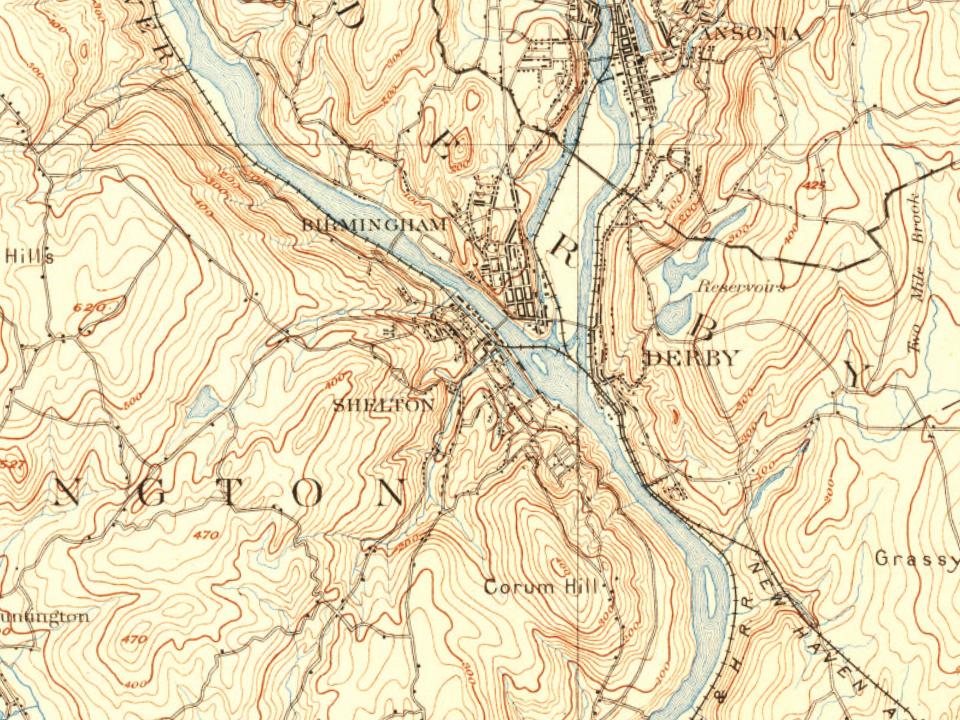
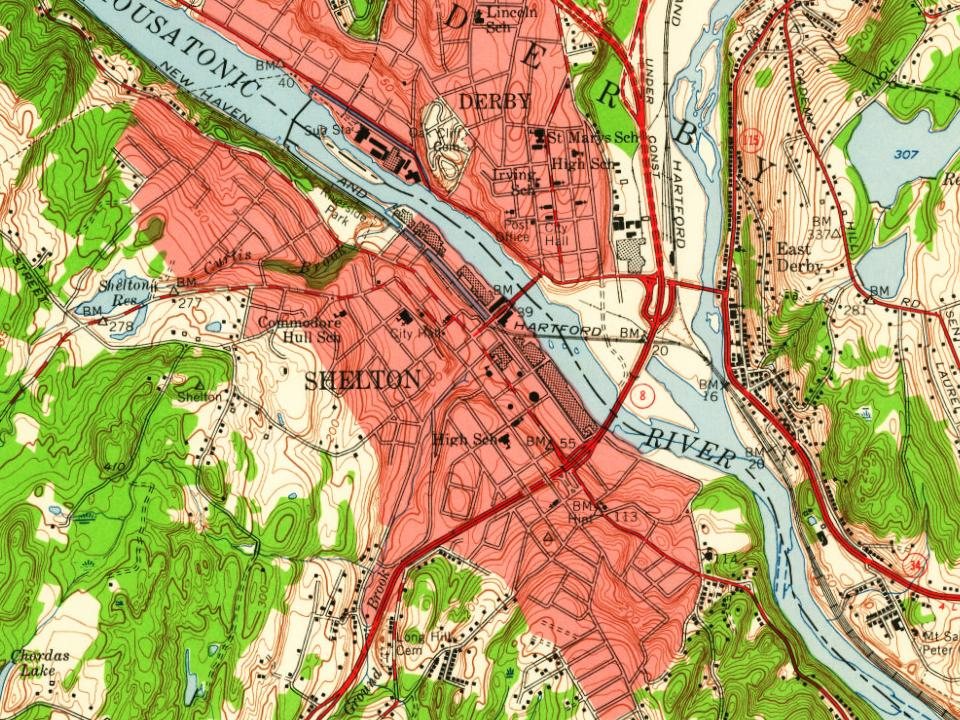
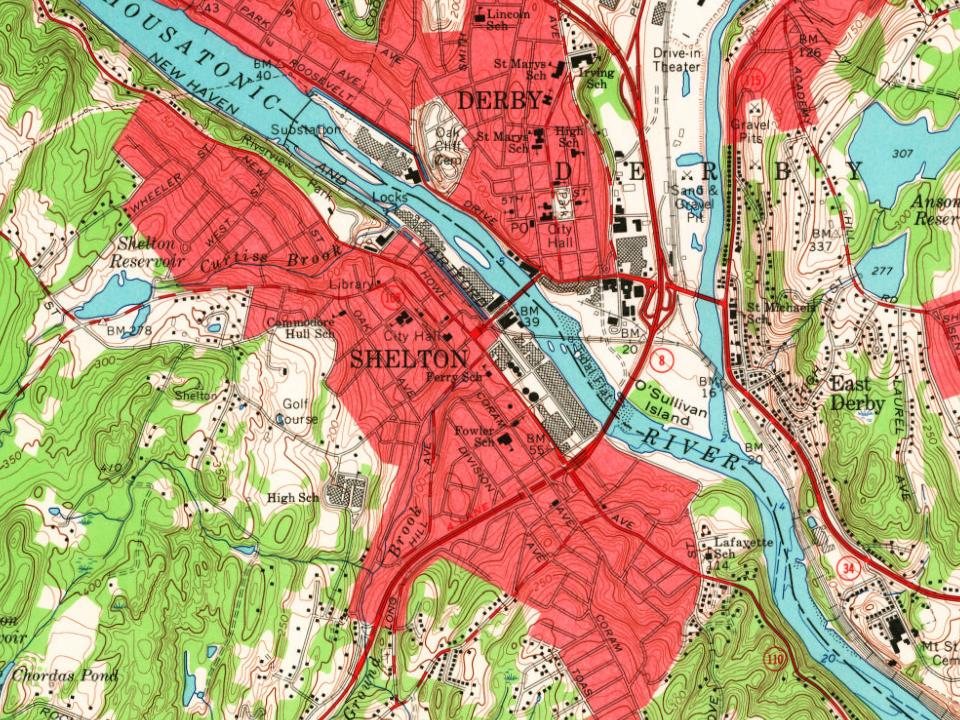
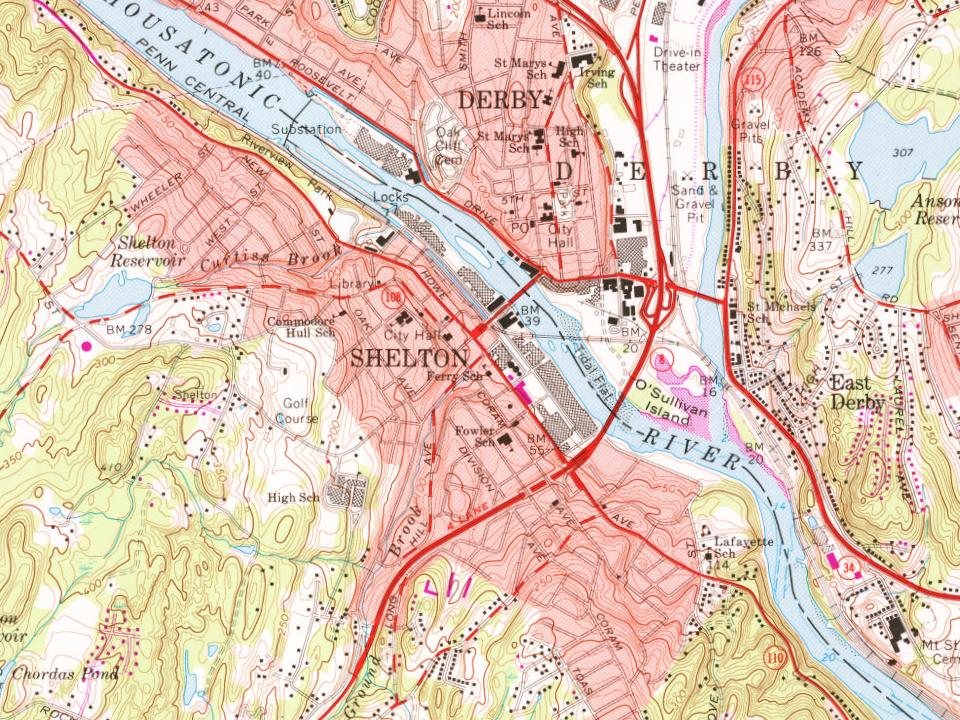
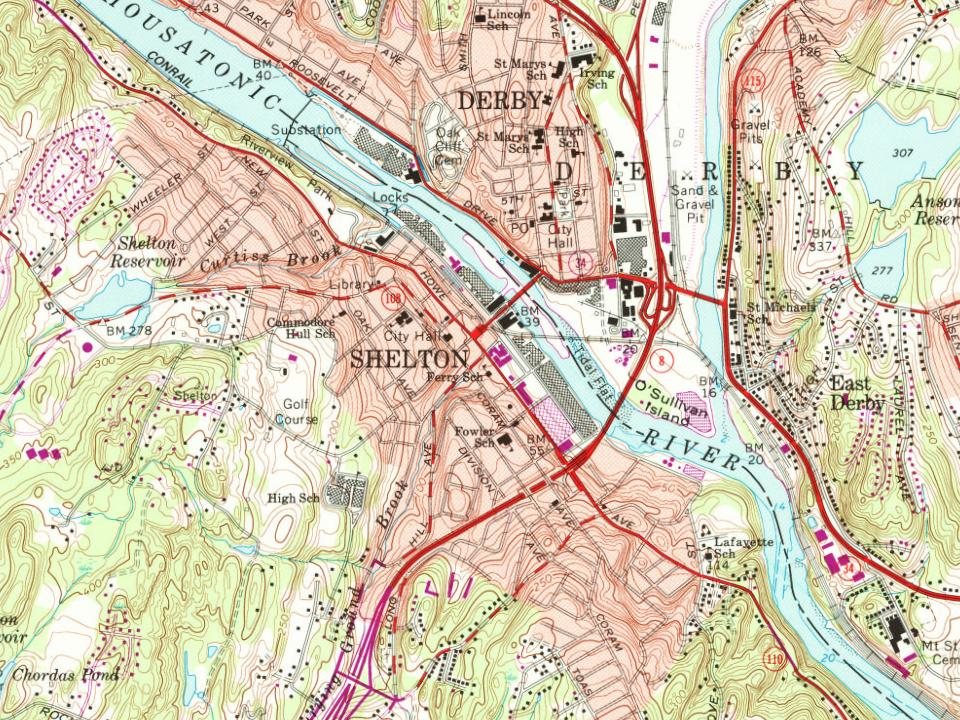
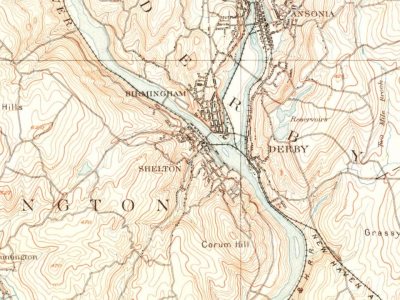
Founding dates: Wikidata, Wikipedia, the U.S. post office records of Blevins & Helbock (CC0) and the Census. Homes by year built: Census ACS 2020–24. National Register of Historic Places: National Park Service (list of May 22, 2026). Old photos, postcards and papers: Wikimedia Commons, the Library of Congress and other public archives, credited on each item’s page. Maps: U.S. Geological Survey historical topographic maps (via Esri) and Sanborn fire-insurance maps (Library of Congress). History text and census tables: Wikipedia (CC BY-SA 4.0). Places that used to be: USGS Geographic Names Information System (2021).
From Wikimedia Commons (28), the Library of Congress (6), the National Register of Historic Places (3), Wikipedia, Wikidata and Wikipedia for famous people, U.S. Geological Survey historical maps, U.S. Census counts (via Wikipedia), the US Post Offices dataset (Blevins & Helbock), the USGS Geographic Names Information System and old county and town histories (Internet Archive). Archive images are copied here with their credits and licenses, shown on each photo’s page. Refreshed monthly.
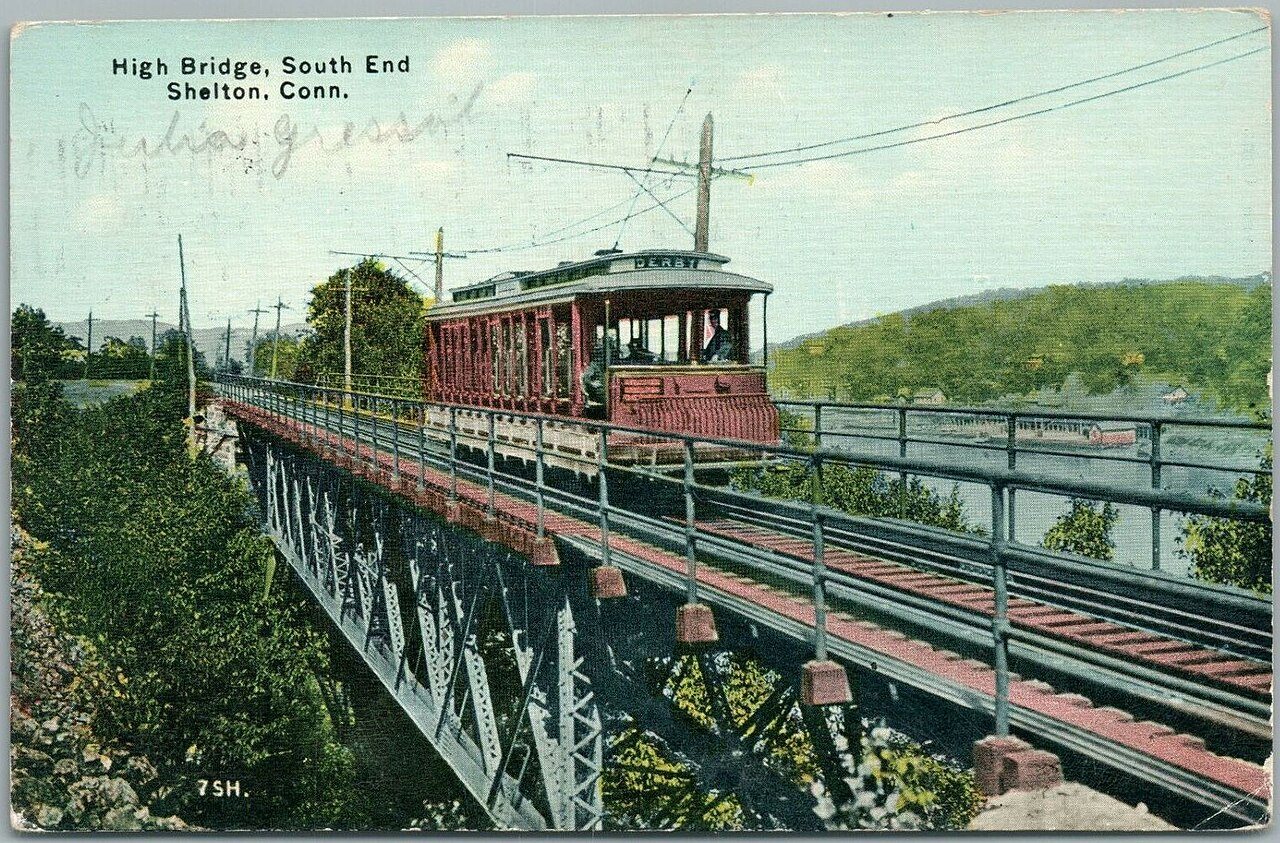





 c. 1913
 1919
 1919
 1940
 1940
 1940
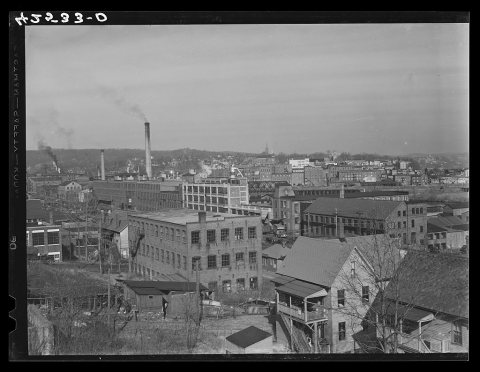 1940
 Date?
 2025
 2025
 2020
 2019
 2016
 2016
 2015
 2012
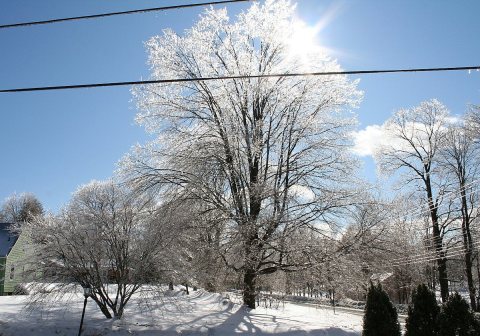 2011
 2011
 2010
 2010
 2009
 2009
 2007
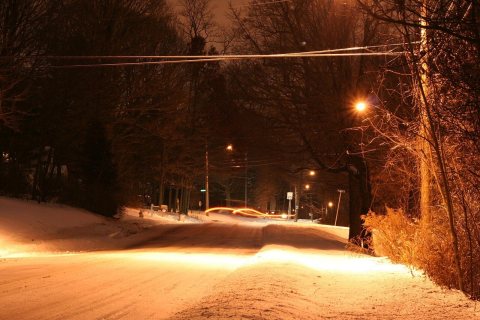 2007
 2007
 2007
 2007
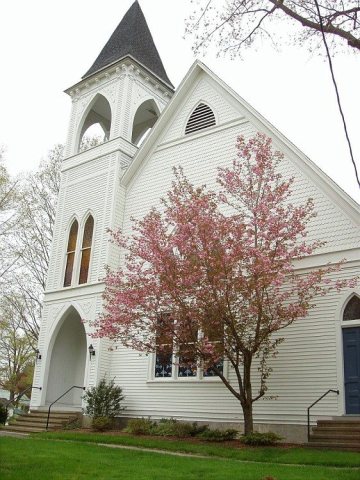 2007
 2006
 2004