Berlin dates to 1785, and 11% of its homes were built before 1940
More historic than 72% of U.S. towns · #112 of 155 in Connecticut. What drives it
5 places in town are on the National Register, among them a historic district with 92 buildings. Below: 18 old photos and papers, maps from 1893 on, and the census since 1790.
Founding year: Wikidata; Wikipedia’s history section gives the same year. First post office: 1799.The full story ↓
History grade
What drives Berlin’s History grade
On its age, its old homes and the National Register, Berlin is more historic than 72% of U.S. towns, #112 of 155 in Connecticut. Its age holds the grade up; its share of homes from before 1940 pulls it down.
B+
HistoryA character grade: shown, never part of Berlin’s overall grade.
Connecticut towns list more on the Register than most of the country (a typical Connecticut town has 73.3 per 10,000 residents, the U.S. 2.4), so Berlin’s 47.6 sits near the middle of its state (38% of Connecticut towns have fewer) while its 97 historic buildings outnumber those of 89% of U.S. towns.
How sure. Graded on any two of the three inputs instead, the letter would range from B to A−. The pre-1940 share is a Census survey estimate (±3.3 points). Two sources give 1785.
Founding year: Wikidata (other dates in Quick answers). Homes: Census ACS 2020–24. National Register: National Park Service, May 2026 list; each listing counted once (boundary changes and added documentation belong to their listing), and a historic district counts its contributing buildings. How TownRatings grades history →
What stands out about Berlin’s past
Read from the archive, the National Register and the record. The page puts what stands out first.
The town took parts away from Wethersfield (Now Rocky Hill and Newington), Middletown (Now Cromwell), Wallingford (Now Meriden) and Farmington (Now Southington and New Britain). Berlin was one of the birthplaces of interchangeable parts manufacturing and of the Industrial Revolution in the United States, in the workshop of Simeon North. The town was formerly known as Kensington.
In 1659, Sergeant Richard Beckley purchased 300 acres from Chief Tarramuggus, built a home for his family and became the first settler in what was to become Berlin. Other families slowly followed, and in 1686, Captain Richard Seymour led a group of families from Farmington to begin the first settlement on Christian Lane.
Passages that mention Berlin, cut from the printed page as they were published.
History of New Britain, with sketches of Farmington and Berlin, Connecticut. 1640-18891889 · page 209Read the page →
Read the text
By the division of the old town of Berlin in 1850 the original parishes of Kensington and Worthington were constituted a new town, with the old name of Berlin. Berlin as thus constituted is bounded on the north by New Britain and Newington ; on the east by Rocky Hill, Cromwell, and Middletown ; on the south by Middletown and Meriden ; and on the west by Southington. Its average length and breadth are each a little more than five miles, and the area is a little
Text read by machine from the scan; it may contain errors.
History of New Britain, with sketches of Farmington and Berlin, Connecticut. 1640-18891889 · page 285Read the page →
Read the text
In 1850, when New Britain ceased to be a parish or society in the old town of Berlin, and became itself, in law, the town of wliich it before was but a part, a few leading industries had become firmly established. The fostering care which they received, under the impulse given by the incorporation of the town, led to their further development.
Text read by machine from the scan; it may contain errors.
Scans and text from the Internet Archive. Books published in 1930 or earlier, which are in the public domain.
Timeline
Berlin, 1750 to 2020
Woven from the archive, old maps, post office records, the National Register and the people born here.
Nothing in the archives for these yearsWeddings on Main Street, storms, parades, school pictures, the old store. If it’s in your family album, it belongs here.
In 1785, according to Wikidata and Wikipedia’s history of the town. Berlin’s post office opened in 1799, and the first U.S. census counted 2,465 people here in 1790.
How does Berlin rank for history?
Berlin is more historic than 72% of U.S. towns, #112 of 155 in Connecticut. The History grade combines the town’s founding era, the share of homes built before 1940 and its National Register listings. It’s a character grade, so it isn’t part of the overall grade. How it works.
What is on the National Register in Berlin?
5 listings: 3 buildings, among them the Ezekiel Kelsey House (listed 1977, the first), 1 historic district, the Worthington Ridge Historic District, with 92 contributing buildings, and 1 object. 97 historic buildings in all.
How old are the homes in Berlin?
11% of Berlin’s homes were built before 1940 (Census estimate, ±3.3 points), against a typical 15% for a Connecticut town; the median home was built in 1972.
Founding dates: Wikidata, Wikipedia, the U.S. post office records of Blevins & Helbock (CC0) and the Census. Homes by year built: Census ACS 2020–24. National Register of Historic Places: National Park Service (list of May 22, 2026). Old photos, postcards and papers: Wikimedia Commons, the Library of Congress and other public archives, credited on each item’s page. Maps: U.S. Geological Survey historical topographic maps (via Esri) and Sanborn fire-insurance maps (Library of Congress). History text and census tables: Wikipedia (CC BY-SA 4.0). Places that used to be: USGS Geographic Names Information System (2021).
From Wikimedia Commons (12), the Library of Congress (6), the National Register of Historic Places (5), Wikipedia, Wikidata and Wikipedia for famous people, U.S. Geological Survey historical maps, U.S. Census counts (via Wikipedia), the US Post Offices dataset (Blevins & Helbock), the USGS Geographic Names Information System and old county and town histories (Internet Archive). Archive images are copied here with their credits and licenses, shown on each photo’s page. Refreshed monthly.


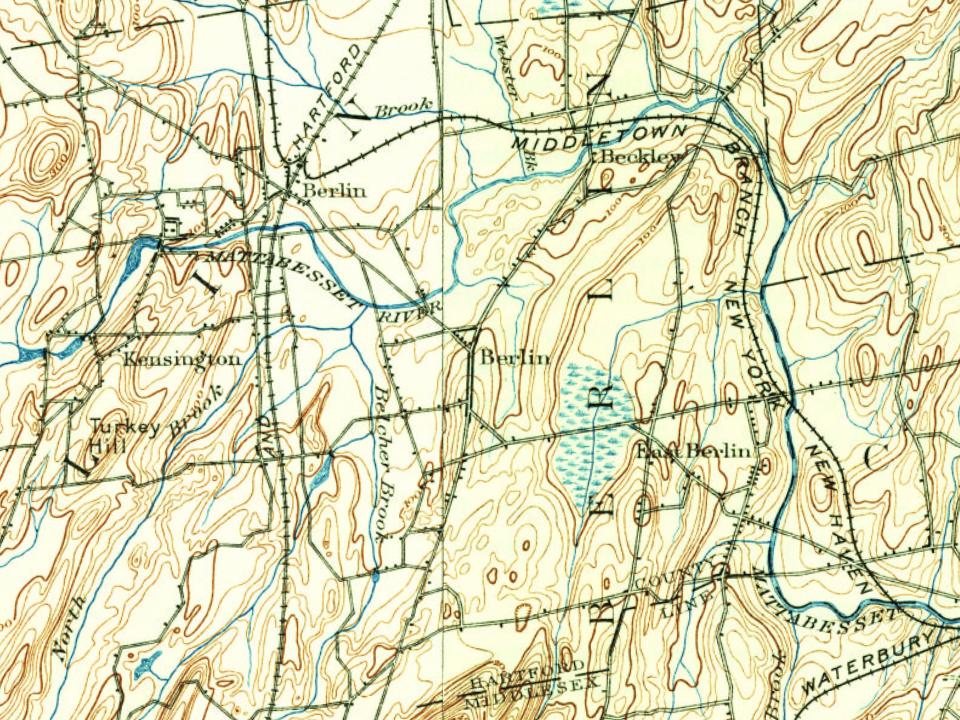




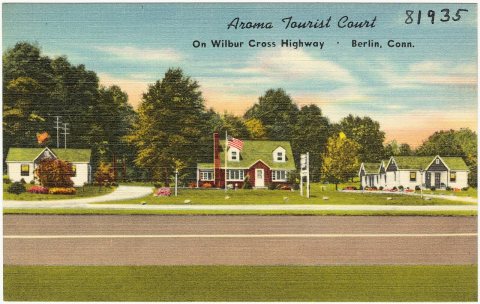
 c. 1907
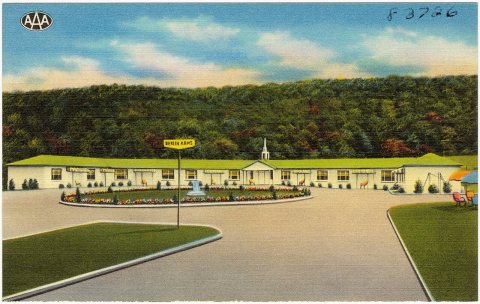 c. 1930
 c. 1930
 c. 1930
 c. 1930
 c. 1930
 c. 1930
 c. 1930
 c. 1930
 1939
 1939
 1939
 1939
 1939
 1939
