 Top
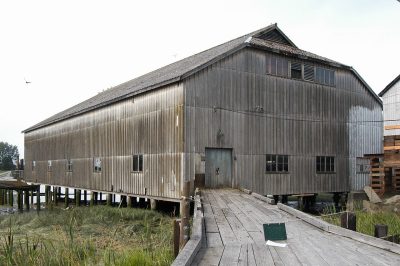
National Historic Site · 1890–1956Britannia Shipyard5180 Westwater DrivePhoto: Jeff Hitchcock · CC BY 2.0 · Commons file
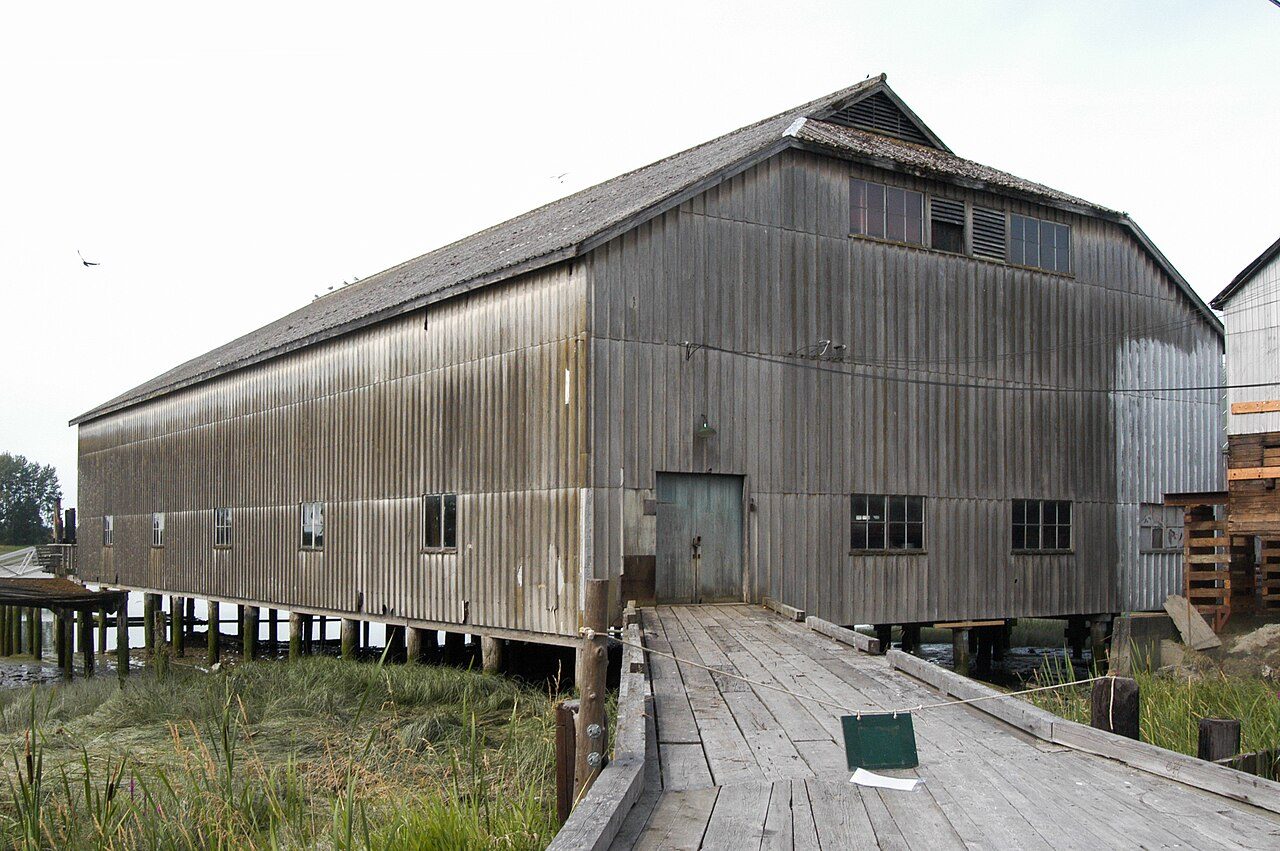 Britannia Shipyard · Photo: Jeff Hitchcock · CC BY 2.0
5historic places on the registers
History of Richmond · Canada’s heritage registers
Richmond has 5 historic places on the registers, 2 in the top tier
Its housing is mostly newer: 3.4% predates 1961, where the typical town has 18%. Of the dated places, Britannia Shipyard is the oldest, from 1890. Wikidata gives November 10, 1879 for the municipality, whether that is when it was founded, incorporated or merged. Designations here include 2 Recognized Federal Heritage Buildings and a provincial or municipal listing.
Historic places
5
0.2 per 10,000 residents
Highest designations
2
National Historic Sites and Classified Federal Heritage Buildings
Other federal designations
2
Recognized buildings, railway stations, lighthouses
Provincial and local listings
1
provincial and municipal listings with an encyclopedia article
Oldest building
1890
the first construction date on its record
Homes built before 1961
3.4%
typical town: 18%
In pictures
4 pictures of Richmond today, 4 from its past
The set opens with Britannia Shipyard and Gulf of Georgia Cannery. There are photos here of 4 of Richmond’s designated places. 4 different photographers shared them on Wikimedia Commons.
 Gulf of Georgia Cannery
 Harbour Air Hangar, Building T-018 at the Vancouver International Airport
 Minoru Chapel+1See all photos
Photos from Wikimedia Commons, each credited to its photographer with its licence; names open the place’s page. Tap a photo to step through them full screen.
Through time
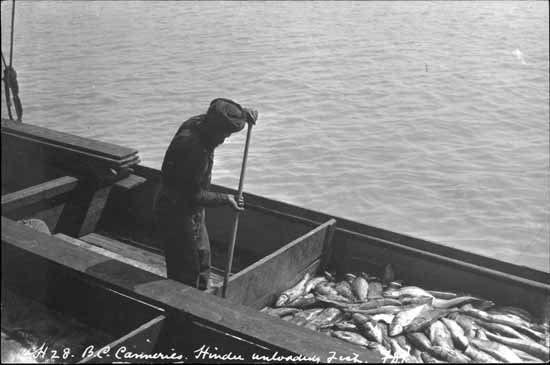
Old Richmond, 1900 to 1918
Oldest first: 4 old photographs of the town. Each dot on the line is a picture; tap one to open it full screen.
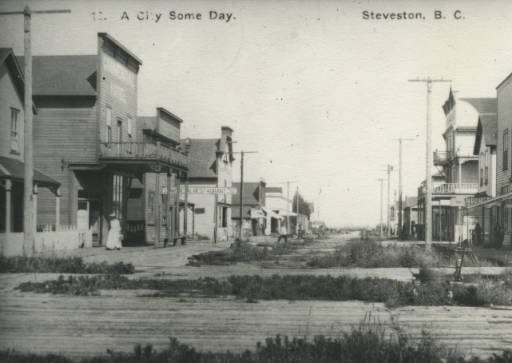 1900
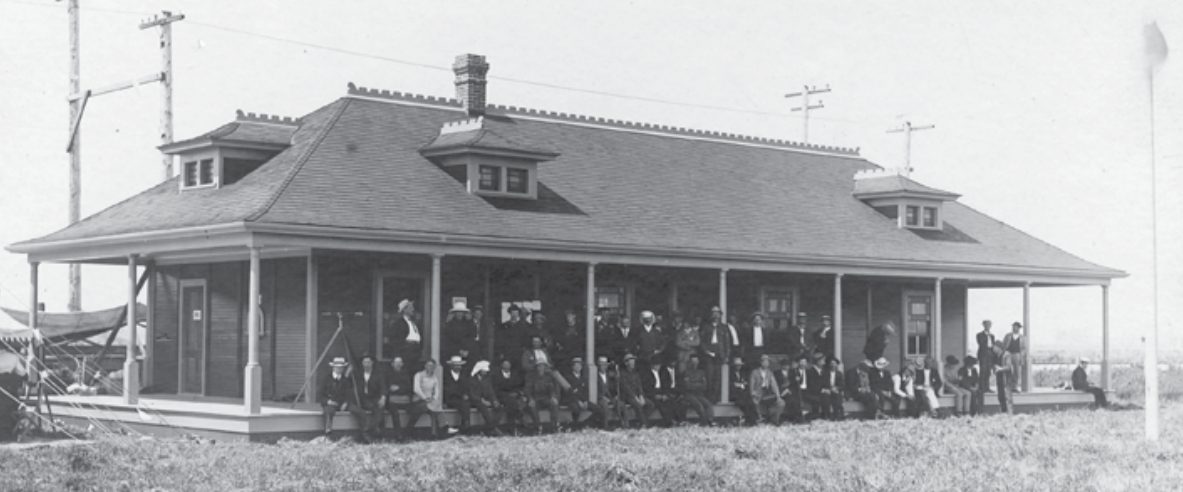 1905
 1913
 c. 1918
Public domain or CC0, made before 1950, from Wikimedia Commons; old views of places can be drawings, prints or maps of their time. Each credit opens the image’s page.
The map
Where Richmond’s history is
Every place on the registers inside the town, by its designation.
Highest designationsOther federal designationsProvincial and local listings
Tap any dot to open that place’s own page; hovering shows its name.
The 5, by tier
2 Highest designations2 Other federal designations1 Provincial and local listings
Federal designations come from Parks Canada’s directory; a province’s or a council’s own listing shows here only when Wikidata holds it and an encyclopedia covers it.
Points from Wikidata (Parks Canada’s files carry none) and from Québec’s register, as mapped there. One place, placed by its register’s municipality, has no point and isn’t on the map.
Highest designations
2 places in Richmond with the highest designation
Britannia Shipyard is the earliest, from 1890; the latest dates from 1894. National Historic Sites and Classified Federal Heritage Buildings, Canada’s highest federal recognition. Their designations span 1976 to 1991. Each one opens its own page.
 Top
National Historic Site · 1894–1965Gulf of Georgia Cannery12138 Fourth AvenuePhoto: Ymblanter · CC BY-SA 4.0 · Commons file
Other federal designations
Federal heritage in Richmond: 2 more places
Recognized Federal Heritage Buildings, heritage railway stations and lighthouses. “Harbour Air Hangar, Building T-018 at the Vancouver International Airport” is the earliest, from 1930; the latest dates from 1957. Each one opens its own page.
 Fed
Recognized Federal Heritage Building · 1930–1931Harbour Air Hangar, Building T-018 at the Vancouver International Airport4670 Cowley CrescentPhoto: Yan Lau · CC BY-SA 3.0 · Commons file
Recognized Federal Heritage Building · 1957–1958BCIT Hangar, Building T-131 at the Vancouver International Airport5301 Airport Road South
Provincial and local listings
One local listing in Richmond
Provincial and municipal listings that Wikidata records and an encyclopedia describes. Each one opens its own page.
 Local
Homes by age
Richmond is still building: 12% of homes date from 2016 to 2021, against 4.1%
Count back from today and half of Richmond’s homes are older than 2001. Richmond’s largest group of homes, 35%, went up from 1981 to 2000. Homes built from 2001 to 2015 make up 27% of Richmond’s, against 15% in the typical town.
3.4%
Before 1961
23%
1961–80
35%
1981–2000
27%
2001–15
12%
2016–21
RichmondTypical town
2021 Census, private dwellings by period of construction (Statistics Canada); the typical town is the middle Canadian town of 2,500 or more.
Neighbours
Richmond and its neighbours
| Town | People | Places | Highest | Oldest |
|---|---|---|---|---|
| Richmond | 239,584 | 5 | 2 | 1890 |
| Marpole | 28,182 | 1 | 1 | 1892 |
| Oakridge | 14,071 | 0 | 0 | — |
| Sunset | 37,186 | 0 | 0 | — |
| Kerrisdale | 14,105 | 0 | 0 | — |
| Victoria-Fraserview | 31,095 | 0 | 0 | — |
| Musqueam 2 | 1,879 | 0 | 0 | — |
In brief
Richmond in brief
The registers count 5 historic places in Richmond, 2 with the highest designation. Before 1961: just 3.4% of its homes, against 18% in the typical town. Beyond that, it has 5 historic places, about typical for a town its size (the middle one has 2); per resident it sits near the middle of Canadian towns of 2,500 or more; and one person of its past, John Murdoch Buchanan (1897).
How to read these numbers
What this data can and can’t tell you
- The grade. History is described, not graded, for every Canadian town.
- The tiers. Three tiers: the top for National Historic Sites, classified federal buildings and Québec’s classements, a second for the other federal designations, a third for provincial and municipal listings.
- Map points. Pins for federal places come from Wikidata rather than Parks Canada, which gives no points.
- The federal register. Parks Canada’s Directory of Federal Heritage Designations lists every National Historic Site, federal heritage building, heritage railway station and lighthouse; the Canadian Register of Historic Places adds their statements in English and French.
- Provincial and municipal lists. Provincial and municipal listings here come from Wikidata alone, since the provinces’ own registers can’t be reused; a listing needs an encyclopedia article to get a page.
- Protection. National historic designation honours a place but binds only federal owners; a private building’s protection depends on its province or municipality.
- People and events. The open directory puts its national historic persons nowhere, so a town shows one only on firm ground: a birth there, matched by name and life years, or a historic place there named for the person whose record says so. Events are left out.
Questions about Richmond’s history
Which places in Richmond have the highest designation?
These: Britannia Shipyard and Gulf of Georgia Cannery.
How old are the homes in Richmond?
Before 1961: 3.4% of its homes; the typical town has 18%.
What is the oldest building in Richmond?
Britannia Shipyard (National Historic Site): the first construction date on its record is 1890.
Why might a heritage building in Richmond be missing here?
Its province’s and council’s own lists can’t be reused here; 5 further listings in Richmond show up only as Wikidata numbers.
Contains information licensed under the Open Government Licence – Canada (Parks Canada).
Sources: Parks Canada, Directory of Federal Heritage Designations · Canadian Register of Historic Places (federal extract) · Wikidata (CC0) for map points, other names and articles · Statistics Canada, 2021 Census (homes by period of construction). Under the Statistics Canada Open Licence.
Adapted from Statistics Canada (Census of Population 2021, population estimates 2025, 2021 census boundaries) under the Statistics Canada Open Licence; this does not constitute an endorsement by Statistics Canada. Neighbourhood names in some cities © OpenStreetMap contributors (ODbL).