
Arches National Park
Arches National Park is a national park of the United States in eastern Utah. Its setting is 5 mi northwest of Moab. It comes under the National Park Service. In 2025, it drew 1.5M visitors.

A national park, 5 mi northwest of Moab
May is the busiest month
May averages about 187,304 visitors, 5.7 times January. When to go ↓
Summers are hot
July highs run 98–98°, and about 108 days a year reach 90°. When to go ↓
One of the most looked-up attractions in the U.S.
About 128K people a year read its Wikipedia article, more than for 97% of the 7,770 attractions we track.
Moab is the nearest base
Moab is 5 miles southeast, with 85 places to stay. Where to stay ↓
Best months: Apr, May and Oct
April, May and October are the mild months, with highs of 70–81°. When to go ↓
Written from National Park Service visitor counts, NOAA 1991–2020 normals, Overture places to stay, Census town figures, Wikidata and Wikipedia. Updated when the Park Service posts a new month.
Crowds, highs and lows
Use the months below to time a visit to Arches.
Arches National Park
Arches National Park is a national park of the United States in eastern Utah. The park is adjacent to the Colorado River, 4 mi (6 km) north of Moab, Utah. The park contains more than 2,000 natural sandstone arches, including the well-known Delicate Arch, which constitute the highest density of natural arches in the world. It also contains a variety of other unique geological resources and formations. The national park lies above an underground evaporite layer or salt bed, which is the main cause of the formation of the arches, spires, balanced rocks, sandstone fins, and eroded monoliths in the area.
- Type
- National Park
- Established
- 1971
- Area
- 137 square miles
- Run by
- National Park Service
- Listed
- International Dark Sky Park (2019)
- Wikipedia readers
- 128K a year
- Official site
- nps.gov/arch
When it is open
- Private Vehicle$30
- Motorcycle$25
- Per Person$15
Places to stay near Arches National Park
The nearest towns with places to stay are Moab (85) and Spanish Valley (4).
Moab
The closest town with somewhere to stay.
5,206 people
5 mi southeast of Arches Visitor Center · 3 mi to the park
Spanish Valley
756 people · 24% vacation homes
15 mi southeast of Arches Visitor Center · 11 mi to the park
Castle Valley
369 people · 30% vacation homes
12 mi east of Arches Visitor Center · 5 mi to the park
Compare 5 towns
| Town | From the visitor center | Drive | Places to stay | People | Typical home | Safety |
|---|---|---|---|---|---|---|
| Moab | 5 mi southeast | 10 min | 85 38 hotels · 10 motels · 8 inns & B&Bs · 7 lodges & cabins · 1 hostel · 15 campgrounds · 6 RV parks | 5,206 | $519K | C− |
| Spanish Valley 24% vacation homes | 15 mi southeast | 20 min | 4 2 lodges & cabins · 1 campground · 1 RV park | 756 | $776K | — |
| Castle Valley 30% vacation homes | 12 mi east | 20 min | 1 1 inn or B&B | 369 | $423K | — |
| Thompson Springs | 24 mi north | 35 min | 4 3 hotels · 1 RV park | — | — | — |
| La Sal | 29 mi southeast | 45 min | 1 1 campground | 373 | $87K | — |
Getting there
Nearest airports with airline service, from the visitor center
Worth adding to a visit
These well-known places are within 65 miles.
 41 mi National ParkCanyonlands National Park796K visitors a year
 119 mi State parkDead Horse Point State Park
 47 mi Canyon & gorgeBluejohn Canyon
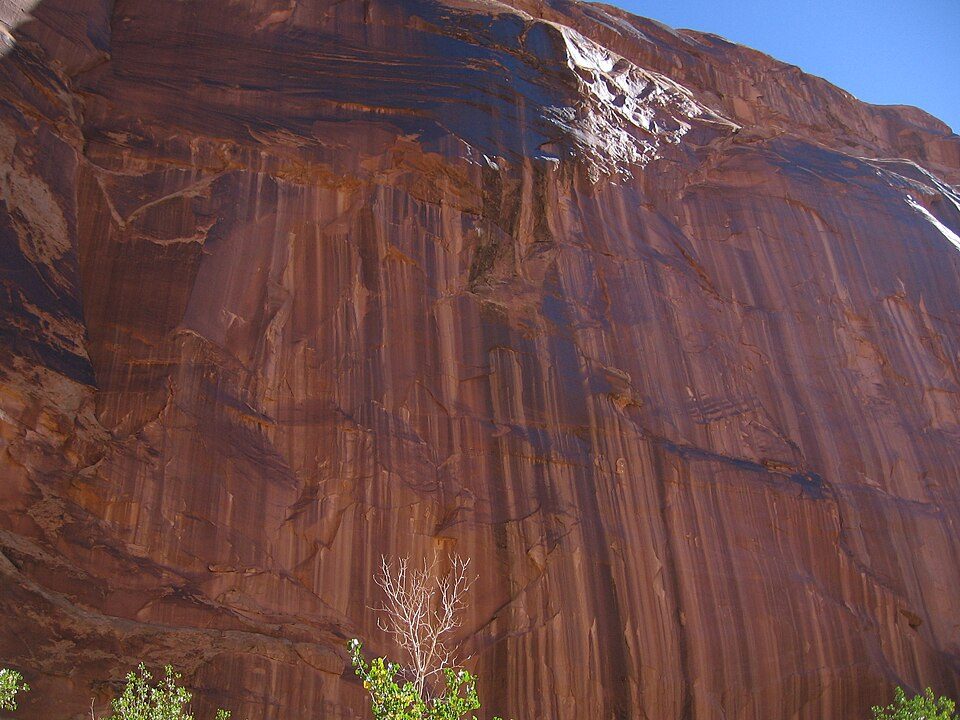 229 mi Canyon & gorgeHorseshoe Canyon
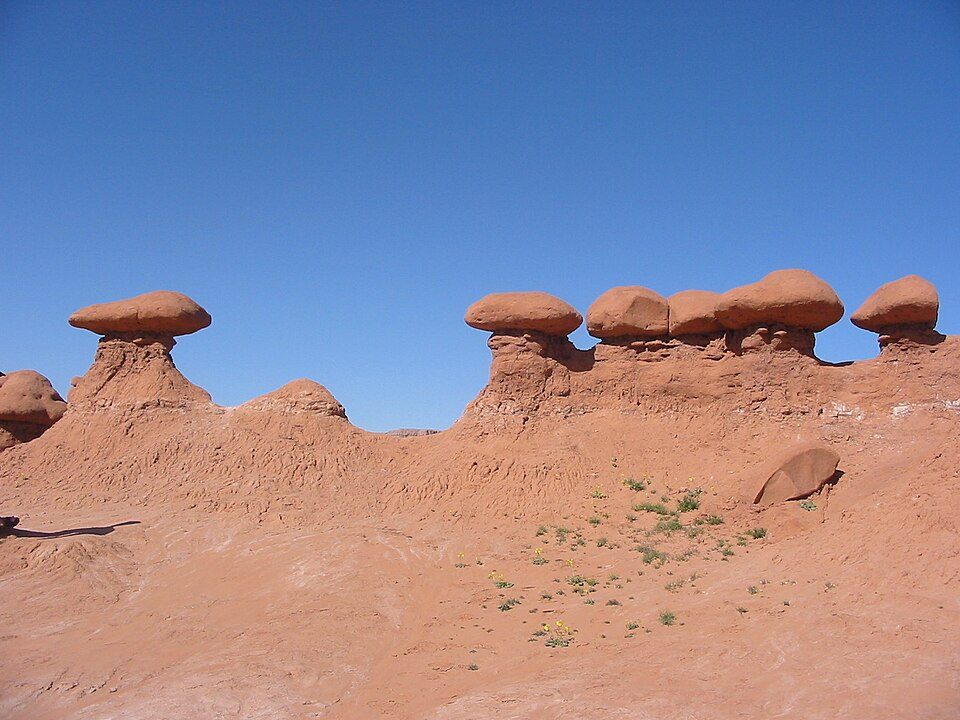 64 mi State parkGoblin Valley State Park
 51 mi National MonumentColorado National Monument483K visitors a year61 mi Canyon & gorgeRobbers Roost
 51 mi Ancient siteNewspaper Rock State Historic Monument
Photo credits
Canyonlands National Park: Phil Armitage, Public domain · Dead Horse Point State Park: Nikater, Public domain · Bluejohn Canyon: Michael Grindstaff, CC BY-SA 3.0 · Horseshoe Canyon: Surfsupusa at en.wikipedia, CC0 · Goblin Valley State Park: Donar Reiskoffer, CC BY 3.0 · Colorado National Monument: Daniel Schwen, CC BY-SA 4.0 · Newspaper Rock State Historic Monument: Unknown, CC BY-SA 3.0


Visitors in 2025: 1,511,740
The record starts in 2016 and runs to 2025.
Asked about Arches
What town is Arches National Park near?
Moab, UT, about 5 miles southeast.
When is the best time to visit Arches National Park?
April, May and October, with highs of 70–81°. May is the busiest month (about 187,304 visitors).
How many people visit Arches National Park each year?
1,511,740 in 2025, according to the National Park Service. The record is 1,806,865, set in 2021.
What is the closest airport to Arches National Park?
Canyonlands Regional (CNY), about 12 miles away. The nearest big hub is Salt Lake City (SLC), about 196 miles.
Where should I stay near Arches National Park?
Moab (5 mi, 85 places to stay), Spanish Valley (15 mi, 4 places to stay) and Thompson Springs (24 mi, 4 places to stay).
Local know-how from Moab
Tips will appear here once someone posts in Moab’s Town Square.
Sources: National Park Service · ski areas © OpenSkiMap / OpenStreetMap contributors · Wikidata · Wikipedia readership · National Park Service visitor use statistics · NOAA climate normals · U.S. Census.