 A
Cathedral · listed 1971Ness Walk, Cathedral Church of St Andrew (Episcopal)Photo: Lucas Kendall · CC BY-SA 4.0
 Ness Walk, Cathedral Church of St Andrew (Episcopal) · Photo: Lucas Kendall · CC BY-SA 4.0
–Not graded
History of Inverness · Historic Environment Scotland
299 listed buildings, 14 of them in the top category
Historic Environment Scotland counts them inside Inverness’s locality, 62 for every 10,000 residents. It also has 8 scheduled monuments. We have photos of 103 of its listed buildings and 8 old views of the town.
Listed buildings
299
62 per 10,000 residents
Category A
14
national importance
Category B
193
regional importance
Scheduled monuments
8
1 garden or designed landscape
In pictures
Inverness in 114 photos and old views
Tap a photo to step through them full screen.
 Inverness Sheriff Court and Justice of the Peace Court, including Police Station and boundary wall, Castle Wynd, Castle Hill, InvernessCategory A listed
 Ness Walk, Eden Court Theatre Including SculptureCategory A listed
 Clachnaharry Swing Bridge and Signal BoxCategory B listed
 Former Inverness Royal Academy Building (1895 and 1913 Blocks) and Lodge, Including Boundary Wall, Railings and Gatepiers, St Stephen's Street, InvernessCategory B listed
 High Street Market CrossCategory B listed+109See all photos
Photos from Wikimedia Commons and Geograph, copied to our own server, each credited to its photographer with its licence; names open the building’s page or its official list entry.
Through time
Inverness from 1771 to 1948
An old map and 8 old photos and postcards, in date order. All public domain, made before 1950.
 1771
 1880
 c. 1890
 c. 1890
 1903
 1903
 1903
 1929
 c. 1948
Public domain, from Wikimedia Commons, copied to our own server. Each credit opens the image’s page with its full description and history.
The map
Where Inverness’s history is
Every Category A and B building, monument and historic park.
Category ACategory BScheduled monumentPark or garden400 m from Inverness Sheriff Court and Justice of the Peace Court, including Police Station and boundary wall, Castle Wynd, Castle Hill, Inverness
8 of 14Category A buildings stand within 400 m of Inverness Sheriff Court and Justice of the Peace Court, including Police Station and boundary wall, Castle Wynd, Castle Hill, Inverness, a five-minute walk. So do 104 of the 299 listed buildings.
Hover a dot for its name; tap one with a photo to open it.
299 listed buildings by grade
14 Category A193 Category B92 Category C
Historic Environment Scotland lists buildings in three categories: Category A for buildings of national or international importance (about 7.5% of listed buildings), Category B for buildings of regional importance (about 50%), and Category C for buildings of local importance (about 43%). Listing protects the whole building, inside and out.
Every entry on Historic Environment Scotland’s designations whose point lies inside the NRS 2022 locality boundary. One list entry can cover a terrace or a group of buildings.
Category A
The 14 Category A listed buildings in Inverness
Buildings of national or international importance, about 7.5% of all listed buildings; 8 of these stand within 400 m of Inverness Sheriff Court and Justice of the Peace Court, including Police Station and boundary wall, Castle Wynd, Castle Hill, Inverness. 13 are photographed. Each opens its own page, with the official list entry.
 A
Walls & gates · listed 1971Inverness Sheriff Court and Justice of the Peace Court, including Police Station and boundary wall, Castle Wynd, Castle Hill, InvernessPhoto: Marcok · CC BY-SA 4.0
 A
Public · listed 2004Ness Walk, Eden Court Theatre Including SculpturePhoto: John Lord from Edinburgh, Scotland · CC BY 2.0
 A
Church · listed 1971Church Street, Old High ChurchPhoto: Christian David · CC BY-SA 4.0
 A
House · listed 1971High Street, Town HousePhoto: Enric · CC BY-SA 4.0
 A
House · listed 1971Huntly Street, Balnain HousePhoto: Reading Tom from Reading, UK · CC BY 2.0
 A
Church · listed 1971Huntly Street, St Mary's Rc ChurchPhoto: Kitgehrke · CC BY-SA 4.0
 A
Public · listed 1981Margaret Street, Former Farraline Park SchoolPhoto: Enric · CC BY-SA 4.0
 A
House · listed 19712 Bridge Street and Church Street, Town SteeplePhoto: Braveheart · CC BY-SA 4.0
 A
House · listed 198128-34 (Even Nos Only) Academy StreetPhoto: Braveheart · CC BY-SA 4.0
 A
House · listed 197654-60 (Even Numbers Only) High StreetPhoto: Victuallers · CC BY-SA 4.0
 A
House · listed 197186 and 88 Church Street Dunbar's HospitalPhoto: Enric · CC BY-SA 4.0
 A
House · listed 19719 and 11 High Street Bank of ScotlandPhoto: Enric · CC BY-SA 4.0
House · listed 1971Inshes House, Tower House in Grounds
Category B
The 193 Category B listed buildings in Inverness
Buildings of regional importance. 90 are photographed.
 B
Walls & gates · listed 1999Clachnaharry Swing Bridge and Signal BoxPhoto: Iain Lees · CC BY-SA 2.0
 B
Walls & gates · listed 1981Former Inverness Royal Academy Building (1895 and 1913 Blocks) and Lodge, Including Boundary Wall, Railings and Gatepiers, St Stephen's Street, InvernessPhoto: Victuallers · CC BY-SA 4.0
 B
Public · listed 1981High Street Market CrossPhoto: Enric · CC BY-SA 4.0
 B
Church · listed 1981Abban Street and Lochalsh Road, St Michael and All Angels Episcopal ChurchPhoto: Len Black · CC BY-SA 2.0
 B
Church · listed 1971Abertarff House, 71 Church StreetPhoto: Reading Tom from Reading, UK · CC BY 2.0
 B
Church · listed 1981Academy Street, East Parish ChurchPhoto: Lirazelf · CC BY-SA 3.0
 B
Public · listed 2007Academy Street, Inverness Station, Lochgorm WorksPhoto: Julian Paren · CC BY-SA 2.0
 B
Public · listed 1976Academy Street, Union Street, Church Street and Queensgate, Market Arcade and New MarketPhoto: Enric · CC BY-SA 4.0
 B
Church · listed 1971Bank Street Free North ChurchPhoto: Enric · CC BY-SA 4.0
 B
Church · listed 1981Bank Street and Fraser Street, St Columba High ChurchPhoto: Enric · CC BY-SA 4.0
 B
Church · listed 1971Church Street, Greyfriars Free ChurchPhoto: Victuallers · CC BY-SA 4.0
 B
House · listed 1971Clachnaharry Road TollhousePhoto: Milestone Society · CC BY-SA 2.0
Show the other 181
 B
Public · listed 1986Craig Dunain HospitalPhoto: Alasdair MacNeill · CC BY-SA 2.0
 B
House · listed 1971Cromwell Road, Clock TowerPhoto: Craig Wallace · CC BY-SA 2.0
 B
Church · listed 1981Huntly Street, West Parish ChurchPhoto: Enric · CC BY-SA 4.0
 B
Public · listed 1981Kingmills Road, Crown Primary SchoolPhoto: Victuallers · CC BY-SA 4.0
 B
House · listed 2002Mackintosh Road, RAF Filter Block (The Bunker)Photo: Craig Wallace · CC BY-SA 2.0
 B
Inns & shops · listed 1981Ness Walk Columba HotelPhoto: Enric · CC BY-SA 4.0
 B
Public · listed 1981Ness Walk Palace HotelPhoto: Enric · CC BY-SA 4.0
 B
House · listed 1981Ness Walk, Ballifeary House (Home of Rest)Photo: Andrew Abbott · CC BY-SA 2.0
 B
Church · listed 1981Ness Walk, Royal Northern Infirmary and Tweedmouth Memorial ChapelPhoto: thejackrustles · CC BY-SA 2.0
 B
House · listed 1981Ness Walk, Royal Northern Infirmary, Former Nurses' HomePhoto: Bill Harrison · CC BY-SA 2.0
 B
Public · listed 1986Off Montague Row Inverness High SchoolPhoto: Alan Cooper · CC BY-SA 2.0
 B
House · listed 1971Perth Road and Culcabock Avenue, Drakies HousePhoto: Richard Dorrell · CC BY-SA 2.0
 B
Public · listed 1971Perth Road, Cameron BarracksPhoto: Dave Conner from Inverness, Scotland · CC BY 2.0
 B
Church · listed 1971Robertson Mausoleum, Old High Churchyard, Church StreetPhoto: Victuallers · CC BY-SA 4.0
 B
Church · listed 1971Southside Road, St Stephen's ChurchPhoto: Stuart Logan · CC BY-SA 2.0
 B
House · listed 1971Stoneyfield HousePhoto: Craig Wallace · CC BY-SA 2.0
 B
House · listed 19811 to 6 (Inclusive Nos) Ness Walk and 1 and 3 Young StreetPhoto: Enric · CC BY-SA 4.0
 B
House · listed 19811, 3, 5 and 7 High StreetPhoto: Andrew Abbott · CC BY-SA 2.0
 B
House · listed 19811-13 (Odd Numbers Only) Queensgate and 33 Academy StreetPhoto: Lirazelf · CC BY-SA 3.0
 B
House · listed 19711-6 (All Nos) Ardross TerracePhoto: Enric · CC BY-SA 4.0
 B
House · listed 19711-9 Ardross Street (All Numbers)Photo: Enric · CC BY-SA 4.0
 B
House · listed 198110 Douglas RowPhoto: Victuallers · CC BY-SA 4.0
 B
House · listed 1981106, 108, 110 Academy Street and 1, 3, And 5 Rose Street (The Phoenix Bar)Photo: Lirazelf · CC BY-SA 3.0
 B
House · listed 1971109 Church StreetPhoto: Victuallers · CC BY-SA 4.0
 B
House · listed 198111 Douglas RowPhoto: Victuallers · CC BY-SA 4.0
 B
House · listed 1971111 Church StreetPhoto: Victuallers · CC BY-SA 4.0
 B
House · listed 1971115 Church StreetPhoto: Victuallers · CC BY-SA 4.0
 B
House · listed 198112 Douglas RowPhoto: Victuallers · CC BY-SA 4.0
 B
House · listed 198112 and 14 Crown Avenue, Crown HousePhoto: Victuallers · CC BY-SA 4.0
 B
House · listed 198113 Douglas RowPhoto: Victuallers · CC BY-SA 4.0
 B
House · listed 198114 Culduthel RoadPhoto: Richard Dorrell · CC BY-SA 2.0
 B
House · listed 198114 Douglas RowPhoto: Victuallers · CC BY-SA 4.0
 B
House · listed 198115 Academy StreetPhoto: Enric · CC BY-SA 4.0
 B
House · listed 198115 Douglas RowPhoto: Victuallers · CC BY-SA 4.0
 B
House · listed 198116 Douglas RowPhoto: Victuallers · CC BY-SA 4.0
 B
House · listed 197116, 17 and 18 Ness BankPhoto: Andrew Abbott · CC BY-SA 2.0
 B
House · listed 198117 Douglas RowPhoto: Victuallers · CC BY-SA 4.0
 B
House · listed 198118 Academy Street, Royal Highland HotelPhoto: Victuallers · CC BY-SA 4.0
 B
House · listed 198118 Douglas RowPhoto: Victuallers · CC BY-SA 4.0
 B
House · listed 198118-30 (Even Numbers Only) Queensgate, 58 and 60 Church Street and 2 Post Office LanePhoto: Enric · CC BY-SA 4.0
 B
House · listed 198119 Douglas RowPhoto: Victuallers · CC BY-SA 4.0
 B
House · listed 19812 Douglas RowPhoto: Victuallers · CC BY-SA 4.0
 B
House · listed 19812 EastgatePhoto: Victuallers · CC BY-SA 4.0
 B
House · listed 19812 Hill PlacePhoto: Victuallers · CC BY-SA 4.0
 B
House · listed 19812 Inglis Street and 4 Inglis StreetPhoto: Victuallers · CC BY-SA 4.0
 B
House · listed 19812-10 (Even Numbers Only) QueensgatePhoto: Lirazelf · CC BY-SA 3.0
 B
House · listed 198120 Douglas RowPhoto: Victuallers · CC BY-SA 4.0
 B
House · listed 198121 Douglas RowPhoto: Victuallers · CC BY-SA 4.0
 B
House · listed 198121 and 23 High Street and 1-21 (Odd Numbers Only) Lombard Street, And Baron Taylor's StreetPhoto: Enric · CC BY-SA 4.0
 B
House · listed 198121-39 Union Street (Odd Numbers Only), 2 Drummond Street and 24 Church Street Douglas HotelPhoto: Enric · CC BY-SA 4.0
 B
House · listed 198122 and 23 Douglas RowPhoto: Victuallers · CC BY-SA 4.0
 B
House · listed 198124 (Ironside) and 26 Crown DrivePhoto: Victuallers · CC BY-SA 4.0
 B
House · listed 198124 Douglas RowPhoto: Victuallers · CC BY-SA 4.0
 B
House · listed 198126 High StreetPhoto: Victuallers · CC BY-SA 4.0
 B
House · listed 197126 Oak Avenue (Old Drummond)Photo: Craig Wallace · CC BY-SA 2.0
 B
House · listed 199428 Abban Street, St Michael and All Angels Episcopal Church Rectory with Boundary WallsPhoto: Alan Reid · CC BY-SA 2.0
 B
House · listed 198128 Friars' LanePhoto: Victuallers · CC BY-SA 4.0
 B
House · listed 198128 and 30 High StreetPhoto: Victuallers · CC BY-SA 4.0
 B
House · listed 19833 Douglas RowPhoto: Victuallers · CC BY-SA 4.0
 B
House · listed 19813 Hill PlacePhoto: Victuallers · CC BY-SA 4.0
 B
House · listed 19813 Ladies WalkPhoto: thejackrustles · CC BY-SA 2.0
 B
House · listed 198132 and 34 High StreetPhoto: Victuallers · CC BY-SA 4.0
 B
House · listed 198136 Huntly StreetPhoto: Victuallers · CC BY-SA 4.0
 B
House · listed 198139 High StreetPhoto: Enric · CC BY-SA 4.0
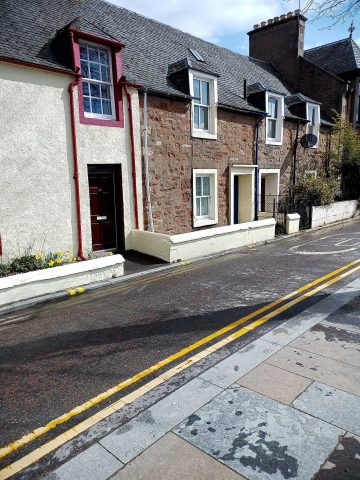 B
House · listed 19814 Douglas RowPhoto: Victuallers · CC BY-SA 4.0
 B
House · listed 198141 High StreetPhoto: Victuallers · CC BY-SA 4.0
 B
House · listed 19815 Douglas RowPhoto: Victuallers · CC BY-SA 4.0
 B
House · listed 198150 Union Street and 26 Church Street Bank of ScotlandPhoto: Enric · CC BY-SA 4.0
 B
House · listed 19816 and 8 Inglis StreetPhoto: Andrew Abbott · CC BY-SA 2.0
 B
House · listed 199660-66 Academy StreetPhoto: Enric · CC BY-SA 4.0
 B
House · listed 19907A,9-13 Ardconnel Terrace (Odd Nos)and 1-6 (Inclusive) Tulloch BuildingsPhoto: Victuallers · CC BY-SA 4.0
 B
House · listed 19818 Douglas RowPhoto: Victuallers · CC BY-SA 4.0
 B
House · listed 19819 Douglas RowPhoto: Victuallers · CC BY-SA 4.0
 B
House · listed 19719 and 10 Ardross TerracePhoto: Enric · CC BY-SA 4.0
 B
House · listed 198191-97 (Odd Numbers Only) Academy StreetPhoto: Lirazelf · CC BY-SA 3.0
 B
House · listed 198192 and 94 Academy StreetPhoto: Victuallers · CC BY-SA 4.0
 B
House · listed 198196-104 (Even Numbers Only) Academy Street and 2 Rose StreetPhoto: Lirazelf · CC BY-SA 3.0
 B
House · listed 198199-107 (Odd Numbers Only) Academy StreetPhoto: Lirazelf · CC BY-SA 3.0
Walls & gates · listed 2008Ardross Street, Northern Meeting Park Pavilion Building and Boundary Walls
House · listed 1981Charleston Place Muirtown House
House · listed 1981Clachnaharry Road 1 and 3 High Street
Public · listed 1986Culduthel House (Part of Culduthel Hospital)
House · listed 1981Culduthel Road, Altnaskiach House
House · listed 1981Culduthel Road, Hedgefield Hostel and Stable Block, Walled Garden
Walls & gates · listed 1976Former Canal Workshops and Smiddy, Clachnaharry Road, Caledonian Canal
Public · listed 1981Huntly Street and King Street, Inverness Roman Catholic Junior Secondary School
House · listed 1971Inshes House
House · listed 1996Ivybank, 28 Old Edinburgh Road
House · listed 1996Mayfield Road, The Isobel Fraser Home of Rest
Public · listed 1971Ness Castle and Glass Houses
Inns & shops · listed 1981Ness Walk, And Ballifeary Lane, Springfield Hotel
Public · listed 1981Ness Walk, Eden Court (Former Bishop's Palace Only)
Public · listed 1981Old Edinburgh Road, Old Edinburgh Court and Archway at Entrance
Inns & shops · listed 1971Old Mill Lane, Culcabock House
House · listed 1986Seafield of Raigmore
House · listed 1990South Kessock, Thornbush Quay, Sheer Legs
House · listed 1981Stratherrick Road, Bellevue
House · listed 1981Stratherrick Road, Drummond Hill
House · listed 1981Stratherrick Road, Drummond Tower
Inns & shops · listed 1981Stratherrick Road, Lochardil Hotel
House · listed 1981Stratherrick Road, Lodge, Drummond Hill
House · listed 1981Stratherrick Road, Westwood
Public · listed 1986Telford Road, Merkinch Primary School, School House and Retaining Railings
House · listed 19811 Bishop's Road
House · listed 19811 Ladies Walk, Eileanach
House · listed 19811 and 3 Market Brae
House · listed 19811-17 (Odd Numbers Only) Union Street
House · listed 19811-9 (Odd Numbers Only) Academy Street
House · listed 198110 Ardross Street
House · listed 198610 Culduthel Road, Viewmount
House · listed 198110-24 (Even Numbers Only), Union Street
House · listed 198111 Drummond Crescent
House · listed 198111 Island Bank Road
House · listed 198113 Annfield Road, Lethington
House · listed 198113 Drummond Crescent (Brae Rannoch) and Cottage
House · listed 1981135 Culduthel Road
House · listed 198114 Ardross Street
House · listed 1981145 Culduthel Road
House · listed 198115 Ardross Street
House · listed 198115-45 (Odd Numbers Only) Queensgate
House · listed 198116 Ardross Street
House · listed 198116 Culduthel Road
House · listed 198116 and 17 Huntly Street
House · listed 198117 Island Bank Road, Riverdale
House · listed 198117 and 19 High Street
House · listed 198118 Culduthel Road
House · listed 198119 Church Street
House · listed 19811A and 3 Annfield Road
House · listed 19812 Dores Road, The Firs, And Garden Wall
House · listed 19812 Drummond Crescent, Rosedene
House · listed 19812 Moray Park, Island Bank
House · listed 19812 and 4 Grant Street and 1 Anderson Street
House · listed 198120 Culduthel Road Beechlawn
House · listed 198122 Culduthel Road, Heatherly House
House · listed 197124-38 (Even Numbers Only) Telford Street
House · listed 198126 Culduthel Road
House · listed 198126 Southside Road
House · listed 198627 Broadstone Park Oakdene
House · listed 198129 Island Bank Road, Carrol
House · listed 19813 Drummond Crescent
House · listed 19813 Huntly Place
House · listed 19813 Moray Park, Island Bank Road
House · listed 197130 Huntly Street, St Mary's Rc Presbytery
House · listed 198131 Island Bank Road, Rossal
House · listed 198133, 33A, 33B and 35 Castle Street
House · listed 198137 Southside Road
House · listed 198137 and 39 Castle Street
House · listed 198138 Island Bank Road
House · listed 198138-46 (Even Numbers Only) Union Street
House · listed 19814 Huntly Place
House · listed 19814 Ladies Walk
House · listed 19714-14 (Even Nos Only) Bridge Street
House · listed 198141 and 45 Castle Street
House · listed 198141-44 Huntly Street (All Numbers)
House · listed 198143, 45, 47 Church Street
House · listed 198145-48 Huntly Street (All Numbers)
House · listed 198147 and 49 Castle Street
House · listed 198148 Culduthel Road
House · listed 19715 Culduthel Road Ardkeen Tower
House · listed 19815 Huntly Place
House · listed 19815 and 6 Viewplace and Garden Wall
House · listed 198151-53 (Odd Nos Only) Castle Street
House · listed 19816 Ladies Walk
House · listed 198160 (Maryfield) and 62 Midmills Road
House · listed 198160 Telford Street and Outbuilding and Garden Wall
House · listed 198167 Church Street
House · listed 198168 Culduthel Road
House · listed 19817 Culduthel Road
House · listed 19817 Ladies Walk
House · listed 19717 and 8 Ardross Terrace
House · listed 19817 and 8 Viewplace and Garden Wall
House · listed 19818 and 9 Huntly Place
House · listed 198182 Church Street
House · listed 197184 Church Street Bow Court
House · listed 198187 Culduthel Road Cluny House
House · listed 198189 Culduthel Road
House · listed 19819 and 11 Bank Lane and Bank Street, Inverness Courier Office
House · listed 198199 Castle Street
Historic streets
Douglas Row has the most listed buildings
Streets by the listed entries with an address on them. One entry can be a whole terrace, so long rows count once.
Douglas Row20 listed · 20 II*


Culduthel Road12 listed · 10 II*

Wells Street10 listed
Ardross Street9 listed · 4 II*
Church Street9 listed · 7 II*


High Street7 listed · 7 II*


Island Bank Road7 listed · 3 II*
Southside Road7 listed · 2 II*
Academy Street6 listed · 3 II*


Castle Street6 listed · 5 II*
Ladies Walk6 listed · 4 II*

Huntly Place5 listed · 4 II*
Of the 299 entries, 192 are named by a street address; the rest are named buildings such as churches, halls and bridges.
What’s protected
Most of Inverness’s listed buildings are homes
Every listed building sorted by what its list name says it is.
Houses, terraces & villas245
Public & civic buildings18
Churches, chapels & priories15
Walls, gates & bridges11
Inns, shops & warehouses6
Memorials, crosses & tombs4
245 entries (82%) are houses, terraces and villas. 15 are churches, chapels and priories, including 3 of the 14 Category A buildings.
Buildings are sorted by words in each entry’s name (church, gate, inn, memorial…): the list’s open data has no building type. An entry named only by its address counts as a house.
Category C
92 Category C listed buildings
This category covers buildings of local importance. Open any building to read its official list entry.
All 92 Category C listed buildings, A to Z
Academy Street, Monument to 79TH Queen`S Own Cameron Highlanders Killed in Egypt and the Sudan(1882-1887)Ardross Street, Highland Regional Council BuildingsCastle Wynd Statue of Flora Macdonald, Castle HillCelt Street Thistle InnChapel Street Chapel Yard, Gatepiers and Boundary WallClachnaharry High Street, Former Clachnaharry Public SchoolClachnaharry, Clan Battle MonumentDrumdevan HouseDunolly, Caledonian Canal, Clachnaharry Road, InvernessFormer Inshes estate entrance archway and gate lodge including outbuilding to the east, and excluding later corrugated iron addition at the southwest of the gate lodge, Culloden Road, InvernessHuntly Street, Former Queen Street ChurchInshes, Helen's LodgeLadies Walk, Forbes FountainLadies Walk, War MemorialMuirtown Cottage, Clachnaharry Road, InvernessNess Bank and Haugh Road, Ness Bank ChurchNess Walk, Royal Northern Infirmary, Porter's LodgeOld Edinburgh Road, LamburnPerth Road, Viewfield HousePlaque in Boundary Wall Only, Clachnaharry Road, InvernessStratherrick Road, Lodge, Lochardil HotelTomnahurich Bridge Keeper's Cottage, Caledonian Canal, Inverness1 Ballifeary Road and 15 Bishop's Road1 Grant Street, Argyle Bar1 and 2 Viewplace and Castle Street and Culduthel Road1, 1A, 1B and 3 Muirtown Street1-10 (Inclusive Numbers) and 12 Victoria Terrace1-11 (Odd Nos) Tomnahurich Street10 Huntly Place10 Ness Bank (Including Former Number 12 Ness Bank)10 and 11 Viewplace10 and 12 Inglis Street101 and 103 Castle Street105, 107 Church Street11 and 12 Ardross Street118, 120, 122 Academy Street12 Huntly Place, (Formerly Known As 78 Kessock Street Upper)12 Muirtown Street12 Ness Bank (Formerly Number 13 Ness Bank)13 Ardross Street13 Island Bank Road, Woodfield13-19 (Odd Numbers Only) Young Street14 Ness Bank, Struan14 and 16 Inglis Street15 Island Bank Road15 Ness Bank16 Celt Street17 Ardross Street18 Ardross Street19 Ardross Street19 Culduthel Road19 Island Bank Road19 and 21 Southside Road2 Ladies Walk20 Baron Taylor's Street20 Island Bank Road, Maybank20 Ness Bank21 Island Bank Road, Ach-an-Eas22 Bank Street, Dr Black's Memorial Hall24 Culduthel Road, Inglewood27 Island Bank Road3 and 4 Viewplace and 2 and 4 Culduthel Road30 Wells Street30, 32, 34 Grant Street, Grant Street Welfare Hall32 Wells Street34 Wells Street36 Wells Street38 Wells Street38, 40, 42 and 44 Academy Street4 Eastgate4 Wells Street40 Wells Street42 Southside Road42 Wells Street42 and 44 Island Bank Road44 Southside Road44 Wells Street46 Southside Road48 Southside Road49 Huntly Street5 Ladies Walk5 and 7 Young Street5, 6 and 7 Ness Bank51-57 Grant Street (Odd Nos Only) including gatepiers, Inverness63 Haugh Road7-9 (Inclusive) Falcon Square78 King Street8 Wells Street8 and 10 Academy Street9 Culduthel Road9 and 11 Young Street92 and 94 Church Street
Conservation areas
3 conservation areas cover 8.9% of Inverness
Areas the council protects as a whole: demolition and changes to how buildings look need consent, and trees are protected.
Inverness (Riverside) 1970155 ha
Inverness (Crown) 197055 ha
Inverness: Clachnaharry 19705 ha
214 hain conservation areas, of 2,414 ha inside the locality.
The first, Inverness (Riverside), Inverness (Crown) and Inverness: Clachnaharry, were designated in 1970; the newest, Inverness: Clachnaharry, in 1970. 251 of the 299 listed buildings stand in one.
Historic Environment Scotland’s conservation areas layer, supplied by councils (incomplete in places, so a page fact, never graded). Hectares are the part of each area inside the locality.
How the list grew
More than half of Inverness’s listed buildings were added in one year, 1981
The year each building now on the list was first listed.
1981 · 2111971 · 46
19501960197019801990200020102020
The first 46 entries were listed in 1971, 10 of the 14 Category A buildings among them. 211 came in 1981, as Scotland’s list was resurveyed from the 1970s. Only 6 have been added in the last 15 years.
Monuments & landscapes
Monuments, parks and gardens
Designations that overlap the town by a tenth of their area or half a hectare.
8 scheduled monuments
Nationally important archaeological sites and monuments, protected by law; work on them needs consent from Historic Environment Scotland.
Caledonian Canal,Clachnaharry Sea Lock to Muirtown QuayIndustrial: inland water

Caledonian Canal,Dochgarroch Lock - Muirtown LocksIndustrial: inland water
Holme Mains, motte 210m SE ofSecular: motte
Inverness, site of Dominican friary and effigy of a knight, Friars' StreetEcclesiastical: friary
Lower Slackbuie, unenclosed settlement 90m E of 1 West Heather RoadPrehistoric domestic and defensive: settlement
PrehistoricPrehistoric settlement, north and west of Culduthel Mains CirclePrehistoric domestic and defensive: hut circle, roundhouse
Remains of Cromwell's Fort, bastion west of Lotland Place, InvernessSecular: fort (non-prehistoric)
Torbreck, stone circle SW ofPrehistoric ritual and funerary: stone circle or ring
1 garden or designed landscape

Tomnahurich CemeteryGarden and designed landscape
Born here
79 notable people born in Inverness before 1900
The 20 best known on one timeline, earliest first.
James Mackintosh
Robert Menli Lyon
William Fraser Tolmie
David Lewis Macpherson
William E. Smith
John Ferguson McLennan
Jane Elizabeth Waterston
Alexander Dawes
Marion Wallace Dunlop
William Campbell
Murdoch Macdonald
John Smith Archibald
Andy McCombie
George Cornet
Roddy McEachrane
Peter McWilliam
Donald Grant
John Alexander Mackay
Josephine Tey
Douglas Wimberley
175017751800182518501875190019251950
JT
Josephine Tey1896–1952 · Scottish author (1896–1952)

James Mackintosh1765–1832 · British politician (1765-1832)

George Cornet1877–1952 · Scottish water polo player (1877-1952)
JM
John Ferguson McLennan1827–1881 · British lawyer and ethnologist (1827–1881)

Marion Wallace Dunlop1864–1942 · British artist and suffragette (1864-1942)

Jane Elizabeth Waterston1843–1932 · Scottish teacher and doctor in South Africa

William E. Smith1824–1883 · American politician (1824–1883)
RM
Roddy McEachrane1877–1952 · Scottish footballer (1878-1952)
Everyone born in Inverness → Birthplaces from Wikidata; portraits from Wikimedia Commons.
Towns its size
Inverness has the 7th most Category A buildings of 36 towns its size
Scottish towns of 19,000–121,000 people, by Category A listed buildings.
Inverness14
#8 of 36for listed buildings per resident (62 per 10,000). Stirling, Elgin and Dumfries lead.
Only Stirling, Paisley, Dumfries, Perth, Ayr and Greenock have more. The typical town its size has 4.
Neighbours
Listed buildings in the places around Inverness
| Town | People | Listed | Category A | History |
|---|---|---|---|---|
| Inverness | 48,257 | 299 | 14 | — |
| Milton of Leys | 3,168 | 0 | 0 | — |
| Westhill | 5,681 | 3 | 0 | — |
| Smithton | 2,905 | 0 | 0 | — |
| Culloden | 3,699 | 6 | 2 | — |
| Muir of Ord | 2,832 | 0 | 0 | — |
| Dingwall | 5,274 | 25 | 1 | — |
In brief
Inverness in brief
Inverness has 299 listed buildings, 14 of them in the top category, including Ness Walk, Cathedral Church of St Andrew (Episcopal). Inverness Sheriff Court and Justice of the Peace Court, including Police Station and boundary wall, Castle Wynd, Castle Hill, Inverness sits at the heart of it all, with 8 of the town’s Category A buildings within 400 m. Only 6 of the 36 towns nearest its size have more Category A buildings. On Douglas Row alone there are 20 listed buildings.
Its older streets lie in 3 conservation areas, the first designated in 1970. Of the whole list, 82% are houses, terraces and villas. Of the 79 people born here before 1900, the best known include Josephine Tey (1896), James Mackintosh (1765) and George Cornet (1877).
Questions about Inverness’s history
How many listed buildings are there in Inverness?
Historic Environment Scotland lists 299 buildings inside Inverness’s locality: 14 Category A, 193 Category B and 92 Category C.
What are the Category A listed buildings in Inverness?
14, including Church Street, Old High Church, High Street, Town House, Huntly Street, Balnain House, Huntly Street, St Mary's Rc Church, Inshes House, Tower House in Grounds and Inverness Sheriff Court and Justice of the Peace Court, including Police Station and boundary wall, Castle Wynd, Castle Hill, Inverness.
Which street in Inverness has the most listed buildings?
Douglas Row (20), Culduthel Road (12) and Wells Street (10) have the most listed entries named by an address. One entry can be a whole terrace.
Are there scheduled monuments in Inverness?
Yes, 8 scheduled monuments, including Caledonian Canal,Clachnaharry Sea Lock to Muirtown Quay, Caledonian Canal,Dochgarroch Lock - Muirtown Locks, Holme Mains, motte 210m SE of and Inverness, site of Dominican friary and effigy of a knight, Friars' Street.
How many conservation areas are there in Inverness?
3, covering about 214 hectares of the town. The largest are Inverness (Riverside) and Inverness (Crown).
When were Inverness’s buildings listed?
The first in 1971; the most, 211, in 1981.
Are there old photos of Inverness?
Yes: 8 public-domain photos and postcards from 1771 to 1929, and an old map from 1948, all on this page.
Who was born in Inverness?
Among people born before 1900: Josephine Tey (1896), James Mackintosh (1765), George Cornet (1877), John Ferguson McLennan (1827) and Marion Wallace Dunlop (1864).
Inverness has no History Grade.
Listed buildings, scheduled monuments, gardens and designed landscapes, battlefields, conservation areas and World Heritage Sites: Historic Environment Scotland, Open Government Licence v3.0. Check an entry on Historic Environment Scotland’s portal before relying on it.
Sources: Historic Environment Scotland designations (listed buildings, scheduled monuments, gardens and designed landscapes, battlefields, World Heritage Sites), October 2026, inside the NRS 2022 locality boundary · Historic Environment Scotland conservation areas (compiled from councils; October 2026). All under the Open Government Licence v3.0.
Contains public sector information licensed under the Open Government Licence v3.0. Contains HM Land Registry data © Crown copyright and database right 2026. Contains OS data © Crown copyright and database right 2026 (ONS boundaries). Northern Ireland: Source: NISRA; contains Land & Property Services data and Ordnance Survey of Northern Ireland information, © Crown copyright, licensed under the Open Government Licence v3.0. Scotland: contains National Records of Scotland data, Registers of Scotland data and SEPA data, © Crown copyright / © SEPA 2025, licensed under the Open Government Licence v3.0.