 I
Public · listed 1954Carmarthen CastlePhoto: Llywelyn2000 · CC BY-SA 3.0
 Carmarthen Castle · Photo: Llywelyn2000 · CC BY-SA 3.0
AHistory Grade
History of Carmarthen · Cadw
304 listed buildings, 3 of them Grade I
Cadw counts them inside Carmarthen’s built-up area, 185 for every 10,000 residents. It also has 7 scheduled monuments. 23% of its homes were built before 1919. We have photos of 12 of its listed buildings and 8 old views of the town. Carmarthen grades A for history: #7 of 23 in Dyfed.
Listed buildings
304
185 per 10,000 residents
Grade I
3
exceptional interest
Grade II*
6
more than special interest
Scheduled monuments
7
nationally important sites
Homes built before 1919
23%
typical UK town 15%
In pictures
Carmarthen in 22 photos and old views
Nearly every Grade I and II* building, photographed, and the town before 1950. Tap a photo to step through them full screen.
 Parish Church of St PeterGrade I listed
 The GuildhallGrade I listed
 Towy WorksGrade II listed
 Bandstand in Carmarthen ParkGrade II listed
 The Golden LionGrade II listed+17See all photos
Photos from Wikimedia Commons and Geograph, copied to our own server, each credited to its photographer with its licence; names open the building’s page or its official list entry.
Through time
Carmarthen from 1830 to 1908
An old map and 8 old photos and postcards, in date order. All public domain, made before 1950.
 c. 1830
 c. 1853
 c. 1856
 c. 1865
 1876
 c. 1890
 c. 1890
 c. 1890
 1908
Public domain, from Wikimedia Commons, copied to our own server. Each credit opens the image’s page with its full description and history.
The map
Where Carmarthen’s history is
Every Grade I and II* building, monument and historic park, over the age of each neighbourhood’s homes.
Grade IGrade II*Scheduled monument
Homes built before 1919, by neighbourhoodunder 10%10–25%25–50%50%+
1 of 11neighbourhoods have mostly pre-1919 homes; in the oldest, 61% were built before 1919.
Hover a dot for its name; tap one with a photo to open it.
304 listed buildings by grade
3 Grade I6 Grade II*295 Grade II
Cadw lists buildings of special architectural or historic interest in three grades: Grade I for buildings of exceptional interest, Grade II* for particularly important buildings of more than special interest, and Grade II for buildings of special interest. Listing protects the whole building, inside and out.
Every entry on Cadw’s register of listed buildings whose point lies inside the ONS 2022 built-up-area boundary. One list entry can cover a terrace or a group of buildings. Neighbourhood dots: the population-weighted centre of each Census 2021 output area, coloured by its neighbourhood’s (LSOA’s) share of homes built before 1919 (Valuation Office Agency, March 2025).
Grade I
The 3 Grade I listed buildings in Carmarthen
Buildings of exceptional interest, about 1.6% of all listed buildings. Every one is photographed. Each opens its own page, with the official list entry.
 I
Church · listed 1954St Peter's ChurchOn the list as Parish Church of St PeterPhoto: Nigel Davies · CC BY-SA 2.0
 I
Public · listed 1954Carmarthen GuildhallOn the list as The GuildhallPhoto: Ham · CC BY-SA 3.0
Grade II*
The 6 Grade II* listed buildings in Carmarthen
Particularly important buildings of more than special interest. Every one is photographed.
 II*
Church · listed 1981Heol Awst Welsh Independent ChapelOn the list as Capel Heol AwstPhoto: N Scott · CC BY-SA 2.0
 II*
Church · listed 1981Water Street ChapelOn the list as Capel Heol DwrPhoto: Hywel72 · CC BY-SA 3.0
 II*
Church · listed 1981English Baptist ChurchPhoto: Betty Longbottom · CC BY-SA 2.0
 II*
Inns & shops · listed 1981No 51 including near-detached rear wingPhoto: Ham · CC BY-SA 3.0
 II*
House · listed 1954Tŷ Gelli Aur/golden Grove House, With Steps And RailingsOn the list as Ty Gelli Aur/Golden Grove House, with steps and railingsPhoto: Ham · CC BY-SA 3.0
 II*
House · listed 19542 Quay StreetPhoto: Ham · CC BY-SA 3.0
Historic streets
King Street has the most listed buildings
Streets by the listed entries with an address on them. One entry can be a whole terrace, so long rows count once.
King Street22 listed
Lammas Street12 listed
Quay Street12 listed · 1 II*

Spilman Street11 listed
Queen Street5 listed
Spring Gardens5 listed
Bridge Street3 listed
Guildhall Square3 listed
Priory Street3 listed
St Mary's Street3 listed
Of the 304 entries, 104 are named by a street address; the rest are named buildings such as churches, halls and bridges.
What’s protected
Most of Carmarthen’s listed buildings are homes
Every listed building sorted by what its list name says it is.
Houses, terraces & villas159
Inns, shops & warehouses69
Public & civic buildings30
Churches, chapels & priories29
Street furniture6
Walls, gates & bridges6
Memorials, crosses & tombs5
159 entries (52%) are houses, terraces and villas. 29 are churches, chapels and priories, including 1 of the 3 Grade I buildings.
Buildings are sorted by Cadw’s broad class for each building, else by words in its name; an entry named only by its address counts as a house.
Grade II
295 Grade II listed buildings
Most listed buildings are in this grade, which covers buildings of special interest. Open any building to read its official list entry.
The first 150 of 295 Grade II listed buildings, A to Z
Arcade HouseArch and gate in front garden wall to Pontgarreg CottageBandstand in Carmarthen ParkBank HouseBarclays BankBarn to SW of Pontgarreg CottageBlock W of former laundry, St David's HospitalBoar's Head HotelBrook HouseBryn Roma, including front garden wall, railings and gateCarmarthen HouseCartrefCast-iron drinking fountain in Carmarthen ParkCastle Hill HouseCastle House, including railings and gatesCatholic Church of St MaryChapel at St David's HospitalChrist ChurchChurch of St David/Eglwys Dewi SantClock Tower in Carmarthen MarketCloth HallCoed Fryn, including railings and gatesCorris, including front railings and gatesCounty HallDwarf walls, railings and gate to No 2Dwarf walls, railings and gate to No 8Eastern pair of lamp standards in Carmarthen ParkEglwys Sant Ioan/Church of St JohnEnglish Congregational ChurchEntrance Building to the former Carmarthen WorkhouseEntrance gates and rails to Penuel Baptist ChapelEntrance gates to Y Garreg FilltirEx-Servicemen's ClubForecourt piers and railings to Parc-y-Felfet Unitarian ChapelForecourt railings and gates to Zion ChapelForecourt rails, gates and piers to Capel Y PriordyForecourt walls, rails, gates and gateposts to English Congregational ChurchFormer Blast Furnace and attached buildingFormer Carmarthenshire InfirmaryFormer Infants' Wing at Model SchoolFormer Laundry at Saint David's HospitalFormer Lodge to Plas YstradFormer Monastery / Clergy House at the Catholic Church of St MaryFormer Presbyterian CollegeFormer Priory Street School with walls and railingsFormer Upper Tin MillsFountain HallFront garden wall, gate and railings to No 2Front garden walls, railings and gates to NantyfelinFurnace House including forecourt walls, railings, gates and overthrowGate to Carmarthen Park from Picton TerraceGatepiers at entrance to former InfirmaryGates at former NE entrance to Y Garreg FilltirGates, gatepiers and bollards to footpath on S sideGates, gateposts and railings to English Baptist ChurchGates, piers and railings to Capel Heol Dwr ForecourtGeneral Nott Monument and railingsGer-y-Parc, including railings and gateGranite drinking fountain in Carmarthen ParkGwynfrynGwynne HouseHamilton HouseHendre, including gate and railingsJob's Well HouseLime Grove HouseLloyds BankLlwyn Celyn, including railings and gatesLlys Model (former Model School)Llys-y-BarnwrLychgate to St Peter's ChurchyardLyric Buildings (including facade to Queen Street)Main gates and gatepiers to Carmarthen ParkMasonic HallMeiros HallMilestoneMilestoneMilestone in base of retaining wall to Y Garreg FilltirMillbank HallMin-yr-Afon, including railings and gateMount HillNantyfelinNapier HouseNational Westminster BankNo 1 Friar's RowNo 1 Speedwell CourtNo 1 Thomas CourtNo 1 including front wall, railings and gate.No 1 with railings and gateNo 15 including gate and railingsNo 16 including railings and gateNo 17 including gate and railingsNo 18 including railings and gateNo 19 including railings and gateNo 2 Friar's RowNo 2 Speedwell CourtNo 2 Thomas CourtNo 22 including wall, railings and gateNo 23 including railings and gateNo 25, including No 3 Conduit LaneNo 27 including railings and gates and rear garden wallNo 28 including railingsNo 29 Picton Terrace, including garden wall, railings and gatesNo 3 Friar's RowNo 3 including front wall, railings and gate.No 3, including front garden wall, railings, gate and back garden wallNo 4 Friar's RowNo 6 including railings and gateNo 6, including front garden wall, gate and railingsNo 7 including front garden wall, gate and railingsNo 7 including railings and gateNo 8 and front railingsNo 8, including front garden wall, gate and railingsNo 9 and front railingsNolton HouseOak HouseOriel Myrddin (The Old Art School)Parc CottageParc-y-Felfet Unitarian ChapelPenrhyn and railingsPenuel Baptist Chapel and attached schoolroomPeterwellPontgarreg CottagePorth Angel, including rear garden wall to Picton PlacePremises occupied by Mount AntiquesPreseliQuay wall and bollardsRadnor House and front railingsRailings and gate to former Ebenezer Chapel burial groundRailings, gates and gatepiers to Capel Heol Awst and Sunday SchoolRailings, gates and gatepiers to St John's ChurchRed Lion PHRetaining wall to the SE of County HallRoyal Welch Fusiliers Monuments and railingsSaint Mary's Auction HouseSection of Medieval Town WallSection of former gaol wallSection of medieval town wall behind Nos 27 to 30Section of wall at SW corner of Parc HindsSections of Medieval Town WallSouth African War MemorialSt David's Hospital main building including walls to S gardensSt John's Priory Precinct Wall or Nun's WalkSt Peter's Civic HallSunday School to Capel Heol AwstSwn-y-Gwynt, including railings and gatesThe Angel VaultsThe Cafe on the SquareThe Drovers ArmsThe Golden LionThe Grange
Conservation areas
10 conservation areas cover 14% of Carmarthen
Areas the council protects as a whole: demolition and changes to how buildings look need consent, and trees are protected.
North Carmarthen 199519 ha
Picton Terrace / Penllwyn Park 199516 ha
Pontgarreg & St. David's Hospital 199514 ha
Carmarthen Town 19959 ha
Priory Sreet 19959 ha
Lammas Street 19955 ha
The Parade / Esplanade 19954 ha
Parcmaen / St. David's Street 19953 ha
Water Street 19952 ha
The Quay / Towyside 19952 ha
83 hain conservation areas, of 604 ha inside the built-up area.
The first, North Carmarthen, Picton Terrace / Penllwyn Park and Pontgarreg & St. David's Hospital, were designated in 1995; the newest, The Quay / Towyside, in 1995. 279 of the 304 listed buildings stand in one.
Cadw’s conservation areas via DataMapWales. Hectares are the part of each area inside the built-up area.
How the list grew
More than half of Carmarthen’s listed buildings were added in one year, 1981
The year each building now on the list was first listed.
1981 · 1912003 · 75
19501960197019801990200020102020
The first 22 entries were listed in 1954, 3 of the 3 Grade I buildings among them. 191 came in 1981. Only 1 has been added in the last 15 years.
Monuments & landscapes
Monuments, parks and gardens
Designations that overlap the town by a tenth of their area or half a hectare.
7 scheduled monuments
Nationally important archaeological sites and monuments, protected by law; work on them needs consent from the Welsh Government (Cadw).
Carmarthen CastleMedieval; Castle
RomanCarmarthen Roman Fort (part of)Roman; Fort
RomanCarmarthen Roman Town (part of)Roman; Town
RomanCarmarthen Roman Town Defences (part of)Roman; Town Defences

RomanRoman AmphitheatreRoman; Amphitheatre
St John's PrioryMedieval; Priory
The Bulwarks (Civil War)Post Medieval/Modern; Earthwork (unclassified)
History Grade
Carmarthen grades A for history
Protected heritage and the age of the town’s homes, against all UK towns.
Protected heritage, for its size and in all (330 points, 201 per 10,000 residents)More than 91% of UK towns
Homes built before 1919 (23%)More than 69% of UK towns
Two measures, each ranked against every UK town of 1,000 or more, with protected heritage counting twice as much as the age of homes. Protected heritage counts each listed building by its grade (Grade I three points, II* two, II one), each scheduled monument and battlefield two, and each registered park or garden by its grade; it is ranked both per 10,000 residents and as a total, so a village with one fine church doesn’t outrank a historic city. The second measure is the share of homes built before 1919, from the Valuation Office Agency’s council tax records. History is a character grade: it describes the town and isn’t part of the overall grade.
Homes by age
23% of Carmarthen’s homes were built before 1919
Every home by when it was built, from council tax records, against England & Wales (the dark tick).
22%
Before 1900
1.1%
1900–18
4.2%
1919–29
7.3%
1930s
6.4%
1945–54
10%
1955–64
9.9%
1965–72
7.1%
1973–82
9.7%
1983–92
6.7%
1993–99
5.6%
2000–08
5.2%
2009–15
4.4%
2016–25
CarmarthenEngland & Wales
22% of homes are Victorian or older, against 16% across England and Wales. The busiest period since was 1955–64, which added 10% of today’s homes.
Valuation Office Agency, council tax stock of properties by build period, 31 March 2025, for the neighbourhoods (LSOAs) that make up the town, split by where their residents live. Homes with no recorded build period (0 here) are left out; 1939–44 is not a period in the data.
Born here
19 notable people born in Carmarthen before 1900
Their lives on one timeline, earliest first.
Walter Devereux, 1st Earl of Essex
Mary Anne Edmunds
Henry Brinley Richards
Joshua T. Owen
Lewis Morris
Charles William Jones
Alfred Lewis Jones
Hugh Price Hughes
Elizabeth Phillips Hughes
John Hinds
Thomas Pryce-Jenkins
William Norton
Rachel Barrett
Dorothea Bate
John T. Davies
Ernest Tristram
Edward Baker
Ivor Davies
Hugh Percy Wilkins
1500165018001950

Dorothea Bate1878–1951 · Welsh palaeontologist and archaeozoologist (1878-1951)

Walter Devereux, 1st Earl of Essex1539–1576 · English noble and general (1541-1576)

Lewis Morris1833–1907 · Welsh poet in the English language (1833-1907)
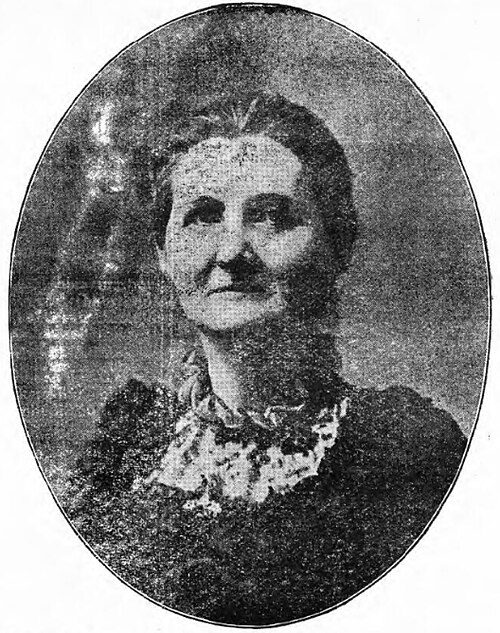
Elizabeth Phillips Hughes1851–1925 · Welsh scholar, teacher, and promoter of women's education (1851–1925)

Rachel Barrett1874–1953 · Welsh suffragette and newspaper editor
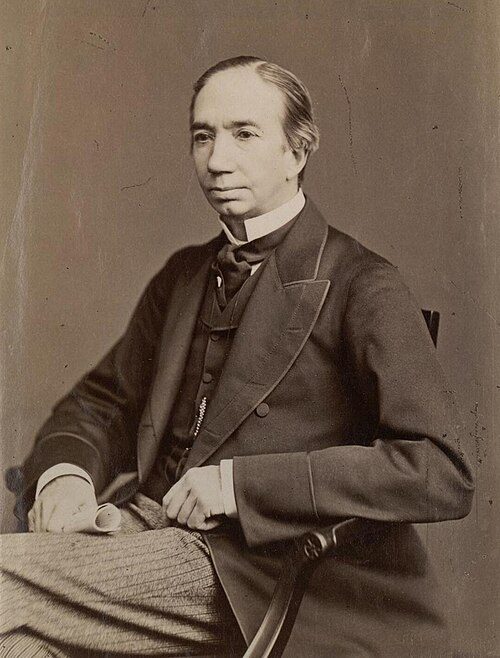
Henry Brinley Richards1817–1885 · Welsh composer (1819–1885)

Hugh Price Hughes1847–1902 · Welsh Methodist reformer (1847-1902)
HW
Hugh Percy Wilkins1896–1960 · Welsh astronomer
Everyone born in Carmarthen → Birthplaces from Wikidata; portraits from Wikimedia Commons.
Towns its size
Carmarthen has the 34th most Grade I buildings of 515 towns its size
Places of 10,000–26,000 people outside London, by Grade I listed buildings.
Neighbours
Listed buildings in the places around Carmarthen
In brief
Carmarthen in brief
For its size, Carmarthen has more listed heritage than 91% of UK towns. All told, the list holds 304 listed buildings, 3 of them Grade I. Of its homes, 23% were built before 1919, against 15% in the typical UK town. Its Grade I buildings cluster together: 3 of them stand within 400 m of Carmarthen Castle.
Only 33 of the 515 towns nearest its size have more Grade I buildings. On King Street alone there are 22 listed buildings. Its older streets lie in 10 conservation areas, the first designated in 1995.
Questions about Carmarthen’s history
How many listed buildings are there in Carmarthen?
Cadw lists 304 buildings inside Carmarthen’s built-up area: 3 Grade I, 6 Grade II* and 295 Grade II.
What are the Grade I listed buildings in Carmarthen?
3, including Carmarthen Castle, Parish Church of St Peter and The Guildhall.
Which street in Carmarthen has the most listed buildings?
King Street (22), Lammas Street (12) and Quay Street (12) have the most listed entries named by an address. One entry can be a whole terrace.
Are there scheduled monuments in Carmarthen?
Yes, 7 scheduled monuments, including Carmarthen Castle, Carmarthen Roman Fort (part of), Carmarthen Roman Town (part of) and Carmarthen Roman Town Defences (part of).
How many conservation areas are there in Carmarthen?
10, covering about 83 hectares of the town. The largest are North Carmarthen and Picton Terrace / Penllwyn Park.
When were Carmarthen’s buildings listed?
The first in 1954; the most, 191, in 1981.
Are there old photos of Carmarthen?
Yes: 8 public-domain photos and postcards from 1830 to 1908, and an old map from 1876, all on this page.
Who was born in Carmarthen?
Among people born before 1900: Dorothea Bate (1878), Walter Devereux, 1st Earl of Essex (1539), Lewis Morris (1833), Elizabeth Phillips Hughes (1851) and Rachel Barrett (1874).
How old are the homes in Carmarthen?
23% of homes were built before 1919 and 35% before 1940, from the Valuation Office Agency’s council tax records (March 2025).
Listed buildings, scheduled monuments and historic parks and gardens: Cadw, © Crown copyright, via DataMapWales.
Sources: Cadw listed buildings, scheduled monuments and registered historic parks and gardens via DataMapWales, October 2026, inside the ONS 2022 built-up-area boundary · Valuation Office Agency, Council Tax: stock of properties by build period (31 March 2025) · TownRatings grades: our own summary of the data, ranked against UK towns only · Cadw conservation areas via DataMapWales (October 2026). All under the Open Government Licence v3.0.
Contains public sector information licensed under the Open Government Licence v3.0. Contains HM Land Registry data © Crown copyright and database right 2026. Contains OS data © Crown copyright and database right 2026 (ONS boundaries). Northern Ireland: Source: NISRA; contains Land & Property Services data and Ordnance Survey of Northern Ireland information, © Crown copyright, licensed under the Open Government Licence v3.0. Scotland: contains National Records of Scotland data, Registers of Scotland data and SEPA data, © Crown copyright / © SEPA 2025, licensed under the Open Government Licence v3.0.