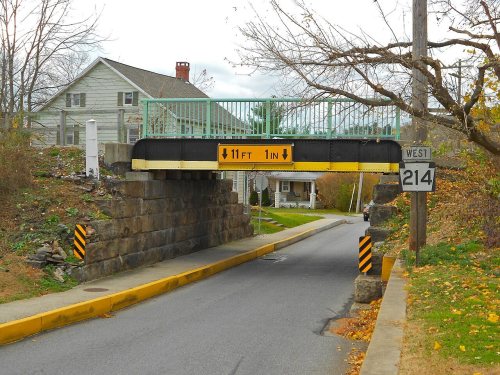
The Seven Valleys basin was settled by forty families of the German Lutheran and Reformed faiths. They originated in the Hunsruck Mountains of the Rhineland Palatinate and arrived in this valley of the Codorus during the early fall of 1738. The lush meadows and gently rolling hills here reminded them of their homeland, even to the presence of seven valleys in the vicinity, and they called it Das Siebenthal, which in German means Seven Valleys.
By 1752 these religious hardworking farmers had organized churches and parochial schools, and holding fast to their German heritage, worshipped God and taught their children in the Pfalzer dialect of the German language for nearly 150 years.
Founding dates: Wikidata, Wikipedia, the U.S. post office records of Blevins & Helbock (CC0) and the Census. Homes by year built: Census ACS 2020–24. National Register of Historic Places: National Park Service (list of May 22, 2026). Old photos, postcards and papers: Wikimedia Commons, the Library of Congress and other public archives, credited on each item’s page. Maps: U.S. Geological Survey historical topographic maps (via Esri) and Sanborn fire-insurance maps (Library of Congress). History text and census tables: Wikipedia (CC BY-SA 4.0). Places that used to be: USGS Geographic Names Information System (2021). How TownRatings grades history →
From Wikimedia Commons (6), the National Register of Historic Places (1), Wikipedia, the US Post Offices dataset (Blevins & Helbock) and the USGS Geographic Names Information System. Archive images are copied here with their credits and licenses, shown on each photo’s page. Refreshed monthly.
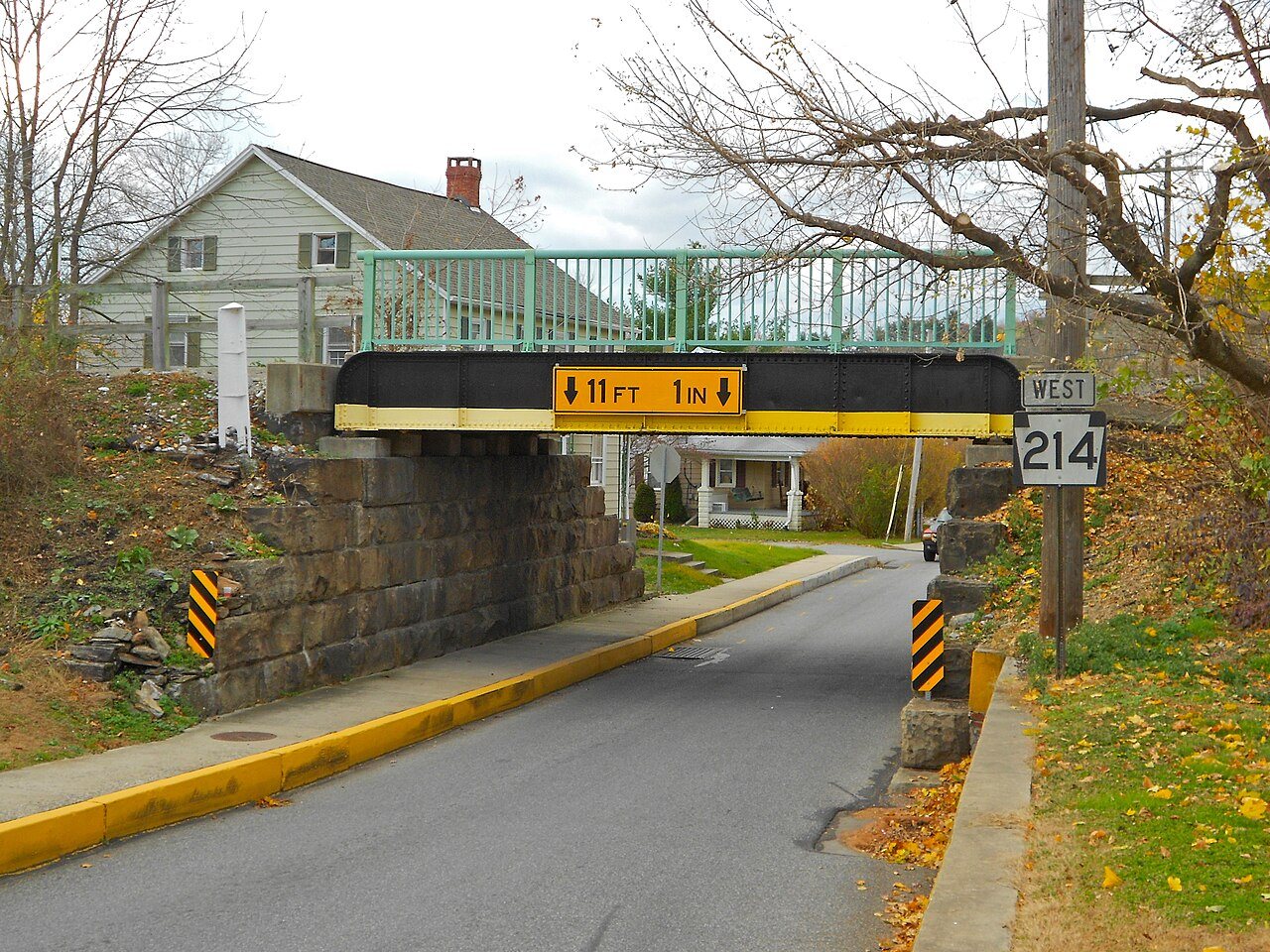
 2012
 2009
 2009
 2009
 2009
 2009