On its age, its old homes and the National Register, Sleepy Hollow is more historic than 71% of U.S. towns, #517 of 758 in New York. Its share of homes from before 1940 holds the grade up; its age pulls it down.
B+
HistoryA character grade: shown, never part of Sleepy Hollow’s overall grade.
New York towns list more on the Register than most of the country (a typical New York town has 12.3 per 10,000 residents, the U.S. 2.4), so Sleepy Hollow’s 5.5 sits near the middle of its state (36% of New York towns have fewer) while its 6 listings outnumber those of 72% of U.S. towns.
How sure. Graded on any two of the three inputs instead, the letter would range from C+ to A−. The pre-1940 share is a Census survey estimate (±5.6 points).
Founding year: the first census (other dates in Quick answers). Homes: Census ACS 2020–24. National Register: National Park Service, May 2026 list; each listing counted once (boundary changes and added documentation belong to their listing), and a historic district counts its contributing buildings. How TownRatings grades history →
What stands out about Sleepy Hollow’s past
Read from the archive, the National Register and the record. The page puts what stands out first.
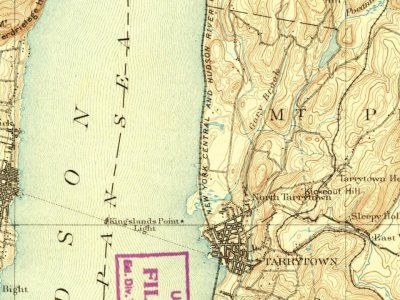
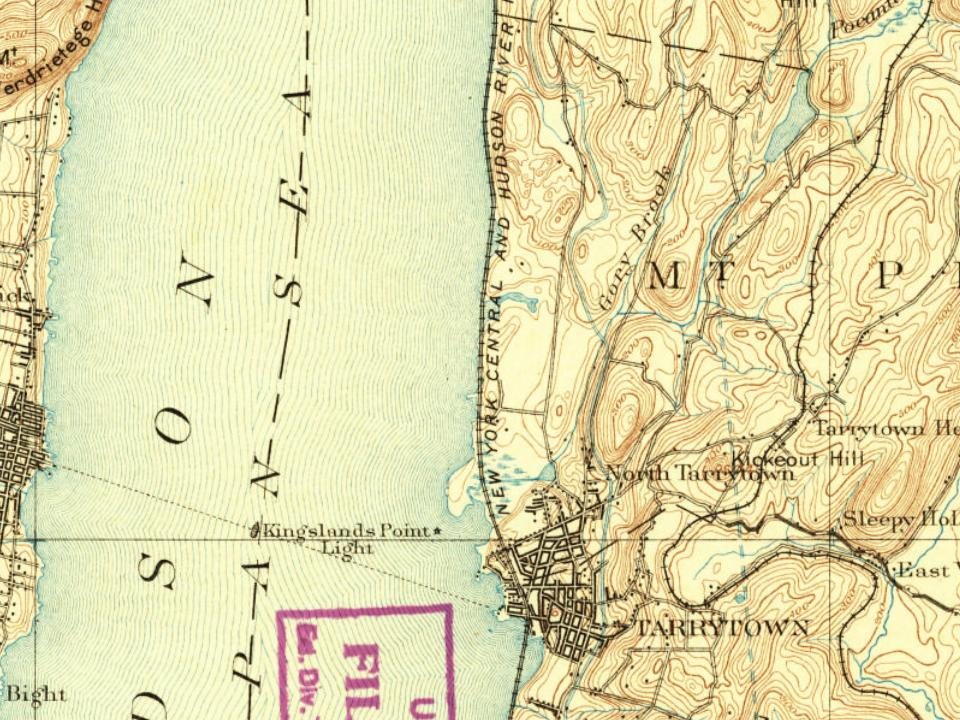
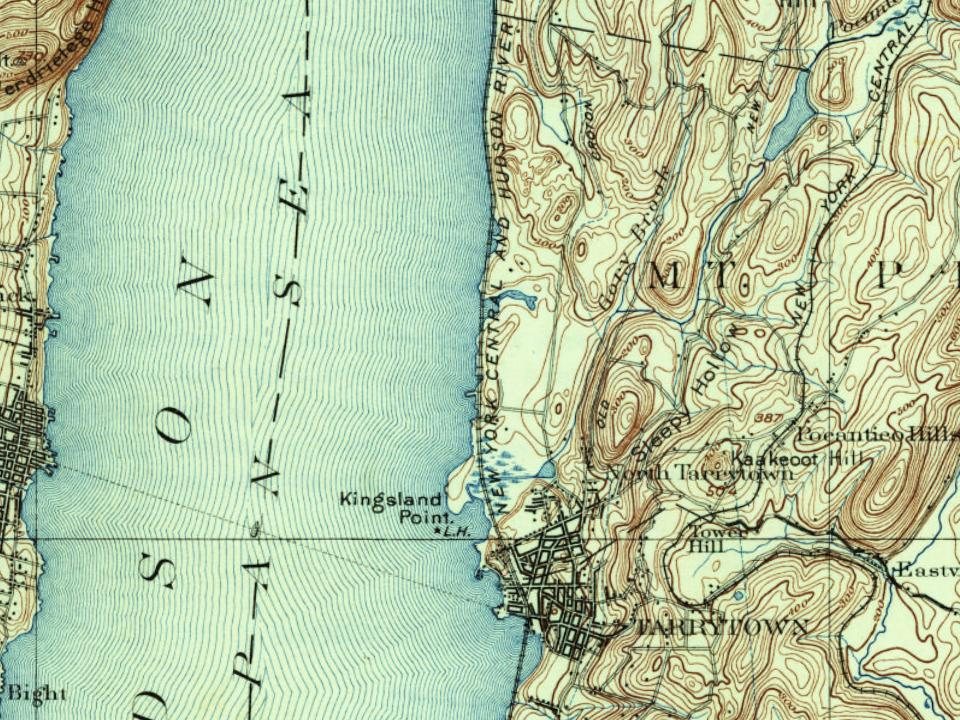
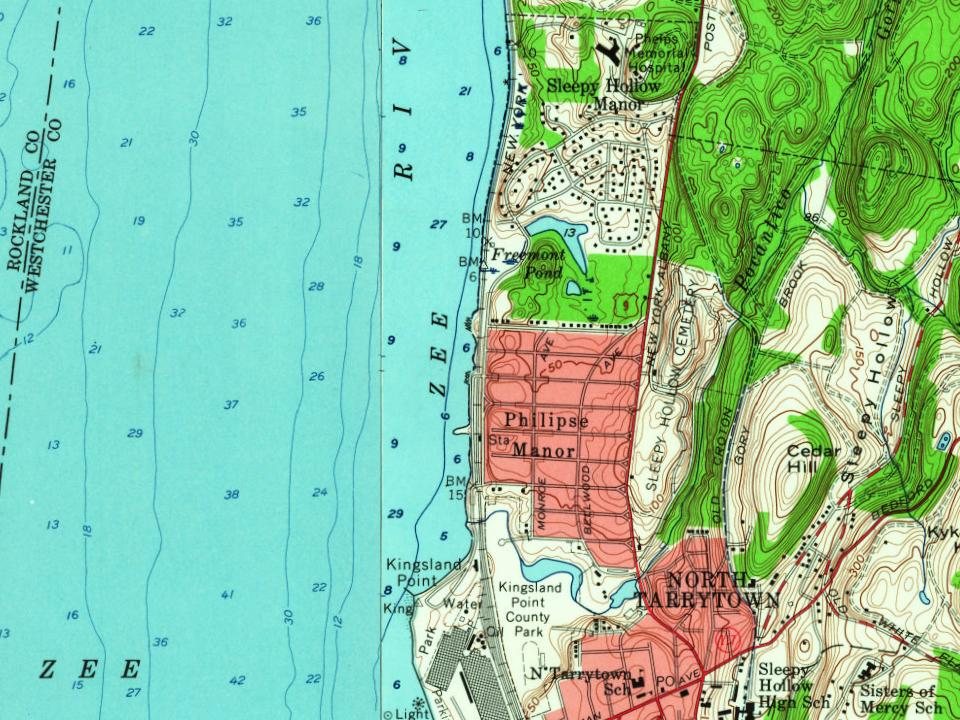
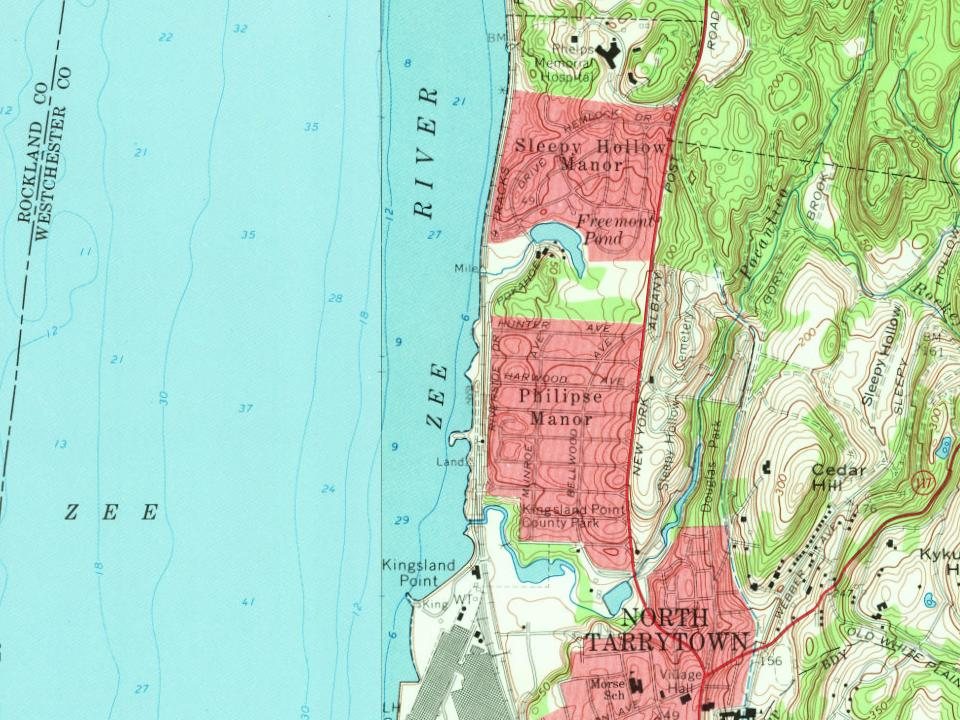
Every edition of the U.S. Geological Survey’s map of Sleepy Hollow. Tap a year, or press play to watch the town change.
1892Tarrytown sheet · 1:62,500
U.S. Geological Survey historical topographic maps (public domain), via Esri’s collection of the scans. The red ring marks the center of Sleepy Hollow.
By decade
Sleepy Hollow, decade by decade
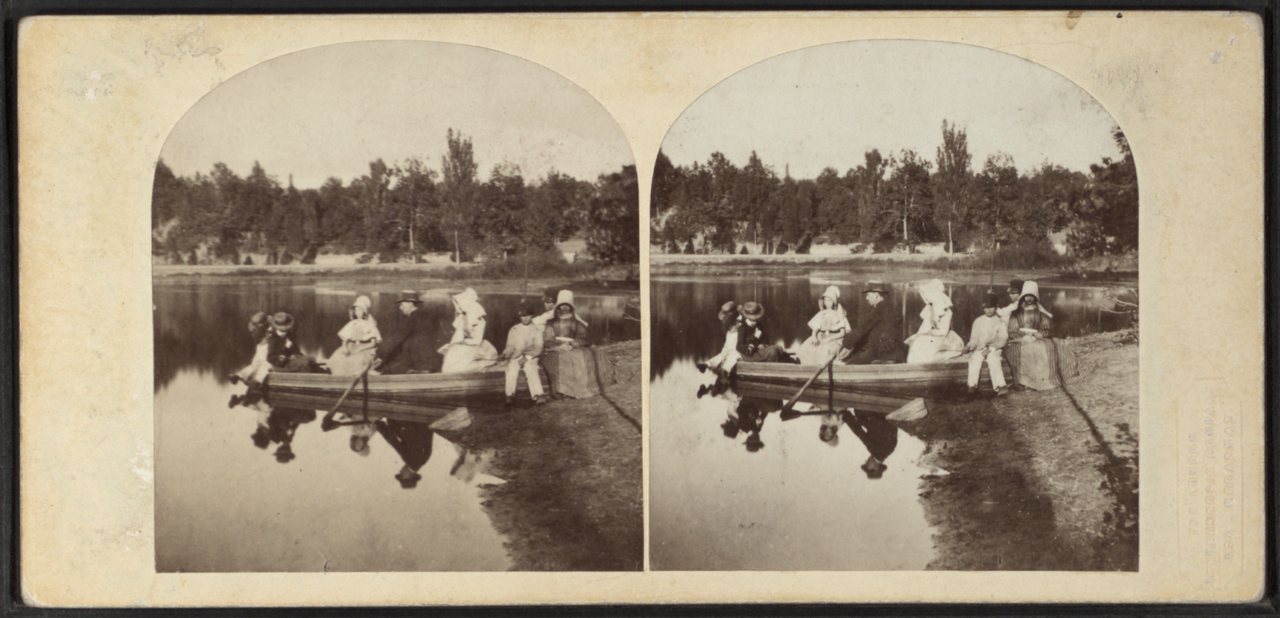
5 decades in the archive, from the 1800s to the 1860s. Scroll each row; tap a photo for its story.
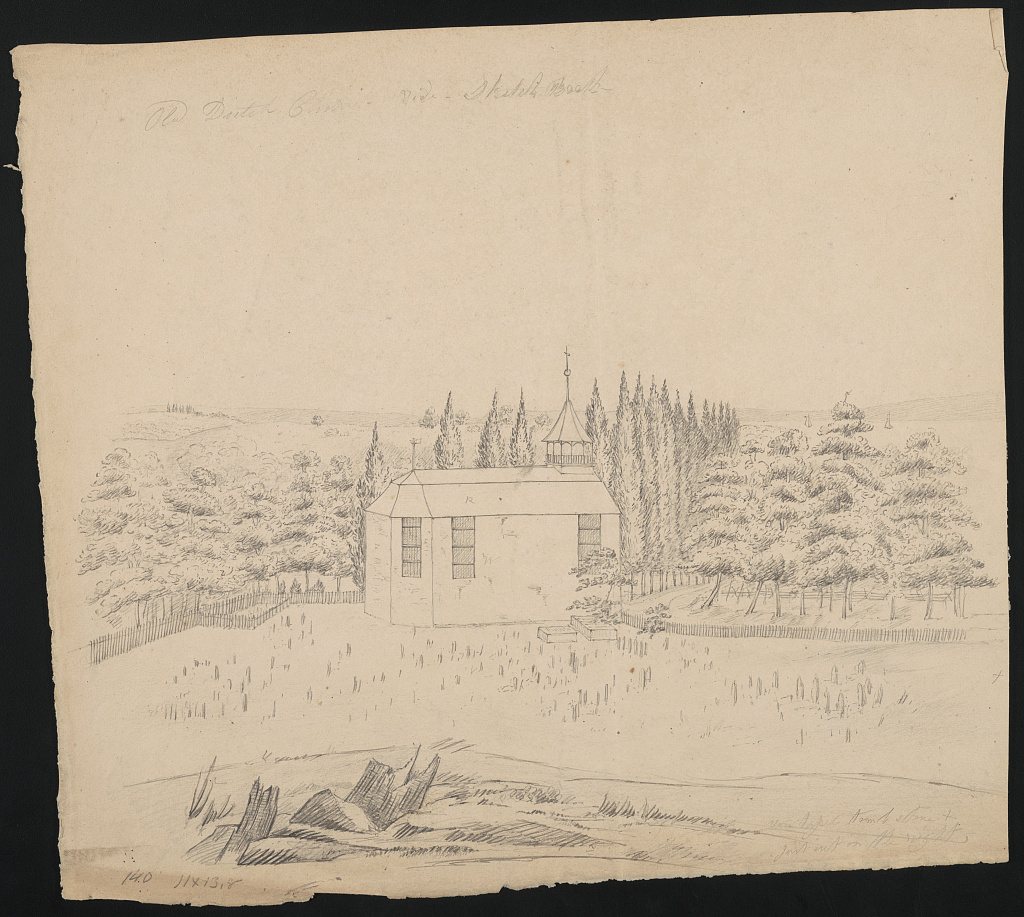
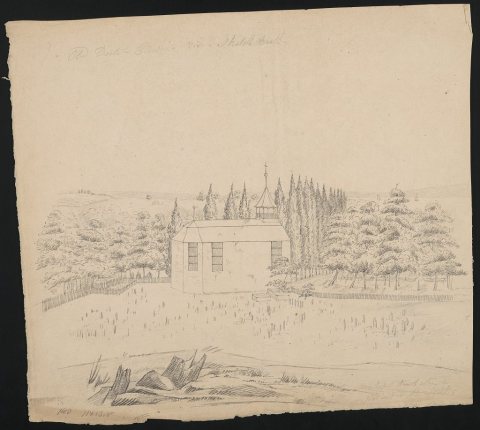
The two square miles of land that would become Sleepy Hollow belonged to the larger domain of the Wecquaesgeek, a Munsee-speaking band of Wappinger people. Their fort and burying ground may have been located on the hillside where the Old Dutch Church of Sleepy Hollow was to be built later. In 1609, Henry Hudson claimed the Hudson Valley, including the Tappan Zee area, for the Netherlands. There was relative peace between the Native Americans and the Dutch until the mid-17th century, and the Dutch West India Company had been providing its investors with large land grants called patroonships to encourage settlement of the New Netherland colony on lands bought from local Native American tribes along the East Coast of what is now the United States.
The Sleepy Hollow post office opened in 1880, the earliest record of the town by name (U.S. post office records).
How does Sleepy Hollow rank for history?
Sleepy Hollow is more historic than 71% of U.S. towns, #517 of 758 in New York. The History grade combines the town’s founding era, the share of homes built before 1940 and its National Register listings. It’s a character grade, so it isn’t part of the overall grade. How it works.
How old are the homes in Sleepy Hollow?
44% of Sleepy Hollow’s homes were built before 1940 (Census estimate, ±5.6 points), against a typical 27% for a New York town; the median home was built in 1947.
Founding dates: Wikidata, Wikipedia, the U.S. post office records of Blevins & Helbock (CC0) and the Census. Homes by year built: Census ACS 2020–24. National Register of Historic Places: National Park Service (list of May 22, 2026). Old photos, postcards and papers: Wikimedia Commons, the Library of Congress and other public archives, credited on each item’s page. Maps: U.S. Geological Survey historical topographic maps (via Esri) and Sanborn fire-insurance maps (Library of Congress). History text and census tables: Wikipedia (CC BY-SA 4.0). Places that used to be: USGS Geographic Names Information System (2021).
From Wikimedia Commons (14), the Library of Congress (3), Wikidata (1), Wikipedia, Wikidata and Wikipedia for famous people, U.S. Geological Survey historical maps and U.S. Census counts (via Wikipedia). Archive images are copied here with their credits and licenses, shown on each photo’s page. Refreshed monthly.




 1800s
 1809
 1820
 1848
 c. 1858
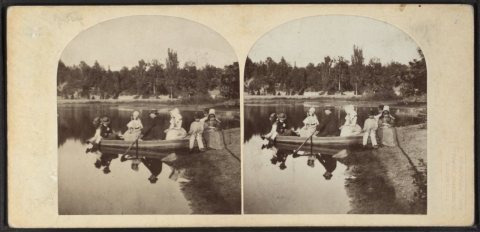 c. 1858
 c. 1858
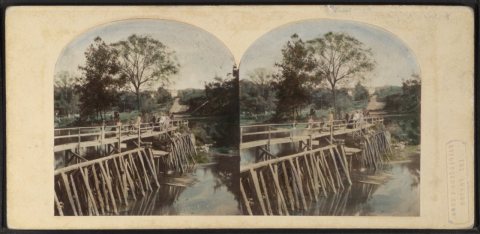 c. 1858
 c. 1858
 c. 1858
 c. 1858
 1859
 1859
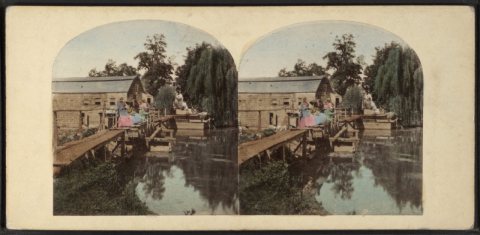 c. 1859
 1860
 c. 1863
 c. 1863