Salem dates to 1761, and 56% of its homes were built before 1940
Among the most historic 1% of U.S. towns · #10 of 758 in New York. What drives it
6 places in town are on the National Register, among them a historic district with 69 buildings. Below: 2 old photos and papers, maps from 1884 on, and the census since 1820.
Founding year: Wikipedia. First post office: 1797.The full story ↓
History grade
What drives Salem’s History grade
On its age, its old homes and the National Register, Salem is among the most historic 1% of U.S. towns, #10 of 758 in New York. All 3 inputs put Salem near the top nationally; its share of homes from before 1940 ranks highest.
A+
HistoryA character grade: shown, never part of Salem’s overall grade.
New York towns list more on the Register than most of the country (a typical New York town has 12.3 per 10,000 residents, the U.S. 2.4), so Salem’s 283 sits above most of its state (86% of New York towns have fewer) while its 74 historic buildings outnumber those of 87% of U.S. towns.
NoteThe founding year comes from Wikipedia alone; no second source gives 1761.
How sure. Graded on any two of the three inputs instead, the letter would still be A+. The pre-1940 share is a Census survey estimate (±8.1 points).
Founding year: Wikipedia (other dates in Quick answers). Homes: Census ACS 2020–24. National Register: National Park Service, May 2026 list; each listing counted once (boundary changes and added documentation belong to their listing), and a historic district counts its contributing buildings. How TownRatings grades history →
What stands out about Salem’s past
Read from the archive, the National Register and the record. The page puts what stands out first.
Salem was first settled in 1761 by Joshua Conkey and James Turner, who as soldiers in the French and Indian War, passed through the territory. In 1764, Alexander and James Turner acquired a patent which was soon divided up between the New Englanders from Pelham, Massachusetts and a group of Scotch-Irish Presbyterians, led by Dr Thomas Clark from Ballybay, County Monaghan, Ireland.
The Charlotte County and White Creek militia used Salem as its base in 1776.
The 123rd Volunteer Regiment was recruited from Salem during the Civil War.
The Alexander McNish House was added to the National Register of Historic Places in 2010 and Martin–Fitch House and Asa Fitch Jr. Laboratory in 2014.
On leaving the cars at the station of the Eastern Railroad, Salem, we are quite near points of interest. The station-house fronts Washingtonstreet, and the track of the road has been tunneled under its center across the city. Walking up the street on the right-hand side, a few reds, to the corner of Essex-street, we stand before the First Church. Its marble tablets tell the princi-
Text read by machine from the scan; it may contain errors.
The school-master was soon abroad in Salem, notwithstanding the common idea of the ignorance of its people in the witchcraft matter. There was a grammar school teacher in Salem in 1637, a graduate of Cambridge University in England, who prepared for admission a part of the first class of Harvard College. He was immediately succeeded by equally competent teachers, so that the town
Text read by machine from the scan; it may contain errors.
Scans and text from the Internet Archive. Books published in 1930 or earlier, which are in the public domain.
Timeline
Salem, 1761 to 1903
Woven from the archive, old maps, post office records, the National Register and the people born here.
Nothing in the archives for these yearsWeddings on Main Street, storms, parades, school pictures, the old store. If it’s in your family album, it belongs here.
Fire insurance maps drew every building, what it was made of and what it was used for, so insurers could price the risk of fire. Pick a year, then a sheet.
1884Sheet 1 of 1
Edition
Sheets
BrickWoodStone
Sanborn Map Company, via the Library of Congress. Editions published in 1930 or earlier, which are in the public domain.
Then & now
Stand where they stood
No then-and-now pairs yet. Take a photo from the same spot as an old one and they appear here side by side.
Retake this viewGovernor Dillingham, of Vermont, 1866
Find the spot, match the angle, and add your photo. It becomes the first then-and-now pair on Salem’s page.
In 1761, according to Wikipedia’s history of the town. Salem’s post office opened in 1797, and the census of 1820 counted 2,985 people here.
How does Salem rank for history?
Salem is among the most historic 1% of U.S. towns, #10 of 758 in New York. The History grade combines the town’s founding era, the share of homes built before 1940 and its National Register listings. It’s a character grade, so it isn’t part of the overall grade. How it works.
What is on the National Register in Salem?
6 listings: 2 buildings, 1 historic district, the Salem Historic District, with 69 contributing buildings, 1 site, and 2 structures. 74 historic buildings in all.
How old are the homes in Salem?
56% of Salem’s homes were built before 1940 (Census estimate, ±8.1 points), against a typical 27% for a New York town; the median home was built in 1938.
Founding dates: Wikidata, Wikipedia, the U.S. post office records of Blevins & Helbock (CC0) and the Census. Homes by year built: Census ACS 2020–24. National Register of Historic Places: National Park Service (list of May 22, 2026). Old photos, postcards and papers: Wikimedia Commons, the Library of Congress and other public archives, credited on each item’s page. Maps: U.S. Geological Survey historical topographic maps (via Esri) and Sanborn fire-insurance maps (Library of Congress). History text and census tables: Wikipedia (CC BY-SA 4.0). Places that used to be: USGS Geographic Names Information System (2021).
From Wikimedia Commons (8), the Library of Congress (1), Wikidata (1), the National Register of Historic Places (6), Wikipedia, Wikidata and Wikipedia for famous people, U.S. Geological Survey historical maps, U.S. Census counts (via Wikipedia), the US Post Offices dataset (Blevins & Helbock), the USGS Geographic Names Information System, Sanborn fire insurance maps (Library of Congress) and old county and town histories (Internet Archive). Archive images are copied here with their credits and licenses, shown on each photo’s page. Refreshed monthly.


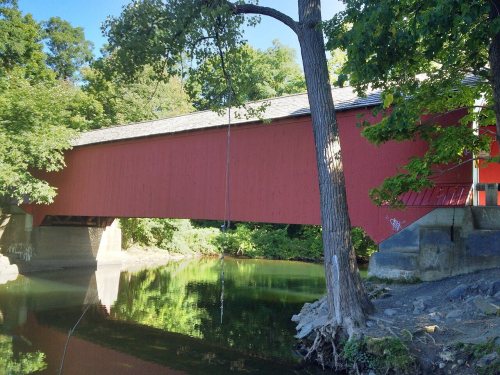

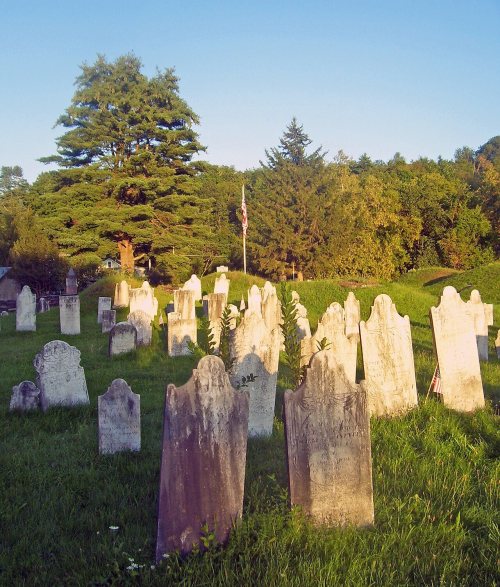


 2010
 2010
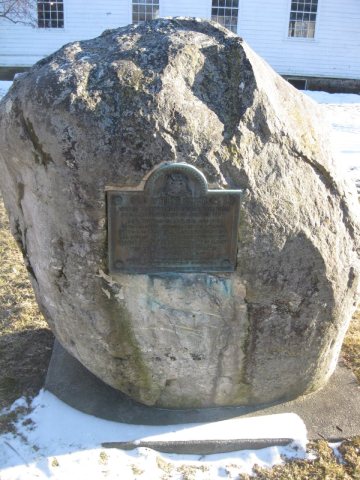 2010
 2010
 2010
 2010
 2008


