Malta dates to 1802, and 5 of its places are on the National Register
More historic than 73% of U.S. towns · #502 of 758 in New York. What drives it
Most of Malta was built recently: 4% of its homes predate 1940 and the median home dates from 1990. 5 places in town are on the National Register, among them the Davis-Ferris Organ, a National Historic Landmark, and a historic district with 256 buildings. Below: 4 old photos and papers, maps from 1893 on, and the census since 1820.
Founding year: Wikidata. First post office: 1815.The full story ↓
History grade
What drives Malta’s History grade
On its age, its old homes and the National Register, Malta is more historic than 73% of U.S. towns, #502 of 758 in New York. Its National Register listings hold the grade up; its share of homes from before 1940 pulls it down.
B+
HistoryA character grade: shown, never part of Malta’s overall grade.
New York towns list more on the Register than most of the country (a typical New York town has 12.3 per 10,000 residents, the U.S. 2.4), so Malta’s 148 sits above most of its state (80% of New York towns have fewer) while its 257 historic buildings outnumber those of 95% of U.S. towns.
How sure. Graded on any two of the three inputs instead, the letter would range from B− to A. The pre-1940 share (±1.2 points) is firm at this size. Two sources give 1802.
Founding year: Wikidata (other dates in Quick answers). Homes: Census ACS 2020–24. National Register: National Park Service, May 2026 list; each listing counted once (boundary changes and added documentation belong to their listing), and a historic district counts its contributing buildings. How TownRatings grades history →
What stands out about Malta’s past
Read from the archive, the National Register and the record. The page puts what stands out first.
Tradition says Peter Drummond and Daniel McAlpin were early settlers, but, as Loyalists, they fled as the Revolutionary War came closer to the area. The earliest documented settlement occurred around 1771, with many of the settlers migrating from Connecticut. According to various sources, Michael Dunning may have been the first, while others included John Rhodes, Jeheil Parks, Samuel Clark, Luther Landon, Dean Chase, Ebenezer Valentine, Ebenezer Dibble, Ebenezer Millard, Obadiah Tompkins, Reuben Doolittle, Cornelius Abeel, Stephen Ireland, Robert Hemple, and William Marvin.
Passages that mention Malta, cut from the printed page as they were published.
A history of Malta during the period of the French and British occupations, 1798-18151909 · page 398Read the page →
Read the text
Vienna, ^ItJi November 1800.^ By letter from St. Petersburg, Baron Thugut has learned that Bonaparte has sent an offer of the cession of Malta to the Emperor Paul, who has received the offer very favourably. That a General Springporten, of whom your Lordship must have heard, was in consequence appointed Governor of Malta by the Emperor, and that this person is now sent to transact the release of the Russian prisoners in France, whom it was proposed to send as a garrison to Malta. A few days after this offer was
Text read by machine from the scan; it may contain errors.
A history of Malta during the period of the French and British occupations, 1798-18151909 · page 489Read the page →
Read the text
By means of Malta it was that the French had attacked and made themselves masters of Egypt. By Malta it was that we had been enabled to recover that possession. If Malta remained in our hands it was impossible that all the efforts of Finance, that all the armaments she could send forth, could obtain possession of Egypt while we with a superior navy had the opportunity of availing oui'selves of the harbours of Malta.
Text read by machine from the scan; it may contain errors.
Scans and text from the Internet Archive. Books published in 1930 or earlier, which are in the public domain.
Timeline
Malta, 1775 to 2016
Woven from the archive, old maps, post office records, the National Register and the people born here.
Nothing in the archives for these yearsWeddings on Main Street, storms, parades, school pictures, the old store. If it’s in your family album, it belongs here.
In 1802, according to Wikidata. Malta’s post office opened in 1815, and the census of 1820 counted 1,518 people here.
How does Malta rank for history?
Malta is more historic than 73% of U.S. towns, #502 of 758 in New York. The History grade combines the town’s founding era, the share of homes built before 1940 and its National Register listings. It’s a character grade, so it isn’t part of the overall grade. How it works.
What is on the National Register in Malta?
5 listings: 1 building, 1 historic district, the Round Lake Historic District, with 256 contributing buildings, 1 site, and 1 structure. 257 historic buildings in all.
How old are the homes in Malta?
4% of Malta’s homes were built before 1940 (Census estimate, ±1.2 points), against a typical 27% for a New York town; the median home was built in 1990.
Founding dates: Wikidata, Wikipedia, the U.S. post office records of Blevins & Helbock (CC0) and the Census. Homes by year built: Census ACS 2020–24. National Register of Historic Places: National Park Service (list of May 22, 2026). Old photos, postcards and papers: Wikimedia Commons, the Library of Congress and other public archives, credited on each item’s page. Maps: U.S. Geological Survey historical topographic maps (via Esri) and Sanborn fire-insurance maps (Library of Congress). History text and census tables: Wikipedia (CC BY-SA 4.0). Places that used to be: USGS Geographic Names Information System (2021).
From Wikimedia Commons (5), Wikidata (1), the National Register of Historic Places (5), Wikipedia, Wikidata and Wikipedia for famous people, U.S. Geological Survey historical maps, U.S. Census counts (via Wikipedia), the US Post Offices dataset (Blevins & Helbock), the USGS Geographic Names Information System and old county and town histories (Internet Archive). Archive images are copied here with their credits and licenses, shown on each photo’s page. Refreshed monthly.


 ★ Landmark


 1978
 1978
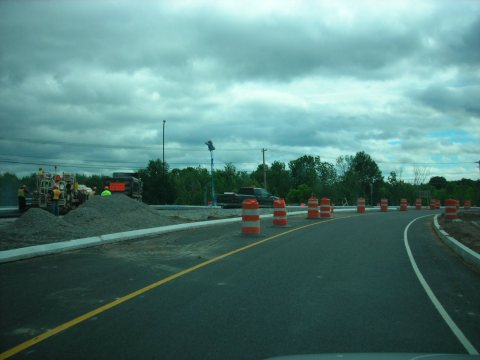 2006


