Jamesport was first settled in the 1690s and was originally called "Aquebogue." It was renamed "Lower Aquebogue" when another hamlet called "Upper Aquebogue" was established to the west. The Jamesport Meeting House, built in 1731, is the oldest operating church building in Suffolk County
"Jamesport" is named for James Tuthill, who settled with his family in the area south of Lower Aquebogue, on the Peconic Bay, in 1833. Over time, Lower Aquebogue came to be called Jamesport, while the community 1 mile (2 km) to the south, previously called Jamesport, came to be called South Jamesport (and is included in the present-day Jamesport CDP). Upper Aquebogue became Aquebogue.
Passages that mention Jamesport, cut from the printed page as they were published.
...History of Suffolk county, New York1882 · page 9Read the page →
Read the text
The village of Jamesport is one of modern origin. The historian Prime, writing in 1845, says of it: "In 1833 there was not a single habitation here, now some forty." It is very pleasantly situated on a point projecting into Peconic Bay and bearing the Indian name Miamogue. It is regularly laid out, and was designed by its founders as a village of considerable dimensions, but since the first flush of enterprise, which was prompted by
Text read by machine from the scan; it may contain errors.
...History of Suffolk county, New York1882 · page 22Read the page →
Read the text
Mr. Hawkins is still a middle aged man, full of vigor and usefulness, having accomplished vastly more than the average of men 55 years old. He has a beautiful home in the village of Jamesport, and bids fair to furnish from the next twenty years' achievements material for another biographical sketch, in a second Illustrated History, that the growth of Suffolk county may demand within that period.
Text read by machine from the scan; it may contain errors.
Scans and text from the Internet Archive. Books published in 1930 or earlier, which are in the public domain.
By decade
Jamesport, decade by decade
One decade in the archive so far: the 1900s. Scroll each row; tap a photo for its story.
Nothing in the archives for these yearsWeddings on Main Street, storms, parades, school pictures, the old store. If it’s in your family album, it belongs here.
Founding dates: Wikidata, Wikipedia, the U.S. post office records of Blevins & Helbock (CC0) and the Census. Homes by year built: Census ACS 2020–24. National Register of Historic Places: National Park Service (list of May 22, 2026). Old photos, postcards and papers: Wikimedia Commons, the Library of Congress and other public archives, credited on each item’s page. Maps: U.S. Geological Survey historical topographic maps (via Esri) and Sanborn fire-insurance maps (Library of Congress). History text and census tables: Wikipedia (CC BY-SA 4.0). Places that used to be: USGS Geographic Names Information System (2021). How TownRatings grades history →
From Wikimedia Commons (17), Wikipedia, U.S. Geological Survey historical maps and old county and town histories (Internet Archive). Archive images are copied here with their credits and licenses, shown on each photo’s page. Refreshed monthly.


 1902
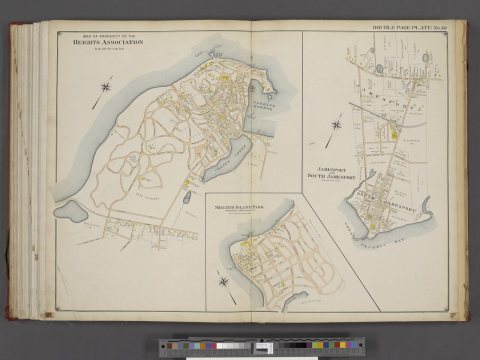 1902
 1902
 2023
 2023
 2023
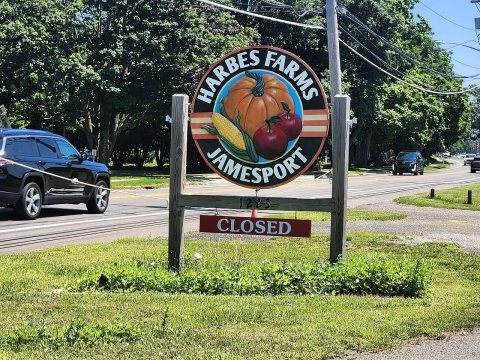 2023
 2020
 2017
 2016
 2016
 2015
 2010
 2008
 2008
 2008
 2006