Highlands dates to 1725, and 35% of its homes were built before 1940
More historic than 94% of U.S. towns · #182 of 758 in New York. What drives it
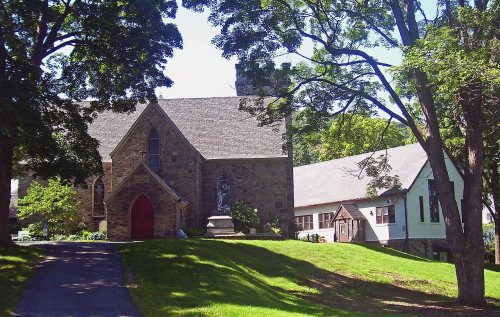
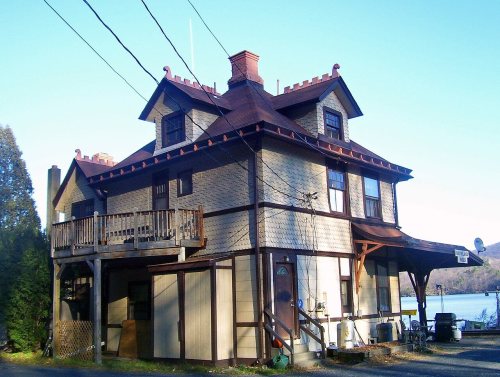
15 places in town are on the National Register, among them the United States Military Academy, a National Historic Landmark, and a historic district with 17 buildings. Below: 2 old photos and papers, maps from 1902 on, and the census since 1880.
Founding year: Wikipedia. First post office: 1815.The full story ↓
History grade
What drives Highlands’ History grade
On its age, its old homes and the National Register, Highlands is more historic than 94% of U.S. towns, #182 of 758 in New York. All 2 inputs are above most U.S. towns; its share of homes from before 1940 ranks highest and its National Register listings lowest.
A
HistoryA character grade: shown, never part of Highlands’ overall grade.
New York towns list more on the Register than most of the country (a typical New York town has 12.3 per 10,000 residents, the U.S. 2.4), so Highlands’ 30.4 sits near the middle of its state (62% of New York towns have fewer) while its 39 historic buildings outnumber those of 83% of U.S. towns.
NoteThe founding year comes from Wikipedia alone; no second source gives 1725.
How sure. Graded on two of the three inputs, so a change in either one moves the letter more than it would with three. The pre-1940 share is a Census survey estimate (±5.2 points).
Founding year: Wikipedia (other dates in Quick answers). Homes: Census ACS 2020–24. National Register: National Park Service, May 2026 list; each listing counted once (boundary changes and added documentation belong to their listing), and a historic district counts its contributing buildings. How TownRatings grades history →
What stands out about Highlands’ past
Read from the archive, the National Register and the record. The page puts what stands out first.
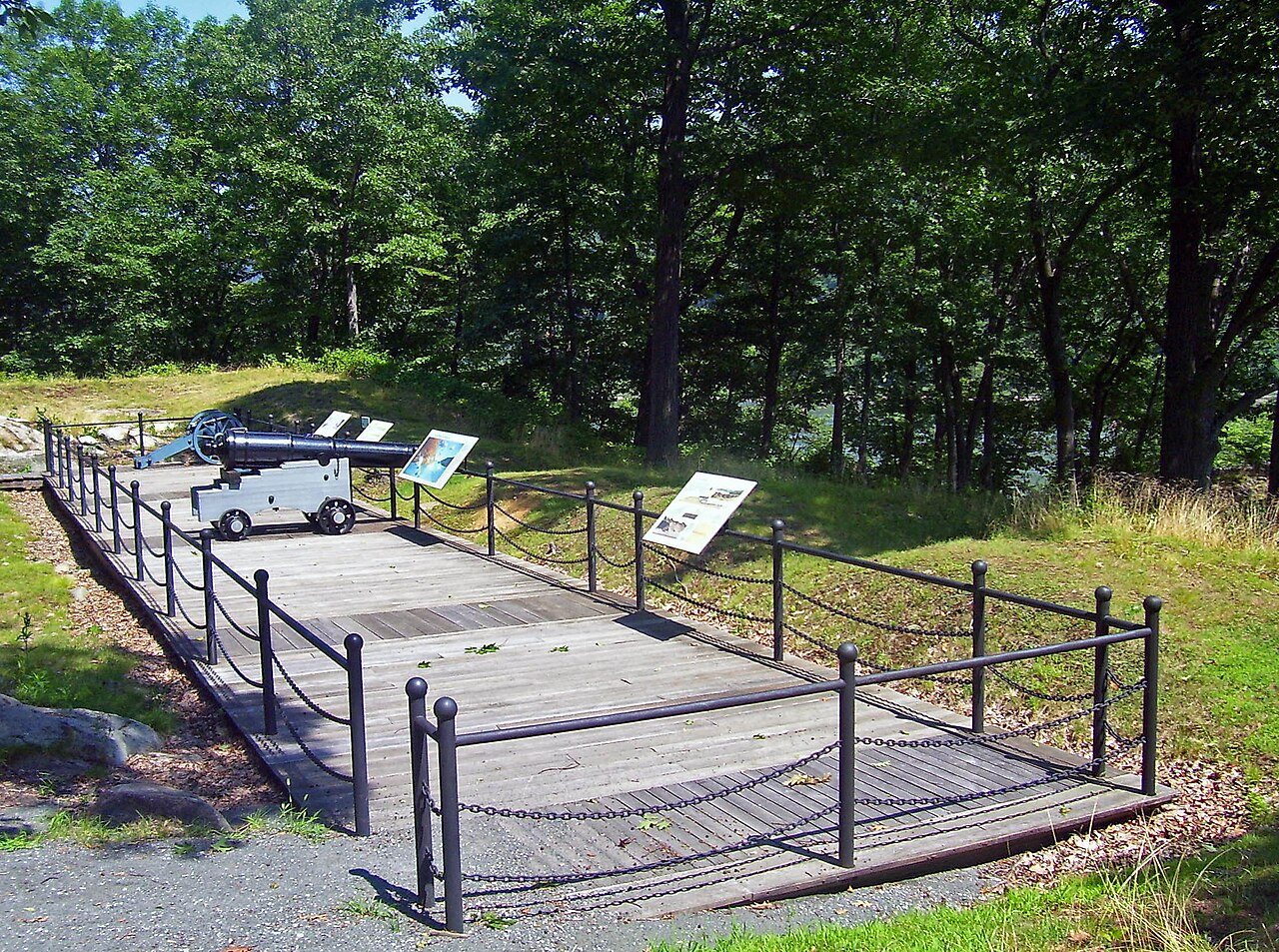
The town was first settled circa 1725 by John Moore, a patentee for this territory. During the American Revolution, colonial forces constructed Fort Montgomery and Fort Clinton to obstruct enemy progress on the river. Highlands was created from the town of Cornwall in 1872, making it one of the last towns formed in the county.
Nothing in the archives for these yearsWeddings on Main Street, storms, parades, school pictures, the old store. If it’s in your family album, it belongs here.
Lost post offices, old corners, places now gone and burying grounds
Another post office, Buttermilk Falls, opened and closed inside today’s town.
West Point
1815–today
Buttermilk Falls
1849–1866
Fort Montgomery
1855–today
Highland Falls
1866–today
18101920today
Hamlets and corners on the map
Fort MontgomeryHighland FallsHudson View Terrace Mobile Home ParkNorth DockRock Terrace Mobile Home ParkWest PointWestpoint Mobile Home Park
Gone or out of use
Artillery GardenlocaleBattery KnoxmilitaryBattery Number 1militaryCadet Guard HousebuildingCadets GardenlocaleCavalry GardenlocaleEngineers GardenlocaleFort ClintonmilitaryFort MontgomerymilitaryFort PutnammilitaryLadycliff CollegeschoolOdells PlacelocaleRedoubt MeigsmilitaryRedoubt Number 1militaryRedoubt Number 2militaryRedoubt Number 3militaryRedoubt Number 4militaryRedoubt Webbmilitary
4cemeteries and burying grounds inside Highlands
PeacedaleSacred HeartUnionWest Point
US Post Offices dataset (Blevins & Helbock, CC0). Places and cemeteries from the USGS Geographic Names Information System (2021).
Stories next door
History across the town line
Each neighbor’s History grade, on the same three inputs.
In 1725, according to Wikipedia’s history of the town. Highlands’ post office opened in 1815, and the census of 1880 counted 3,404 people here.
How does Highlands rank for history?
Highlands is more historic than 94% of U.S. towns, #182 of 758 in New York. The History grade combines the town’s founding era, the share of homes built before 1940 and its National Register listings. It’s a character grade, so it isn’t part of the overall grade. How it works.
What is on the National Register in Highlands?
15 listings: 14 buildings and 1 historic district, the United States Military Academy, with 17 contributing buildings. 39 historic buildings in all.
How old are the homes in Highlands?
35% of Highlands’ homes were built before 1940 (Census estimate, ±5.2 points), against a typical 27% for a New York town; the median home was built in 1957.
Founding dates: Wikidata, Wikipedia, the U.S. post office records of Blevins & Helbock (CC0) and the Census. Homes by year built: Census ACS 2020–24. National Register of Historic Places: National Park Service (list of May 22, 2026). Old photos, postcards and papers: Wikimedia Commons, the Library of Congress and other public archives, credited on each item’s page. Maps: U.S. Geological Survey historical topographic maps (via Esri) and Sanborn fire-insurance maps (Library of Congress). History text and census tables: Wikipedia (CC BY-SA 4.0). Places that used to be: USGS Geographic Names Information System (2021).
From Wikimedia Commons (13), the Library of Congress (1), Wikidata (3), the National Register of Historic Places (15), Wikipedia, U.S. Geological Survey historical maps, U.S. Census counts (via Wikipedia), the US Post Offices dataset (Blevins & Helbock) and the USGS Geographic Names Information System. Archive images are copied here with their credits and licenses, shown on each photo’s page. Refreshed monthly.


 ★ Landmark





 2023
 2016
 2015
 2010
 2009
 2009
 2008
 2008
 2007
 2007
 2006
 2006


