Las Vegas was first counted by the census in 1900, and 22 of its places are on the National Register
More historic than 26% of U.S. towns · #14 of 42 in Nevada. What drives it
Most of Las Vegas was built recently: 0.5% of its homes predate 1940 and the median home dates from 1994. 22 places in town are on the National Register, among them seven historic districts with 388 buildings between them. Below: 40 old photos and papers, maps from 1923 on, and the census since 1900.
On its age, its old homes and the National Register, Las Vegas is more historic than 26% of U.S. towns, #14 of 42 in Nevada. Its National Register listings hold the grade up; its share of homes from before 1940 pulls it down.
C
HistoryA character grade: shown, never part of Las Vegas’ overall grade.
Among the 400 U.S. cities of 100,000 or more, Las Vegas ranks #328 on History.
Few Nevada towns list much on the Register (a typical Nevada town has 0.0 per 10,000 residents, the U.S. 2.4), so Las Vegas’ 6.5 sits above most of its state (72% of Nevada towns have fewer) while its 426 historic buildings outnumber those of 97% of U.S. towns.
Newer cities are common at Las Vegas’ size: in the typical U.S. city of 100,000 or more, 5% of homes predate 1940.
How sure. Graded on any two of the three inputs instead, the letter would range from D− to B−. The pre-1940 share (±0.1 points) is firm at this size.
Founding year: the first census (other dates in Quick answers). Homes: Census ACS 2020–24. National Register: National Park Service, May 2026 list; each listing counted once (boundary changes and added documentation belong to their listing), and a historic district counts its contributing buildings. How TownRatings grades history →
What stands out about Las Vegas’ past
Read from the archive, the National Register and the record. The page puts what stands out first.
Nothing in the archives for these yearsWeddings on Main Street, storms, parades, school pictures, the old store. If it’s in your family album, it belongs here.
Nomadic Paleo-Indians traveled to the Las Vegas area 10,000 years ago, leaving behind petroglyphs. Ancient Puebloan and Paiute tribes followed at least 2,000 years ago.
A young Mexican scout named Rafael Rivera is credited as the first non-Native American to encounter the valley, in 1829. Trader Antonio Armijo led a 60-man party along the Spanish Trail to Los Angeles, California, in 1829. In 1844, John C. Frémont arrived, and his writings helped lure pioneers to the area. Downtown Las Vegas's Fremont Street is named after him.
Grew from 25 people in 1900 to 641,903 in 2020, more than tenfold.
13 censuses, 1900–2020.
U.S. Census Bureau decennial counts, from the census table on Las Vegas’ Wikipedia page.
Places that used to be
Lost post offices, old corners, places now gone and burying grounds
Another post office, Bringhurst, opened and closed inside today’s town.
Hamlets and corners on the map
Bonanza VillageEastland HeightsVegas Heights
Gone or out of use
Bringhurst Post Officepost officeFort BakermilitaryHighland SchoolschoolLas Vegas Mormon FortmilitaryLas Vegas RanchlocaleMayfair SchoolschoolNavajo CitylocaleNorth Ninth SchoolschoolOur Lady of Las Vegas Catholic SchoolschoolPorters AirfieldairportStewart SchoolschoolUnited States Fish HatcherylocaleWest Charleston SchoolschoolWestside Schoolschool
2cemeteries and burying grounds inside Las Vegas
Bunkers Memory GardensWoodlawn
US Post Offices dataset (Blevins & Helbock, CC0). Places and cemeteries from the USGS Geographic Names Information System (2021).
Help out
Finish Las Vegas’s story
Most archives stop around 1920. The photos from after that are in family albums, not libraries.
Decades since 1900 with photos
00s10s20s30s40s50s60s70s80s90s
4 of 10 decades. The empty ones are waiting for someone’s album.
The Las Vegas post office opened in 1900, the earliest record of the town by name (U.S. post office records). Wikidata gives 1905.
How does Las Vegas rank for history?
Las Vegas is more historic than 26% of U.S. towns, #14 of 42 in Nevada. The History grade combines the town’s founding era, the share of homes built before 1940 and its National Register listings. It’s a character grade, so it isn’t part of the overall grade. How it works.
What is on the National Register in Las Vegas?
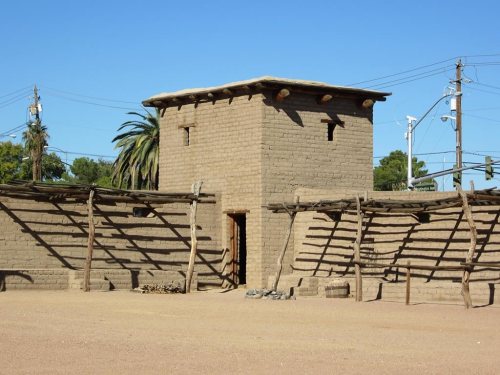
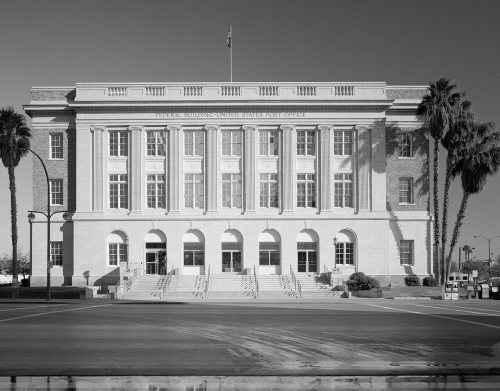
22 listings: 14 buildings, among them the Las Vegas Mormon Fort (listed 1972, the first), 7 historic districts with 388 contributing buildings, and 1 structure. 426 historic buildings in all.
How old are the homes in Las Vegas?
0.5% of Las Vegas’ homes were built before 1940 (Census estimate), against a typical 0.3% for a Nevada town; the median home was built in 1994.
Founding dates: Wikidata, Wikipedia, the U.S. post office records of Blevins & Helbock (CC0) and the Census. Homes by year built: Census ACS 2020–24. National Register of Historic Places: National Park Service (list of May 22, 2026). Old photos, postcards and papers: Wikimedia Commons, the Library of Congress and other public archives, credited on each item’s page. Maps: U.S. Geological Survey historical topographic maps (via Esri) and Sanborn fire-insurance maps (Library of Congress). History text and census tables: Wikipedia (CC BY-SA 4.0). Places that used to be: USGS Geographic Names Information System (2021).
From Wikimedia Commons (36), the Library of Congress (4), Wikidata (2), the National Register of Historic Places (22), Wikipedia, U.S. Geological Survey historical maps, U.S. Census counts (via Wikipedia), the US Post Offices dataset (Blevins & Helbock), the USGS Geographic Names Information System and Sanborn fire insurance maps (Library of Congress). Archive images are copied here with their credits and licenses, shown on each photo’s page. Refreshed monthly.


 1905
 1910
 1910
 1912
 c. 1930
 c. 1930
 c. 1930
 c. 1930
 c. 1930
 c. 1930
 c. 1930
 c. 1930
 c. 1930
 c. 1930
 c. 1930
 c. 1930
 c. 1930
 c. 1930
 c. 1930
 c. 1930
 c. 1930
 c. 1930
 c. 1930
 c. 1930
 c. 1930
 c. 1930
 c. 1930
 c. 1930
 c. 1930
 c. 1930
 c. 1930
 c. 1930
 c. 1930
 1935
 1940
 1940
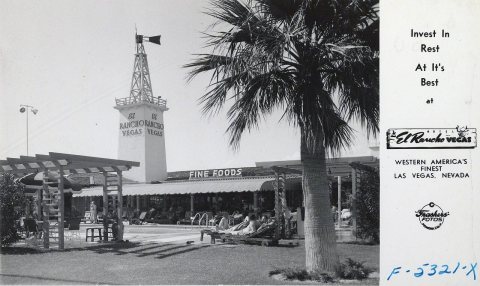 c. 1940
 1940
 1940
 1940