Boonton’s post office opened in 1846, and 32% of its homes were built before 1940
More historic than 93% of U.S. towns · #43 of 468 in New Jersey. What drives it
6 places in town are on the National Register, among them two historic districts with 22 buildings between them. Below: 10 old photos and papers, maps from 1886 on, and the census since 1870.
The Boonton post office opened in 1846, the earliest record of the town by name. Wikidata gives 1866. Another post office, Booneton (1792), opened inside today’s town and later closed.
First census: 3,458 in 18702020 census: 8,815180 years
How historic is Boonton?
A
More historic than 93% of U.S. towns, on its age, its old homes and the National Register.
Founding year: the first Boonton post office (Blevins & Helbock, CC0). Wikidata: 1866.The full story ↓
History grade
What drives Boonton’s History grade
On its age, its old homes and the National Register, Boonton is more historic than 93% of U.S. towns, #43 of 468 in New Jersey. All 3 inputs are above most U.S. towns; its share of homes from before 1940 ranks highest and its age lowest.
A
HistoryA character grade: shown, never part of Boonton’s overall grade.
New Jersey towns list more on the Register than most of the country (a typical New Jersey town has 3.7 per 10,000 residents, the U.S. 2.4), so Boonton’s 30.5 sits above most of its state (78% of New Jersey towns have fewer) while its 27 historic buildings outnumber those of 81% of U.S. towns.
How sure. Graded on any two of the three inputs instead, the letter would range from A− to A. The pre-1940 share is a Census survey estimate (±6.2 points). The founding year is the first post office, not a stated founding date; Wikidata gives 1866.
Founding year: the first post office (other dates in Quick answers). Homes: Census ACS 2020–24. National Register: National Park Service, May 2026 list; each listing counted once (boundary changes and added documentation belong to their listing), and a historic district counts its contributing buildings. How TownRatings grades history →
What stands out about Boonton’s past
Read from the archive, the National Register and the record. The page puts what stands out first.
During the 18th century, the settlement of Boonetown Falls (variously spelled as Booneton or the current Boonton) was established on the Rockaway River, about 1.5 miles (2.4 km) downstream from the current site of the town. As early as 1747, Obadiah Baldwin ran an iron refining forge there. He used the iron ore and charcoal available in the area together with water power from the river. As the ironworks grew, workers and their families formed a community in 1761 that was named "Boone-Towne" in honor of the Colonial Governor, Thomas Boone.
Passages that mention Boonton, cut from the printed page as they were published.
A history of Morris County, New Jersey1914 · page 269Read the page →
Read the text
The Post Office — Boonton until July 9, 1846, had no post office within its borders. For sixteen years the New Jersey Iron Company, and all others, were compelled to go three and one-half miles to Parsippany with and for their mail, yet Boonton, in 1834, had a population of 400, and in 1840 doubled that number and its postal business was five times as great as that of Parsippany and vicinity. In 1846 the post office at Montville was closed, and July 9 was removed to Boonton. The first postmaster was Edmund K. Sargeant, who served until November 27, 1849, then was succeeded by
Text read by machine from the scan; it may contain errors.
A history of Morris County, New Jersey1914 · page 151Read the page →
Read the text
and in 1840, 5227. Losing Rockaway township in 1844 reduced the population in 1850 to 4118, which in i860 had increased to 5440. In 1867, Boonton and Montville were set off, which reduced the population in 1870 to 1539, which in 1880 had increased to 2239, the increase in manufacturing and improved railroad service inducing settlement. In 1890 the census showed 2862 ; in 1900 the population had risen to 3250 but the incorporation of Butler as a borough in 1901 so reduced it that in 1910 the census showed but 1921 inhabitants in the township. Butler reporting 2265, the combined
Text read by machine from the scan; it may contain errors.
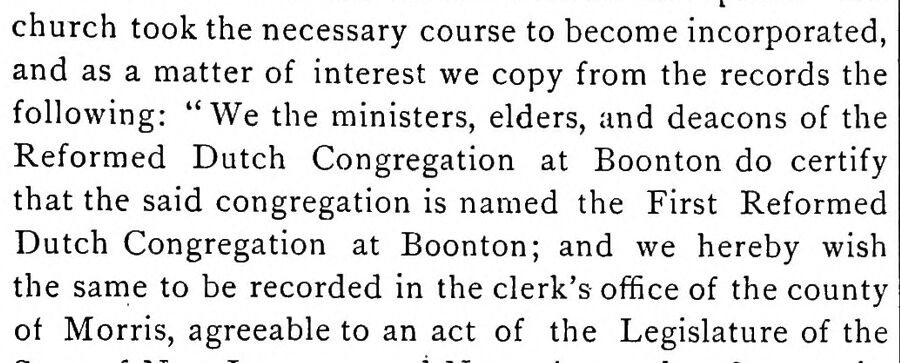
History of Morris County, New Jersey1882 · page 253Read the page →
Read the text
church took the necessary course to become incorporated, and as a matter of interest we copy from the records the following: "We the ministers, elders, and deacons of the Reformed Dutch Congregation at Boonton do certify that the said congregation is named the First Reformed Dutch Congregation at Boonton; and we hereby wish the same to be recorded in the clerk's office of the county of Morris, agreeable to an act of the Legislature of the
Text read by machine from the scan; it may contain errors.
History of Morris County, New Jersey1882 · page 269Read the page →
Read the text
As a considerable part of the town of Boonton is built upon a part of the fourth tract above mentioned it may be of interest to state more particularly the exact location of this thousand acres purchased by John Scott in 1715, and sold by his heirs to Jacob Piere and John Vreeland in 1745, and give the description of the boundaries thereof. The beginning corner of this whole tract is at a point where once stood a white oak tree, on the
Text read by machine from the scan; it may contain errors.
Scans and text from the Internet Archive. Books published in 1930 or earlier, which are in the public domain.
Timeline
Boonton, 1792 to 1970
Woven from the archive, old maps, post office records, the National Register and the people born here.
Nothing in the archives for these yearsWeddings on Main Street, storms, parades, school pictures, the old store. If it’s in your family album, it belongs here.
Fire insurance maps drew every building, what it was made of and what it was used for, so insurers could price the risk of fire. Pick a year, then a sheet.
The Boonton post office opened in 1846, the earliest record of the town by name (U.S. post office records). Wikidata gives 1866.
How does Boonton rank for history?
Boonton is more historic than 93% of U.S. towns, #43 of 468 in New Jersey. The History grade combines the town’s founding era, the share of homes built before 1940 and its National Register listings. It’s a character grade, so it isn’t part of the overall grade. How it works.
What is on the National Register in Boonton?
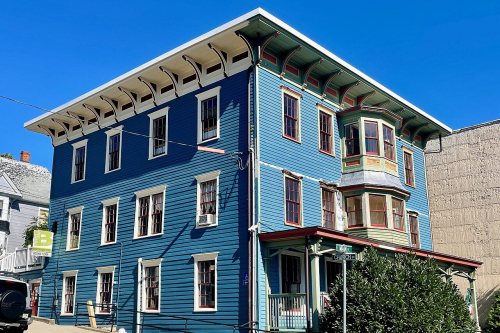
6 listings: 3 buildings, among them the Boonton Public Library (listed 1972, the first), 2 historic districts, the Boonton Historic District and the Boonton Ironworks Historic District, with 22 contributing buildings, and 1 structure. 27 historic buildings in all.
How old are the homes in Boonton?
32% of Boonton’s homes were built before 1940 (Census estimate, ±6.2 points), against a typical 15% for a New Jersey town; the median home was built in 1956.
Founding dates: Wikidata, Wikipedia, the U.S. post office records of Blevins & Helbock (CC0) and the Census. Homes by year built: Census ACS 2020–24. National Register of Historic Places: National Park Service (list of May 22, 2026). Old photos, postcards and papers: Wikimedia Commons, the Library of Congress and other public archives, credited on each item’s page. Maps: U.S. Geological Survey historical topographic maps (via Esri) and Sanborn fire-insurance maps (Library of Congress). History text and census tables: Wikipedia (CC BY-SA 4.0). Places that used to be: USGS Geographic Names Information System (2021).
From Wikimedia Commons (3), the Library of Congress (7), Wikidata (2), the National Register of Historic Places (6), Wikipedia, Wikidata and Wikipedia for famous people, U.S. Geological Survey historical maps, U.S. Census counts (via Wikipedia), the US Post Offices dataset (Blevins & Helbock), the USGS Geographic Names Information System, Sanborn fire insurance maps (Library of Congress) and old county and town histories (Internet Archive). Archive images are copied here with their credits and licenses, shown on each photo’s page. Refreshed monthly.

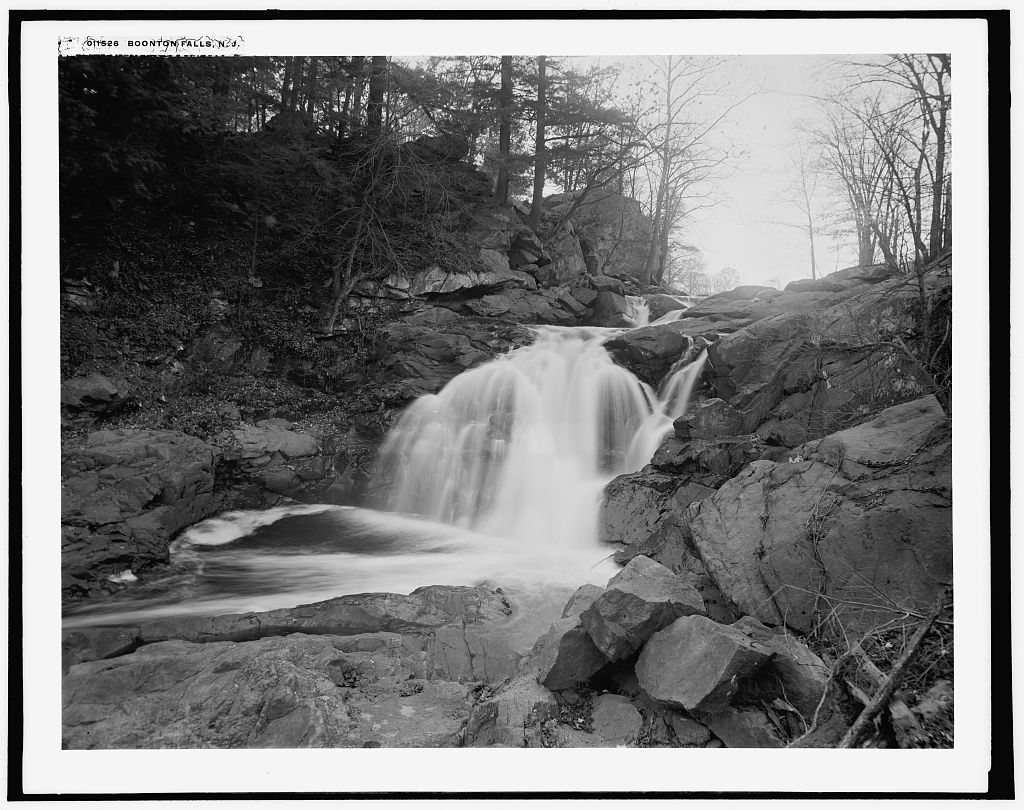


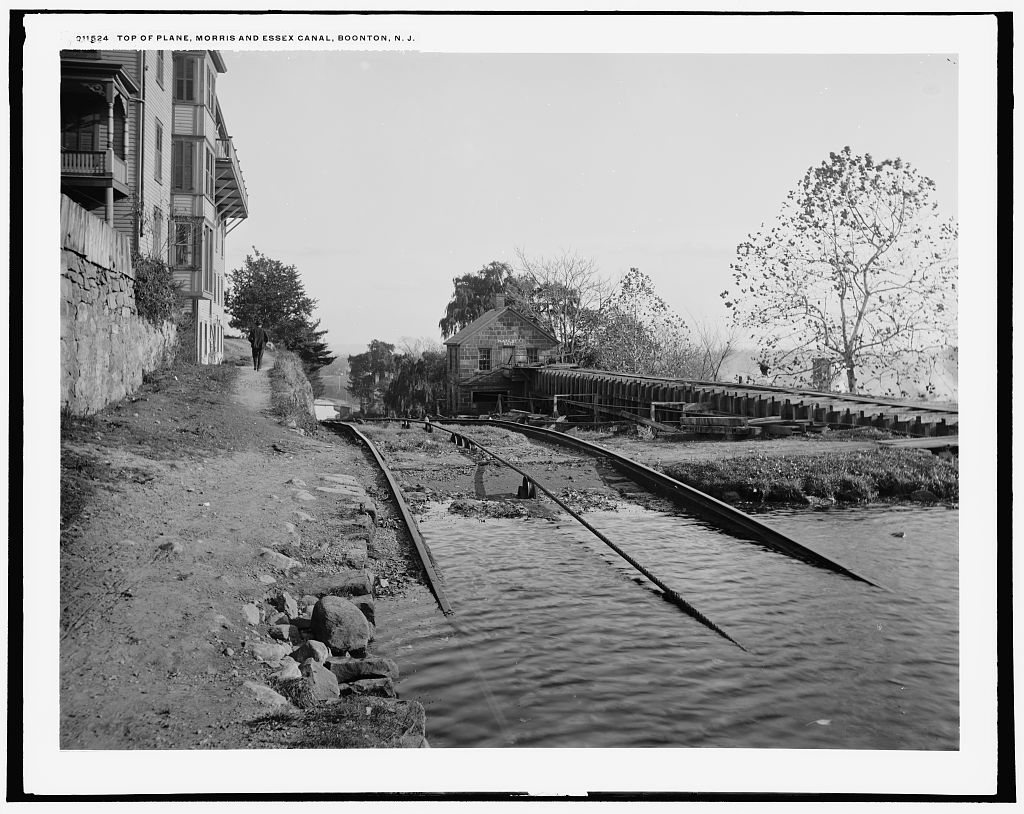





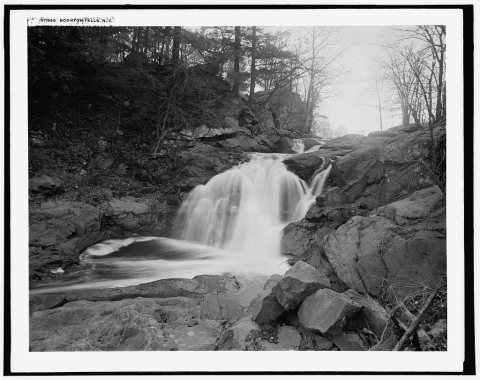 1890
 1890
 1890
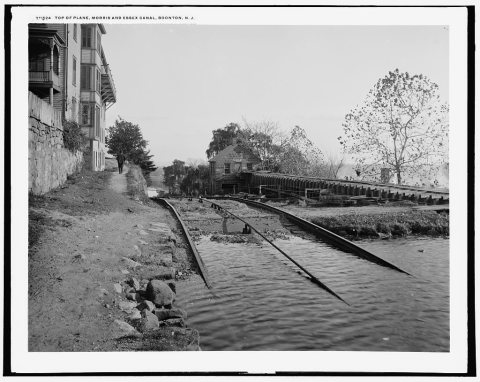 1890
 1905
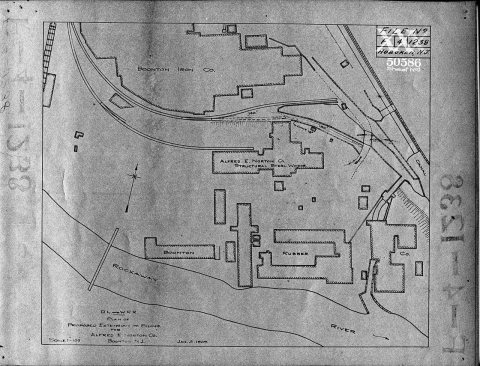 1909
 1917


