
140 years in pictures
The archive holds 8 old photos and papers going back to 2017 and 5 maps from 1934 on.
- 1886Foscoe is settled
Each edition grades its towns against each other only.
A town of 1,226, settled in 1886.
Foscoe’s best subject grade is an A− for schools; its weakest is a D− for incomes. Foscoe’s July high is 77°F, where North Carolina’s towns sit at 89°F and U.S. towns at 85°F. On incomes, just 25 of North Carolina’s 448 towns do worse. Foscoe has 1 place on the National Register. Foscoe has fewer than 2,500 residents, so it gets subject grades but no overall grade.
In a town this size, neighbors are the best guide. Ask them anything.
Each subject compared with towns across the country (schools within North Carolina), ordered by how far Foscoe is from typical.
How TownRatings grades towns →

The archive holds 8 old photos and papers going back to 2017 and 5 maps from 1934 on.
Museums, parks, gardens and other places to visit around Foscoe. Close and well known come first.
in town ParkwayBlue Ridge Parkway16.5M visitors a year
Big draw38 mi MountainMount Mitchell
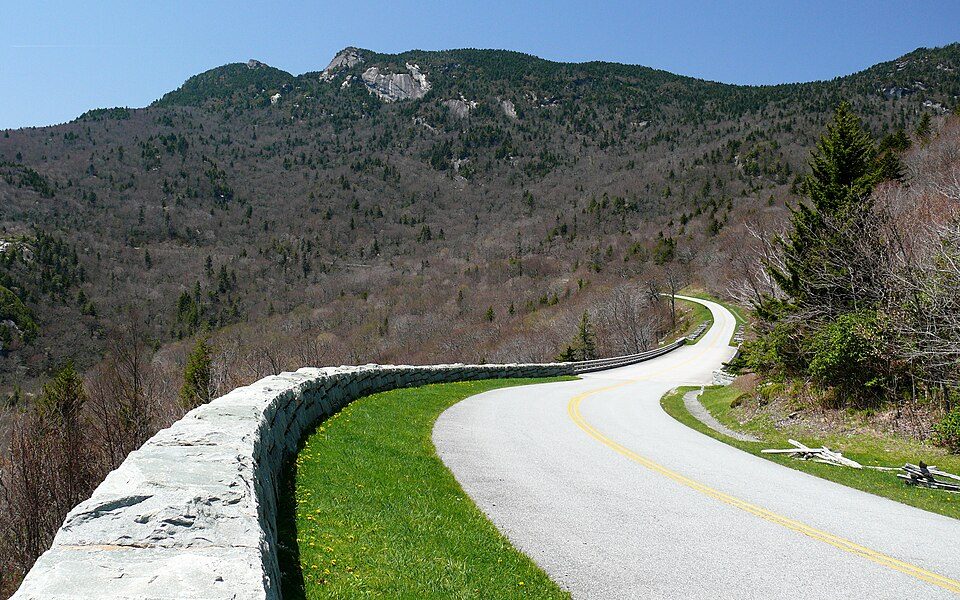
4 mi MountainGrandfather Mountain7 mi Theme parkTweetsie Railroad6 mi Theme parkLand of Oz
37 mi MountainMount RogersBlue Ridge Parkway: Ken Thomas, Public domain · Mount Mitchell: Unknown, Public domain · Grandfather Mountain: Original uploader was KyleAndMelissa22 at en.wikipedia, Public domain · Mount Rogers: USDA-FS, Public domain
Foscoe is unincorporated, so Watauga County and regional agencies provide most services.
EPA SDWIS (Oct 9, 2026) · HIFLD + EIA-861 2025 · Census 2020 ZCTAs · NCES 2024–25 · registration: vote.gov, updated Nov 18, 2024.
Ordered by what stands out in Foscoe.
Foscoe beats the North Carolina average on 7 of 32 CDC measures and trails it on 2. 30% of adults sleep under 7 hours in Foscoe, below both North Carolina’s towns (34%) and U.S. towns (36%). 15% of Foscoe adults report frequent mental distress.
| Foscoe | North Carolina towns | U.S. towns | |
|---|---|---|---|
| Sleep under 7 hours (CDC PLACES) | 30% | 34% | 36% |
| Feel lonely (CDC PLACES) | 30% | 33% | 33% |
| Frequent mental distress (CDC PLACES) | 15% | 17% | 17% |
| Get no exercise (CDC PLACES) | 21% | 24% | 25% |
| What stands out | Foscoe | NC |
|---|---|---|
| Fewer adults facing food insecurity | 10.3% | 15.2% |
| Fewer adults facing housing insecurity | 8.3% | 12.2% |
| More adults who have had cancer | 10.2% | 7.9% |
CDC PLACES 2025 · modeled estimates for adults · CMS · HRSA
People 65 and older are 28% of residents (17% statewide); children under 18 are 17% of residents (22% statewide). The median age in Foscoe is 53 years. 40% of adults 25 and older have a bachelor’s degree or more, vs 36% across North Carolina.
| Foscoe | North Carolina towns | U.S. towns | |
|---|---|---|---|
| Median age | 53 years | 40.1 years | 40.5 years |
| Bachelor’s degree or more, 25+ | 40% | 29% | 29% |
59% women, 41% men
About 69 men for every 100 women (the survey’s margin: ±5.8 points). Across North Carolina, 51.1% of residents are women. Among residents 18 to 24, 93% are women (NC 49%).
| Foscoe | NC | U.S. | |
|---|---|---|---|
| Under 10 | 6.4% | 11.6% | 11.6% |
| 10 to 17 | 10.8% | 10.2% | 10.3% |
| 18 to 24 | 4.9% | 9.5% | 9.1% |
| 25 to 34 | 15.7% | 13.4% | 13.7% |
| 35 to 44 | 9.5% | 12.8% | 13.2% |
| 45 to 54 | 13.9% | 12.6% | 12.2% |
| 55 to 64 | 11% | 12.8% | 12.7% |
| 65 to 74 | 17.5% | 10.3% | 10.2% |
| 75 and older | 10.3% | 6.9% | 7% |
| No diploma | 15.9% | 9.9% | 10.4% |
| High school | 11.8% | 24.8% | 26% |
| Some college | 21% | 19.6% | 19.1% |
| Associate’s | 11.3% | 10.1% | 8.8% |
| Bachelor’s | 26.6% | 22.2% | 21.6% |
| Graduate | 13.3% | 13.5% | 14.1% |
U.S. Census Bureau · ACS 2020-2024 5-year estimates · in a town of 1,200, single groups can be off by several points
Expected storm and flood damage is higher than in 68% of U.S. communities.
FEMA National Risk Index · OpenFEMA
Foscoe has chilly, snowy winters and pleasant summers, with plenty of rain. Of the 291 North Carolina towns we compare, none has a lower January low than Foscoe.
NOAA U.S. Climate Normals, 1991–2020
Most working residents leave Foscoe for work: only 6% work in town. Jobs based in Foscoe grew to 392 in 2023, 92 more than in 2013. Foscoe’s median household income is $49,000.
| Foscoe | North Carolina towns | U.S. towns | |
|---|---|---|---|
| Below the poverty line | 22% | 13% | 9.6% |
| Median household income | $49,000 | $69,000 | $80,000 |
| Average trip to work | 23 minutes | 24 minutes | 25 minutes |
Census LEHD 2023 · ACS
1.7 miles of trail in 2 parks and preserves.
| Foscoe | North Carolina towns | U.S. towns | |
|---|---|---|---|
| Conserved land | 8.9% | 3.4% | 4.3% |
| Miles of trail per square mile | 0.3 miles per square mile | 0.2 | 0.4 |
| Biggest places to walk | Trails | Acres |
|---|---|---|
| 1. Foscoe Wetland Conservation Area | — | 10 |
| 2. Foscoe-Grandfather Community Center and Park | 0.1 mi | 8 |
Trails & parks © OpenStreetMap contributors · Conserved land: USGS PAD-US
Zillow Home Value Index · Redfin Data Center
3 within 15 miles of the center of Foscoe
About 12 of every 100 Foscoe residents are enrolled in college, against 6 across North Carolina.
Place in North Carolina, United States
Foscoe is an unincorporated community and census-designated place in Watauga County, North Carolina, United States. The community is located on NC 105, southwest of Boone. As of the 2020 census, Foscoe had a population of 1,457. The community is between Seven Devils and Shulls Mill. Multiple shops dot the main highway, serving a tourist clientele. Its development, since the 1980s, is thanks to year-round tourism to nearby attractions, notably Grandfather Mountain. Historically, the East Tennessee and Western North Carolina Railroad (Nicknamed "Tweetsie") passed through the area until flooding destroyed the tracks in 1940. In 1956, NC 105 was built over the original rail bed.
From Wikipedia, licensed CC BY-SA 4.0 · facts via Wikidata (CC0)
Short answers, built from the data on this page.
Yes. The typical home is worth about $326,000, 2% below the North Carolina typical home. Cost of living, which also weighs rents, property taxes and how many households pay 30% or more of their income for housing, grades C−.