Where it falls short is schools: its public schools trail 96% of Kansas State towns on state tests and graduation. At about $200K, a typical home costs 2.4 years of the Kansas City metro’s $83K median household income. Its best grade is for walkability (A−): it is more walkable than 80% of U.S. towns. All told, that adds up to a D overall and a rank of 146th of 150 in Kansas State. It comes out better than nearly a tenth of U.S. towns. Its National Register listings include Huron Cemetery and Grinter Place. The city’s rate of reported violence is 9.7 per 1,000 residents, above both the Kansas State town median (2.5) and the median of U.S. towns (1.6). On health, just 12 of Kansas State’s 371 towns do worse.
Figures: schools, state test and graduation results · home values, Zillow · incomes, Census ACS, 2020–24 · health, CDC PLACES · National Register of Historic Places · FBI crime data, 2025.
Wyandotte National Burying Ground, Eliza Burton Conley Burial Site · National Register of Historic Places
Kansas City’s story
158 years in pictures
Wyandotte National Burying Ground, Eliza Burton Conley Burial Site is a National Historic Landmark, the National Register’s top tier. Its 44 National Register listings are more than in 96% of Kansas State towns with a listing.
Census counts: 3,200 in 1880, 156,607 in 2020. The archive holds 18 old photos and papers going back to 1843 and 4 maps from 1943 on.
Kansas City has a longer frost-free season than almost anywhere else in Kansas State and costs less than Edwardsville or any other town next door, but it reports violent crime at about twice the Kansas State rate.
Each of its 7 graded neighbors has a higher School Grade than that grade, Fairmount Township highest at A.
Below: Three of its 62 schools, each with why it was picked. The public schools here belong to the Kansas City school district. The 6 public schools in Kansas City teach 4,460 students between them.
Violent crime runs at 9.7 per 1,000 residents, about twice the Kansas State rate; the Safety Grade counts each violent crime four times, so this weighs most on its D. Each of the 4 graded towns on its borders reports less crime per resident, from Bonner Springs (C−) to Shawnee (C+). Reported crimes rose from 862 to 6,396 over the last three FBI years, a rise beyond ordinary year-to-year swings.
Among 80 Kansas State towns, just 5 have a higher rate of thefts and burglaries than Kansas City. This Kansas State town reports more crime per resident than most U.S. towns we grade: about 91% report less.
All 7 graded neighbors score healthier than its C−, from Edwardsville (C+) to Lake Quivira (A).
For adults in Kansas City, the share who have obesity is 41%. Among 150 Kansas State towns, just 4 have a higher share of adults who have diabetes than Kansas City. In Kansas City, a quarter of adults worry about having enough food, and 26% say their health is fair or poor. Against the Kansas State average, Kansas City comes out ahead on 2 CDC measures out of 32, and behind on 17.
There are 56 miles of trail across 47 parks and preserves. Wyandotte County Lake Park, at 1,432 acres with 30.3 miles of trail, is the biggest park or preserve. Kansas City’s trail network density comes in at 0.4 miles per square mile.
278 flood insurance claims have been filed here, and 37 properties have flooded more than once.
On expected storm and flood damage, Kansas City sits below 73% of U.S. communities. 278 flood insurance claims have been paid locally since 1979. Expected losses in Kansas City break down as 30% from inland flooding and 23% from tornadoes. Federal disaster aid has reached households in Kansas City once, in 2003.
The Kansas City Downtown Ap weather station, 8 miles away, records that the frost-free season runs about 211 days, the highest of 1,996 Kansas State places with climate records. The Kansas City Downtown Ap weather station, 8 miles away, records that about 47 days a year reach 90°: more than most of the country, but fewer than 76% of Kansas State places with climate records.
The town’s peak summer temperature stands at 89°F.
Its typical home is the least expensive on its borders; Edwardsville is next at $300K.
A home in Kansas City typically sold within 17 days of listing. The typical Kansas City home is worth about $200,000, up 2.6% in a year, 19% below the Kansas State typical home. In Kansas City, 61% of households live in a home they own.
Half the trips to work are shorter than 9 miles. Kansas City had 78,785 jobs in 2023, up 13,930 from 2013. One in 3 of the town’s working residents works locally. Among residents locally, 16% live below the poverty line.
30%work in town
Kansas City
Kansas State towns
U.S. towns
Working residents who work in town
30%
15%
8%
Below the poverty line
16%
9.1%
9.6%
Median household income
$62,000
$73,000
$80,000
Average trip to work
22 minutes
20 minutes
25 minutes
Where working residents work
In Kansas City30%
Kansas City14%
Overland Park11%
Lenexa7%
Olathe6%
9 mi
median commute distance
78,785
jobs based in Kansas City
Balanced
jobs vs. working residents
A−
Walkability grade: more walkable than 80% of U.S. towns
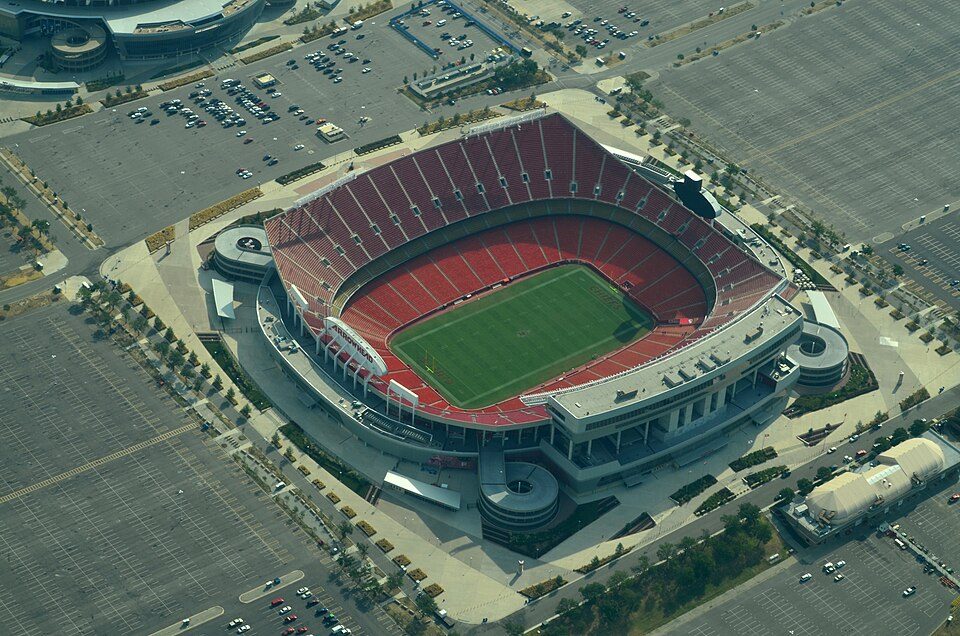
Kansas City (commonly known as KCK) is the third-most populous city in the U.S. state of Kansas and the county seat of Wyandotte County. It is an inner suburb of the older and more populous Kansas City, Missouri, after which it is named. As of the 2020 census, the population of the city was 156,607, making it one of four principal cities in the Kansas City metropolitan area. It is situated at Kaw Point, the junction of the Missouri and Kansas rivers. It is part of a consolidated city-county government known as the "Unified Government". It is the location of the University of Kansas Medical Center and Kansas City Kansas Community College.
All 5 graded towns on its borders grade higher than its D; Edwardsville (D) is closest. Shawnee next door grades higher for schools (A to Kansas City’s D−) and lower for cost of living (C to B).
EdwardsvilleKansas CityBonner SpringsParkvilleLake QuiviraRiversideDelaware TownshipFairmount TownshipShawneeRoeland ParkKansas City
Lake Quivira and Delaware Township have fewer than 2,500 residents, so they get subject grades but no overall grade. Lake Quivira, Delaware Township and Fairmount Township report no FBI crime data of their own. Compare Kansas City with a neighbor →
Questions about Kansas City
Short answers, built from the data on this page.
Is Kansas City, KS a good place to live?
Kansas City grades D overall, better than 9% of U.S. towns and #146 of 150 in Kansas State. It grades C− for health, D for safety and D− for schools. Schools is its weak spot, with a D−.
Is Kansas City, KS expensive?
Cost of living, which also weighs rents, property taxes and how many households pay 30% or more of their income for housing, grades B.


 15 mi
 15 mi
 in town
 9 mi
 9 mi


