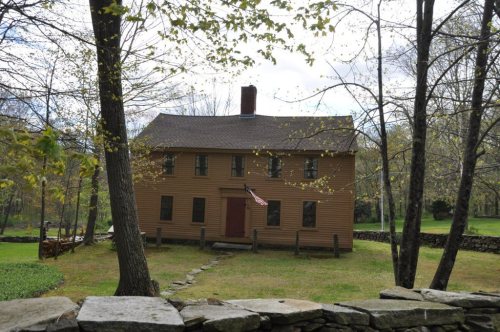
Tolland dates to 1715, and 3 of its places are on the National Register
More historic than 68% of U.S. towns · #122 of 155 in Connecticut. What drives it
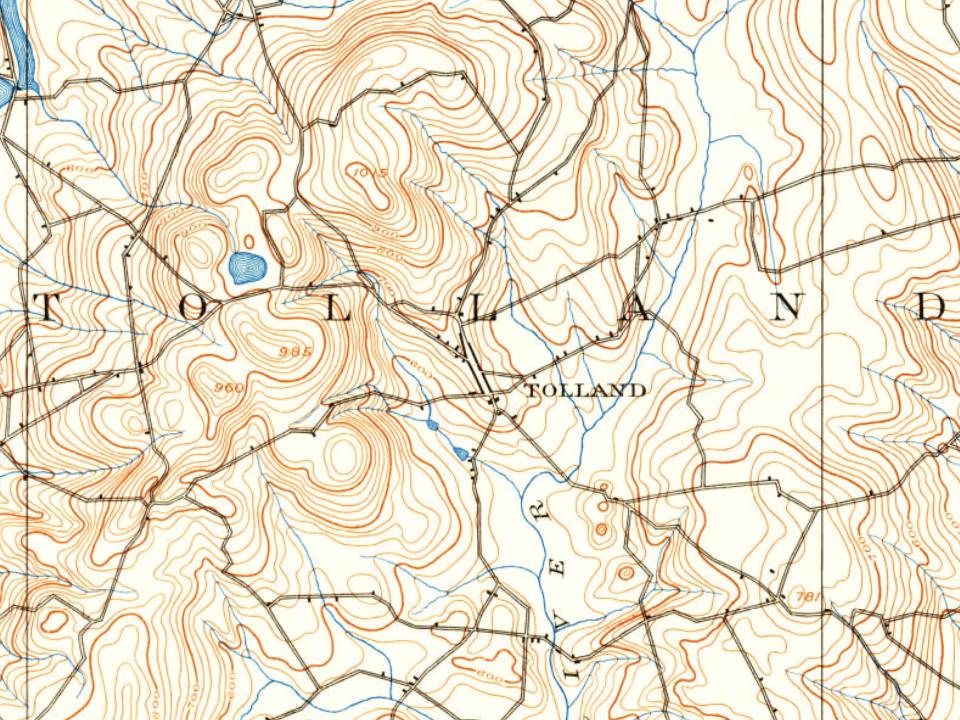
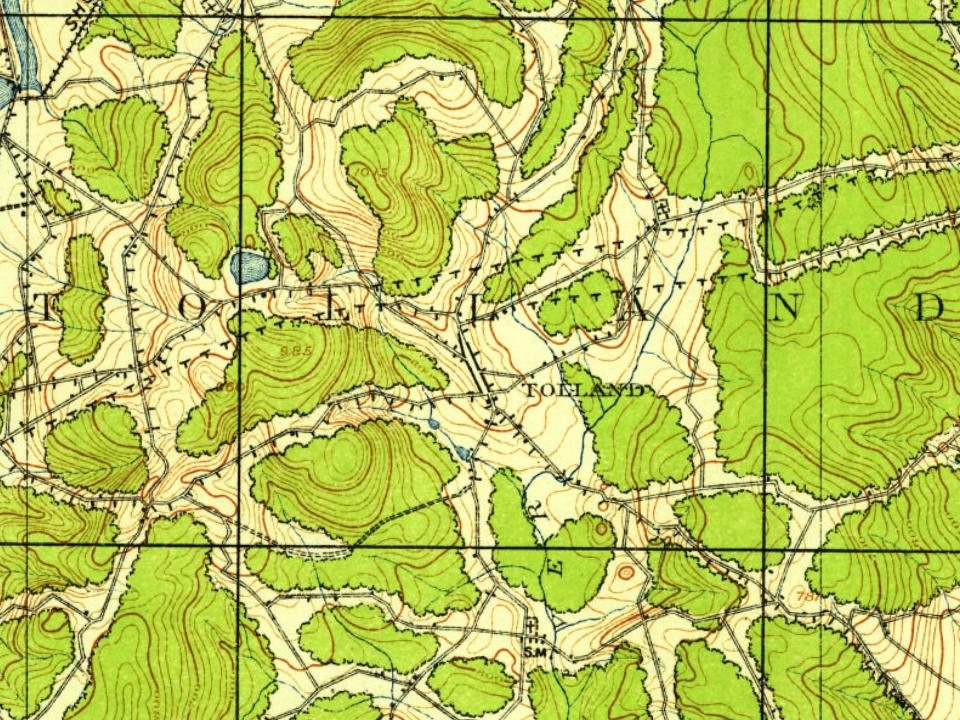
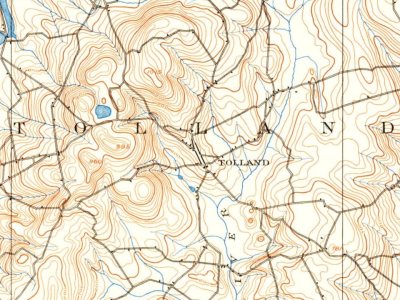
Most of Tolland was built recently: 4% of its homes predate 1940 and the median home dates from 1981. 3 places in town are on the National Register, among them a historic district with 55 buildings. Below: maps from 1892 on and the census since 1820.
Founding year: Wikidata. First post office: 1798.The full story ↓
History grade
What drives Tolland’s History grade
On its age, its old homes and the National Register, Tolland is more historic than 68% of U.S. towns, #122 of 155 in Connecticut. Its age holds the grade up; its share of homes from before 1940 pulls it down.
B+
HistoryA character grade: shown, never part of Tolland’s overall grade.
Connecticut towns list more on the Register than most of the country (a typical Connecticut town has 73.3 per 10,000 residents, the U.S. 2.4), so Tolland’s 39.0 sits below most of its state (33% of Connecticut towns have fewer) while its 57 historic buildings outnumber those of 86% of U.S. towns.
NoteThe founding year comes from Wikidata alone; no second source gives 1715.
How sure. Graded on any two of the three inputs instead, the letter would range from C+ to A−. The pre-1940 share (±1.9 points) is firm at this size.
Founding year: Wikidata (other dates in Quick answers). Homes: Census ACS 2020–24. National Register: National Park Service, May 2026 list; each listing counted once (boundary changes and added documentation belong to their listing), and a historic district counts its contributing buildings. How TownRatings grades history →
What stands out about Tolland’s past
Read from the archive, the National Register and the record. The page puts what stands out first.
Tolland was named in May 1715, and incorporated in May 1722 from Windsor. The town was over 20 miles away from Tolland and was incorporated to grow the population out in the hill areas. According to some, the town derives its name from being a toll station on the old road between Boston and New York. Alternatively, its name could have been taken after Tolland in Somerset, England. Today Interstate 84, the main highway connecting New York City, Hartford, Connecticut and Boston, bisects Tolland, but the town retains a charming village feel. Tolland Green is the informal center of the community, and a national historic district. The Green's features include an old-fashioned penny candy and antiques store known to locals as the 'Red and White'; the town's original 19th-century town hall, now an arts center; the Old Tolland County Jail and Museum; the Tolland County Courthouse and former pu…
Passages that mention Tolland, cut from the printed page as they were published.
Commemorative biographical record of Tolland and Windham counties, Connecticut1903 · page 253Read the page →
Read the text
(III) Capt. Samuel Chapman, born in 1696, married in 1717 Hannah Strong, and became the progenitor of all the Chapmans in the western part of the town of Tolland, which town began to be settled about 1725. He was the only justice of the peace in Tolland for nine years, and was selectman for eleven years. He died in the service of his country during the French war. Capt. Samuel
Text read by machine from the scan; it may contain errors.
Commemorative biographical record of Tolland and Windham counties, Connecticut1903 · page 430Read the page →
Read the text
Conn., in connection with which he filled the position of agent for the New London and Northern Railway at West Willington, being also postmaster. Mr. Pomeroy was next located at Tolland where he had bought a farm, and became a deputy jailer, serving under Sheriffs Pease and Falk, of Tolland county. From Tolland, Mr. Pomeroy removed to Stafford, where he bought the "Springs
Text read by machine from the scan; it may contain errors.
Scans and text from the Internet Archive. Books published in 1930 or earlier, which are in the public domain.
Timeline
Tolland, 1715 to 2010
Woven from the archive, old maps, post office records, the National Register and the people born here.
In 1715, according to Wikidata. Tolland’s post office opened in 1798, and the census of 1820 counted 1,597 people here.
How does Tolland rank for history?
Tolland is more historic than 68% of U.S. towns, #122 of 155 in Connecticut. The History grade combines the town’s founding era, the share of homes built before 1940 and its National Register listings. It’s a character grade, so it isn’t part of the overall grade. How it works.
What is on the National Register in Tolland?
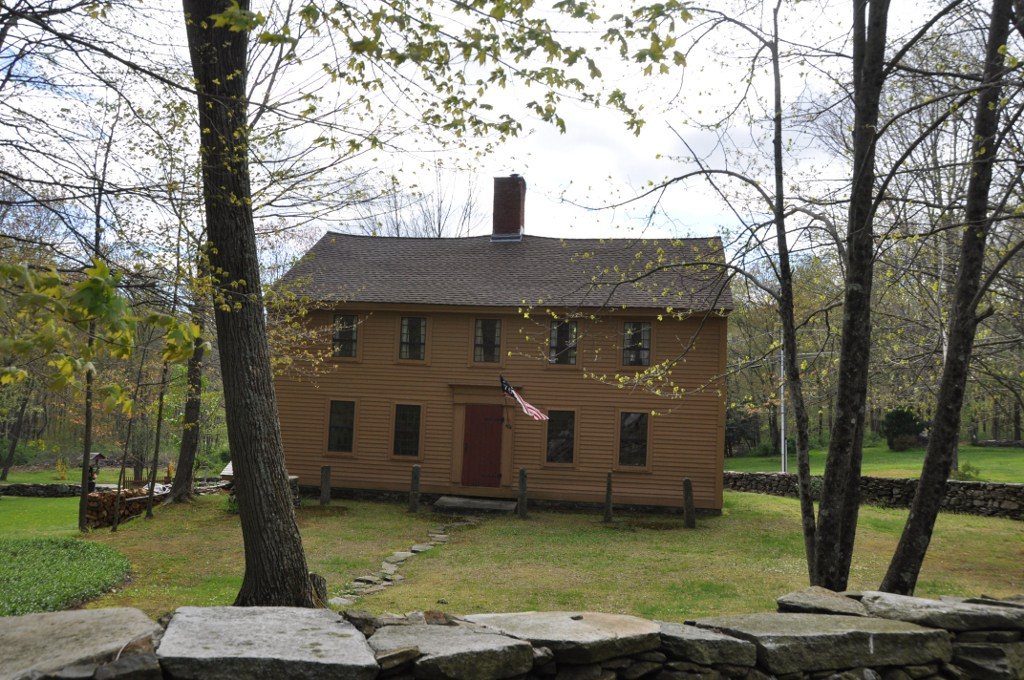
Three places: the Tolland County Courthouse (listed 1977), the John Cady House (1982) and the Tolland Green Historic District (1997).
How old are the homes in Tolland?
4% of Tolland’s homes were built before 1940 (Census estimate, ±1.9 points), against a typical 15% for a Connecticut town; the median home was built in 1981.
Founding dates: Wikidata, Wikipedia, the U.S. post office records of Blevins & Helbock (CC0) and the Census. Homes by year built: Census ACS 2020–24. National Register of Historic Places: National Park Service (list of May 22, 2026). Old photos, postcards and papers: Wikimedia Commons, the Library of Congress and other public archives, credited on each item’s page. Maps: U.S. Geological Survey historical topographic maps (via Esri) and Sanborn fire-insurance maps (Library of Congress). History text and census tables: Wikipedia (CC BY-SA 4.0). Places that used to be: USGS Geographic Names Information System (2021).
From Wikimedia Commons (6), the National Register of Historic Places (3), Wikipedia, U.S. Geological Survey historical maps, U.S. Census counts (via Wikipedia), the US Post Offices dataset (Blevins & Helbock), the USGS Geographic Names Information System and old county and town histories (Internet Archive). Archive images are copied here with their credits and licenses, shown on each photo’s page. Refreshed monthly.


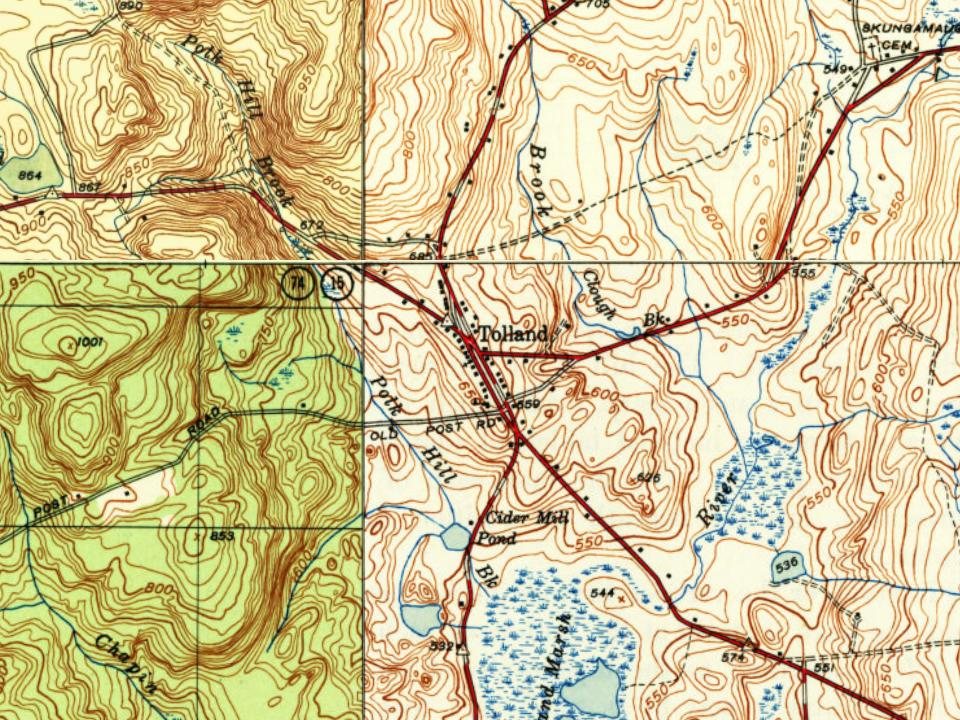
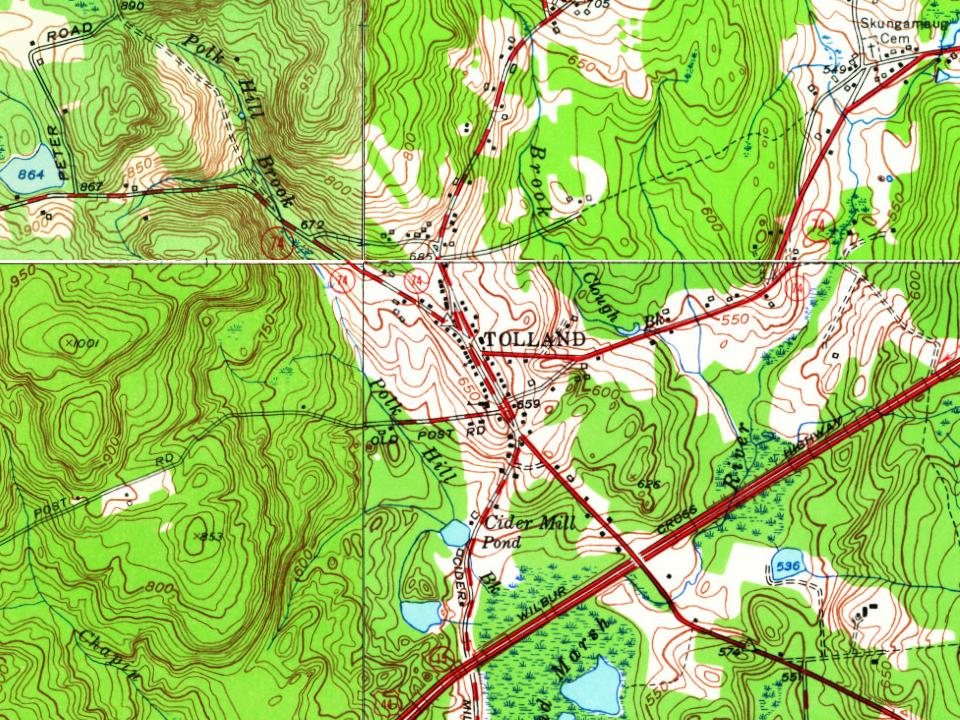
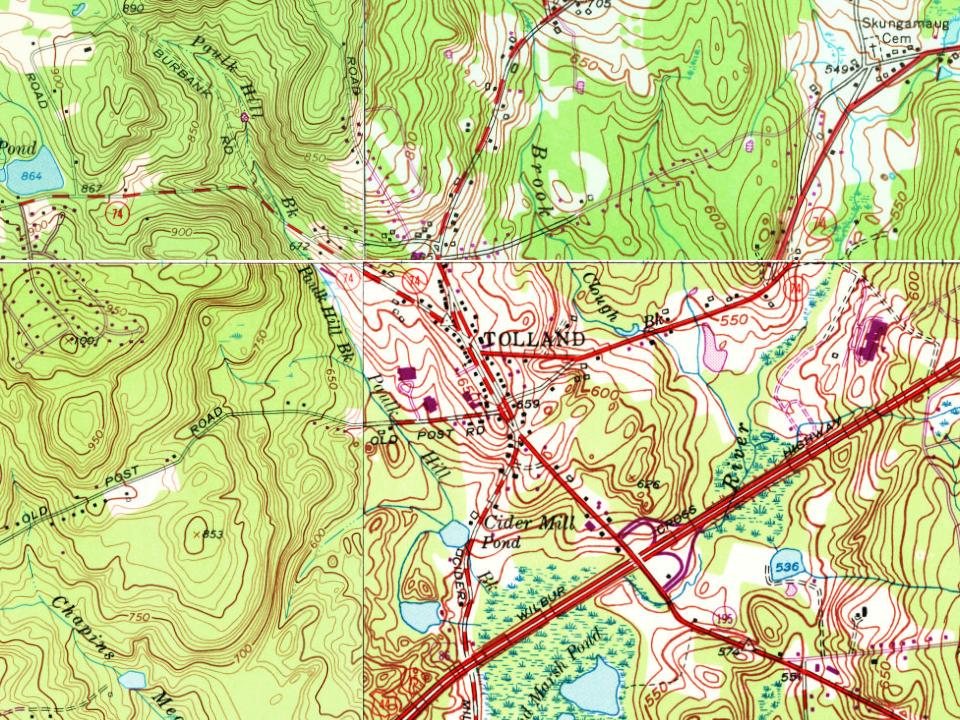
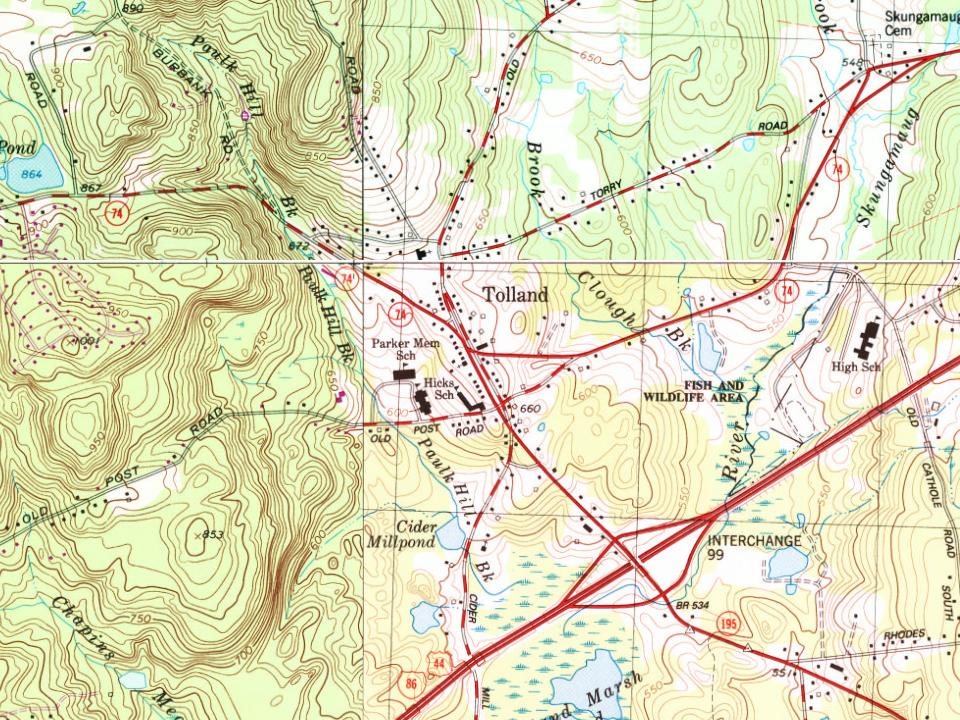


 2010
 2008
 2007
 2006
 2006
 2006