Founding year: Wikidata; Wikipedia’s history section gives the same year.The full story ↓
History grade
What drives Groton’s History grade
On its age, its old homes and the National Register, Groton is more historic than 94% of U.S. towns, #24 of 155 in Connecticut. All 3 inputs are above most U.S. towns; its age ranks highest and its share of homes from before 1940 lowest.
A
HistoryA character grade: shown, never part of Groton’s overall grade.
Connecticut towns list more on the Register than most of the country (a typical Connecticut town has 73.3 per 10,000 residents, the U.S. 2.4), so Groton’s 200 sits above most of its state (74% of Connecticut towns have fewer) while its 190 historic buildings outnumber those of 93% of U.S. towns.
How sure. Graded on any two of the three inputs instead, the letter would range from A− to A+. The pre-1940 share is a Census survey estimate (±3.9 points). Two sources give 1705.
Founding year: Wikidata (other dates in Quick answers). Homes: Census ACS 2020–24. National Register: National Park Service, May 2026 list; each listing counted once (boundary changes and added documentation belong to their listing), and a historic district counts its contributing buildings. How TownRatings grades history →
What stands out about Groton’s past
Read from the archive, the National Register and the record. The page puts what stands out first.
Groton was established in 1705 when it separated from New London. The town was named after Groton, Suffolk in England. A hundred years before it was established, the Niantic people settled in the area between the Thames River and Pawcatuck River, but they eventually settled in Westerly, Rhode Island. The newcomers to the land were the Pequots, an Algonquian people who moved into the Connecticut River Valley.
The summer of 1614 was the first time that the Pequots encountered white settlers. They started trading furs for the settlers' goods, such as steel knives, needles, and boots. In 1633, the Dutch bought land from them and opened a fur trading post. Meanwhile, the English bought land for settlement from the local tribes.
Passages that mention Groton, cut from the printed page as they were published.
History of New London county, Connecticut, with biographical sketches of many of its pioneers and prominent men1882 · page 680Read the page →
Read the text
At a town-meeting legally warned and held on the 7th day of August, 1854, it was voted that Asa Fish and Richard A. Wheeler be a committee to join with the selectmen or committee of the town of Groton, appointed for the purpose of receiving the transfer of the Mystic bridge and all of its appurtenances from the Mystic Bridge Company to the towns of Groton and Stonington, in pursuance of a special act of the
Text read by machine from the scan; it may contain errors.
ter of repairing their meeting house, which had now been used sixt}-three 3ears, just as long as their first house of worship. During that time, Groton had grown to be a fairsized village, and as this church now ministered to this district particularly it was decided to locate a new building within the village of Groton. Accordingly it was built
Text read by machine from the scan; it may contain errors.
History of New London county, Connecticut, with biographical sketches of many of its pioneers and prominent men1882 · page 421Read the page →
Read the text
" Mr. Davie was among the few liberally-educated men of that day that helped found the settlement and township of Groton, and left the impress of his culture upon the community. He contributed freely to the building and temporal prosperity of the new church which arose at Centre Groton almost simultaneously with the incorporation of the town, and aided in settling Mr. Barnard as the permanent school-
Text read by machine from the scan; it may contain errors.
Oldest Baptist Church in the State The history of this church reaches back to a date one year earlier than the organization of the town of Groton. In 1704, a few scattered Baptists residing east of the Thames river in New London petitioned the general court for a settlement as a dissenting congregation, and sent a request to Mr. Valentine Wightman,
Text read by machine from the scan; it may contain errors.
Scans and text from the Internet Archive. Books published in 1930 or earlier, which are in the public domain.
By decade
Groton, decade by decade
2 decades in the archive, from the 1890s to the 1900s. Scroll each row; tap a photo for its story.
Nothing in the archives for these yearsWeddings on Main Street, storms, parades, school pictures, the old store. If it’s in your family album, it belongs here.
In 1705, according to Wikidata and Wikipedia’s history of the town. the census of 1800 counted 4,302 people here.
How does Groton rank for history?
Groton is more historic than 94% of U.S. towns, #24 of 155 in Connecticut. The History grade combines the town’s founding era, the share of homes built before 1940 and its National Register listings. It’s a character grade, so it isn’t part of the overall grade. How it works.
How old are the homes in Groton?
19% of Groton’s homes were built before 1940 (Census estimate, ±3.9 points), against a typical 15% for a Connecticut town; the median home was built in 1971.
Founding dates: Wikidata, Wikipedia, the U.S. post office records of Blevins & Helbock (CC0) and the Census. Homes by year built: Census ACS 2020–24. National Register of Historic Places: National Park Service (list of May 22, 2026). Old photos, postcards and papers: Wikimedia Commons, the Library of Congress and other public archives, credited on each item’s page. Maps: U.S. Geological Survey historical topographic maps (via Esri) and Sanborn fire-insurance maps (Library of Congress). History text and census tables: Wikipedia (CC BY-SA 4.0). Places that used to be: USGS Geographic Names Information System (2021).
From the Library of Congress (10), Wikidata (1), Wikipedia, Wikidata and Wikipedia for famous people, U.S. Geological Survey historical maps, U.S. Census counts (via Wikipedia), Sanborn fire insurance maps (Library of Congress) and old county and town histories (Internet Archive). Archive images are copied here with their credits and licenses, shown on each photo’s page. Refreshed monthly.


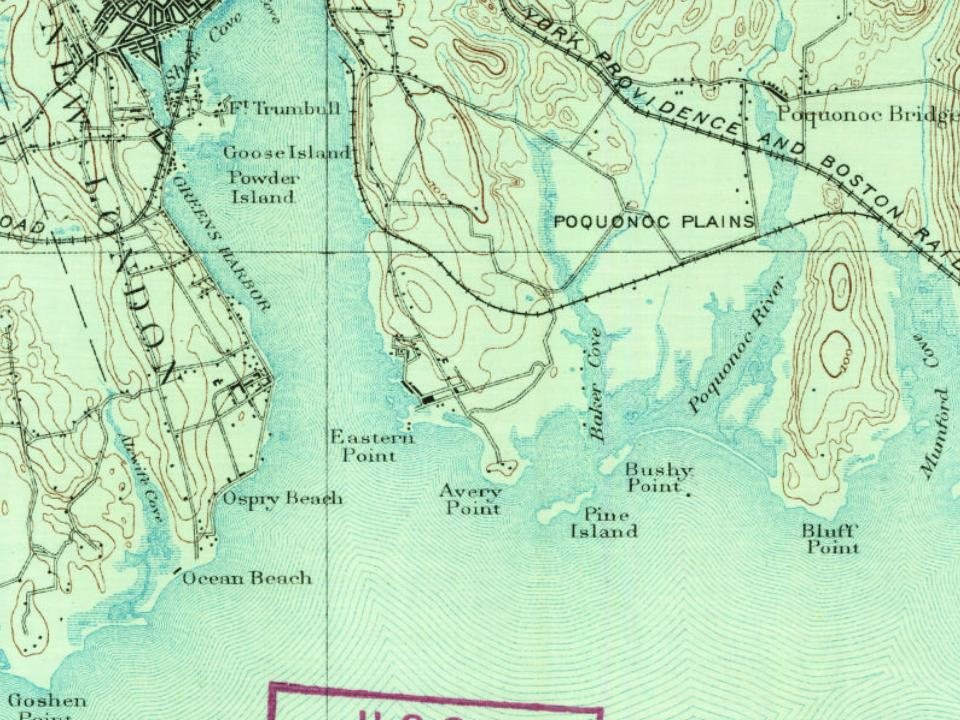
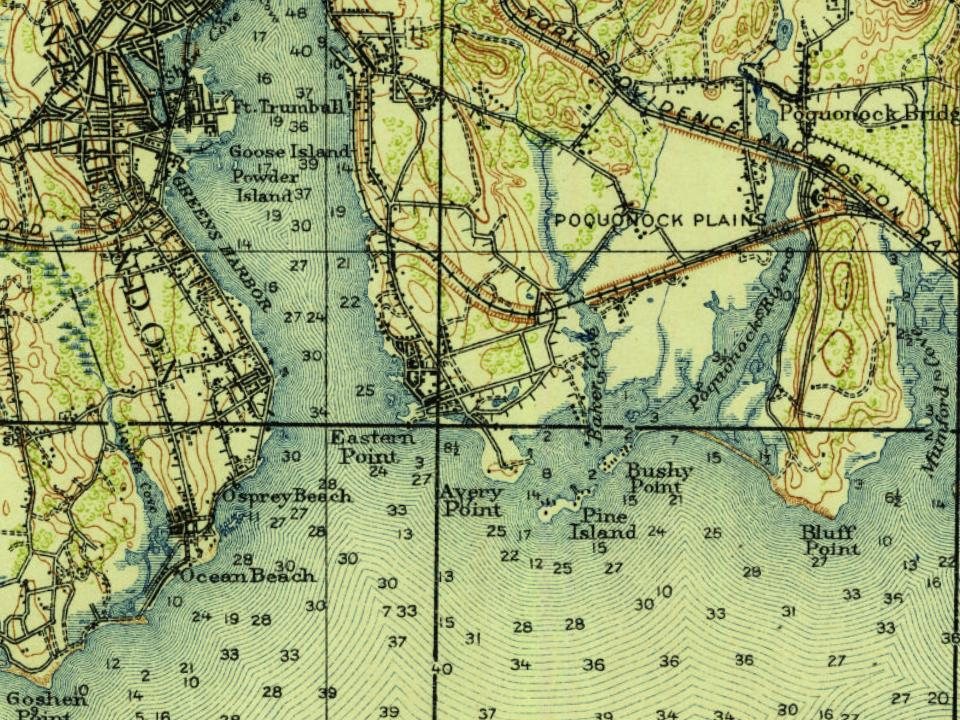




 1890
 1905
 1905
 1905
 1905
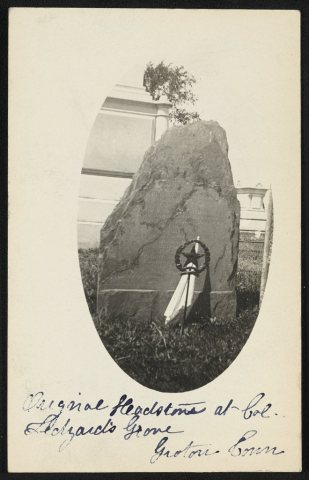 1905
 1905
 1905


