Essex’s post office opened in 1820, and 27% of its homes were built before 1940
More historic than 94% of U.S. towns · #20 of 155 in Connecticut. What drives it
10 places in town are on the National Register, among them the CHRISTEEN (oyster sloop), a National Historic Landmark, and a historic district with 249 buildings. Below: 5 old photos and papers, maps from 1893 on, and the census since 1850.
The Essex post office opened in 1820, the earliest record of the town by name. Wikidata gives 1852. Two smaller post offices, Pettipauge (1802) and Centre Brook (1849), opened inside today’s town and later closed.
First census: 950 in 1850206 years
How historic is Essex?
A
More historic than 94% of U.S. towns, on its age, its old homes and the National Register.
Founding year: the first Essex post office (Blevins & Helbock, CC0). Wikidata: 1852.The full story ↓
History grade
What drives Essex’s History grade
On its age, its old homes and the National Register, Essex is more historic than 94% of U.S. towns, #20 of 155 in Connecticut. All 3 inputs are above most U.S. towns; its National Register listings ranks highest and its age lowest.
A
HistoryA character grade: shown, never part of Essex’s overall grade.
Connecticut towns list more on the Register than most of the country (a typical Connecticut town has 73.3 per 10,000 residents, the U.S. 2.4), so Essex’s 393 sits above most of its state (89% of Connecticut towns have fewer) while its 267 historic buildings outnumber those of 95% of U.S. towns.
How sure. Graded on any two of the three inputs instead, the letter would still be A. The pre-1940 share is a Census survey estimate (±5.9 points). The founding year is the first post office, not a stated founding date; Wikidata gives 1852.
Founding year: the first post office (other dates in Quick answers). Homes: Census ACS 2020–24. National Register: National Park Service, May 2026 list; each listing counted once (boundary changes and added documentation belong to their listing), and a historic district counts its contributing buildings. How TownRatings grades history →
What stands out about Essex’s past
Read from the archive, the National Register and the record. The page puts what stands out first.
Essex is one of the few American towns to have ever been attacked by a foreign power; this occurred on April 8, 1814, and the economic losses were among the largest sustained by the United States during the War of 1812. Twenty-eight vessels, with a total value estimated to be close to $200,000 (at a time when a very large two-story home in Essex, then known as Potapoug Point, would have been worth no more than $1,000), were burnt by British forces. One historian has called it the "Pearl Harbor" of that war.
Passages that mention Essex, cut from the printed page as they were published.
Municipal history of Essex County in Massachusetts1922Read the page →
Read the text
John and William Raymond, brothers, came to Beverly, Massachusetts, about the year 1654, and William Raymond, with Rev. John Wise, of Chebacco Parish (now the town of Essex), had the honor of being imprisoned as a result of the fight against Governor Andros to maintain the principles of "no taxation without representation." This is said to be the first movement against England in
Text read by machine from the scan; it may contain errors.
Municipal history of Essex County in Massachusetts1922 · page 58Read the page →
Read the text
The first location of this business, in the early days of its history, was at No. 327 Essex street, where the original business was founded in 1852. In 1900 a building was purchased at the corner of Essex and Amesbury streets, the firm taking possession the following spring. In August, 1919, the business having outgrown these premises, the present large, handsome building was purchased, and as
Text read by machine from the scan; it may contain errors.
Scans and text from the Internet Archive. Books published in 1930 or earlier, which are in the public domain.
Timeline
Essex, 1790 to 1991
Woven from the archive, old maps, post office records, the National Register and the people born here.
Nothing in the archives for these yearsWeddings on Main Street, storms, parades, school pictures, the old store. If it’s in your family album, it belongs here.
Nothing in the archives for these yearsWeddings on Main Street, storms, parades, school pictures, the old store. If it’s in your family album, it belongs here.
The Essex post office opened in 1820, the earliest record of the town by name (U.S. post office records). Wikidata gives 1852.
How does Essex rank for history?
Essex is more historic than 94% of U.S. towns, #20 of 155 in Connecticut. The History grade combines the town’s founding era, the share of homes built before 1940 and its National Register listings. It’s a character grade, so it isn’t part of the overall grade. How it works.
What is on the National Register in Essex?
10 listings: 8 buildings, among them the Steamboat Dock Site (listed 1982, the first), 1 historic district, the Ivoryton Historic District, with 249 contributing buildings, and 1 structure. 267 historic buildings in all.
How old are the homes in Essex?
27% of Essex’s homes were built before 1940 (Census estimate, ±5.9 points), against a typical 15% for a Connecticut town; the median home was built in 1971.
Founding dates: Wikidata, Wikipedia, the U.S. post office records of Blevins & Helbock (CC0) and the Census. Homes by year built: Census ACS 2020–24. National Register of Historic Places: National Park Service (list of May 22, 2026). Old photos, postcards and papers: Wikimedia Commons, the Library of Congress and other public archives, credited on each item’s page. Maps: U.S. Geological Survey historical topographic maps (via Esri) and Sanborn fire-insurance maps (Library of Congress). History text and census tables: Wikipedia (CC BY-SA 4.0). Places that used to be: USGS Geographic Names Information System (2021).
From Wikimedia Commons (19), the Library of Congress (15), Wikidata (2), the National Register of Historic Places (10), Wikipedia, Wikidata and Wikipedia for famous people, U.S. Geological Survey historical maps, U.S. Census counts (via Wikipedia), the US Post Offices dataset (Blevins & Helbock), the USGS Geographic Names Information System and old county and town histories (Internet Archive). Archive images are copied here with their credits and licenses, shown on each photo’s page. Refreshed monthly.


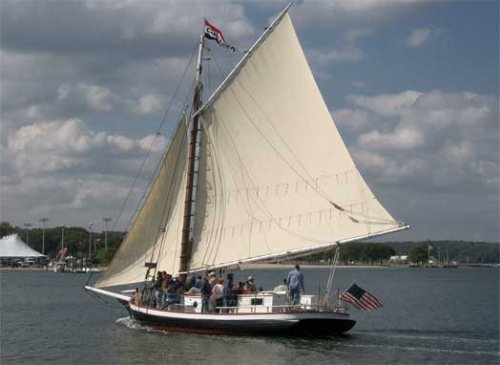 ★ Landmark

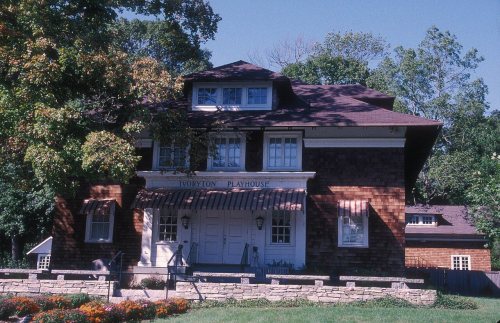

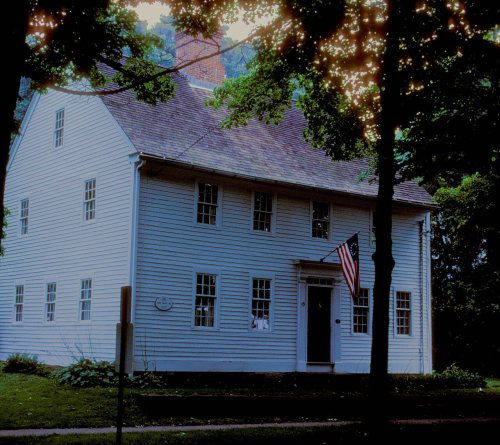

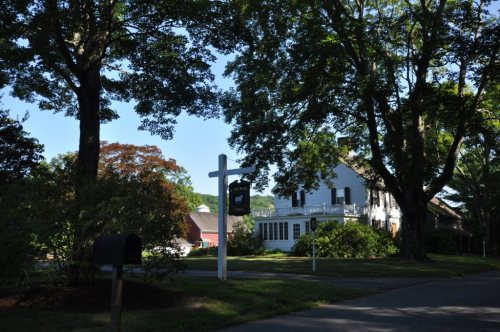


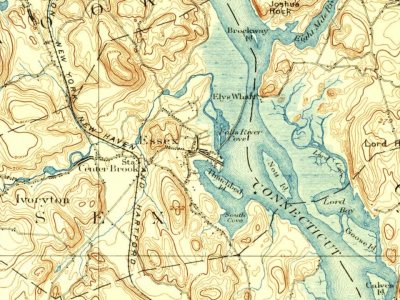


 1980
 2011
 2011
 2011
 2011
 2011
 2011
 2011
 2011
 2011
 2011
 2011
 2011
 2011
 2011
 2011
 2011
 2011
 2011
 2011
 2011
 2011
 2011
 2011
 2010
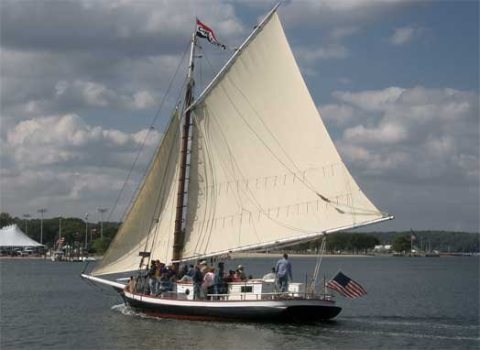 2009
 2008
 2008
 2008
 2006
