 Top
National Historic Site · 1813–1816Fort York250 Fort York BoulevardPhoto: Secondarywaltz · CC BY-SA 3.0 · Commons file
 Annesley Hall · Photo: B Sutherland · CC BY 2.0
46historic places on the registers
History of Toronto · Canada’s heritage registers
Toronto’s record starts in 1793 with Ashbridge Estate
The lists give Toronto 46 historic places, 34 in the top tier. Among the places are 10 provincial or municipal listings and 2 Recognized Federal Heritage Buildings. Behind these stand 5 more local or provincial listings that only Wikidata records.
Historic places
46
Highest designations
34
National Historic Sites and Classified Federal Heritage Buildings
Other federal designations
2
Recognized buildings, railway stations, lighthouses
Provincial and local listings
10
provincial and municipal listings with an encyclopedia article
Oldest building
1793
the first construction date on its record
Homes built before 1961
29%
typical town: 18%
In pictures
Toronto’s heritage in 46 photos, and 16 pictures of its past
Every place on Toronto’s registers has a photo here. For 24 of Toronto’s places, old views sit on the place’s own page. In front: Annesley Hall and Balmoral Fire Hall.
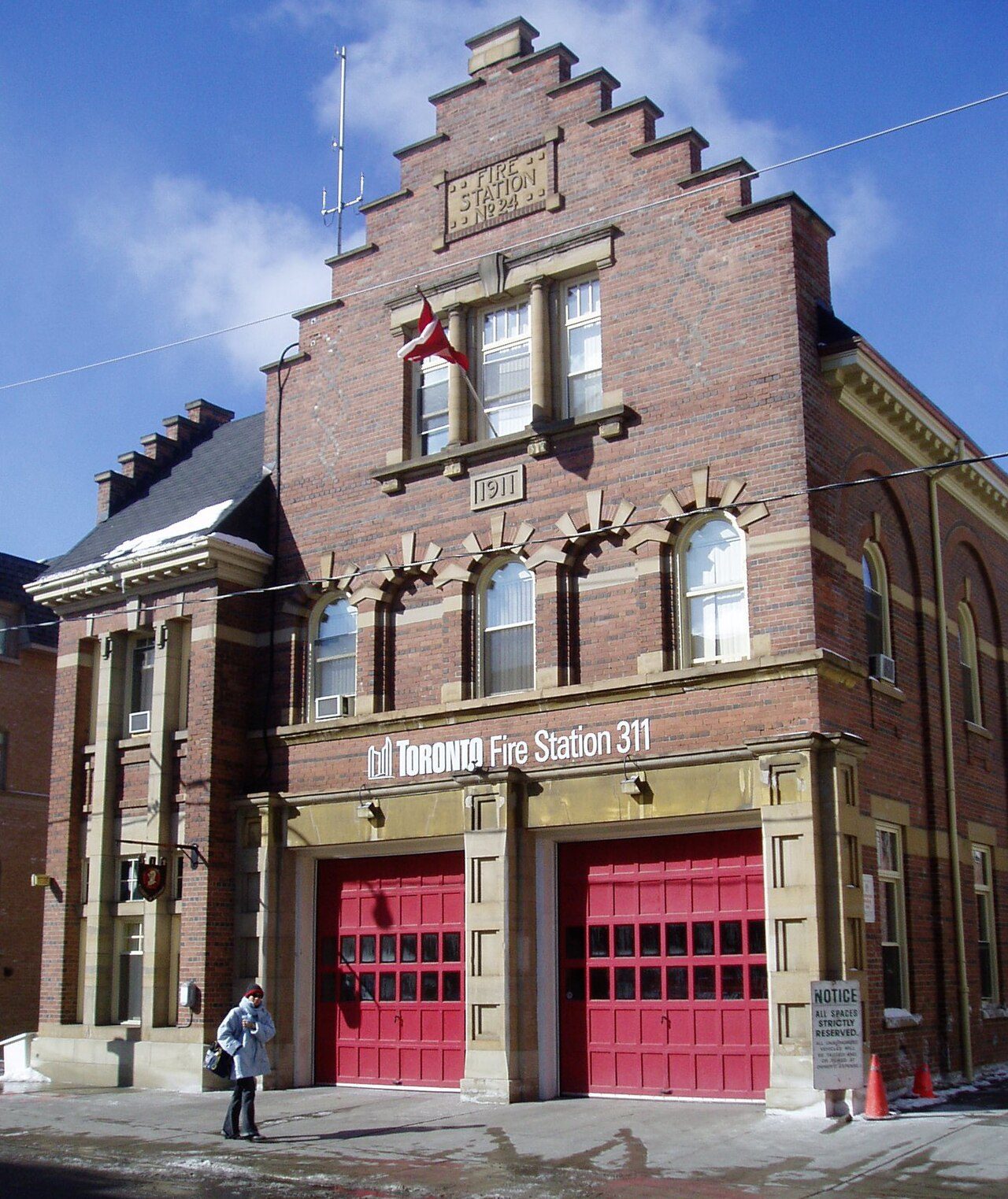 Balmoral Fire Hall
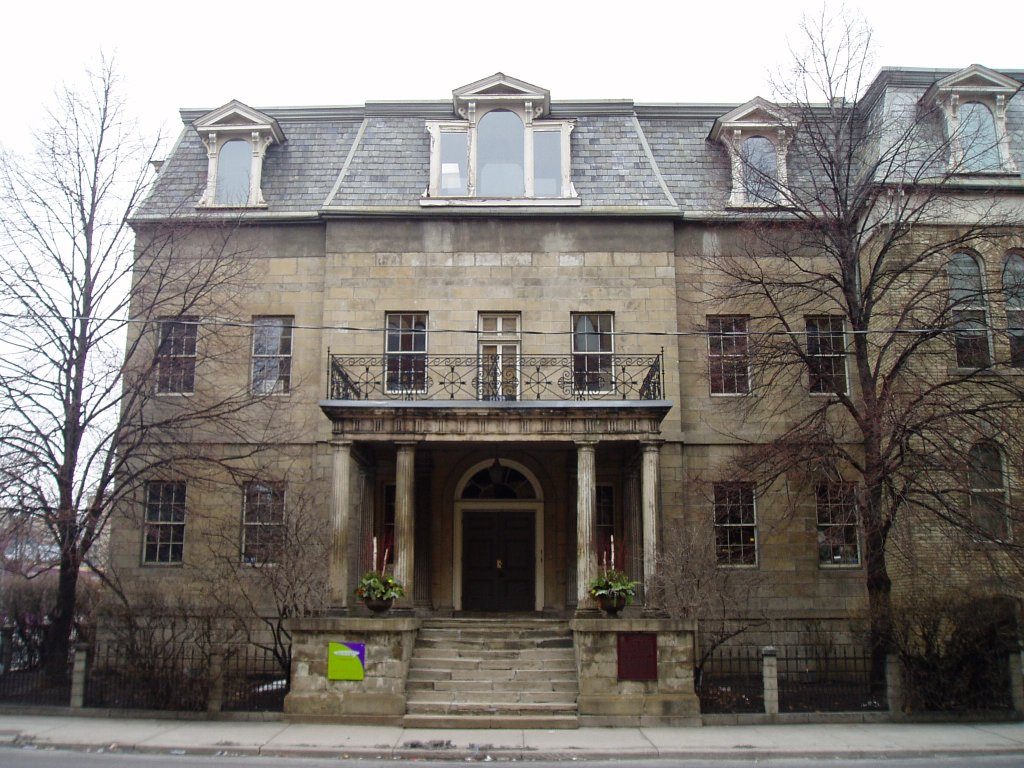 Bank of Upper Canada Building
 Chapel of St. James-the-Less
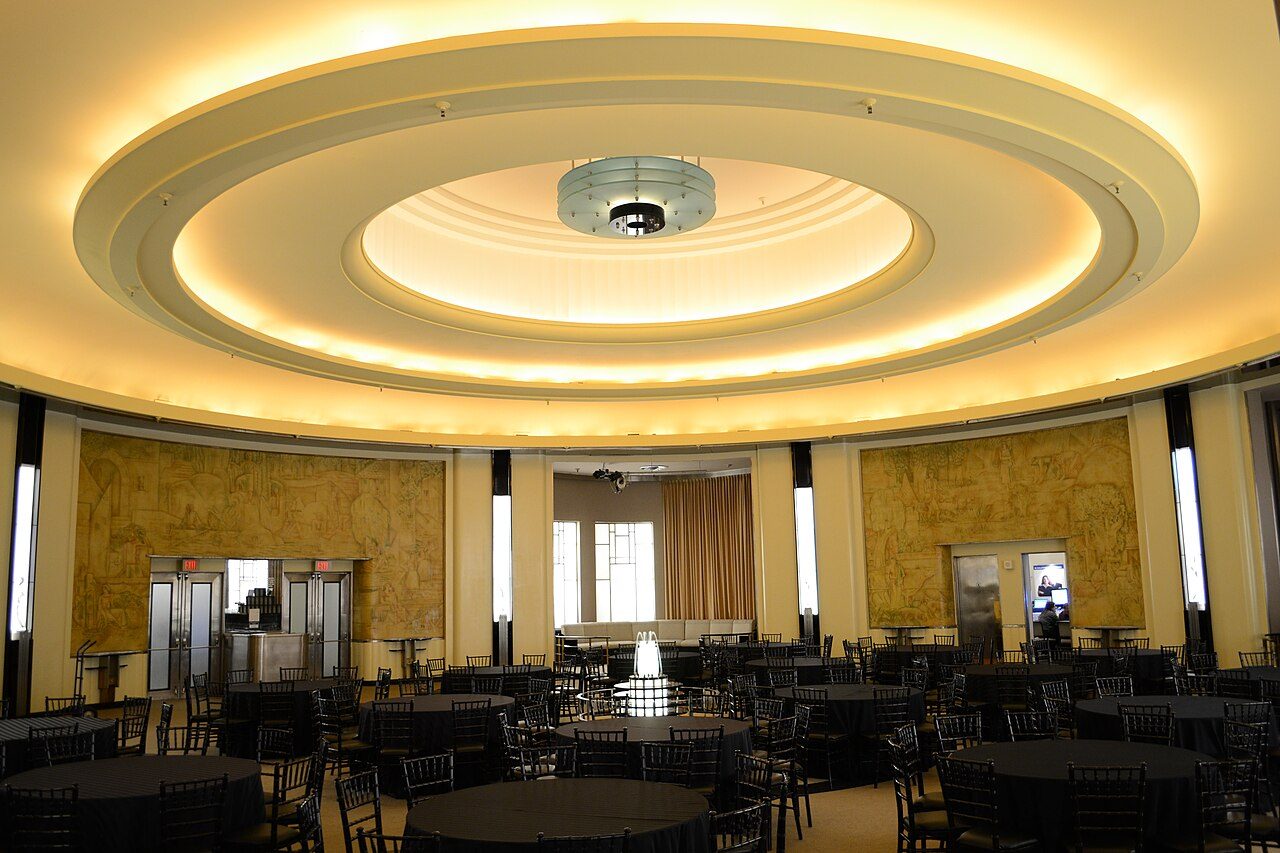 Eaton's 7th Floor Auditorium and Round Room
 Eglinton Theatre+41See all photos
Photos from Wikimedia Commons, each credited to its photographer with its licence; names open the place’s page. Tap a photo to step through them full screen.
Through time
Toronto through the years, 1799–1909
Oldest first: the oldest views of 16 of its historic places. Hover a dot for its date; tap a picture to see it full screen.
 1799
 1800s
 1854
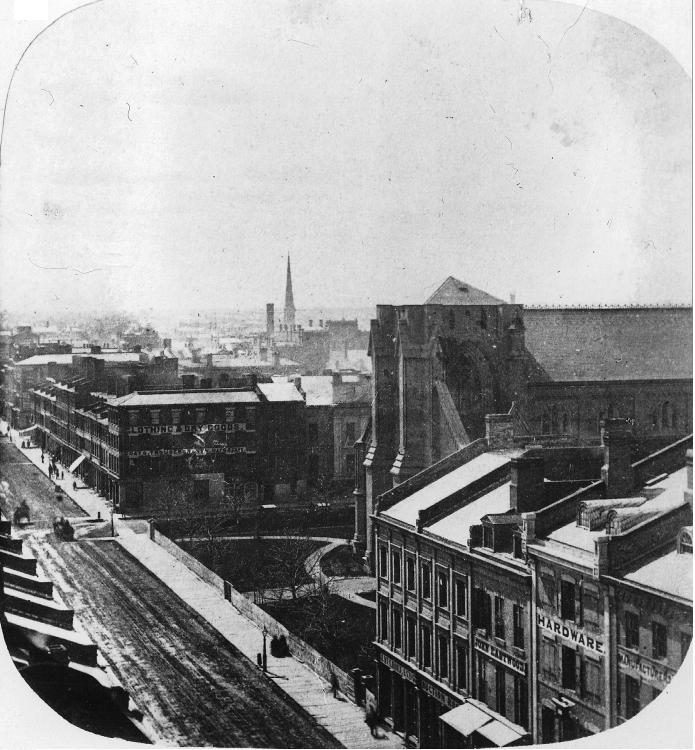 c. 1860
 1872
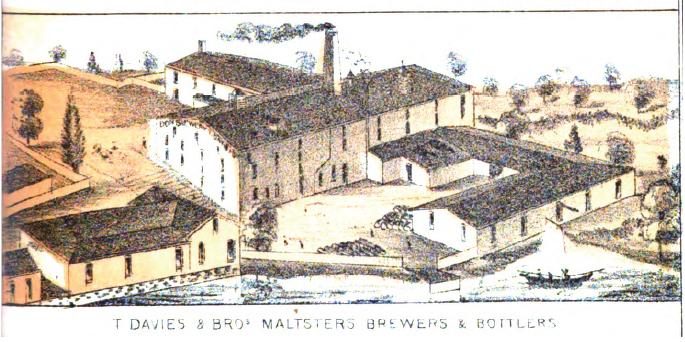 1877
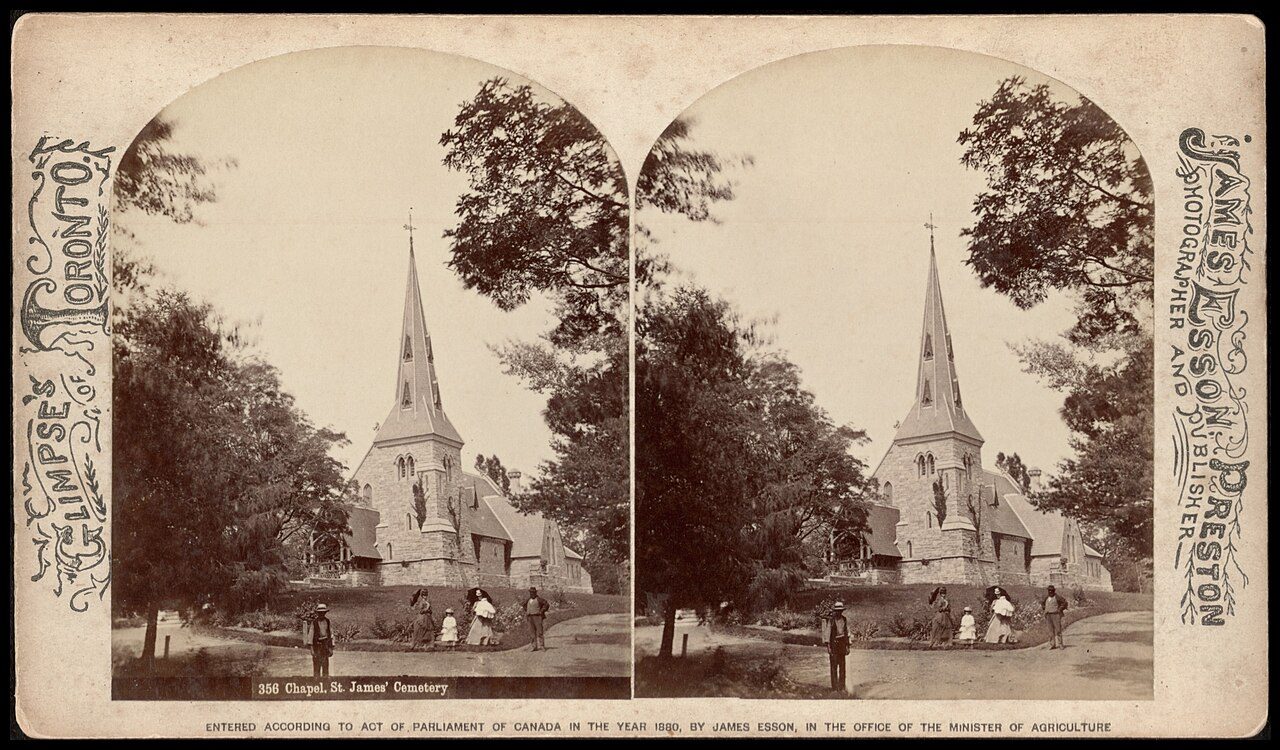 c. 1880
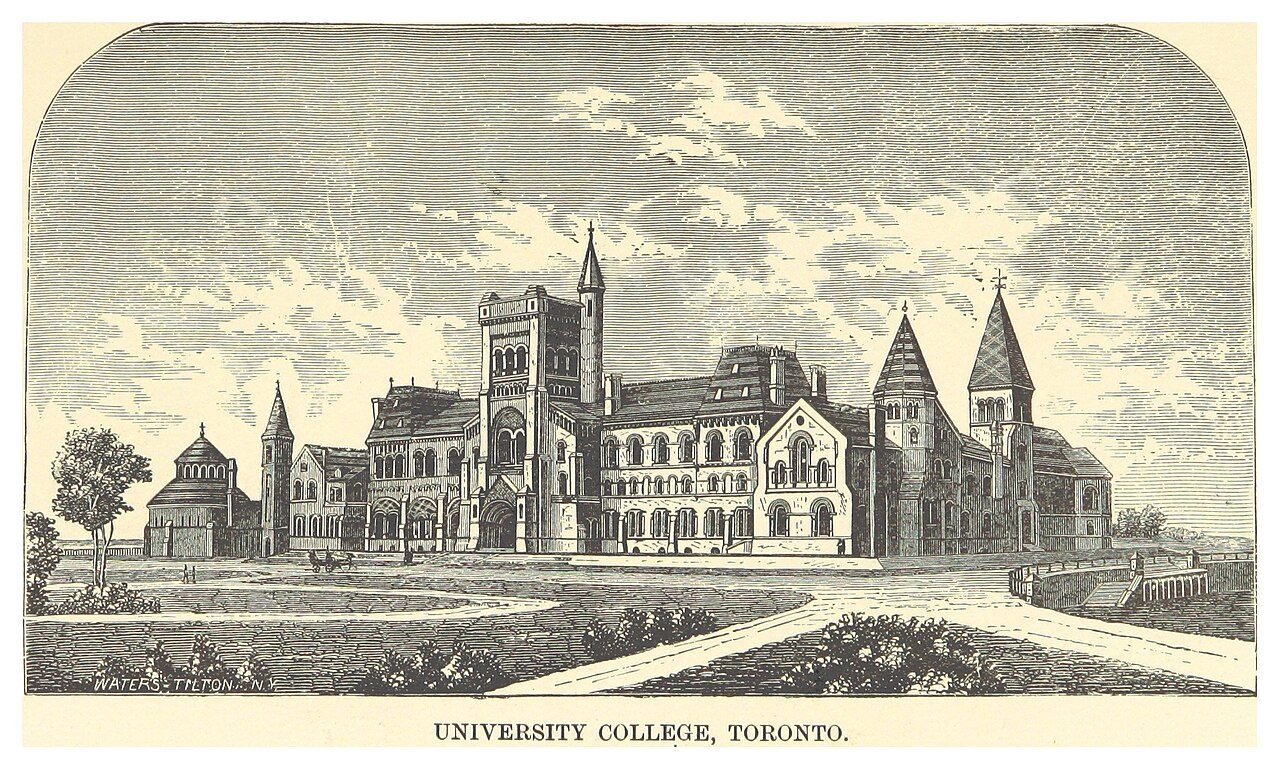 c. 1881
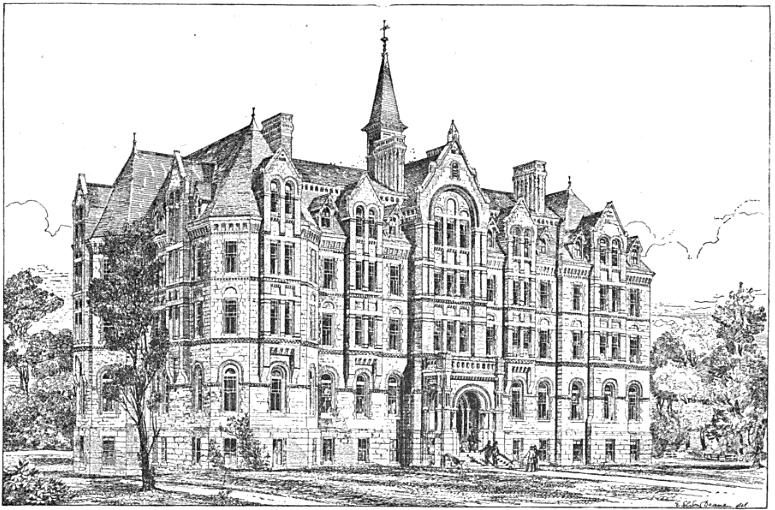 1884
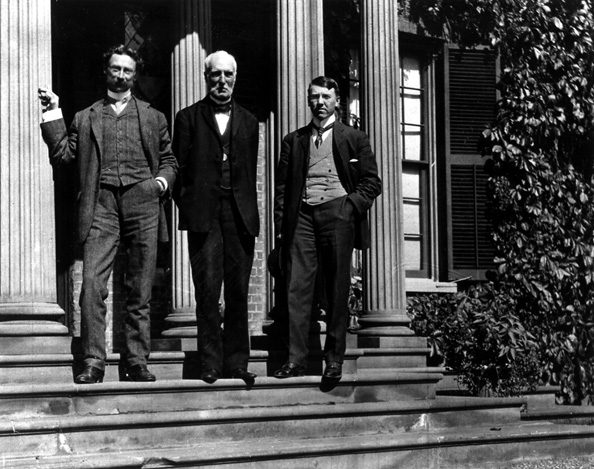 1871–1910
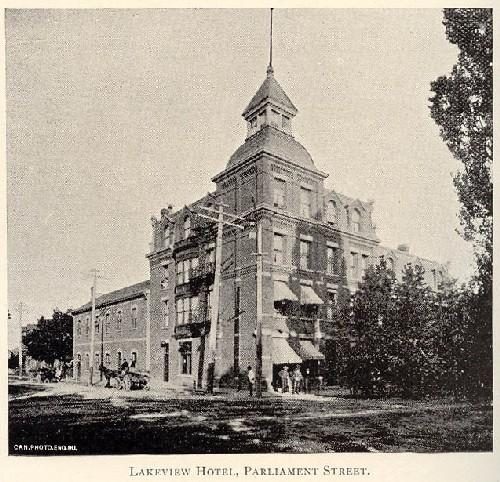 1891
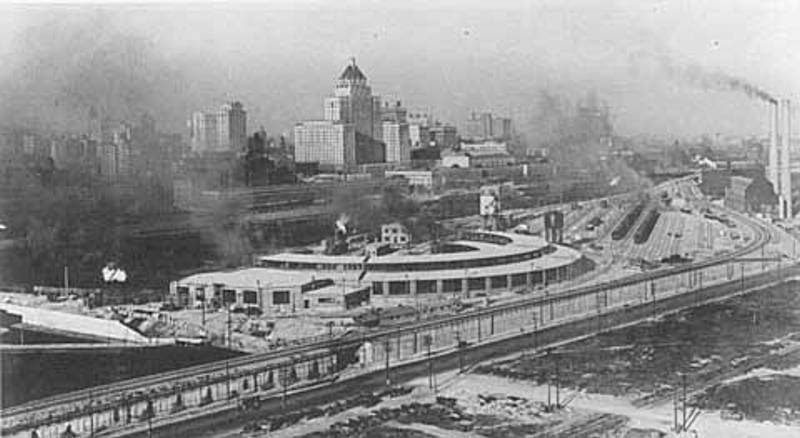 c. 1900
 c. 1904
 1906
 1907
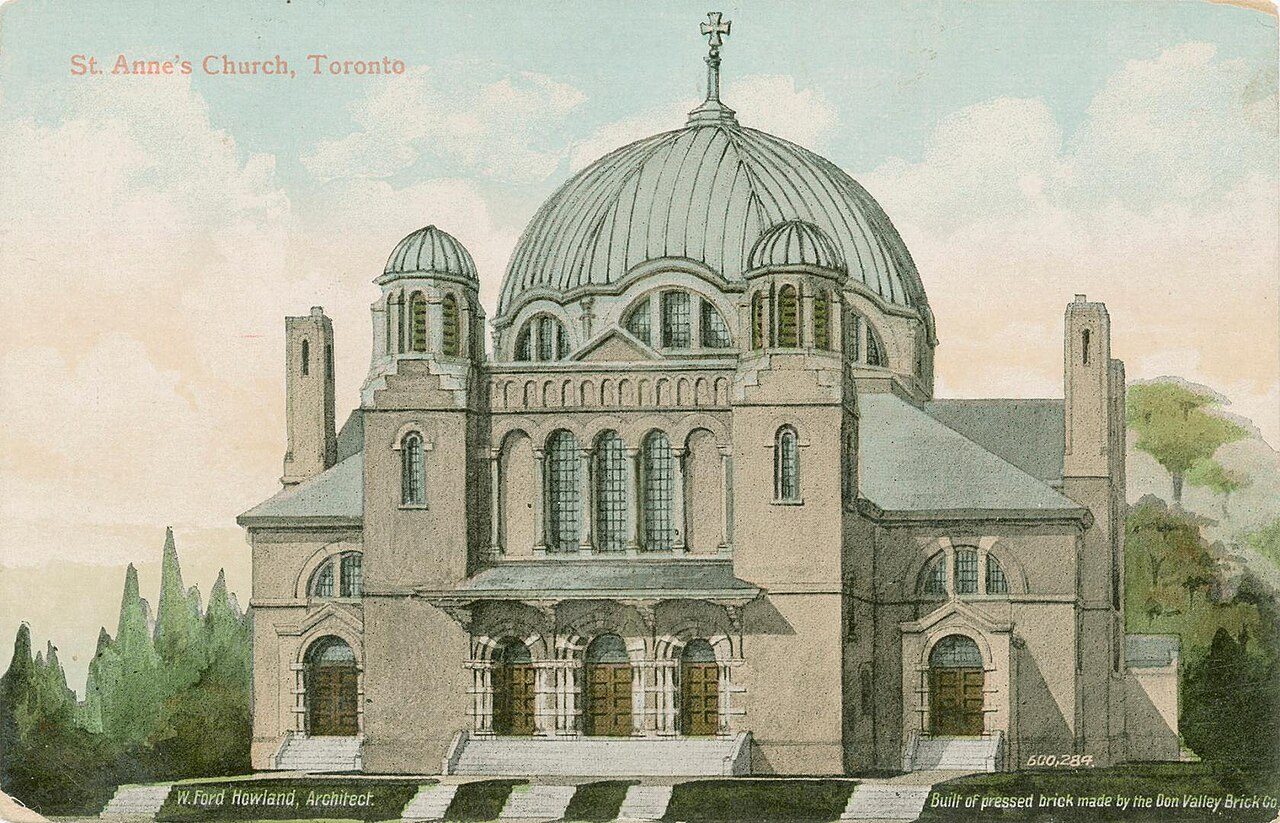 1909
Public domain or CC0, made before 1950, from Wikimedia Commons; old views of places can be drawings, prints or maps of their time. Each credit opens the image’s page.
How old
Most of Toronto’s dated places come from the decades after Confederation
Each place by the first construction date on its record.
British North America 1760–186615
After Confederation 1867–191321
Wars and Depression 1914–19458
Since 1946 1946 on0
15 of the 44 dated places were built before Confederation.
The map
Where Toronto’s history is
Every place on the registers inside the town, by its designation.
Highest designationsOther federal designationsProvincial and local listings400 m from Birkbeck Building
5 of 34within 400 m of Birkbeck Building, the heart of the town’s history
Tap any dot to open that place’s own page; hovering shows its name.
The 46, by tier
34 Highest designations2 Other federal designations10 Provincial and local listings
Federal designations come from Parks Canada’s directory; a province’s or a council’s own listing shows here only when Wikidata holds it and an encyclopedia covers it.
Points from Wikidata (Parks Canada’s files carry none) and from Québec’s register, as mapped there.
Highest designations
34 places in Toronto with the highest designation
Their dates run from 1813, with Fort York, to 1938. National Historic Sites and Classified Federal Heritage Buildings, Canada’s highest federal recognition. They were designated between 1923 and 2019. Each one opens its own page.
 Top
National Historic Site · 1815–1816Kensington MarketDundas West, Bellevue, Spadina, College StreetsPhoto: Diego Torres Silvestre from Sao Paulo, Brazil · CC BY 2.0 · Commons file
 Top
National Historic Site · 1817–1819The Grange317 Dundas Street WestPhoto: SimonP · CC BY-SA 3.0 · Commons file
 Top
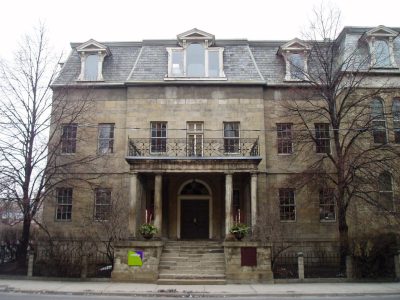
National Historic Site · 1827–1835Bank of Upper Canada Building252 Adelaide Street EastPhoto: SimonP · CC BY-SA 3.0 · Commons file
 Top
National Historic Site · 1829–1833Osgoode Hall130 Queen Street WestPhoto: Mikerussell · CC BY-SA 3.0 · Commons file
 Top
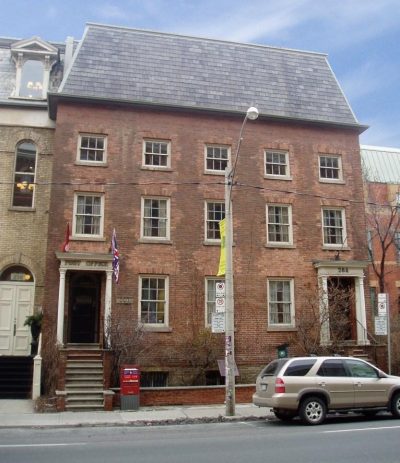
National Historic Site · 1833–1836Fourth York Post Office260 Adelaide Street EastPhoto: SimonP · CC BY-SA 3.0 · Commons file
 Top
National Historic Site · 1837Montgomery's Tavern2384 Yonge Street (at Montgomery Ave.)Photo: Mr. J. Shaft · CC BY-SA 2.0 · Commons file
 Top
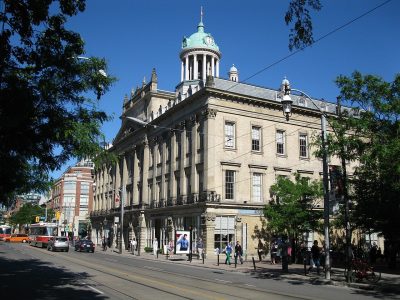
National Historic Site · 1850–1851St. Lawrence Hall157 King Street EastPhoto: Geo Swan · Public domain · Commons file
 Top
National Historic Site · 1851–1854Old Toronto Post Office / Old Bank of Canada10 Toronto StreetPhoto: SimonP · CC BY-SA 3.0 · Commons file
 Top
National Historic Site · 1856–1860University College15 King's College CirclePhoto: Nat · CC BY-SA 3.0 · Commons file
 Top
National Historic Site · 1857–1862Chapel of St. James-the-Less635 Parliament StreetPhoto: Franklin Vera Pacheco · CC BY-SA 3.0 · Commons file
 Top
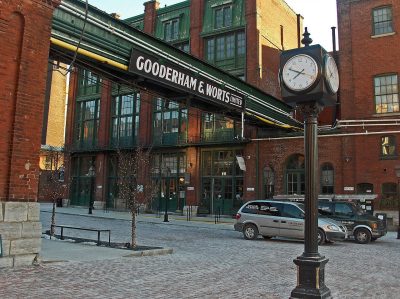
National Historic Site · 1859–1928Gooderham and Worts DistilleryTrinity StreetPhoto: Mathew Ingram · CC BY 2.0 · Commons file
Show the other 22
 Top
National Historic Site · 1866–1914Spadina285 Spadina RoadPhoto: rhdouglas from Kitchener, Canada · CC BY 2.0 · Commons file
 Top
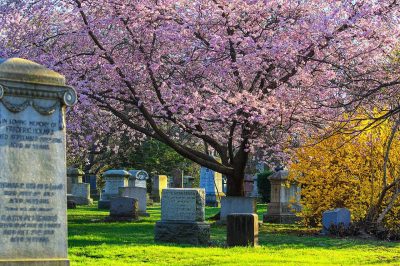
National Historic Site · 1873Mount Pleasant Cemetery375 Mount Pleasant RoadPhoto: Anton Bielousov · CC BY-SA 3.0 · Commons file
 Top
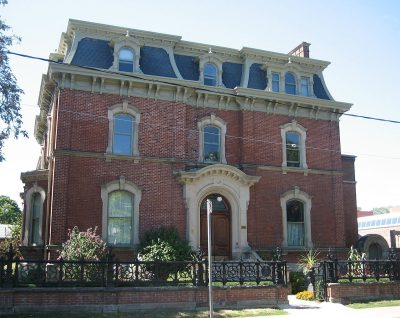
National Historic Site · 1875–1878George Brown House50 Baldwin StreetPhoto: SimonP · CC BY-SA 3.0 · Commons file
 Top
National Historic Site · 1876–1877Heliconian Hall35 Hazelton AvenuePhoto: BeautifulWaters · CC BY-SA 4.0 · Commons file
 Top
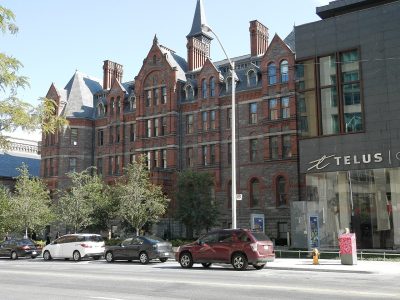
National Historic Site · 1880–1882Royal Conservatory of Music273 Bloor Street WestPhoto: LilyJMills · CC BY-SA 3.0 · Commons file
 Top
National Historic Site · 1889–1900Old Toronto City Hall and York County Court House60 Queen Street WestPhoto: Richard Kang from Canada · CC BY 2.0 · Commons file
 Top
National Historic Site · 1891–1892St. George's Hall (Arts and Letters Club)14 Elm StreetPhoto: WilliamDenton · Public domain · Commons file
 Top
National Historic Site · 1894–1895Massey Hall178 Victoria StreetPhoto: Arild Vågen · CC BY-SA 4.0 · Commons file
 Top
National Historic Site · 1902–1904Annesley Hall95 Queen's Park CrescentPhoto: B Sutherland · CC BY 2.0 · Commons file
 Top
National Historic Site · 1904–1913Gouinlock Buildings / Early Exhibition BuildingsSaskatchewan RoadPhoto: Neal Jennings · CC BY-SA 2.0 · Commons file
 Top
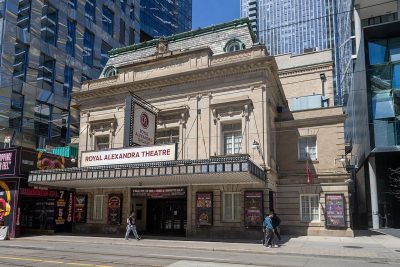
National Historic Site · 1906–1908Royal Alexandra Theatre260 King Street WestPhoto: Dillan Payne · CC BY-SA 4.0 · Commons file
 Top
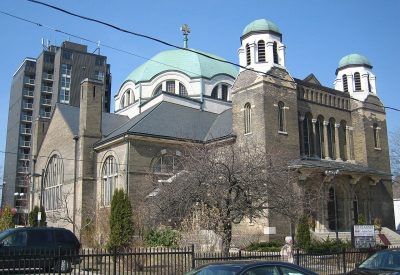
National Historic Site · 1907–1909St. Anne's Anglican Church270 Gladstone AvenuePhoto: SimonP · CC BY-SA 3.0 · Commons file
 Top
National Historic Site · 1908–1911Birkbeck Building8-10 Adelaide Street EastPhoto: Skeezix1000 · CC BY-SA 3.0 · Commons file
 Top
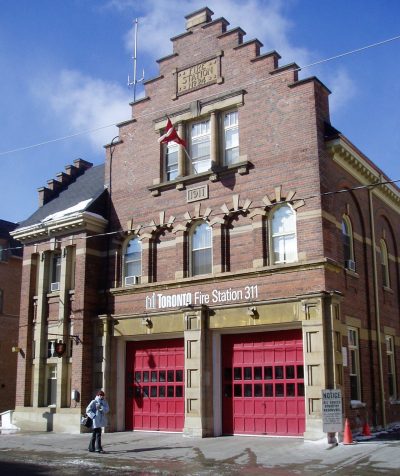
National Historic Site · 1911–1912Balmoral Fire Hall20 Balmoral AvenuePhoto: SimonP · CC BY-SA 3.0 · Commons file
 Top
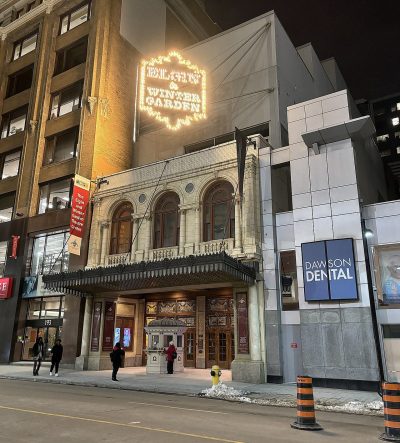
National Historic Site · 1911–1914Elgin and Winter Garden Theatres189 Yonge StreetPhoto: Canmenwalker · CC BY 4.0 · Commons file
 Top
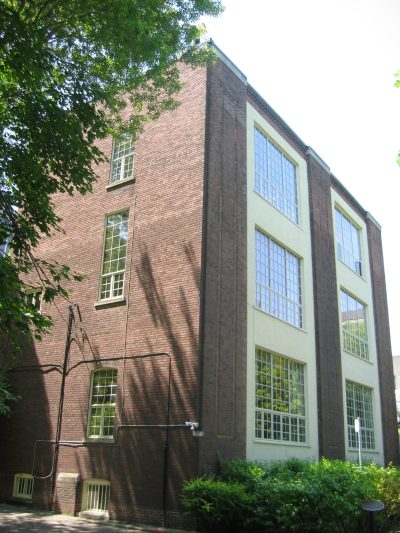
National Historic Site · 1913–1915Studio Building25 Severn StreetPhoto: Skeezix1000 · CC BY-SA 3.0 · Commons file
 Top
National Historic Site · 1915–1921Union Station (Canadian Pacific and Grand Trunk)65-71 Front Street WestPhoto: Dillan Payne · CC BY-SA 4.0 · Commons file
 Top
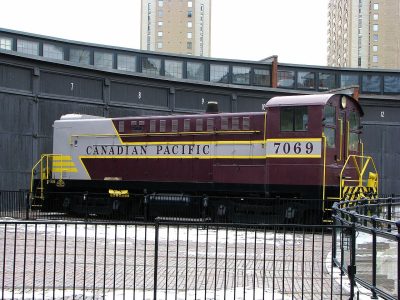
National Historic Site · 1929–1932John Street Roundhouse (Canadian Pacific)255 Bremner BoulevardPhoto: Michael from Calgary, AB, Canada · CC BY 2.0 · Commons file
 Top
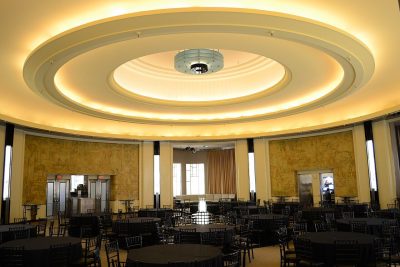
National Historic Site · 1930–1931Eaton's 7th Floor Auditorium and Round Room2 College Street (444 Yonge Street)Photo: Raysonho @ Open Grid Scheduler / Grid Engine · CC BY-SA 3.0 · Commons file
 Top
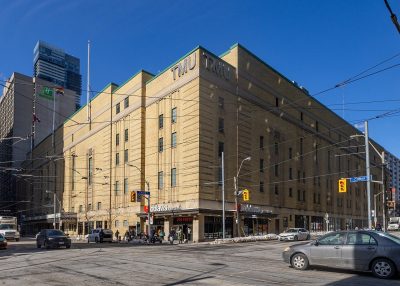
National Historic Site · 1931–1932Maple Leaf Gardens60 Carleton StreetPhoto: Dillan Payne · CC BY-SA 4.0 · Commons file
 Top
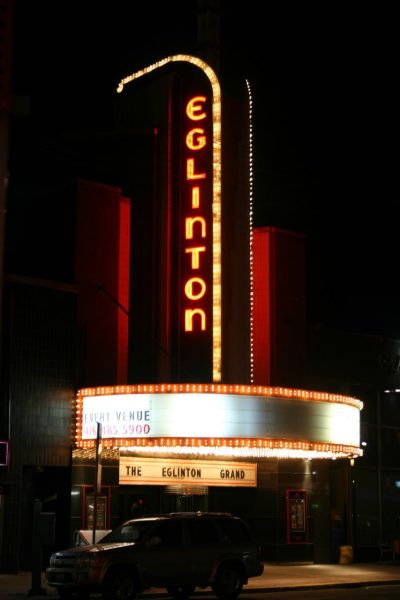
National Historic Site · 1935–1937Eglinton Theatre400 Eglinton Avenue WestPhoto: Joel Friesen · CC BY 2.0 · Commons file
 Top
National Historic Site · 1938–1940Toronto Island Airport Terminal BuildingPhoto: timescan from Toronto, Canada · CC BY 2.0 · Commons file
Other federal designations
2 other places Canada recognizes in Toronto
Among them: Fort York Armoury and Postal Station “D”. Recognized Federal Heritage Buildings, heritage railway stations and lighthouses. Designations came from 1988 to 1991. Each one opens its own page.
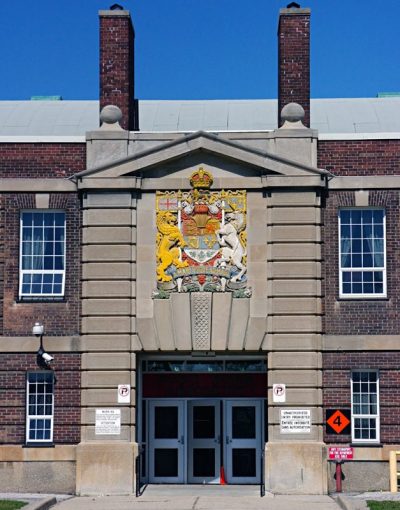 Fed
Recognized Federal Heritage Building · 1935–1936Fort York Armoury660 Fleet StreetPhoto: Tubadad54 · CC BY 3.0 · Commons file
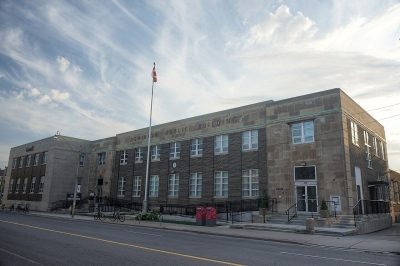 Fed
Recognized Federal Heritage Building · 1935–1937Postal Station “D”328 Keele StreetPhoto: Mr. J. Shaft · CC BY-SA 2.0 · Commons file
What’s designated
20% of Toronto’s historic places are public buildings
That mix has few houses: 7% here, against 21% across Canada’s registers. The second-largest group is theatres, museums and memorials, with 7. At the head of the list: Fort York and Kensington Market.
Public buildings9
Theatres, museums and memorials7
Mills, shops and works5
Churches and religious buildings4
Forts and military buildings3
Houses3
Stations, lighthouses and bridges3
Other places12
The groups come from each place’s name and its recorded functions, by what it was built as.
Provincial and local listings
10 more places Toronto or its province protects
Provincial and municipal listings that Wikidata records and an encyclopedia describes. Their dates run from 1793, with Ashbridge Estate, to 1905. Each one opens its own page.
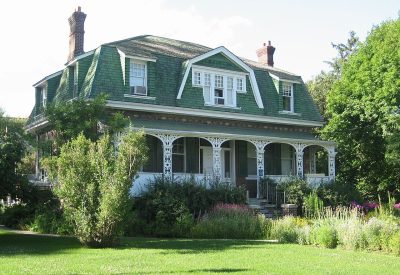 Local
 Local
Ontario Heritage Trust property · 1848Enoch Turner SchoolhousePhoto: SimonP · CC BY-SA 3.0 · Commons file
 Local
Designated heritage property (part IV) · 1876Don BreweryPhoto: Winston Neutel · CC BY-SA 3.0 · Commons file
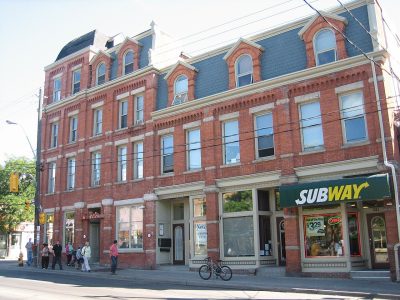 Local
Designated heritage property (part IV) · 1880Winchester HotelPhoto: SimonP · CC BY-SA 3.0 · Commons file
 Local
Ontario Heritage Trust easement · 1882Gooderham BuildingPhoto: Emmanuel Nataf · CC BY-SA 3.0 · Commons file
 Local
National historic site of Canada · 1883Women's College HospitalPhoto: Dillan Payne · CC BY-SA 4.0 · Commons file
 Local
Ontario Heritage Trust easement · 1891Newman CentrePhoto: Alice Warnier · CC BY-SA 3.0 · Commons file
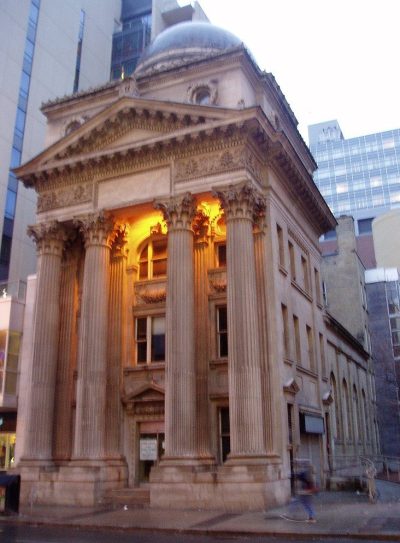 Local
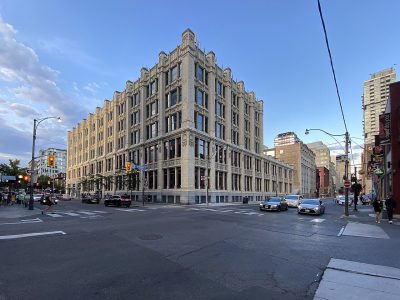 Local
Designated heritage property (part IV)299 Queen Street WestPhoto: Canmenwalker · CC BY 4.0 · Commons file
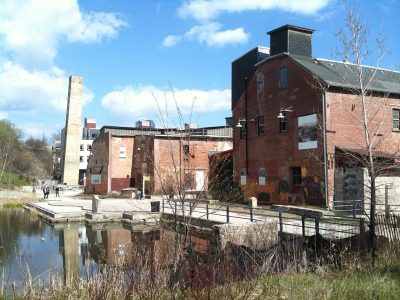 Local
Ontario Heritage Trust easementDon Valley Brick WorksPhoto: Mathew Ingram · CC BY 2.0 · Commons file
When designated
Toronto on the registers since 1923
The places by the year of their designation.
192019401960198020002020
The earliest designation is Fort York’s, from 1923. The busiest year was 1990, with 4. Since 2011, one more has joined the list.
Homes by age
Old houses stand out in Toronto: 29% predate 1961, where most towns have 18%
Only 18% of Toronto’s homes were built from 1981 to 2000, less than the typical town’s 23%. New building is strong in Toronto: 7.3% of homes date from 2016–21, where most towns have 4.1%. Half of the homes standing in Toronto today were built before 1981.
29%
Before 1961
29%
1961–80
18%
1981–2000
17%
2001–15
7.3%
2016–21
TorontoTypical town
2021 Census, private dwellings by period of construction (Statistics Canada); the typical town is the middle Canadian town of 2,500 or more.
People of the past
Toronto’s past in lives: 12 nationally designated
Fame, by Wikipedia: Mary Pickford first, in 102 languages. The decades after Confederation gave 461 of the 567. George Brown is remembered here at George Brown House. In 1804 came the earliest, Robert Baldwin. Only the 20 best known fit the timeline.
Alice Eastwood
Sidney Olcott
Davidson Black
Edward Archibald
Allan Dwan
Arthur Jeffrey Dempster
Vincent Massey
Elmer Clifton
Mary Pickford
Beatrice Lillie
Raymond Massey
Jack Pickford
Myrtle Cook
Hooley Smith
Ethel Smith
Percy Faith
Montgomery Wilson
Jane Bell
Gil Evans
Horace Gwynne
18501875190019251950

Mary Pickford1892–1979 · Canadian actress and producer

Raymond Massey1896–1983 · Canadian American actor
GE
Gil Evans1912–1988 · American composer, arranger, bandleader, and pianist

Ethel Smith1907–1979 · Canadian sprinter
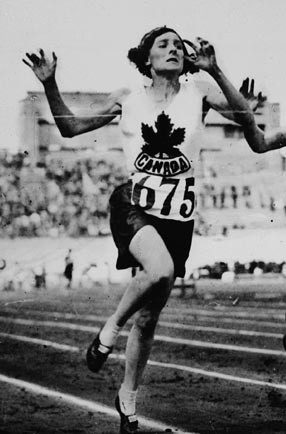
Myrtle Cook1902–1985 · Canadian athletics competitor

Allan Dwan1885–1981 · Film director, film producer, screenwriter

Alice Eastwood1859–1953 · Canadian American botanist

Jane Bell1910–1998 · Athletics competitor
Everyone born in Toronto → Born before 1914, or named by one of the town’s historic places. Birthplaces from Wikidata, each checked against Wikipedia; national historic persons from Parks Canada’s Directory of Federal Heritage Designations, matched by name and life years.
Neighbours
Toronto and its neighbours
| Town | People | Places | Highest | Oldest |
|---|---|---|---|---|
| Toronto | 3,271,830 | 46 | 34 | 1793 |
| North Toronto | 16,007 | 0 | 0 | — |
| Mount Pleasant East | 16,373 | 1 | 1 | 1873 |
| Bridle Path-Sunnybrook-York Mills | 9,909 | 0 | 0 | — |
| Lawrence Park South | 15,018 | 1 | 1 | 1935 |
| South Eglinton-Davisville | 23,380 | 0 | 0 | — |
| Yonge-Eglinton | 12,424 | 1 | 1 | 1837 |
In brief
Toronto in brief
Canada’s heritage lists give Toronto 46 historic places, 34 with the highest designation, Fort York among them. Of its homes, 29% were built before 1961, against 18% in the typical town. Around Birkbeck Building, 5 of the places of the highest designation lie within 400 m. Mary Pickford (1892), Raymond Massey (1896) and Gil Evans (1912) lead its people of the past.
How to read these numbers
What this data can and can’t tell you
- The grade. There is no history grade: the page sets out the record and compares it with other towns.
- Map points. Pins for federal places come from Wikidata rather than Parks Canada, which gives no points.
- People and events. Persons of national historic significance come with no location; a town gets one only by birthplace (name and both life years agreeing) or by one of its own places that bears the name and whose record tells the story. Events, which can’t be tied, are left out.
- The tiers. Tiers follow the designation: national recognition and classement first, other federal designations next, provincial and local listings last.
- Provincial and municipal lists. The local and provincial lists outside Québec aren’t published openly, so this page counts what Wikidata records and pages only the places an encyclopedia describes.
- The federal register. Federal places come from Parks Canada’s directory, which counts National Historic Sites, federal heritage buildings, stations and lighthouses; their statements are the register’s own.
- Protection. Federal recognition isn’t a planning control: buildings the federal government owns follow its heritage policy, while others are protected only by a provincial or municipal designation.
Questions about Toronto’s history
What is the oldest building in Toronto?
Ashbridge Estate — its record dates it to 1793 (Ontario Heritage Trust property).
Which places in Toronto have the highest designation?
They are Fort York, Kensington Market, The Grange, Bank of Upper Canada Building, Osgoode Hall and Fourth York Post Office, and 28 more.
How old are the homes in Toronto?
The 2021 Census dates 29% of its homes before 1961 (18% in the typical town).
Why might a heritage building in Toronto be missing here?
Provincial and municipal registers outside Québec aren’t open data. Wikidata knows 5 more listings in Toronto, but without an open description or an encyclopedia article they get no page.
Contains information licensed under the Open Government Licence – Canada (Parks Canada).
Sources: Parks Canada, Directory of Federal Heritage Designations · Canadian Register of Historic Places (federal extract) · Wikidata (CC0) for map points, other names and articles · Statistics Canada, 2021 Census (homes by period of construction). Under the Statistics Canada Open Licence.
Adapted from Statistics Canada (Census of Population 2021, population estimates 2025, 2021 census boundaries) under the Statistics Canada Open Licence; this does not constitute an endorsement by Statistics Canada. Neighbourhood names in some cities © OpenStreetMap contributors (ODbL).