 Top
National Historic Site · 1859–1970Confederation SquarePhoto: Skeezix1000 · CC BY-SA 3.0 · Commons file
 Parliament Buildings · Photo: David Samuel, Hellodavey1902 · CC BY-SA 3.0
34historic places on the registers
History of Centretown · Canada’s heritage registers
The registers list 34 historic places in Centretown, 20 at the top
Designations here include 12 Recognized Federal Heritage Buildings and 2 provincial or municipal listings. Scaled to its population Centretown’s record is long: 11 per 10,000 residents, more than 98% of Canadian towns. Its oldest building on the record is Commissariat Building, from 1827. Wikidata knows 2 more provincial or municipal listings here that get no page, lacking an open statement or an encyclopedia article.
Historic places
34
11 per 10,000 residents
Highest designations
20
National Historic Sites and Classified Federal Heritage Buildings
Other federal designations
12
Recognized buildings, railway stations, lighthouses
Provincial and local listings
2
provincial and municipal listings with an encyclopedia article
Oldest building
1827
the first construction date on its record
Homes built before 1961
28%
typical town: 18%
In pictures
Past and present Centretown: 34 photos, 11 old views
Each of Centretown’s designated places has a photo. 11 of Centretown’s places also have old views on their own pages. Parliament Buildings and Office of the Prime Minister and Privy Council lead the set.
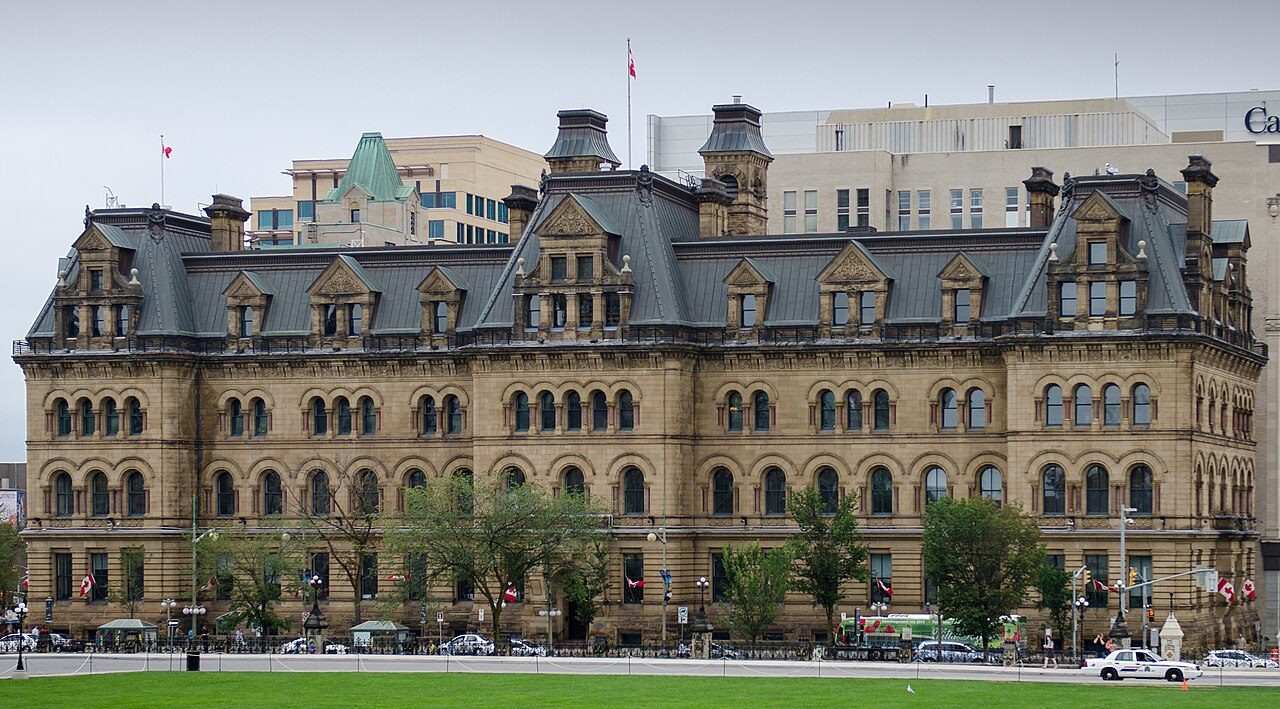 Office of the Prime Minister and Privy Council
 National Arts Centre
 Parliament Hill, East Block
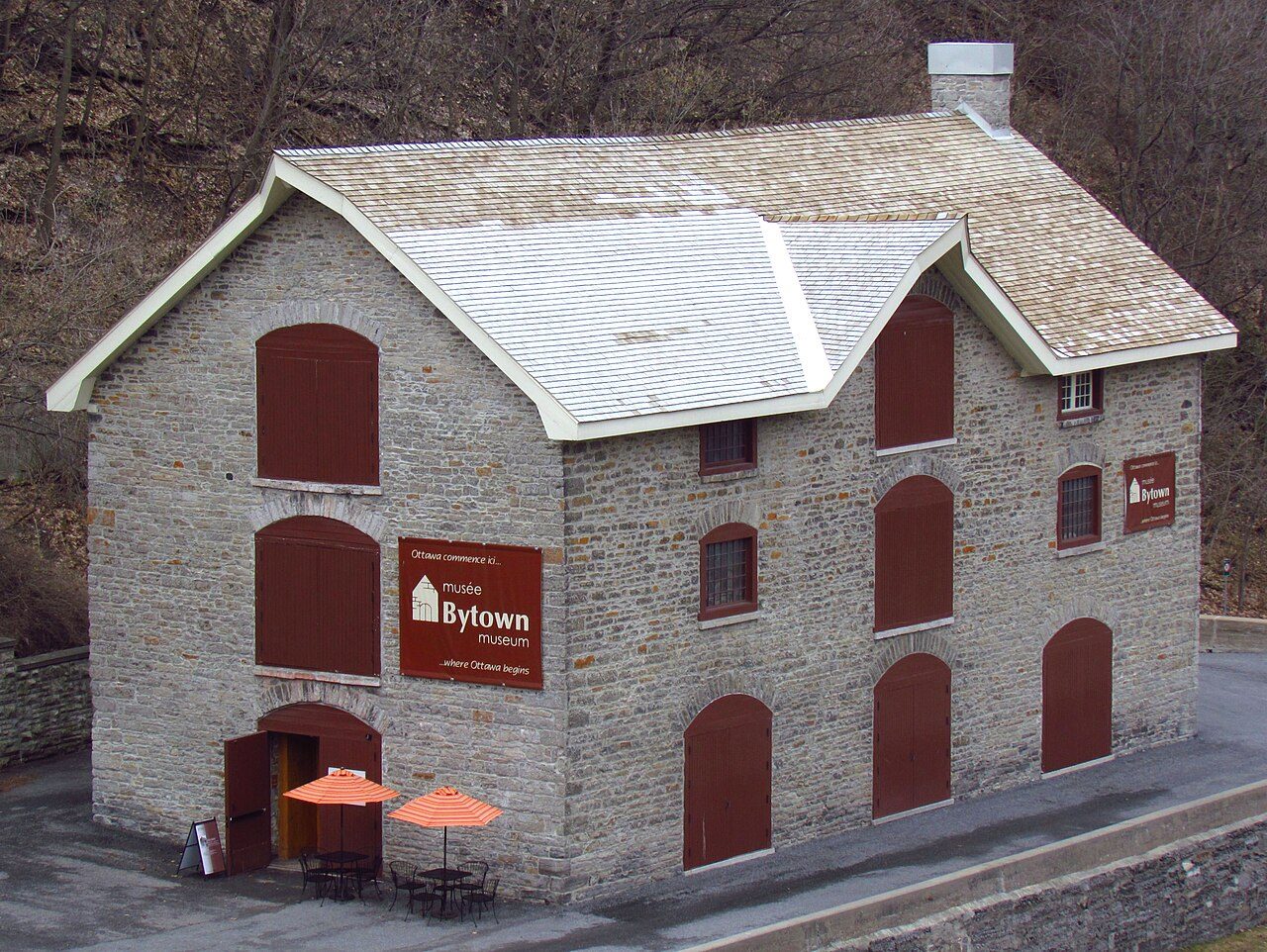 Commissariat Building
 Bank of Nova Scotia+29See all photos
Photos from Wikimedia Commons, each credited to its photographer with its licence; names open the place’s page. Tap a photo to step through them full screen.
Through time
Centretown as it looked, 1875 to 1940
Oldest first: the oldest views of 11 of its historic places. Pick a dot to see the year; pick a picture to see it large.
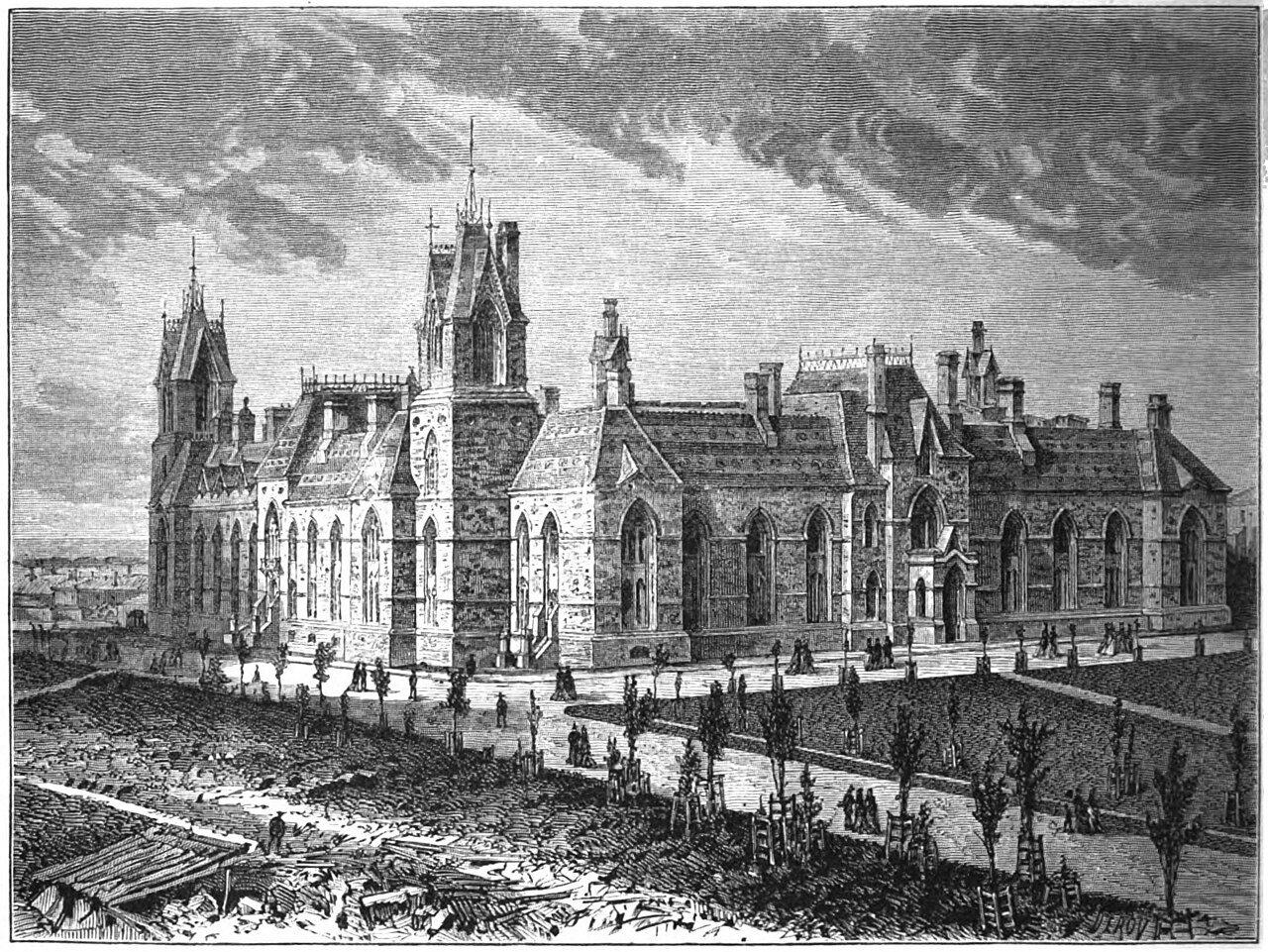 c. 1875
 1880s
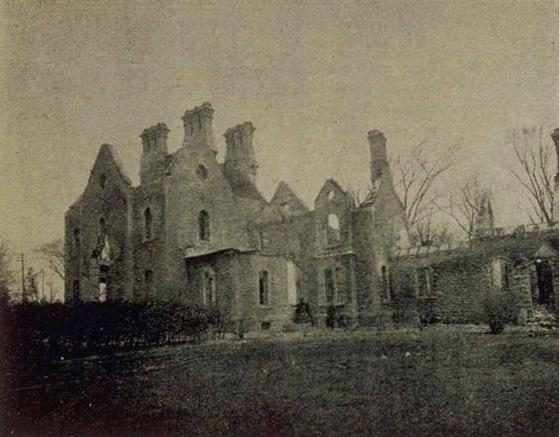 c. 1900
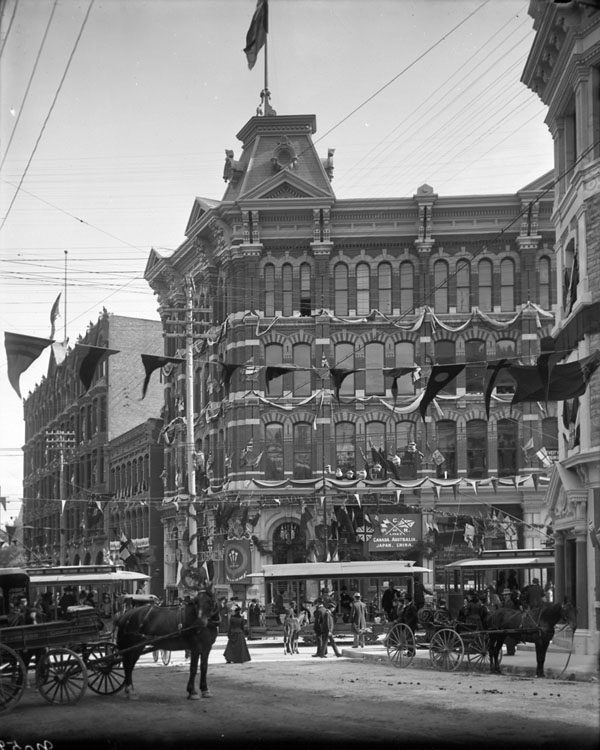 1901
 1905
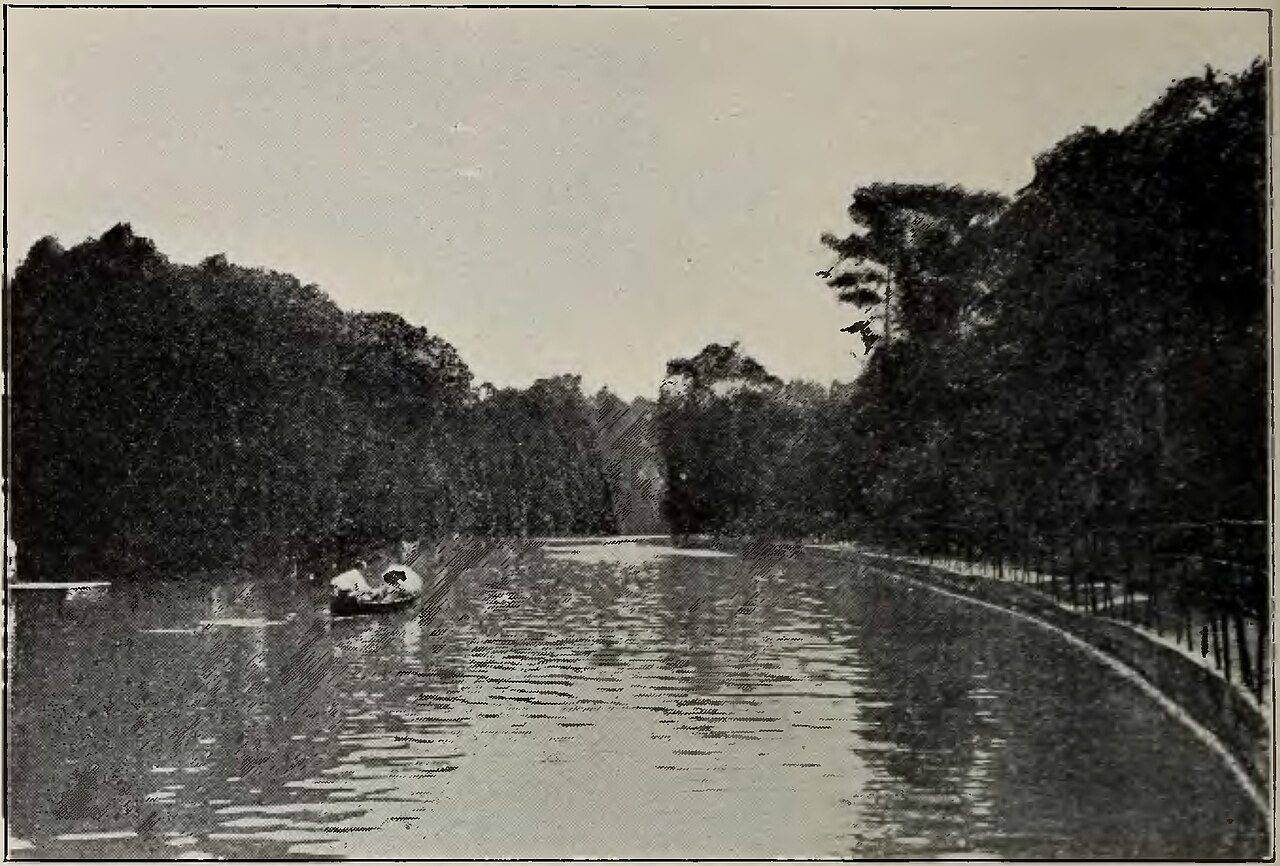 1911
 1911
 1918
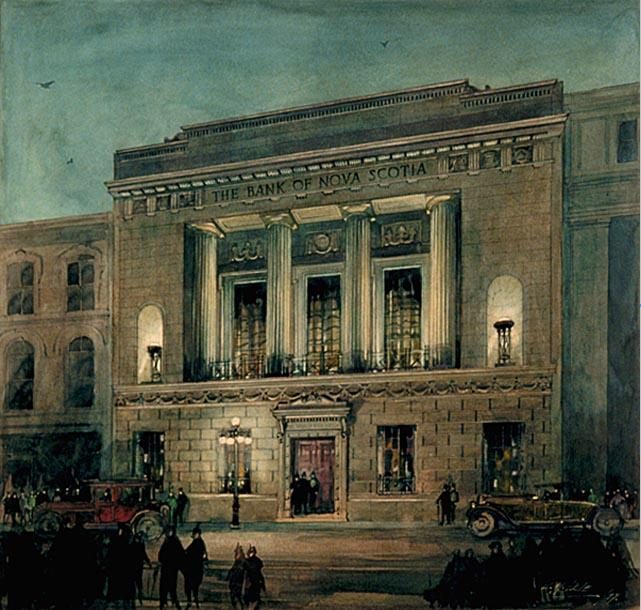 1927
 1929
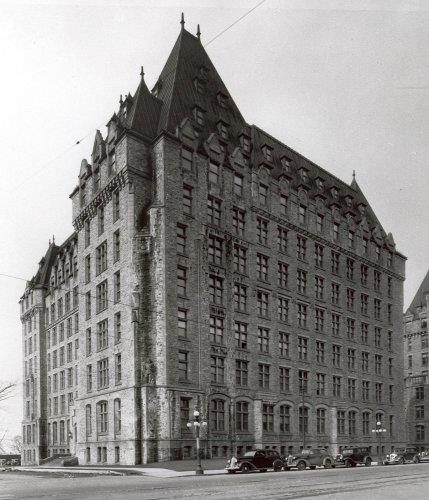 c. 1940
Public domain or CC0, made before 1950, from Wikimedia Commons; old views of places can be drawings, prints or maps of their time. Each credit opens the image’s page.
The map
Where Centretown’s history is
Every place on the registers inside the town, by its designation.
Highest designationsOther federal designationsProvincial and local listings400 m from Bank of Nova Scotia
13 of 20within 400 m of Bank of Nova Scotia, the heart of the town’s history
Names show on hover, and a tap takes you to the place’s page.
The 34, by tier
20 Highest designations12 Other federal designations2 Provincial and local listings
Parks Canada’s Directory of Federal Heritage Designations lists the places the Government of Canada has recognized; outside Québec, provincial and municipal listings come only through Wikidata, and only those with an encyclopedia article get a page.
Points from Wikidata (Parks Canada’s files carry none) and from Québec’s register, as mapped there.
Highest designations
20 places in Centretown with the highest designation
They were designated between 1974 and 2009. By designation: 11 Classified Federal Heritage Buildings and 9 National Historic Sites. National Historic Sites and Classified Federal Heritage Buildings, Canada’s highest federal recognition. Each one opens its own page.
 Top
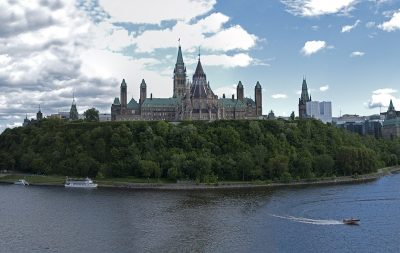
National Historic Site · 1859–1866Parliament BuildingsWellington StreetPhoto: David Samuel, Hellodavey1902 · CC BY-SA 3.0 · Commons file
 Top
National Historic Site · 1873–1876Public Grounds of the Parliament Buildings111 Wellington StreetPhoto: Vince Alongi · CC BY 2.0 · Commons file
 Top
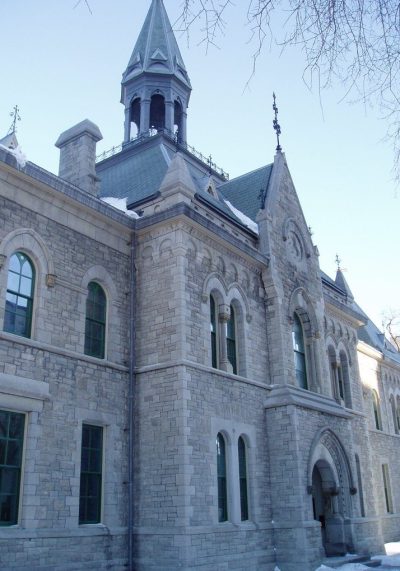
National Historic Site · 1874–1876Former Ottawa Teachers' College195 Elgin StreetPhoto: SimonP · CC BY-SA 3.0 · Commons file
 Top
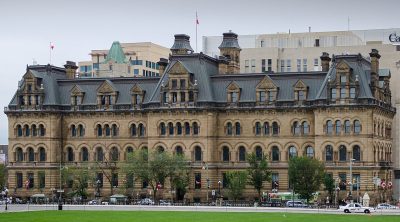
National Historic Site · 1883–1890Office of the Prime Minister and Privy Council80 Wellington StreetPhoto: Gilles Y. Hamel · CC BY-SA 3.0 · Commons file
 Top
National Historic Site · 1890–1892Central Chambers40-46 Elgin Street and QueenPhoto: Ian Muttoo from Mississauga, Canada · CC BY-SA 2.0 · Commons file
 Top
National Historic Site · 1905–1912Victoria Memorial Museum240 McLeod StreetPhoto: RealGrouchy · Public domain · Commons file
 Top
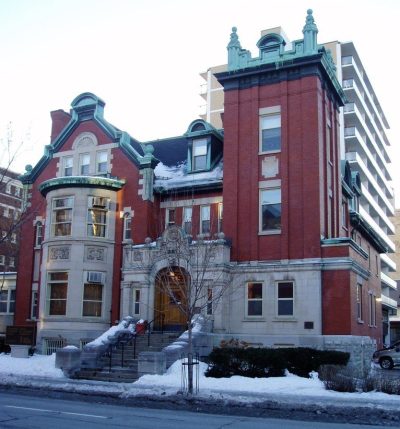
National Historic Site · 1909–1910John R. Booth Residence252 Metcalfe StreetPhoto: SimonP · CC BY-SA 3.0 · Commons file
 Top
National Historic Site · 1965–1970National Arts Centre53 Elgin StreetPhoto: Thelongdarkteatimeofthesoul · CC BY-SA 4.0 · Commons file
 Top
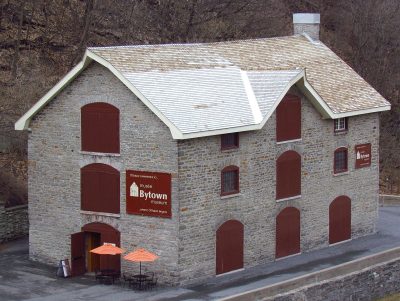
Classified Federal Heritage Building · 1827–1828Commissariat Building3 Canal LanePhoto: D. Gordon E. Robertson · CC BY-SA 3.0 · Commons file
 Top
Classified Federal Heritage Building · 1859–1866Parliament Hill, East Block111 Wellington StreetPhoto: Concierge.2C · CC BY-SA 3.0 · Commons file
 Top
Classified Federal Heritage Building · 1859–1877Parliament Hill, Library111 Wellington StreetPhoto: Wladyslaw · CC BY-SA 3.0 · Commons file
Show the other 8
 Top
Classified Federal Heritage Building · 1859–1866Parliament Hill, West Block111 Wellington StreetPhoto: Montrealais · CC BY-SA 3.0 · Commons file
 Top
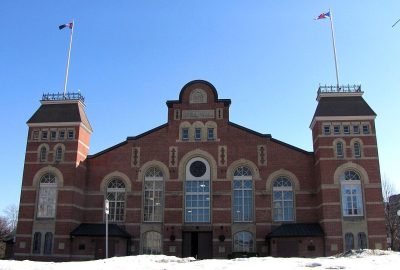
Classified Federal Heritage Building · 1879–1882Drill Hall1 Cartier SquarePhoto: D. Gordon E. Robertson · CC BY-SA 3.0 · Commons file
 Top
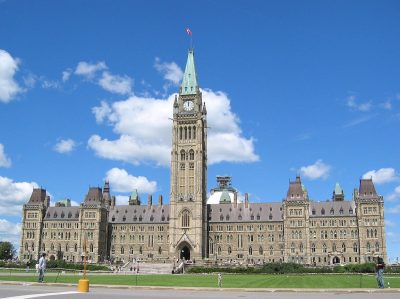
Classified Federal Heritage Building · 1916–1928Parliament Hill, Centre Block111 Wellington StreetPhoto: No machine-readable author provided. Arctic.gnome assumed (based on copyright claims) · CC BY 2.5 · Commons file
 Top
Classified Federal Heritage Building · 1924–1926Bank of Nova Scotia125 Sparks StreetPhoto: Jeangagnon · CC BY-SA 4.0 · Commons file
 Top
Classified Federal Heritage Building · 1928–1933Confederation Building229 Wellington StreetPhoto: Murckraker · CC BY-SA 3.0 · Commons file
 Top
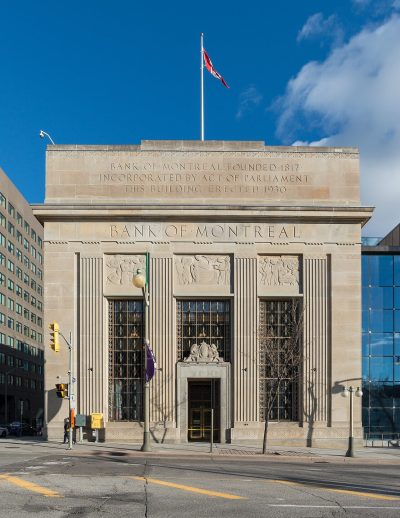
Classified Federal Heritage Building · 1930–1933Bank of Montreal144 Wellington StreetPhoto: DXR · CC BY-SA 4.0 · Commons file
 Top
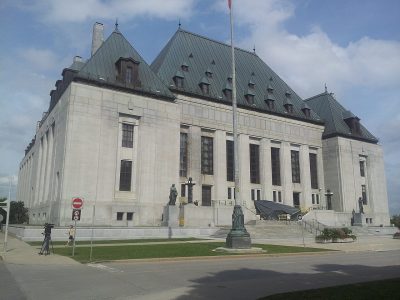
Classified Federal Heritage Building · 1938–1941Supreme Court Building301 Wellington StreetPhoto: Rleir · CC BY-SA 3.0 · Commons file
 Top
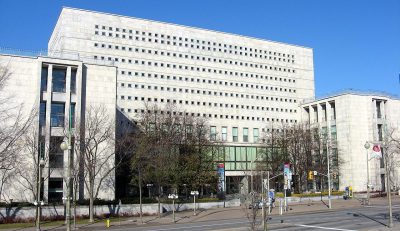
Classified Federal Heritage Building · 1963–1968Public Archives and National Library Building395 Wellington StreetPhoto: You may select the license of your choice · CC BY-SA 3.0 · Commons file
Other federal designations
12 more federal designations in Centretown
The first was designated in 1984, the latest in 1989. Recognized Federal Heritage Buildings, heritage railway stations and lighthouses. Canada's Four Corners Building is the earliest, from 1870; the latest dates from 1935. Each one opens its own page.
 Fed
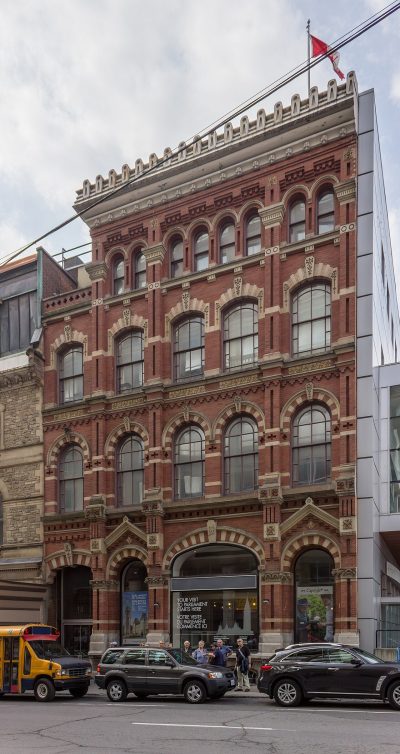
Recognized Federal Heritage Building · 1870–1872Canada's Four Corners Building93 Sparks StreetPhoto: LawrenceByrne · CC BY-SA 4.0 · Commons file
 Fed
Recognized Federal Heritage Building · 1881–1883Marshall Building14 Metcalfe StreetPhoto: Matti Blume · CC BY-SA 4.0 · Commons file
 Fed
Recognized Federal Heritage Building · 1893–1894Brouse Building181-183 Sparks StreetPhoto: Densi Deschenes · CC BY-SA 3.0 · Commons file
 Fed
Recognized Federal Heritage Building · 1894–1895Slater Building177-179 Sparks StreetPhoto: Denis Deschenes · CC BY-SA 3.0 · Commons file
 Fed
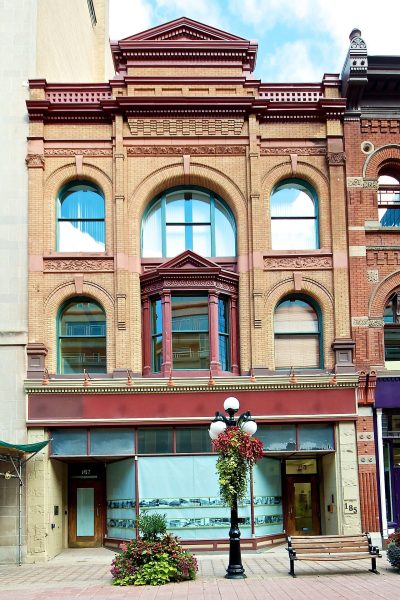
Recognized Federal Heritage Building · 1896–1897Dover Building185-187 Sparks StreetPhoto: Denis Deschenes · CC BY-SA 3.0 · Commons file
 Fed
Recognized Federal Heritage Building · 1899–1901Willson Carbide Mill1 Victoria IslandPhoto: Jeangagnon · CC BY-SA 4.0 · Commons file
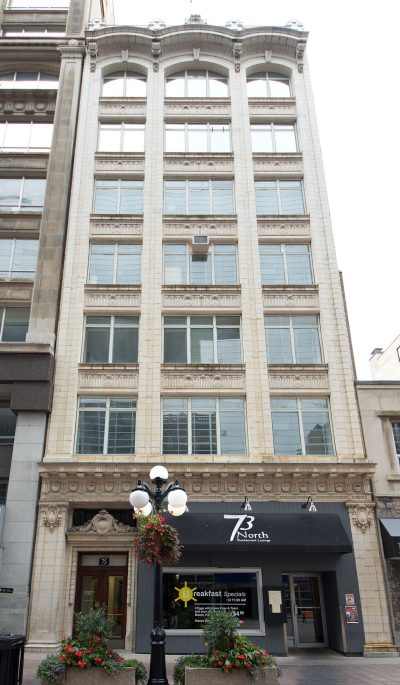 Fed
Recognized Federal Heritage Building · 1909–1910Saxe Building75 Sparks StreetPhoto: Denis Deschenes · CC BY-SA 3.0 · Commons file
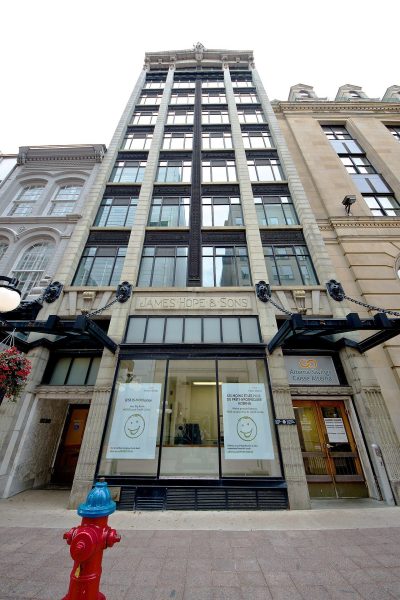 Fed
Recognized Federal Heritage Building · 1910–1911Hope Building61-63 Sparks StreetPhoto: Denis Deschenes · CC BY-SA 3.0 · Commons file
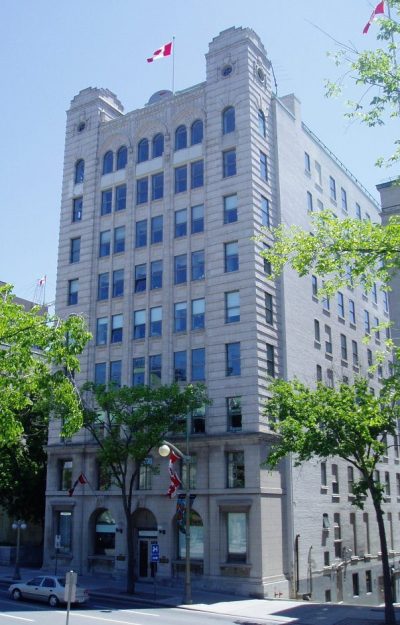 Fed
Recognized Federal Heritage Building · 1917–1919National Press Building150 Wellington St. / Sparks StreetPhoto: SimonP · CC BY-SA 3.0 · Commons file
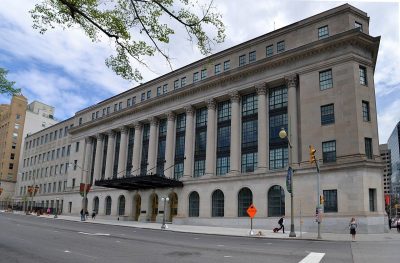 Fed
Recognized Federal Heritage Building · 1925–1928Wellington Building180 Wellington StreetPhoto: Ericsteinhk · CC BY-SA 4.0 · Commons file
 Fed
Recognized Federal Heritage Building · 1927–1929Victoria Building140 Wellington StreetPhoto: SimonP · CC BY-SA 3.0 · Commons file
 Fed
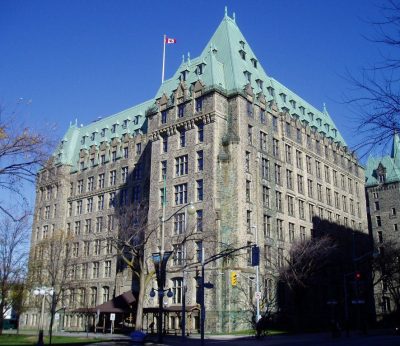
Recognized Federal Heritage Building · 1935–1939Justice Building249 Wellington StreetPhoto: SimonP at en · CC BY-SA 3.0 · Commons file
What’s designated
The list in Centretown starts with public buildings, at 65%
By kind, the list runs to 7 groups. Second on the list: mills, shops and works, 3 of them. At the head of the list: Confederation Square and Parliament Buildings.
Public buildings22
Mills, shops and works3
Theatres, museums and memorials3
Forts and military buildings1
Houses1
Stations, lighthouses and bridges1
Other places3
Each place sits in one group, from its name first, then the uses its register lists.
Provincial and local listings
On provincial and local lists in Centretown: 2 places
Provincial and municipal listings that Wikidata records and an encyclopedia describes. Among them: Lisgar Collegiate Institute and Scottish Ontario Chambers. Each one opens its own page.
 Local
Designated heritage property (part IV) · 1843Lisgar Collegiate InstitutePhoto: Sandra Cohen-Rose and Colin Rose from Montreal, Canada · CC BY 2.0 · Commons file
 Local
Designated heritage property (part IV)Scottish Ontario ChambersPhoto: Jeangagnon · CC BY-SA 4.0 · Commons file
How old
Most of Centretown’s dated places come from the decades after Confederation
Each place by the first construction date on its record.
British North America 1760–18667
After Confederation 1867–191315
Wars and Depression 1914–19459
Since 1946 1946 on2
7 of the 33 dated places are older than Confederation.
When designated
Centretown’s list has grown since 1974
The places by the year of their designation.
1986 · 8
1960198020002020
The first was Former Ottawa Teachers' College, in 1974. The busiest year was 1986, with 8. No place here has been designated since 2011.
Homes by age
A town of older homes: 28% of Centretown’s were built before 1961 (18% is typical)
The busiest building years in Centretown were from 1961 to 1980, which account for 30% of today’s homes. From 2016 to 2021 Centretown added 5.8% of its homes, more than the typical town’s 4.1%. Only 18% of Centretown’s homes were built from 1981 to 2000, less than the typical town’s 23%.
28%
Before 1961
30%
1961–80
18%
1981–2000
18%
2001–15
5.8%
2016–21
CentretownTypical town
2021 Census, private dwellings by period of construction (Statistics Canada); the typical town is the middle Canadian town of 2,500 or more.
Born here
Centretown’s 5 natives of the years before 1914
In 1828 came the earliest, William Craig. James Buckham Kennedy is the most written about, in 3 languages. Longest lived was James Buckham Kennedy, 86 years in all (1930). The most recent birth is Henry Watters’s, in 1853.
William Craig
James Buckham Kennedy
Samuel Bingham
Robert A. Hastey
Henry Watters
1800182518501875190019251950

James Buckham Kennedy1844–1930 · Canadian politician

William Craig1828–1897 · Canadian politician

Samuel Bingham1845–1905 · Canadian politician and former mayor of Ottawa, Canada
RH
Robert A. Hastey1847–1930 · Canadian politician
HW
Henry Watters1853–1924 · Canadian politician
Everyone born in Centretown → Born before 1914 (the page’s periods: Confederation to the First World War). Birthplaces from Wikidata, each checked against the person’s Wikipedia article.
Towns its size
Centretown has the most of 16 towns its size
Towns of 31,100 to 32,900 residents, by places on the registers.
Centretown34
The typical town its size has 0. For 9, the registers list nothing.
Neighbours
Centretown and its neighbours
| Town | People | Places | Highest | Oldest |
|---|---|---|---|---|
| Centretown | 32,035 | 34 | 20 | 1827 |
| West Centretown | 8,560 | 0 | 0 | — |
| Glebe-Dows Lake | 13,436 | 4 | 1 | 1895 |
| Old Ottawa East | 8,308 | 0 | 0 | — |
| Lowertown West | 5,947 | 15 | 10 | 1832 |
| Sandy Hill | 13,830 | 2 | 1 | 1877 |
| Lowertown East | 6,996 | 0 | 0 | — |
In brief
Centretown in brief
Centretown holds 34 historic places on Canada’s registers, 20 with the highest designation, including Confederation Square. It tops the 16 towns nearest its size for historic places. Before 1961: 28% of its homes, against 18% in the typical town.
Its places of the highest designation cluster together: 13 of them stand within 400 m of Bank of Nova Scotia. The list is mostly public buildings: 65%. Its people of the past include James Buckham Kennedy (1844), William Craig (1828) and Samuel Bingham (1845).
How to read these numbers
What this data can and can’t tell you
- Provincial and municipal lists. Outside Québec, provinces’ and municipalities’ heritage registers aren’t open data; their places are known only through Wikidata items with a register number, and only those with an encyclopedia article get a page.
- People and events. Persons of national historic significance come with no location; a town gets one only by birthplace (name and both life years agreeing) or by one of its own places that bears the name and whose record tells the story. Events, which can’t be tied, are left out.
- Map points. Pins for federal places come from Wikidata rather than Parks Canada, which gives no points.
- Protection. National historic designation honours a place but binds only federal owners; a private building’s protection depends on its province or municipality.
- The tiers. National Historic Sites and the most protected buildings form the top tier; recognized federal buildings, stations and lighthouses the second; provincial and municipal listings the third.
- The federal register. Federal places come from Parks Canada’s directory, which counts National Historic Sites, federal heritage buildings, stations and lighthouses; their statements are the register’s own.
- The grade. History isn’t one of Canada’s graded pillars, so this page describes and compares without a letter.
Questions about Centretown’s history
Which places in Centretown have the highest designation?
These: Confederation Square, Parliament Buildings, Public Grounds of the Parliament Buildings, Former Ottawa Teachers' College, Office of the Prime Minister and Privy Council and Central Chambers, and 14 more.
What is the oldest building in Centretown?
Commissariat Building — its record dates it to 1827 (Classified Federal Heritage Building).
How old are the homes in Centretown?
Before 1961: 28% of its homes; the typical town has 18%.
Why might a heritage building in Centretown be missing here?
Only federal designations are fully open outside Québec. 2 more listings in Centretown are known through Wikidata alone, so they are counted, not paged.
Contains information licensed under the Open Government Licence – Canada (Parks Canada).
Sources: Parks Canada, Directory of Federal Heritage Designations · Canadian Register of Historic Places (federal extract) · Wikidata (CC0) for map points, other names and articles · Statistics Canada, 2021 Census (homes by period of construction). Under the Statistics Canada Open Licence.
Adapted from Statistics Canada (Census of Population 2021, population estimates 2025, 2021 census boundaries) under the Statistics Canada Open Licence; this does not constitute an endorsement by Statistics Canada. Neighbourhood names in some cities © OpenStreetMap contributors (ODbL).