Former Main Post Office · Photo: No machine-readable author provided. Bobanny assumed (based on copyright claims) · Public domain
31historic places on the registers
History of Vancouver · Canada’s heritage registers
10 top designations among Vancouver’s 31 historic places
The record has 17 provincial or municipal listings, 3 Recognized Federal Heritage Buildings and a heritage railway station. The oldest dated place, Vancouver's Chinatown, goes back to 1880. Wikidata knows 80 more provincial or municipal listings here that get no page, lacking an open statement or an encyclopedia article.
provincial and municipal listings with an encyclopedia article
Oldest building
1880
the first construction date on its record
Homes built before 1961
20%
typical town: 18%
In pictures
Past and present Vancouver: 31 photos, 16 old views
Every place on Vancouver’s registers has a photo here. 11 of Vancouver’s places also have old views on their own pages. First come Former Main Post Office and Former Vancouver Law Courts.
Photos from Wikimedia Commons, each credited to its photographer with its licence; names open the place’s page. Tap a photo to step through them full screen.
Through time
Vancouver between 1860 and 1917
10 old photographs of the town, then the oldest views of 6 of its historic places, set out by date. Tap any picture to see it full screen.
18501875190019251950Before ConfederationConfederation to 1900Boom yearsThe wars and betweenAfter the war
Public domain or CC0, made before 1950, from Wikimedia Commons; old views of places can be drawings, prints or maps of their time. Each credit opens the image’s page.
How it began
Vancouver’s early dates, from 1886
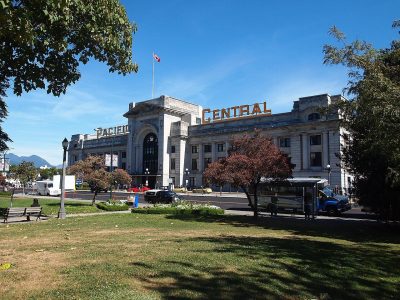
By 1919 the place had a station: Pacific Central Station. Its predecessor on record: Granville. Its record also notes 2010 Winter Olympics (2010).
The date Wikidata keeps for Vancouver is 1886; whether it was a founding or a legal act, the entry leaves open. The name of Vancouver honours George Vancouver.
Every place on the registers inside the town, by its designation.
Highest designationsOther federal designationsProvincial and local listings400 m from Former Vancouver Law Courts
3 of 10within 400 m of Former Vancouver Law Courts, the heart of the town’s history
Tap any dot to open that place’s own page; hovering shows its name.
The 31, by tier
10 Highest designations4 Other federal designations17 Provincial and local listings
Parks Canada’s Directory of Federal Heritage Designations lists the places the Government of Canada has recognized; outside Québec, provincial and municipal listings come only through Wikidata, and only those with an encyclopedia article get a page.
Points from Wikidata (Parks Canada’s files carry none) and from Québec’s register, as mapped there.
Highest designations
10 places in Vancouver with the highest designation
The first was designated in 1933, the latest in 2019. They are 9 National Historic Sites and a Classified Federal Heritage Building. National Historic Sites and Classified Federal Heritage Buildings, Canada’s highest federal recognition. Each one opens its own page.
Classified Federal Heritage Building · 1905–1911Former Main Post Office701 West Hastings StreetPhoto: No machine-readable author provided. Bobanny assumed (based on copyright claims) · Public domain · Commons file
Other federal designations
4 other places Canada recognizes in Vancouver
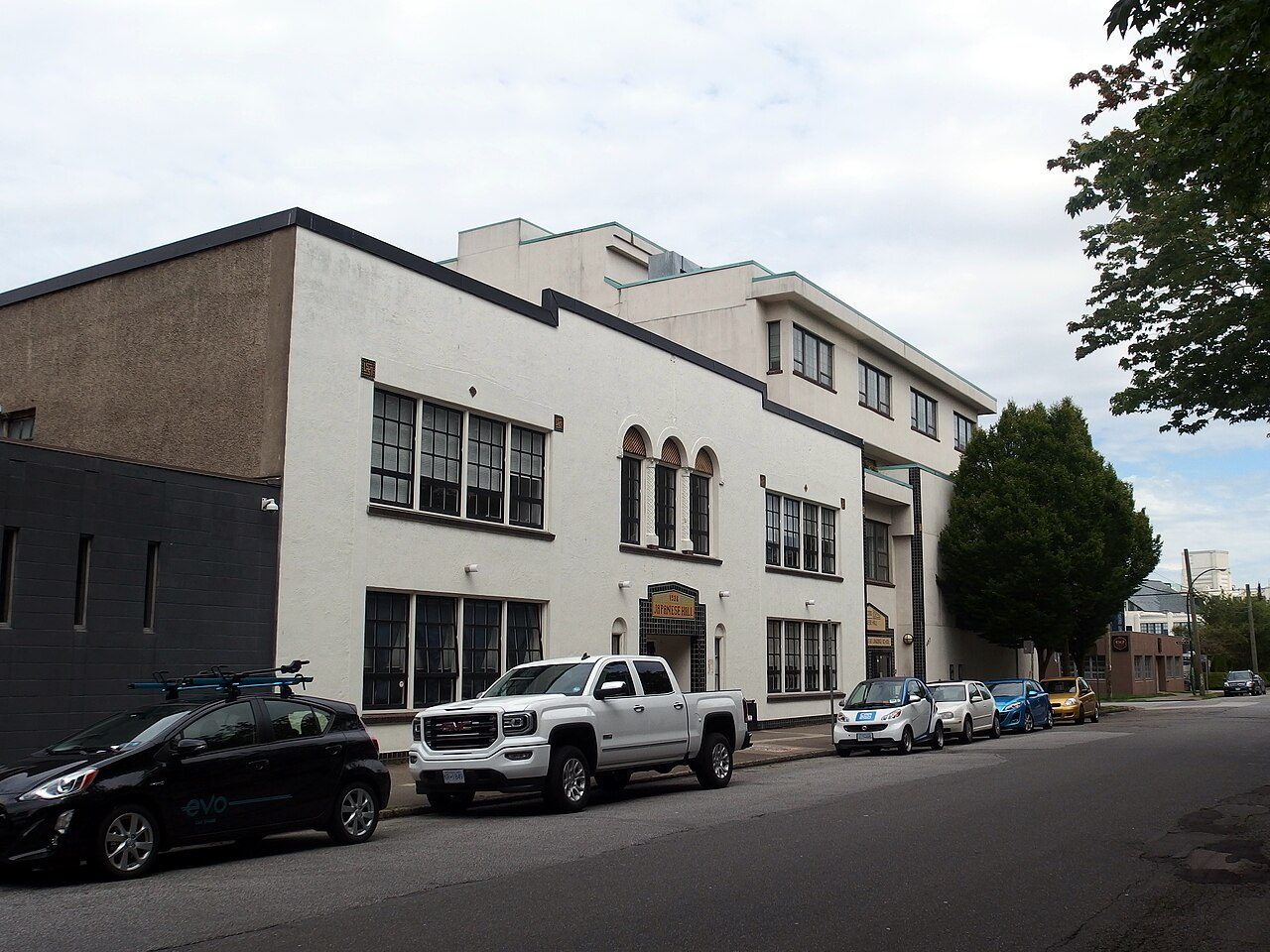
They are 3 Recognized Federal Heritage Buildings and a heritage railway station. Recognized Federal Heritage Buildings, heritage railway stations and lighthouses. Their dates run from 1899, with Armoury, to 1935. Each one opens its own page.
23% of Vancouver’s historic places are theatres, museums and memorials
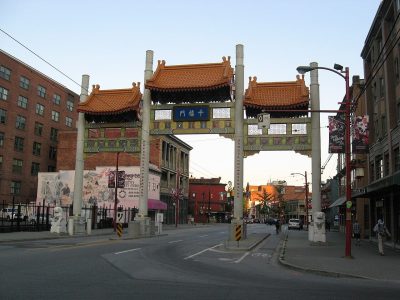
Its places fall into 7 kinds. Second on the list: forts and military buildings, 3 of them. Two of the highest-ranked are Vancouver's Chinatown and Gastown Historic District.
Theatres, museums and memorials7
Forts and military buildings3
Public buildings3
Mills, shops and works2
Stations, lighthouses and bridges1
Churches and religious buildings1
Other places14
Grouped by what each register says the place is or was; a converted building counts as what it was built for.
Provincial and local listings
17 local listings in Vancouver
Provincial and municipal listings that Wikidata records and an encyclopedia describes. Their dates run from 1886, with “Victory Square, Vancouver”, to 1969. Each one opens its own page.
For Vancouver, most dated places belong to the decades after Confederation
Each place by the first construction date on its record.
British North America 1760–18660
After Confederation 1867–191317
Wars and Depression 1914–19458
Since 1946 1946 on2
When designated
Vancouver on the registers since 1933
The places by the year of their designation.
192019401960198020002020
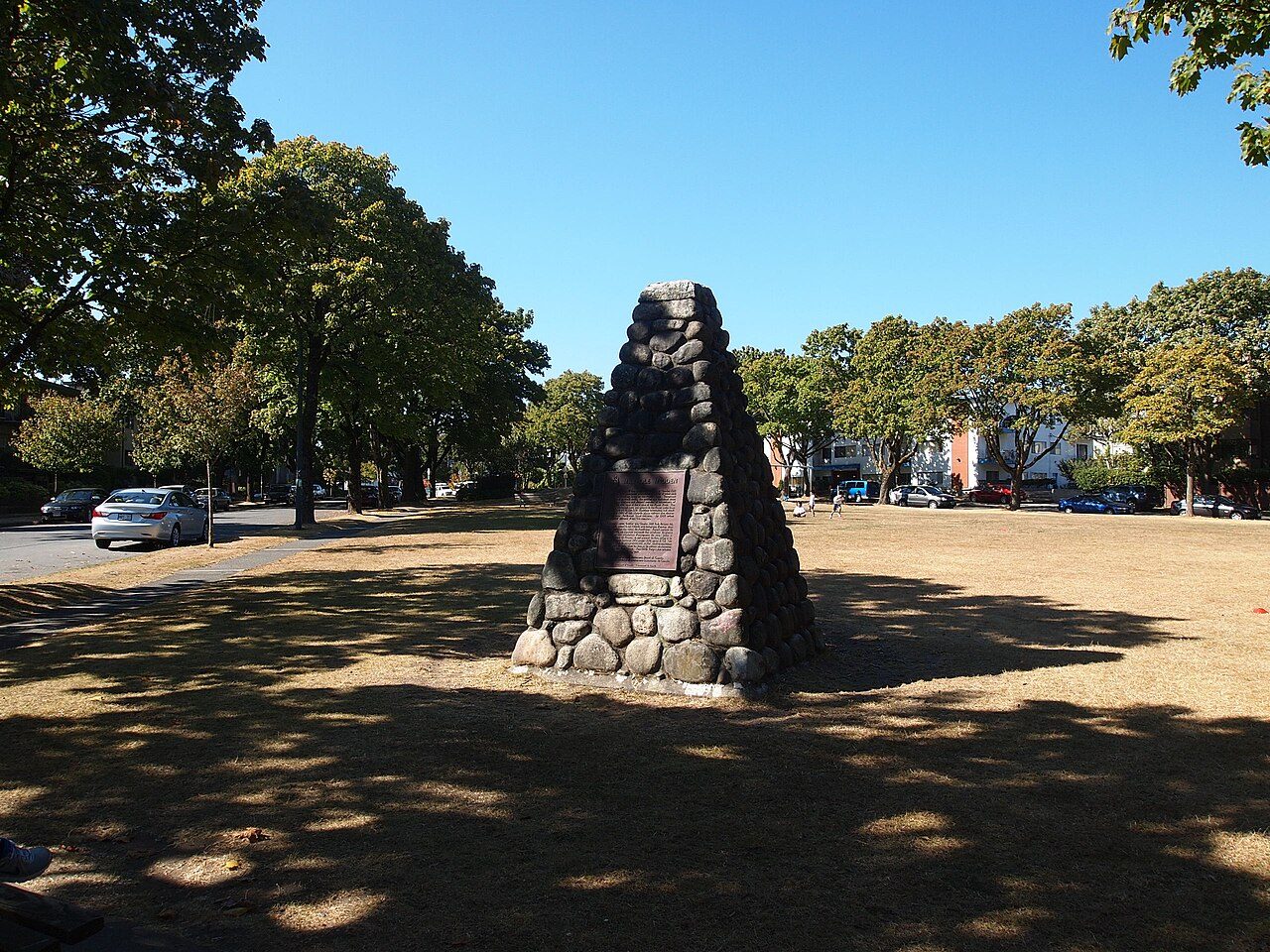
The earliest designation is Marpole Midden’s, from 1933. 2 came in 1991. The list has grown by 2 since 2011.
Homes by age
Vancouver is still building: 9.1% of homes date from 2016 to 2021, against 4.1%
Homes built from 2001 to 2015 make up 21% of Vancouver’s, against 15% in the typical town. The largest single period is from 1981 to 2000, with 27% of Vancouver’s homes. 20% of Vancouver’s homes predate 1961, close to the typical town’s 18%.
20%
Before 1961
23%
1961–80
27%
1981–2000
21%
2001–15
9.1%
2016–21
VancouverTypical town
2021 Census, private dwellings by period of construction (Statistics Canada); the typical town is the middle Canadian town of 2,500 or more.
Born here
Natives of Vancouver from 1864 to 1913
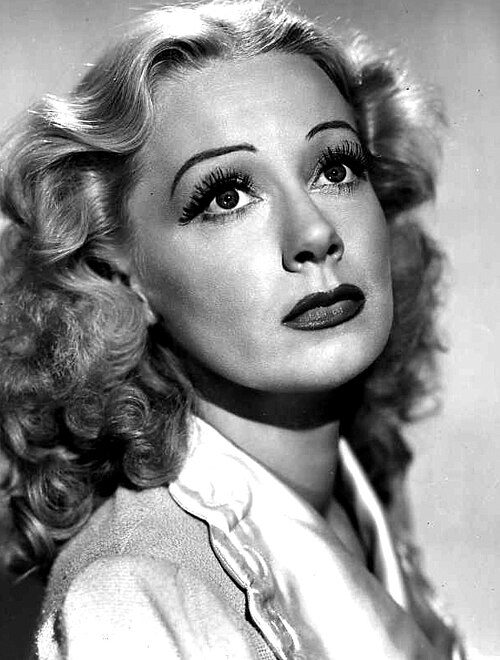
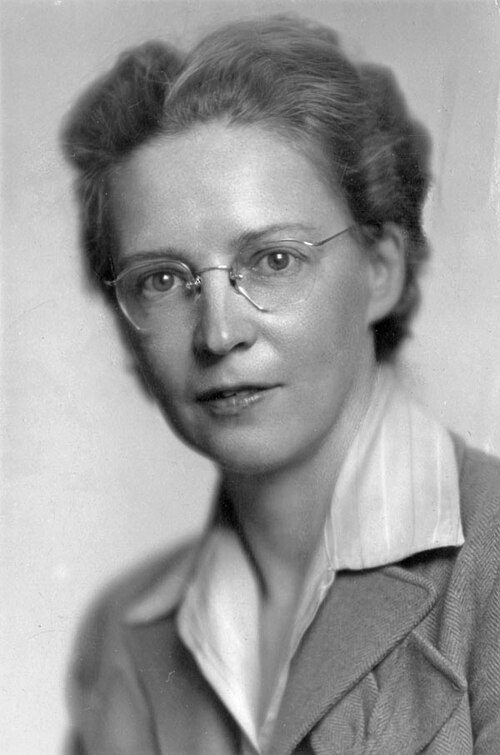
There are 70 people born here before 1914 with an article to show for it. The widest known is June Havoc: 29 Wikipedia editions. Jimmie Gibb reached 102, the longest life here, ending in 2013. 69 of the 70 were born in the decades after Confederation. Only the 20 best known fit the timeline.
Chief Dan George
John Qualen
Hubert Wallace
George MacKay
Catherine Lough Haggquist
Elsie MacGill
S. I. Hayakawa
Bert Hoffmeister
Percy Williams
Philip Rogers
Jean Coulthard
Victoria Hopper
Katherine DeMille
Chuck Chapman
Frank Elliott
June Havoc
Peggy Cartwright
Emilio Reuben
Henry Pybus Bell-Irving
L. S. Stavrianos
18501875190019251950
June Havoc1912–2010 · American actress, vaudeville performer, and memoirist
Percy Williams1908–1982 · Canadian athlete
Chief Dan George1899–1981 · Canadian indigenous leader, indian interpreter
S. I. Hayakawa1906–1992 · Canadian-American academic and politician
John Qualen1899–1987 · Canadian-American actor of Norwegian origin
Katherine DeMille1911–1995 · Actress
Elsie MacGill1905–1980 · The first female aircraft designer
CC
Chuck Chapman1911–2002 · Canadian basketball player
Everyone born in Vancouver → Born before 1914 (the page’s periods: Confederation to the First World War). Birthplaces from Wikidata, each checked against the person’s Wikipedia article.
Vancouver has 20% of its homes from before 1961, against 18% in the typical town. The lists come to 31 historic places, 10 with the highest designation, including Vancouver's Chinatown. Its places of the highest designation cluster together: 3 of them stand within 400 m of Former Vancouver Law Courts. Dates cluster in the decades after Confederation: 17 of 27. June Havoc (1912), Percy Williams (1908) and Chief Dan George (1899) lead its people of the past.
How to read these numbers
What this data can and can’t tell you
•
The tiers. The highest designations are National Historic Sites, Classified Federal Heritage Buildings and Québec’s classements; then come the other federal designations; then provincial and local listings.
•
People and events. Parks Canada’s open file gives its national historic persons no place. A town’s page names one only when the person was born there (matched by name and both life years) or one of its own historic places carries the name and its record speaks of them; national historic events stay off.
•
The grade. This page gives no grade; history doesn’t count toward a Canadian town’s letter.
•
The federal register. Every federal designation is in Parks Canada’s directory, and the Canadian Register of Historic Places gives most of them a bilingual statement of significance.
•
Protection. National historic designation honours a place but binds only federal owners; a private building’s protection depends on its province or municipality.
•
Provincial and municipal lists. The local and provincial lists outside Québec aren’t published openly, so this page counts what Wikidata records and pages only the places an encyclopedia describes.
•
Map points. Federal places get their map points from Wikidata, since Parks Canada’s files carry none; they are as mapped there.
Questions about Vancouver’s history
Which places in Vancouver have the highest designation?
These: Vancouver's Chinatown, Gastown Historic District, Stanley Park, Marpole Midden, Former Vancouver Law Courts and Orpheum Theatre, and 4 more.
What is the oldest building in Vancouver?
Vancouver's Chinatown, a National Historic Site, begun in 1880.
Why might a heritage building in Vancouver be missing here?
Only federal designations are fully open outside Québec. 80 more listings in Vancouver are known through Wikidata alone, so they are counted, not paged.
How old are the homes in Vancouver?
The 2021 Census dates 20% of its homes before 1961 (18% in the typical town).
Contains information licensed under the Open Government Licence – Canada (Parks Canada).
Sources: Parks Canada, Directory of Federal Heritage Designations · Canadian Register of Historic Places (federal extract) · Wikidata (CC0) for map points, other names and articles · Statistics Canada, 2021 Census (homes by period of construction). Under the Statistics Canada Open Licence.




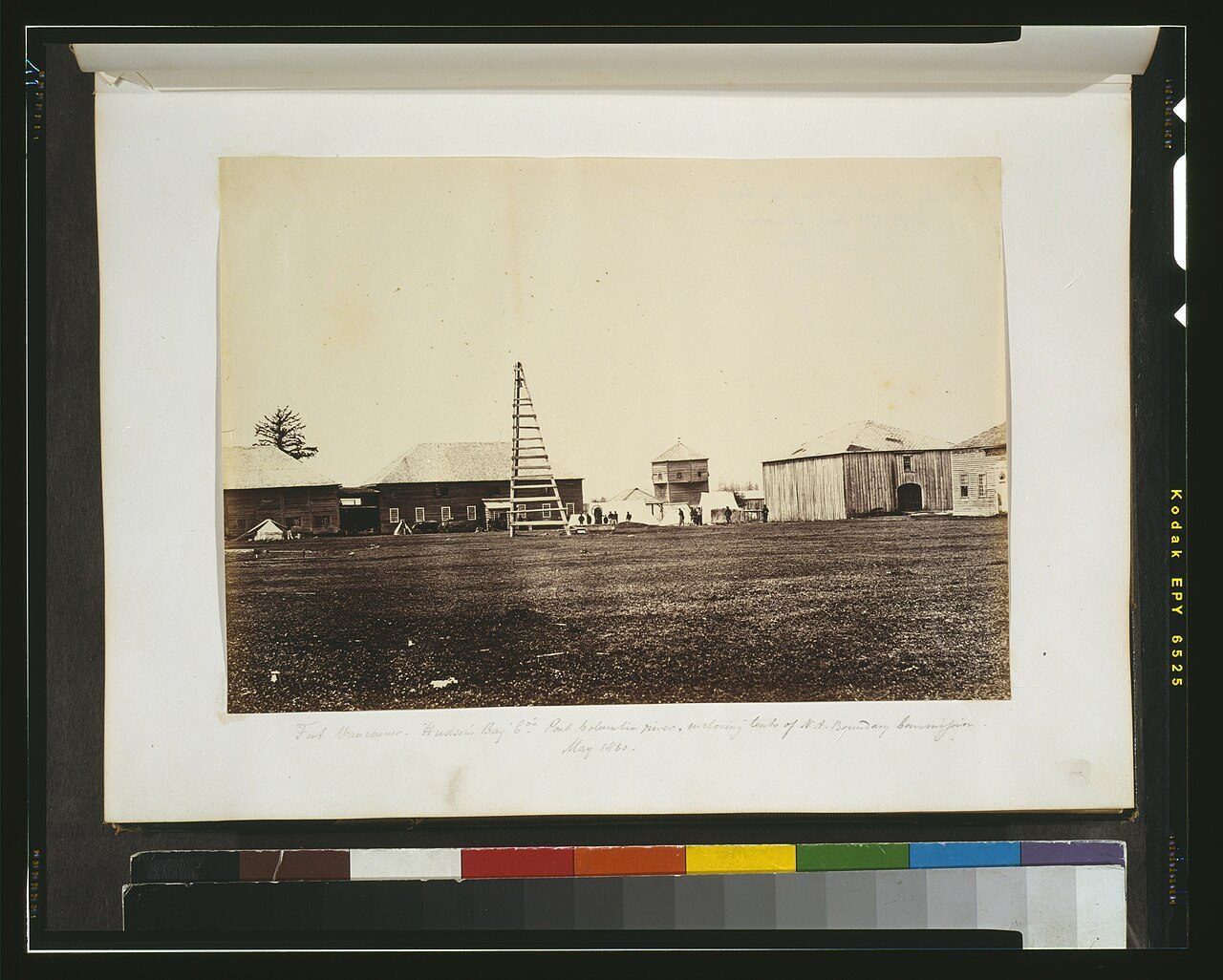 1860
 c. 1890
 c. 1898
 c. 1898
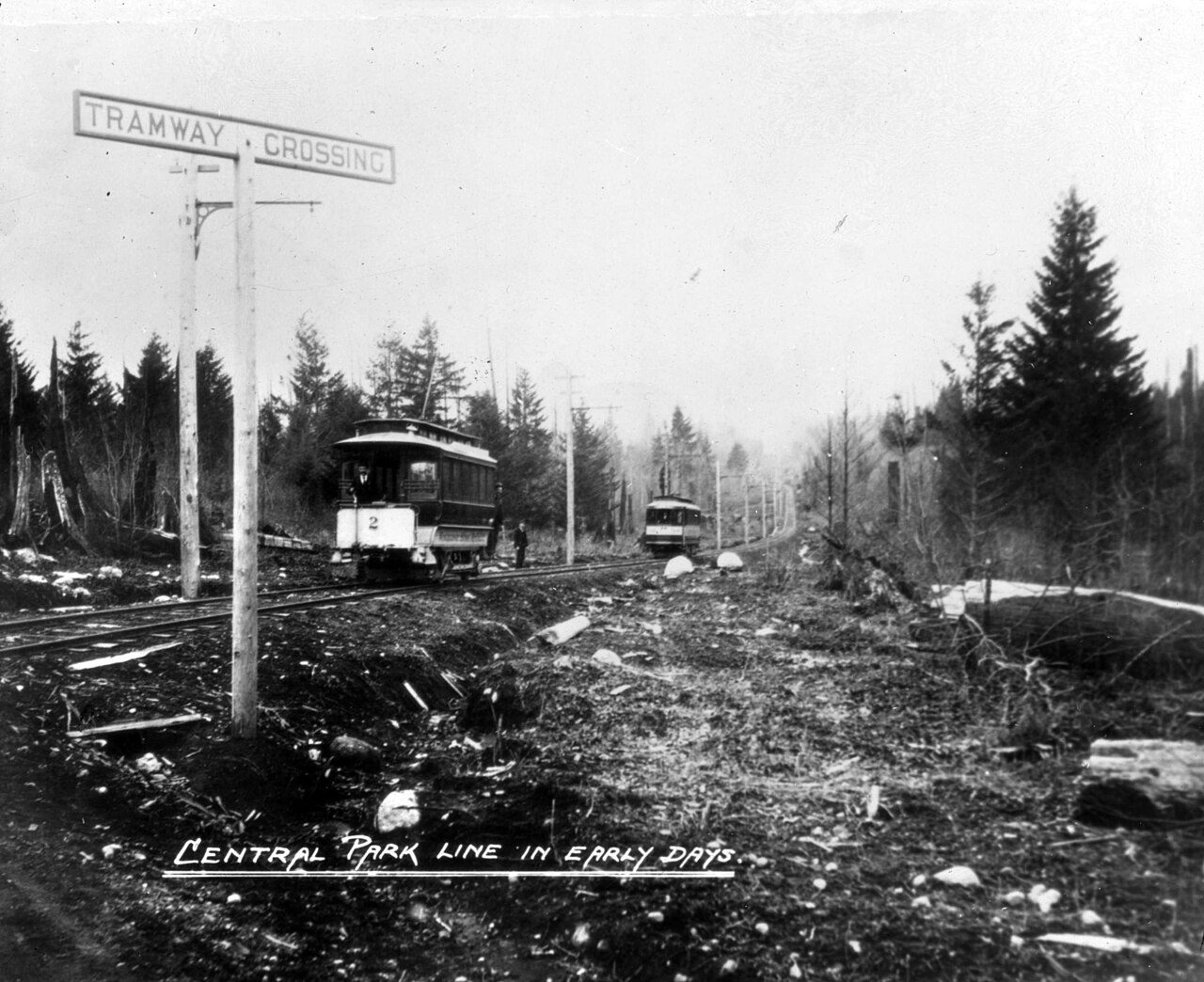 1900s
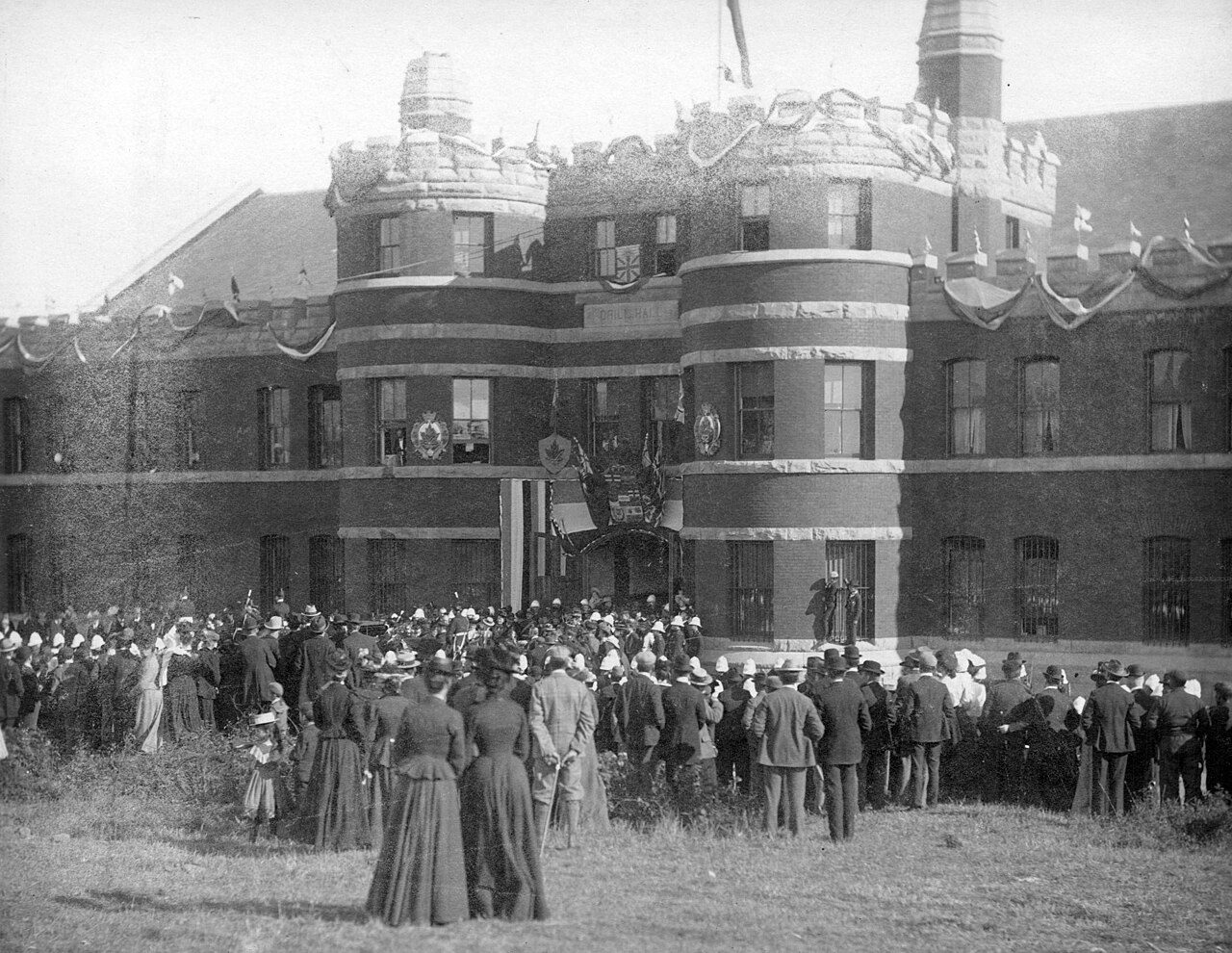 c. 1901
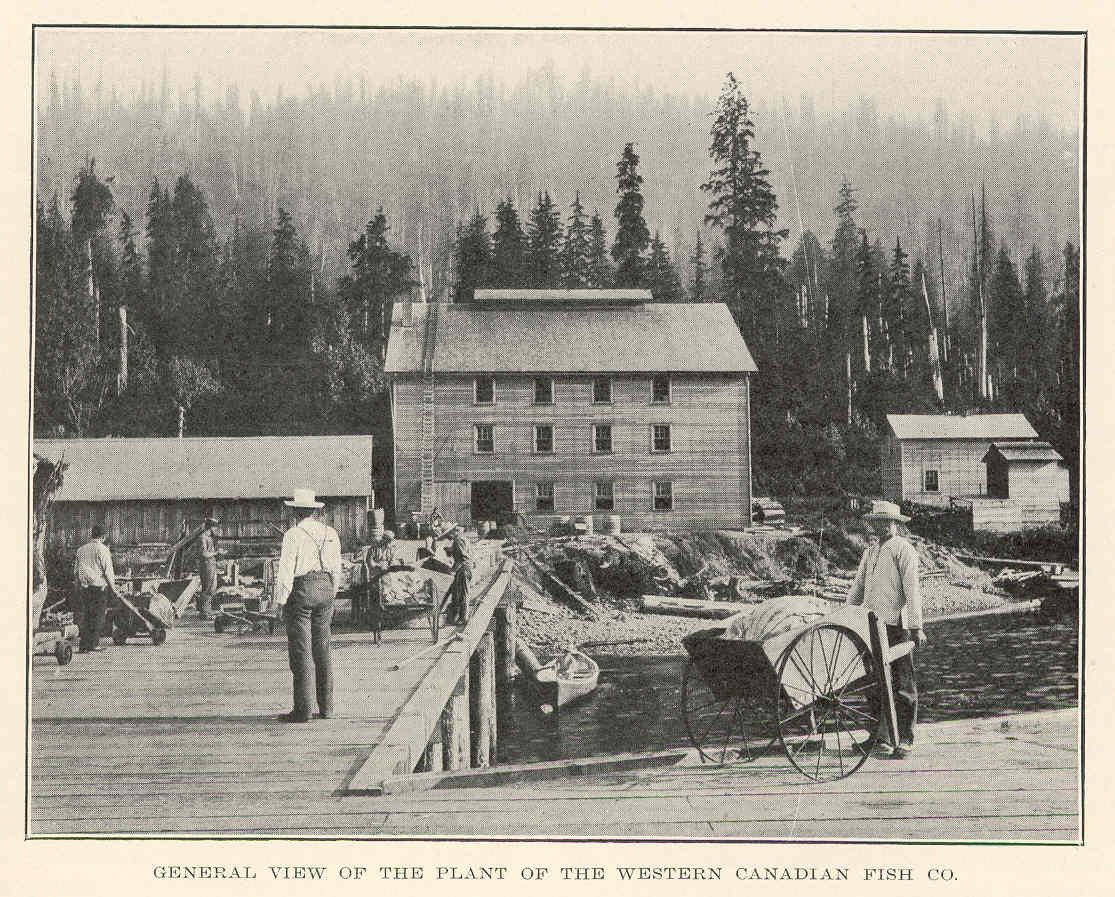 c. 1905
 1905
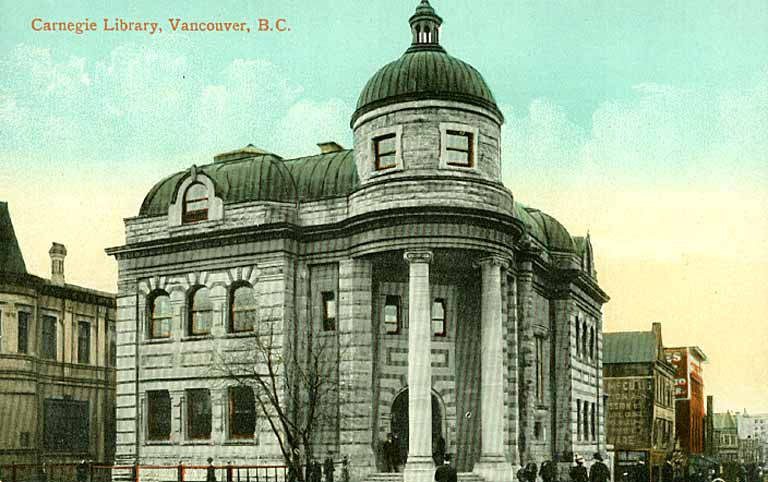 c. 1907
 c. 1908
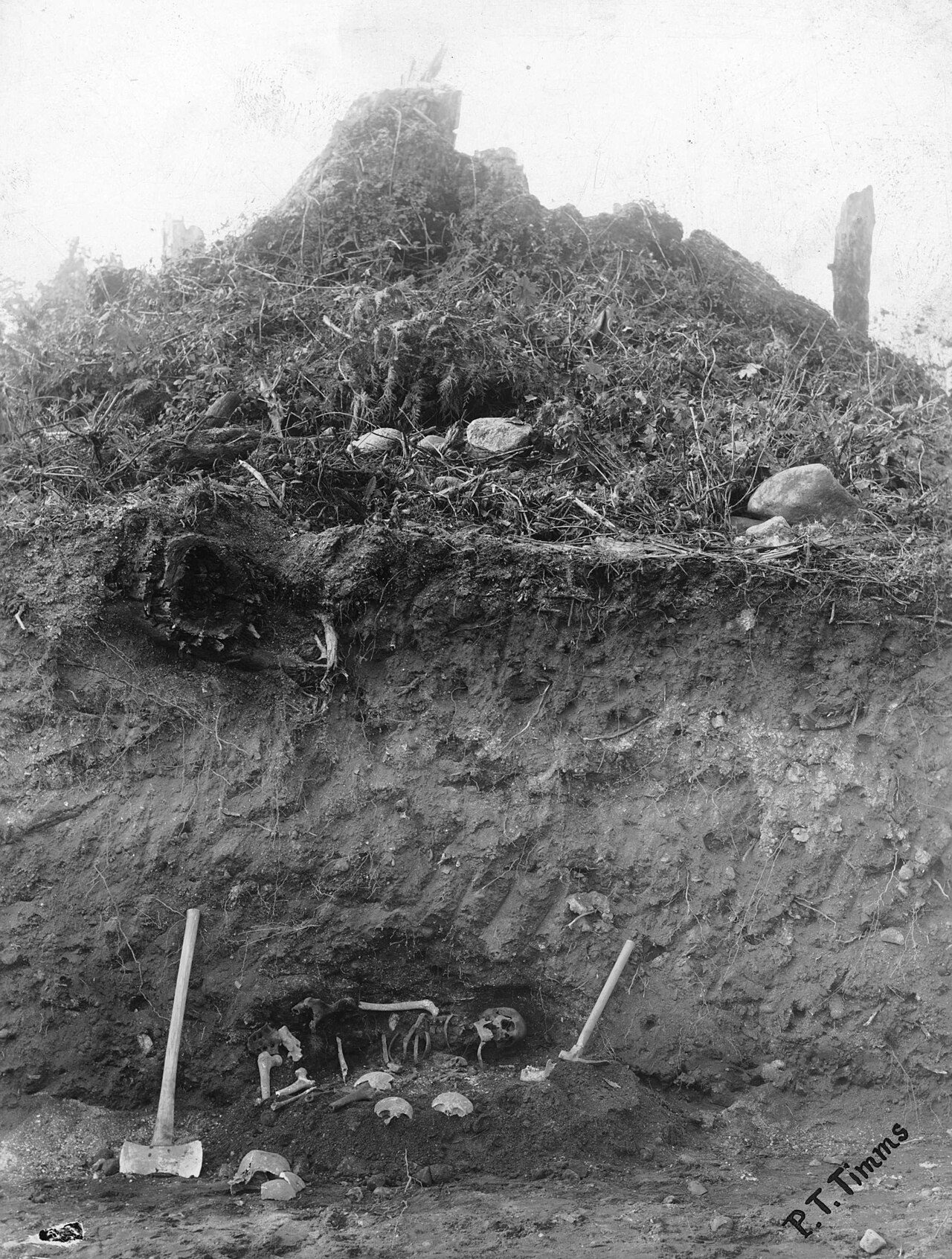 1908
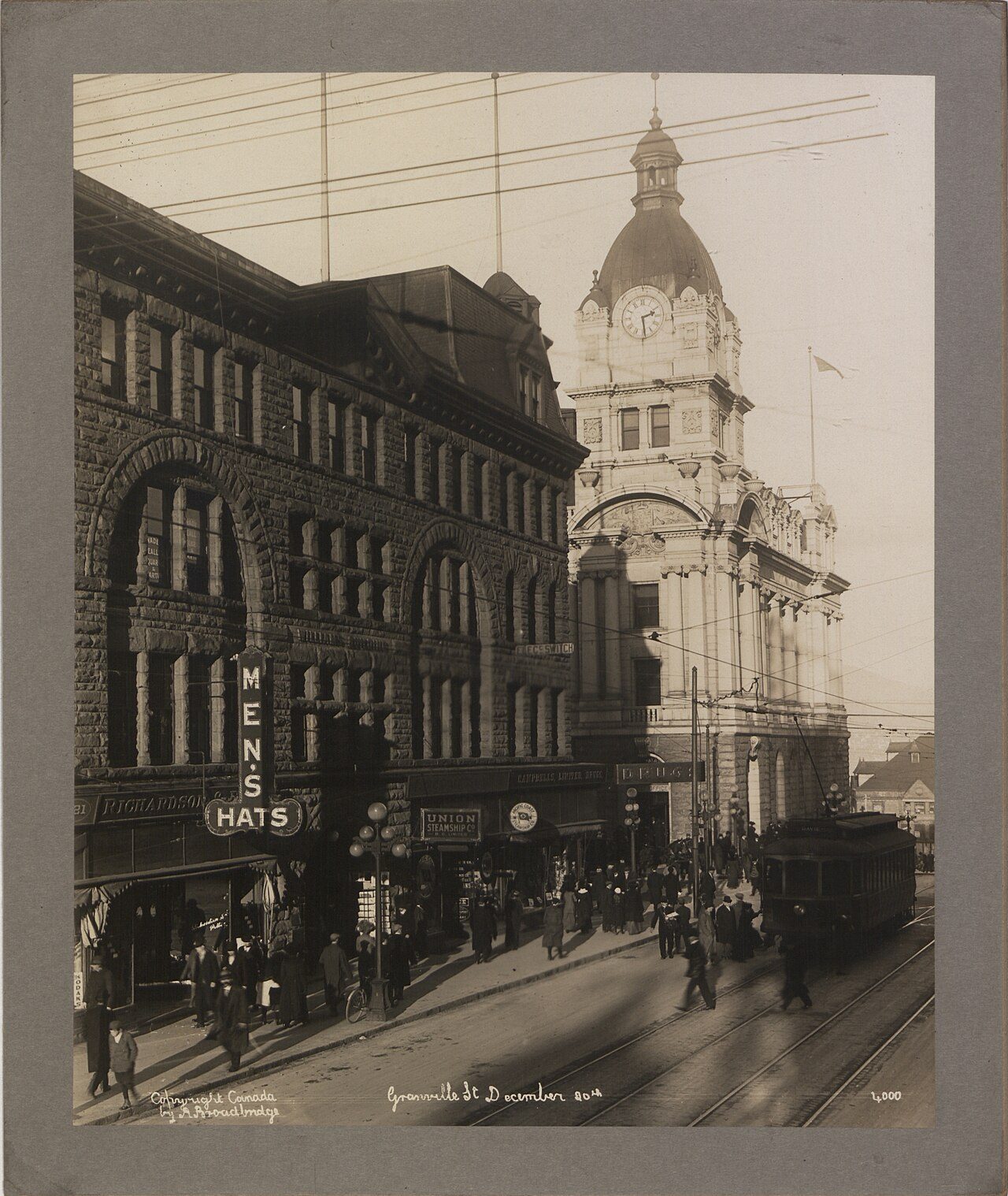 c. 1912
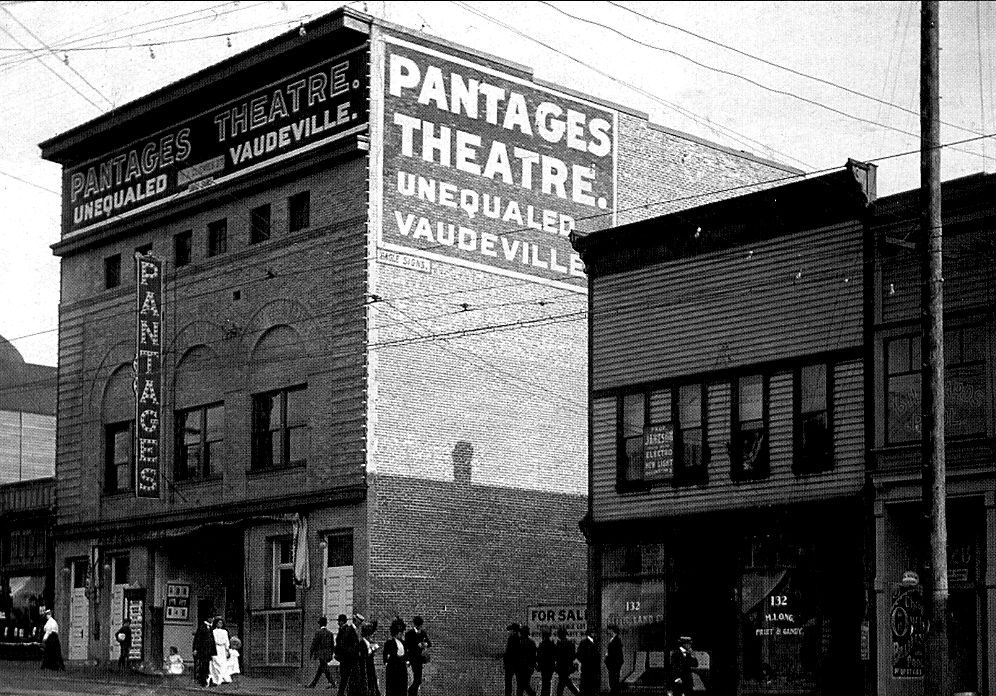 c. 1912
 1913
 1917
 1917
 Top
 Top
 Top
 Top
 Top
 Top
 Top
 Top
 Top
 Top
 Fed
 Fed
 Fed
 Fed