
Falls City Masonic Hall · National Register of Historic Places
Fall City’s story
154 years in pictures
1 place on the National Register of Historic Places.
- 1872Fall City is settled
Each edition grades its towns against each other only.
With 1,618 residents, this town was settled in 1872.
Fall City’s best subject grades are an A+ for incomes, health, and schools; its weakest is a D− for hazard risk. Fall City’s midpoint rent is $2,688 a month, against $1,739 a month in Washington’s towns and $1,185 a month across U.S. towns. Only 6 of Washington’s 397 towns score lower on hazard risk. Homes are expensive, about $1.1 million for a typical one and 9.9 times the Seattle metro’s $115K median household income. Falls City Masonic Hall is on the National Register of Historic Places. Fall City has fewer than 2,500 residents, so it gets subject grades but no overall grade.
Where Fall City beats most towns, and one thing worth knowing.
Where Fall City’s working residents go each day. Line width shows the share.
Census LEHD 2023
Each subject compared with towns across the country (schools within Washington), ordered by how far Fall City is from typical.
How TownRatings grades towns →
1 place on the National Register of Historic Places.
Museums, parks, gardens and other places to visit around Fall City. Close and well known come first.
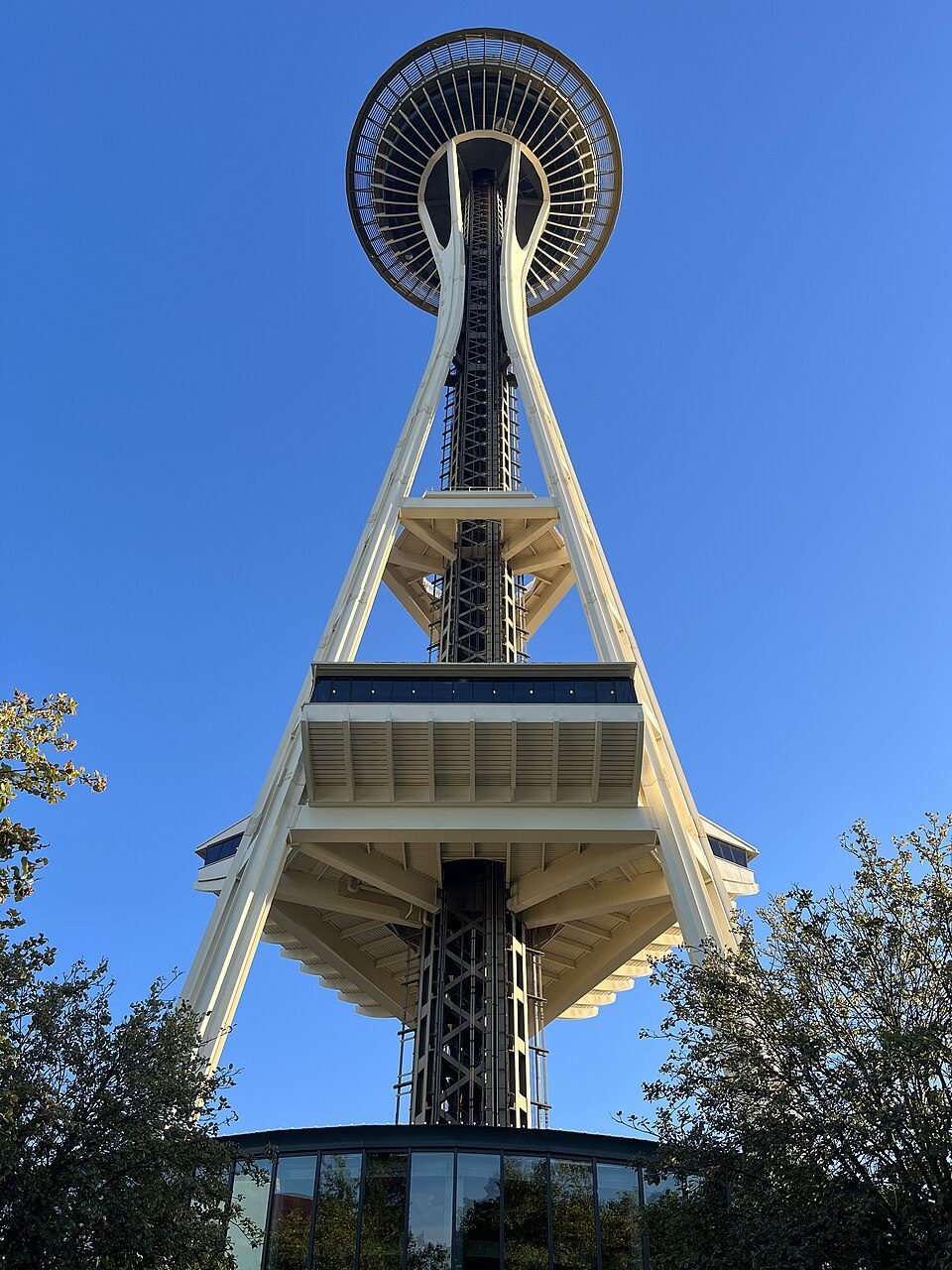 Big draw21 mi LookoutSpace Needle
 Big draw20 mi Stadium & arenaLumen Field
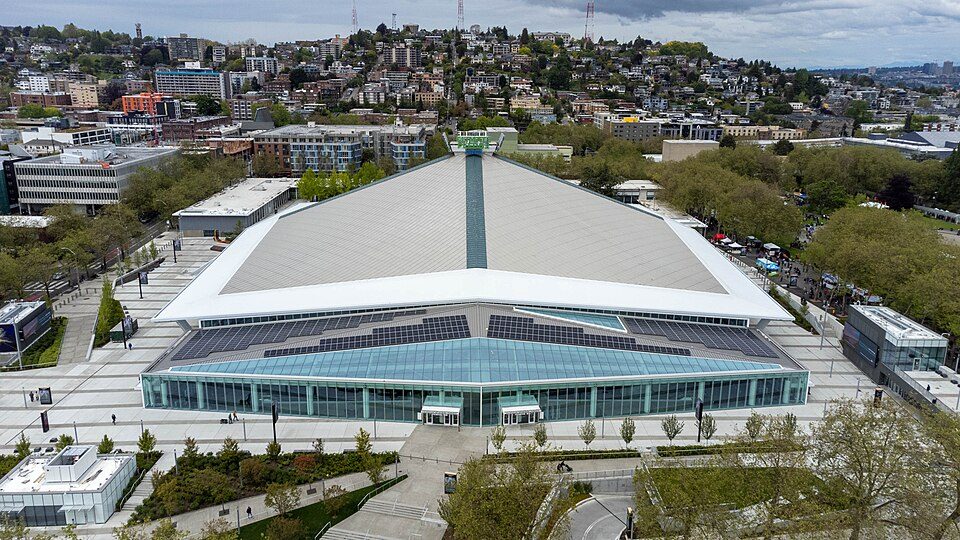 Big draw21 mi Stadium & arenaClimate Pledge Arena
 20 mi Stadium & arenaT-Mobile Park
 20 mi Ancient siteSeattle Underground
 4 mi WaterfallSnoqualmie Falls
Space Needle: Another Believer, CC BY-SA 4.0 · Lumen Field: "Smart Destinations", GoSeattleCard.com, and Go Seattle Card Blog, CC BY-SA 2.0 · Climate Pledge Arena: Sea Cow, CC BY-SA 4.0 · T-Mobile Park: MyName (Cacophony), CC BY-SA 3.0 · Seattle Underground: Mark Hursh, CC BY-SA 3.0 · Snoqualmie Falls: Meher Anand Kasam, CC BY-SA 3.0
Fall City is unincorporated, so King County and regional agencies provide most services.
EPA SDWIS (Oct 9, 2026) · HIFLD + EIA-861 2025 · Census 2020 ZCTAs · NCES 2024–25 · registration: vote.gov, updated Sep 30, 2026.
Ordered by what stands out in Fall City.
The typical Fall City home is worth about $1,143,000, down 0.9% in a year, 95% above the Washington typical home. For households locally, the share who live in a home they own is 84%.
Census ACS, 2020–24 · Zillow Home Value Index · Redfin Data Center
One of its 2 schools is below, with the reason it’s listed. Its public schools are run by the Snoqualmie Valley School District.
| School | Level | Students | Letter |
|---|---|---|---|
| Chief Kanim Middle SchoolLargest public middle schoolGrades 6–8 | Grades 6–8 | 520 | – |
NCES · EDFacts · graded within WA on state tests and graduation
15% of adults report frequent mental distress in Fall City. CDC measures, 31 in all: Fall City beats Washington on 14 and trails on 2. Two figures for adults in the town: 13% get no exercise outside work, 7.3% have diabetes.
| Fall City | Washington towns | U.S. towns | |
|---|---|---|---|
| Obesity (CDC PLACES) | 24% | 33% | 35% |
| Get no exercise (CDC PLACES) | 13% | 18% | 25% |
| Diabetes (CDC PLACES) | 7.3% | 9.8% | 12% |
| Sleep under 7 hours (CDC PLACES) | 30% | 33% | 36% |
| What stands out | Fall City | WA |
|---|---|---|
| Fewer adults facing food insecurity | 7.1% | 10.2% |
| Fewer adults facing a utility shut-off | 3.7% | 5.1% |
| More binge drinkers | 18.6% | 16.6% |
CDC PLACES 2025 · modeled estimates for adults · CMS · HRSA
66% of Fall City’s expected losses from natural hazards come from inland flooding, followed by earthquakes at 33%. Federal disaster aid has reached households in Fall City after 3 declared disasters, most recently in 2025. Expected storm and flood damage is higher than in 97% of U.S. communities.
FEMA disaster declarations and aid · FEMA National Risk Index · OpenFEMA
The median household income for Fall City comes to $177,000. Just 3% of the town’s working residents have a job in town. The share of residents in Fall City who live below the poverty line: 2.2%. Also worth knowing: between 2013 and 2023, jobs in Fall City dropped by 51, to 385.
| Fall City | Washington towns | U.S. towns | |
|---|---|---|---|
| Median household income | $177,000 | $98,000 | $80,000 |
| Below the poverty line | 2.2% | 7.9% | 9.6% |
| Average trip to work | 30 minutes | 27 minutes | 25 minutes |
| Working residents who work in town | 3% | 4.9% | 8% |
Census LEHD 2023 · ACS
Fall City’s midsummer high is 76°F.
NOAA U.S. Climate Normals, 1991–2020
For Fall City, the density of trails is 0.2 miles per square mile. In 1 park or preserve, walkers have 0.6 miles of trail. One park or preserve covers 5 acres in the town.
| Fall City | Washington towns | U.S. towns | |
|---|---|---|---|
| Miles of trail per square mile | 0.2 miles per square mile | 0.8 | 0.4 |
| Conserved land | 2.5% | 4% | 4.3% |
| Biggest places to walk | Trails | Acres |
|---|---|---|
| 1. Aldarra Field | — | 5 |
Trails & parks © OpenStreetMap contributors · Conserved land: USGS PAD-US
5 within 15 miles of the center of Fall City
About 3 of every 100 Fall City residents are enrolled in college, against 6 across Washington.
Short answers, built from the data on this page.
Yes. Cost of living, which also weighs rents, property taxes and how many households pay 30% or more of their income for housing, grades D.


