More historic than 94% of U.S. towns · #74 of 993 in Ohio. What drives it
15 places in town are on the National Register, among them the Adena (Thomas Worthington House), a National Historic Landmark, and three historic districts with 66 buildings between them. Below: 11 old photos and papers, maps from 1884 on, and the census since 1820.
On its age, its old homes and the National Register, Chillicothe is more historic than 94% of U.S. towns, #74 of 993 in Ohio. All 2 inputs are above most U.S. towns; its National Register listings ranks highest and its share of homes from before 1940 lowest.
A
HistoryA character grade: shown, never part of Chillicothe’s overall grade.
Ohio towns list about as much on the Register as the country (a typical Ohio town has 2.9 per 10,000 residents, the U.S. 2.4), so Chillicothe’s 37.4 sits above most of its state (86% of Ohio towns have fewer) while its 82 historic buildings outnumber those of 88% of U.S. towns.
How sure. Graded on two of the three inputs, so a change in either one moves the letter more than it would with three. The pre-1940 share (±2.7 points) is firm at this size.
Founding year: our sources. Homes: Census ACS 2020–24. National Register: National Park Service, May 2026 list; each listing counted once (boundary changes and added documentation belong to their listing), and a historic district counts its contributing buildings. How TownRatings grades history →
What stands out about Chillicothe’s past
Read from the archive, the National Register and the record. The page puts what stands out first.
National Park Service, National Register of Historic Places. Photos from Wikimedia Commons, credited on each place’s page.
Every building
Chillicothe, building by building, 1884–1914
Fire insurance maps drew every building, what it was made of and what it was used for, so insurers could price the risk of fire. Pick a year, then a sheet.
The region around Chillicothe was the center of the ancient Hopewell tradition, which flourished from 200 BC until 500 AD. This Amerindian culture had trade routes extending to the Rocky Mountains. They built earthen mounds for ceremonial and burial purposes throughout the Scioto and Ohio River valleys.
Passages that mention Chillicothe, cut from the printed page as they were published.
The history of the Chillicothe Presbytery, from its organization in 1799 to 18891889 · page 32Read the page →
Read the text
Mr. McNemar who was appointed Commissioner to the General Assembly was "instructed to apply for an act permitting the Presbyteries of Transylvania, Western Lexington, and Washington to constitute a Synod." Chillicothe was chosen as the place for the next stated meeting and the first Tuesday of October as the time; but, as the minutes of the meeting, Oct. 24, 1799, in the Baptist meeting house, at Washington, Kentucky, tell us,— "From an unusual train of events, Presbytery was prevented from attending at Chillicothe, ac-
Text read by machine from the scan; it may contain errors.
The history of the Chillicothe presbytery1889 · page 119Read the page →
Read the text
The following petition was presented "To the Presbytery of Chillicothe, to meet in Chillicothe, April, 1832. The undersigned, members of the First Presbyterian church and congregation of Chillicothe, would respectfully represent that it is their opinion and belief that their own spiritual welfare, and the glory of the head of the church, would be best promoted by their existence as a separate church. They would therefore pray you, to set them off and form them into a separate church and congregation, which shall be known
Text read by machine from the scan; it may contain errors.
The history of the Chillicothe presbytery1889 · page 184Read the page →
Read the text
was licensed, Wednesday, April 4, 1849. In Presbytery at Chillicothe, May 8th and 9th, 1849, the Rev. Irwin Carson was re ceived from the Presbytery of Washington, and accepted a call from the First Church of Chillicothe, and was installed Wednesday, May 9th, 1849; Wm. Dickey presided and proposed the constitutional questions, Wm. Burton preached, Samuel Steel gaye the charge to the pastor, and Wm. C. Knifnn to the people. Charles Danforth returned his certificate of dismission, and was granted
Text read by machine from the scan; it may contain errors.
The history of the Chillicothe Presbytery, from its organization in 1799 to 18891889 · page 119Read the page →
Read the text
The following petition was presented "To the Presbytery of Chillicothe, to meet in Chillicothe, April, 1832. The undersigned, members of the First Presbyterian church and congregation of Chillicothe, would respectfully represent that it is their opinion and belief that their own spiritual welfare, and the glory of the head of the church, would be best promoted by their existence as a separate church. They would therefore pray you, to set them off and form them into a separate church and congregation, which shall be known
Text read by machine from the scan; it may contain errors.
Scans and text from the Internet Archive. Books published in 1930 or earlier, which are in the public domain.
Timeline
Chillicothe, 1768 to 2003
Woven from the archive, old maps, post office records, the National Register and the people born here.
Nothing in the archives for these yearsWeddings on Main Street, storms, parades, school pictures, the old store. If it’s in your family album, it belongs here.
Chillicothe is more historic than 94% of U.S. towns, #74 of 993 in Ohio. The History grade combines the town’s founding era, the share of homes built before 1940 and its National Register listings. It’s a character grade, so it isn’t part of the overall grade. How it works.
What is on the National Register in Chillicothe?
15 listings: 11 buildings, among them the Adena (Thomas Worthington House) (a National Historic Landmark since 2003), 3 historic districts, the Grandview Cemetery, the Chillicothe's Old Residential District and the Chillicothe Business District, with 66 contributing buildings, and 1 structure. 82 historic buildings in all.
How old are the homes in Chillicothe?
25% of Chillicothe’s homes were built before 1940 (Census estimate, ±2.7 points), against a typical 15% for an Ohio town; the median home was built in 1957.
Founding dates: Wikidata, Wikipedia, the U.S. post office records of Blevins & Helbock (CC0) and the Census. Homes by year built: Census ACS 2020–24. National Register of Historic Places: National Park Service (list of May 22, 2026). Old photos, postcards and papers: Wikimedia Commons, the Library of Congress and other public archives, credited on each item’s page. Maps: U.S. Geological Survey historical topographic maps (via Esri) and Sanborn fire-insurance maps (Library of Congress). History text and census tables: Wikipedia (CC BY-SA 4.0). Places that used to be: USGS Geographic Names Information System (2021).
From the Library of Congress (11), Wikidata (1), the National Register of Historic Places (15), Wikipedia, Wikidata and Wikipedia for famous people, U.S. Geological Survey historical maps, U.S. Census counts (via Wikipedia), the US Post Offices dataset (Blevins & Helbock), the USGS Geographic Names Information System, Sanborn fire insurance maps (Library of Congress) and old county and town histories (Internet Archive). Archive images are copied here with their credits and licenses, shown on each photo’s page. Refreshed monthly.


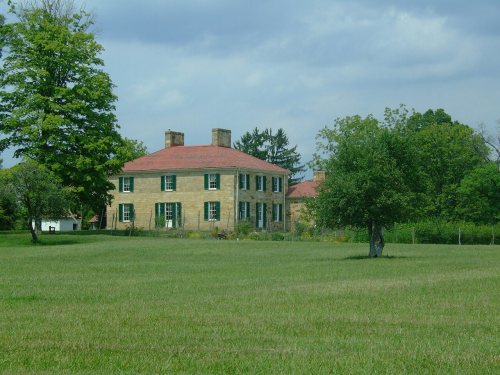 ★ Landmark


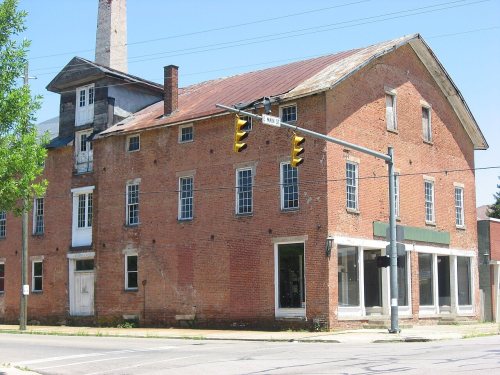

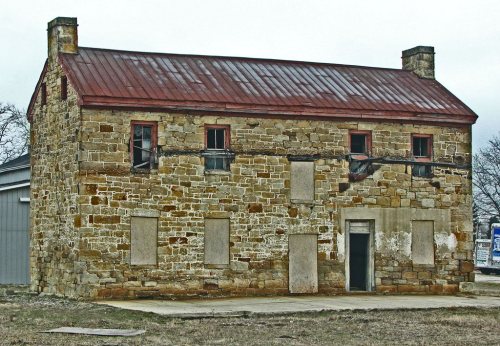


 1905
 1907
 1907
 1907
 1907
 1907
 1907
 1907
 1907
 1907


