Hudson dates to 1785, and 53% of its homes were built before 1940
Among the most historic 1% of U.S. towns · #28 of 758 in New York. What drives it
14 places in town are on the National Register, among them the Dr. Oliver Bronson House and Estate, a National Historic Landmark, and five historic districts with 819 buildings between them. Below: 9 old photos and papers, maps from 1884 on, and the census since 1790.
Founding year: Wikidata; Wikipedia’s history section gives the same year. First post office: 1792.The full story ↓
History grade
What drives Hudson’s History grade
On its age, its old homes and the National Register, Hudson is among the most historic 1% of U.S. towns, #28 of 758 in New York. All 3 inputs are above most U.S. towns; its share of homes from before 1940 ranks highest and its age lowest.
A+
HistoryA character grade: shown, never part of Hudson’s overall grade.
New York towns list more on the Register than most of the country (a typical New York town has 12.3 per 10,000 residents, the U.S. 2.4), so Hudson’s 1,413 sits above most of its state (98% of New York towns have fewer) while its 829 historic buildings outnumber those of 98% of U.S. towns.
How sure. Graded on any two of the three inputs instead, the letter would still be A+. The pre-1940 share is a Census survey estimate (±5.6 points). Two sources give 1785.
Founding year: Wikidata (other dates in Quick answers). Homes: Census ACS 2020–24. National Register: National Park Service, May 2026 list; each listing counted once (boundary changes and added documentation belong to their listing), and a historic district counts its contributing buildings. How TownRatings grades history →
What stands out about Hudson’s past
Read from the archive, the National Register and the record. The page puts what stands out first.
The native Mahican people had occupied this territory for hundreds of years before Dutch colonists began to settle here in the 17th century, calling it "Claverack Landing" (as it was later known in English). In 1662, some of the Dutch bought this area of land from the Mahican. Later it was part of the Town of Claverack established by English colonists.
Passages that mention Hudson, cut from the printed page as they were published.
History of the city of Hudson, New York1908 · page XXIRead the page →
Read the text
Hudson's elder son, John Hudson, accompanied him on all his later voyages, and finally perished with him. His second son named David was the ancestor of the Hudson family, who came to this country in the year 1800, and founded the town of Hudson in Ohio. This David Hudson, being the fifth of that name in direct descent from Henry Hudson. It is a pleasant thought that his descendants have been residents of our country
Text read by machine from the scan; it may contain errors.
History of the city of Hudson, New York1908 · page 54Read the page →
Read the text
In 1793, the Hudson Aqueduct Company, as the association was called, purchased the "Fountain" situated upon the road leading from Claverack to Hudson. The legislature was appealed to, and an act was passed "for the better regulating and protecting the aqueducts in the city of Hudson, providing for the election of officers, passage of by-laws, and giving to the Common Council the right by ordinance to fix a penalty, not exceeding five
Text read by machine from the scan; it may contain errors.
Genealogical history of Hudson and Bergen counties, New Jersey1900 · page 606Read the page →
Read the text
ciated himself with the different elevated railways in Brooklyn, where he made preliminary surveys for several lines. In 1887 he returned to his former position with Mr. Brush, with whom he continued until 1895, having charge of Mr. Brush’s construction work in North Hudson County, which included the $250,090 contract for the outlet sewer to Union Hill, the construction of the North Hudson County Railway to the (luttenberg racetrack, the improvement of the Meeks and Cossitt estates, the preliminary surveys for the Hudson River Bridge, and practically every large
Text read by machine from the scan; it may contain errors.
Scans and text from the Internet Archive. Books published in 1930 or earlier, which are in the public domain.
Timeline
Hudson, 1785 to 2003
Woven from the archive, old maps, post office records, the National Register and the people born here.
Nothing in the archives for these yearsWeddings on Main Street, storms, parades, school pictures, the old store. If it’s in your family album, it belongs here.
U.S. Geological Survey historical topographic maps (public domain), via Esri’s collection of the scans. The red ring marks the center of Hudson.
Every building
Hudson, building by building, 1884–1911
Fire insurance maps drew every building, what it was made of and what it was used for, so insurers could price the risk of fire. Pick a year, then a sheet.
In 1785, according to Wikidata and Wikipedia’s history of the town. Hudson’s post office opened in 1792, and the first U.S. census counted 2,584 people here in 1790.
How does Hudson rank for history?
Hudson is among the most historic 1% of U.S. towns, #28 of 758 in New York. The History grade combines the town’s founding era, the share of homes built before 1940 and its National Register listings. It’s a character grade, so it isn’t part of the overall grade. How it works.
What is on the National Register in Hudson?
14 listings: 8 buildings, among them the Dr. Oliver Bronson House and Estate (a National Historic Landmark since 2003), 5 historic districts with 819 contributing buildings, and 1 structure. 829 historic buildings in all.
How old are the homes in Hudson?
53% of Hudson’s homes were built before 1940 (Census estimate, ±5.6 points), against a typical 27% for a New York town; the median home was built in 1938.
Founding dates: Wikidata, Wikipedia, the U.S. post office records of Blevins & Helbock (CC0) and the Census. Homes by year built: Census ACS 2020–24. National Register of Historic Places: National Park Service (list of May 22, 2026). Old photos, postcards and papers: Wikimedia Commons, the Library of Congress and other public archives, credited on each item’s page. Maps: U.S. Geological Survey historical topographic maps (via Esri) and Sanborn fire-insurance maps (Library of Congress). History text and census tables: Wikipedia (CC BY-SA 4.0). Places that used to be: USGS Geographic Names Information System (2021).
From Wikimedia Commons (6), the Library of Congress (3), Wikidata (3), the National Register of Historic Places (14), Wikipedia, Wikidata and Wikipedia for famous people, U.S. Geological Survey historical maps, U.S. Census counts (via Wikipedia), the US Post Offices dataset (Blevins & Helbock), the USGS Geographic Names Information System, Sanborn fire insurance maps (Library of Congress) and old county and town histories (Internet Archive). Archive images are copied here with their credits and licenses, shown on each photo’s page. Refreshed monthly.

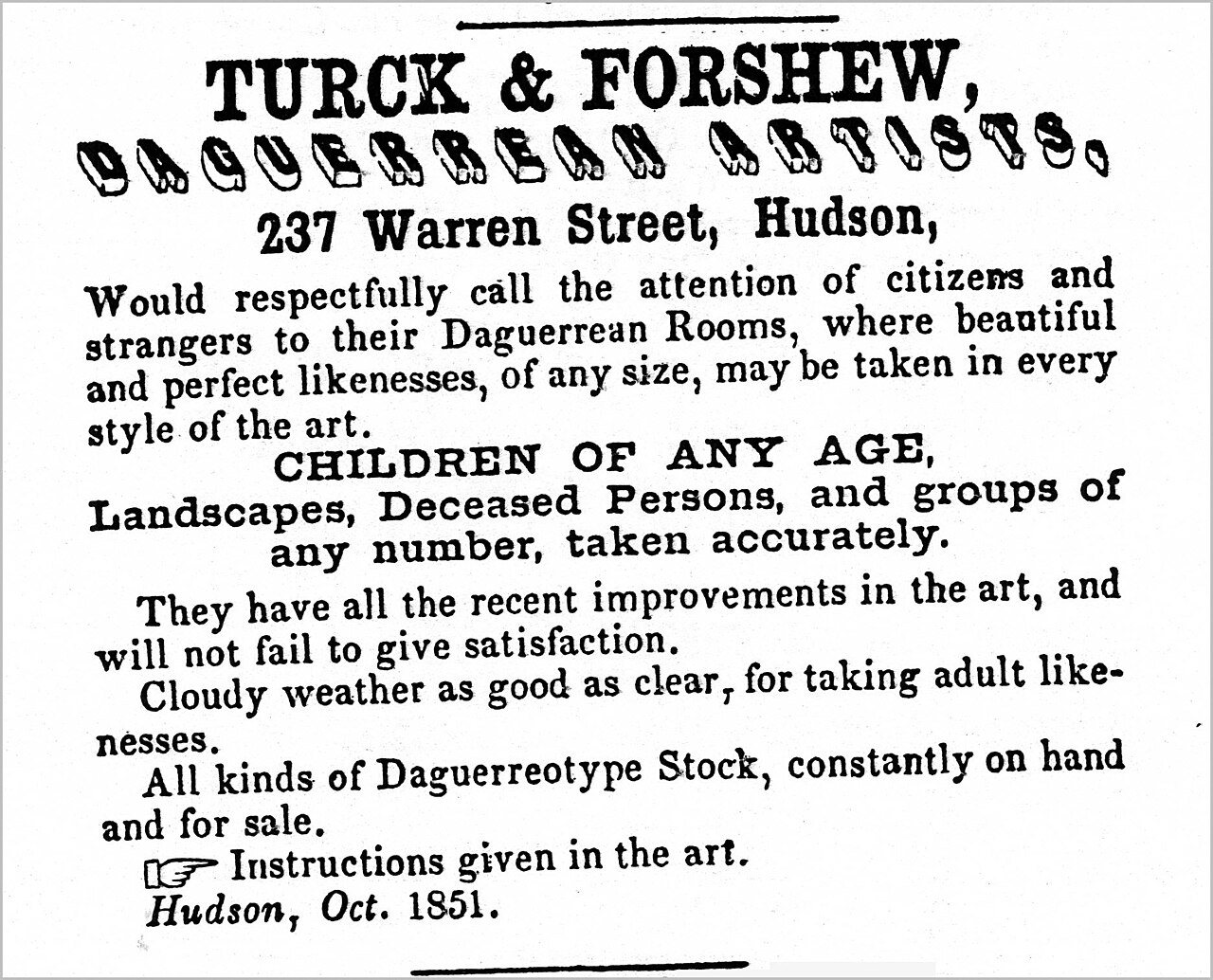


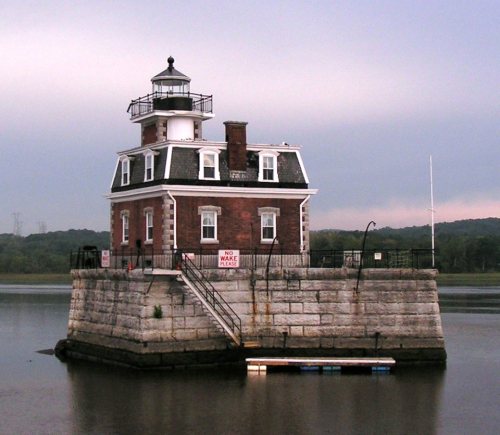


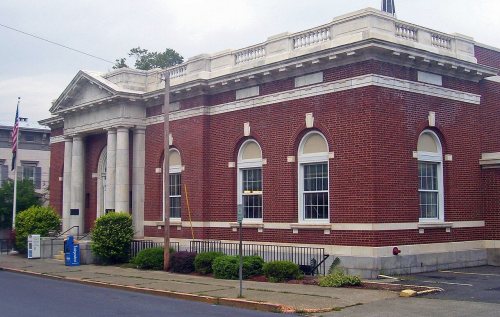




 1838
 1855–1862
 1890
 1898


