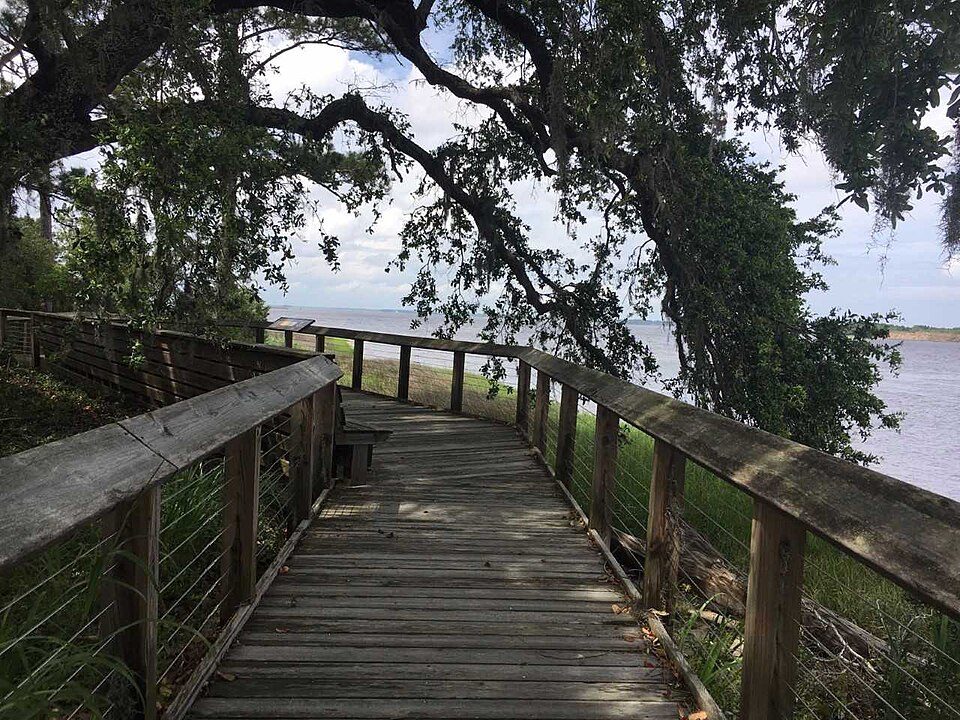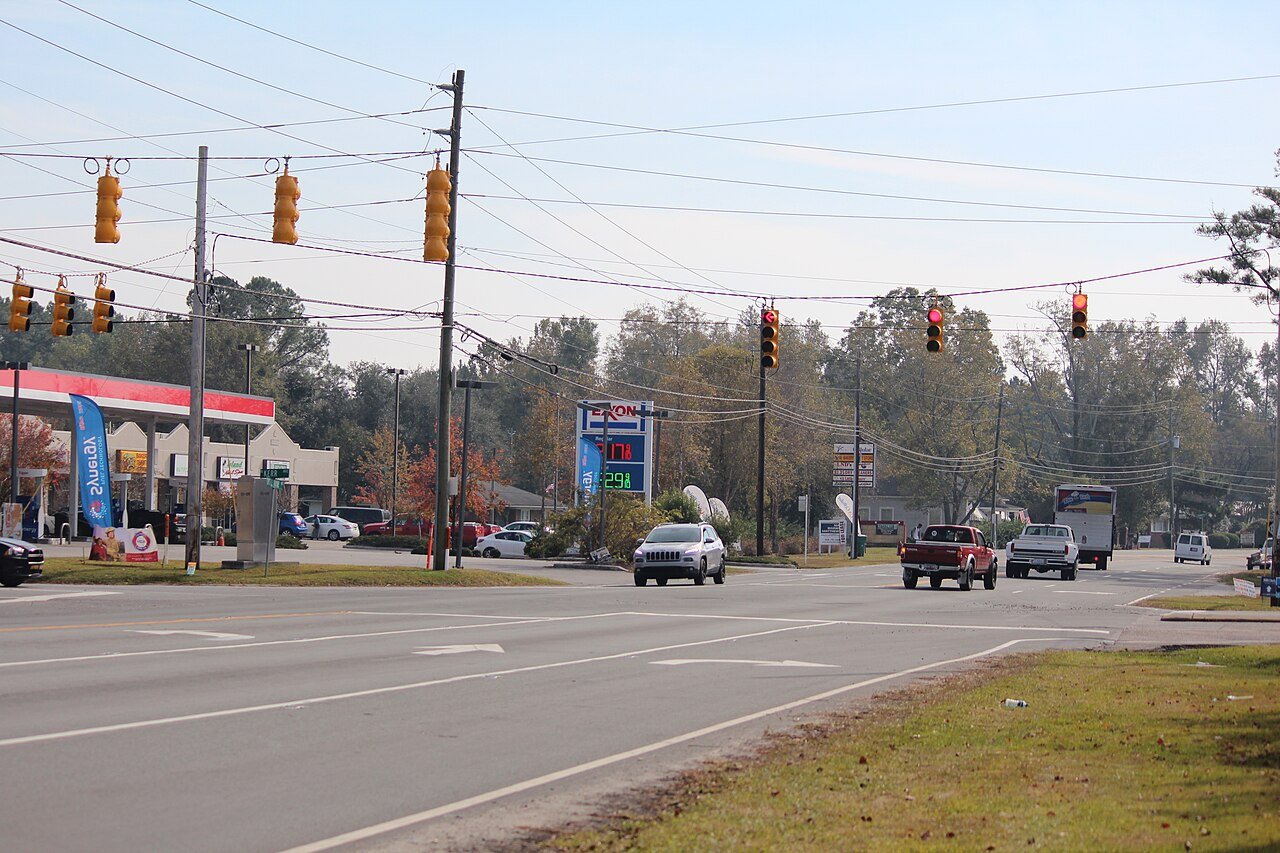
Wrightsboro in pictures
Census counts: 4,745 in 1990, 5,526 in 2020. The archive holds 3 old photos and papers going back to 2016 and 4 maps from 1947 on.
1 place on the National Register of Historic Places.
Explore the history →Each edition grades its towns against each other only.

A town of 6,287.
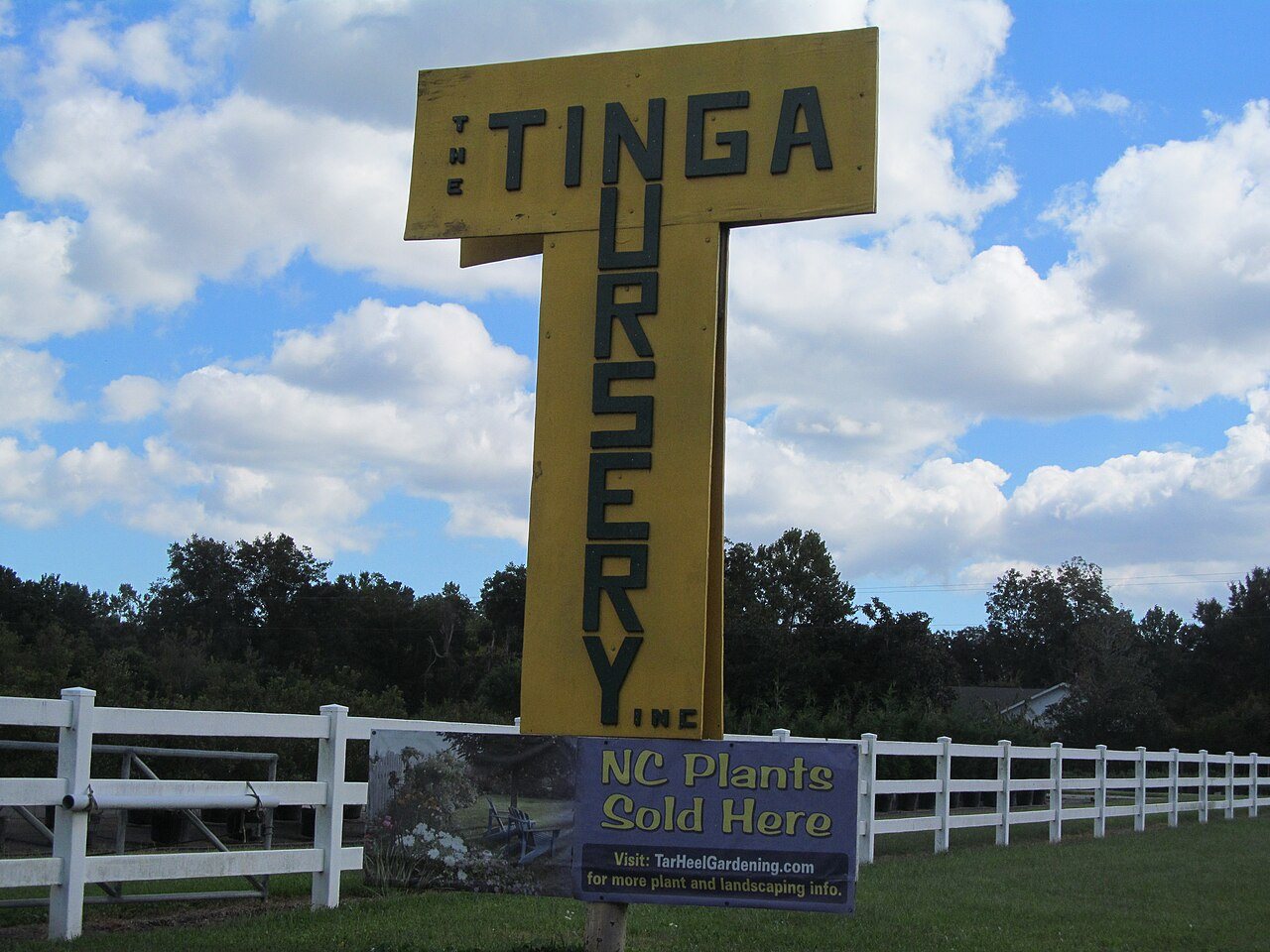
Wrightsboro gives you more for your money than most places: homes are within reach, about $256K for a typical one, or 3.3 years of the Wilmington metro’s $76K median household income. It grades B overall, ranked 68th of 286 in North Carolina. The low prices come with trade-offs. FEMA rates its natural-hazard risk higher than 91% of U.S. communities, with hurricanes at the top. Tinga Nursery is on the National Register of Historic Places. Wrightsboro’s January low is 34°F, above both North Carolina’s towns (31°F) and U.S. towns (22°F).
4,896 counted in 2010 and 5,526 in 2020.
U.S. Census 2010 & 2020 counts
Each subject compared with towns across the country (schools within North Carolina), ordered by how far Wrightsboro is from typical.
How TownRatings grades towns →
Census counts: 4,745 in 1990, 5,526 in 2020. The archive holds 3 old photos and papers going back to 2016 and 4 maps from 1947 on.
1 place on the National Register of Historic Places.
Explore the history →Wrightsboro is unincorporated, so New Hanover County and regional agencies provide most services.
EPA SDWIS (Oct 9, 2026) · HIFLD + EIA-861 2025 · Census 2020 ZCTAs · NCES 2024–25 · registration: vote.gov, updated Nov 18, 2024.
Ordered by what stands out in Wrightsboro.
Wrightsboro trades workers with Wilmington and other neighbors, but it carries more natural-hazard risk than most of North Carolina (mostly hurricanes) and has little public open land.
FEMA rates its natural-hazard risk higher than 83% of North Carolina towns, with expected losses of about $52 per resident a year; that rating is what its D− for hazard risk is built on.
89% of Wrightsboro’s expected losses from natural hazards come from hurricanes, followed by inland flooding at 6%. Federal disaster aid has reached households in Wrightsboro once, in 2018. Paid flood insurance claims here since 1999: one.
FEMA disaster declarations and aid · FEMA National Risk Index · OpenFEMA
Its one school is below. The public schools here belong to the New Hanover County Schools. Enrollment at Wrightsboro’s public school: 502 students.
| School | Level | Students | Letter |
|---|---|---|---|
| Wrightsboro ElementaryLargest public elementary schoolGrades PK–5 | Grades PK–5 | 502 | C− |
NCES · EDFacts · graded within NC on state tests and graduation
NOAA U.S. Climate Normals, 1991–2020
Wrightsboro has about as many jobs (2,083) as working residents, but only 50 people both live and work here. Jobs based here grew from 1,210 in 2013 to 2,083.
Half commute less than 7 miles. Jobs in Wrightsboro grew by 873 from 2013 to 2023, reaching 2,083. Most people who work leave Wrightsboro to do it: just 2% work in town. Also worth knowing: the mean commuting time locally is 22 minutes.
| Wrightsboro | North Carolina towns | U.S. towns | |
|---|---|---|---|
| Work from home | 7.5% | 12% | 11% |
| Average trip to work | 22 minutes | 24 minutes | 25 minutes |
| Working residents who work in town | 2.1% | 6.8% | 8% |
| Below the poverty line | 11% | 13% | 9.6% |
Census LEHD 2023 · ACS
26% of adults 25 and older hold at least a bachelor’s degree, against 36% across North Carolina. Every broad age group is within 4 points of the North Carolina average. Wrightsboro’s age of the median resident is 38 years.
| Wrightsboro | North Carolina towns | U.S. towns | |
|---|---|---|---|
| Median age | 38 years | 40.1 years | 40.5 years |
| Aged 65 or older | 17% | 18% | 18% |
| Bachelor’s degree or more, 25+ | 26% | 29% | 29% |
57% women, 43% men
About 75 men for every 100 women (the survey’s margin: ±4.4 points). Across North Carolina, 51.1% of residents are women.
| Wrightsboro | NC | U.S. | |
|---|---|---|---|
| Under 10 | 9.9% | 11.6% | 11.6% |
| 10 to 17 | 11.8% | 10.2% | 10.3% |
| 18 to 24 | 9.8% | 9.5% | 9.1% |
| 25 to 34 | 14.8% | 13.4% | 13.7% |
| 35 to 44 | 10.2% | 12.8% | 13.2% |
| 45 to 54 | 16% | 12.6% | 12.2% |
| 55 to 64 | 10.8% | 12.8% | 12.7% |
| 65 to 74 | 12.5% | 10.3% | 10.2% |
| 75 and older | 4.3% | 6.9% | 7% |
| No diploma | 12.1% | 9.9% | 10.4% |
| High school | 29.3% | 24.8% | 26% |
| Some college | 19.4% | 19.6% | 19.1% |
| Associate’s | 13.3% | 10.1% | 8.8% |
| Bachelor’s | 18.9% | 22.2% | 21.6% |
| Graduate | 7% | 13.5% | 14.1% |
U.S. Census Bureau · ACS 2020-2024 5-year estimates
Just 30 of its 7,383 acres are conserved, so there is little public open land in Wrightsboro itself; its outdoors grade is D.
The density of trails for Wrightsboro comes to 0.1 miles per square mile. 1.0 miles of trail.
| Wrightsboro | North Carolina towns | U.S. towns | |
|---|---|---|---|
| Conserved land | 0.4% | 3.4% | 4.3% |
| Miles of trail per square mile | 0.1 miles per square mile | 0.2 | 0.4 |
Trails & parks © OpenStreetMap contributors · Conserved land: USGS PAD-US
In Wrightsboro, 13% of adults have diabetes, and 17% worry about having enough food. 21% of Wrightsboro adults say their health is fair or poor.
| Wrightsboro | North Carolina towns | U.S. towns | |
|---|---|---|---|
| High blood pressure (CDC PLACES) | 40% | 38% | 35% |
| Diabetes (CDC PLACES) | 13% | 13% | 12% |
| Food insecurity (CDC PLACES) | 17% | 15% | 14% |
| Binge drink (CDC PLACES) | 16% | 14% | 16% |
| What stands out | Wrightsboro | NC |
|---|---|---|
| More older adults who have lost all their teeth | 18.8% | 13.9% |
| More adults who have had a stroke | 4.2% | 3.6% |
CDC PLACES 2025 · modeled estimates for adults · CMS · HRSA
On the market in Wrightsboro: a median 67 days to sell. For households here, the share who own their home is 78%. Sellers in Wrightsboro got 98.2% of the asking price, typically.
| Wrightsboro | North Carolina towns | U.S. towns | |
|---|---|---|---|
| Households that own their home | 78% | 67% | 73% |
| Median rent | $1,250 a month | $1,084 a month | $1,185 a month |
Census ACS, 2020–24 · Zillow Home Value Index · Redfin Data Center
Museums, parks, gardens and other places to visit around Wrightsboro. Close and well known come first.
22 mi LandmarkFort Fisher
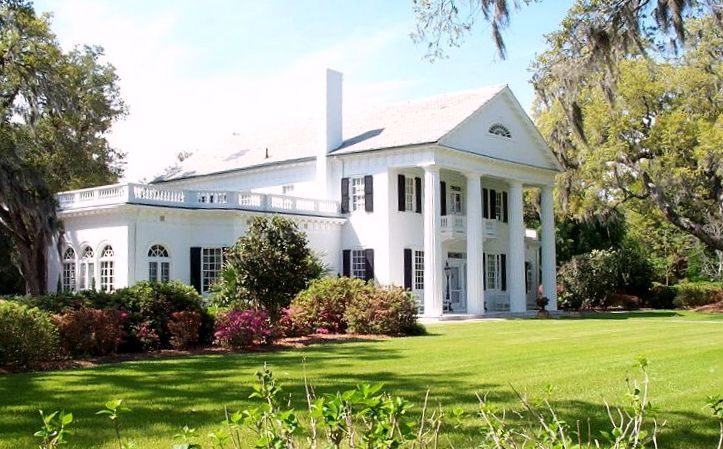
16 mi GardenOrton Plantation
17 mi MuseumBrunswick Town
15 mi National BattlefieldMoores Creek National Battlefield56K visitors a year8 mi GardenAirlie Gardens
4 mi TheatreThalian HallFort Fisher: Eric T. Gunther, CC BY 3.0 · Orton Plantation: AgnosticPreachersKid., CC BY-SA 3.0 · Brunswick Town: Brunswick1726, CC BY-SA 4.0 · Moores Creek National Battlefield: Unknown authorUnknown author, Public domain · Thalian Hall: Sanfranman59, CC BY-SA 3.0
3 within 15 miles of the center of Wrightsboro
About 9 of every 100 Wrightsboro residents are enrolled in college, against 6 across North Carolina.
CDP in North Carolina, United States
Wrightsboro is a census-designated place (CDP) in New Hanover County, North Carolina, United States. As of the 2020 census, Wrightsboro had a population of 5,526. It is part of the Wilmington Metropolitan Statistical Area.
From Wikipedia, licensed CC BY-SA 4.0 · facts via Wikidata (CC0)
5 towns share a border with Wrightsboro.
It grades higher overall than all 3 graded towns on its borders; Kings Grant (C+) comes closest.
| Town | NC rank | Overall | Cost | Safety | Schools | Health |
|---|---|---|---|---|---|---|
| Wrightsboro | #68 | B | B+ | — | B | B− |
| Wilmington | #192 | C− | D | D | B | B+ |
| Hightsville | — | — | — | — | — | — |
| Kings Grant | #133 | C+ | C+ | — | B | B |
| Blue Clay Farms | — | — | — | — | — | — |
| Skippers Corner | #173 | C− | B+ | — | B | C− |
Wrightsboro, Kings Grant and Skippers Corner report no FBI crime data of their own. Hightsville and Blue Clay Farms aren’t graded (fewer than 1,000 residents, or not enough data). Compare Wrightsboro with a neighbor →
Short answers, built from the data on this page.
By most measures, yes. Wrightsboro grades B overall, better than 58% of U.S. towns and #68 of 286 in North Carolina. It grades B− for health and B for schools. Hazard risk is its weak spot, with a D−.
Not for the area. The typical home is worth about $256,000, 23% below the North Carolina typical home. Cost of living, which also weighs rents, property taxes and how many households pay 30% or more of their income for housing, grades B+.