182 years in pictures
The archive holds 5 old photos and papers going back to 2004.
2 places on the National Register of Historic Places.
- 1844Walnut Cove is settled
Each edition grades its towns against each other only.

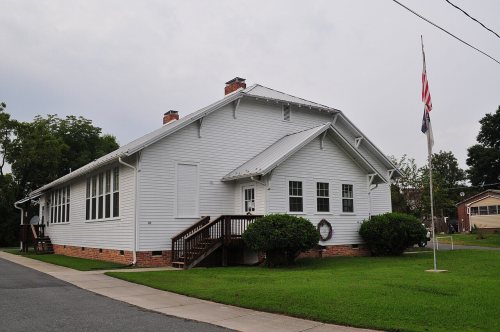
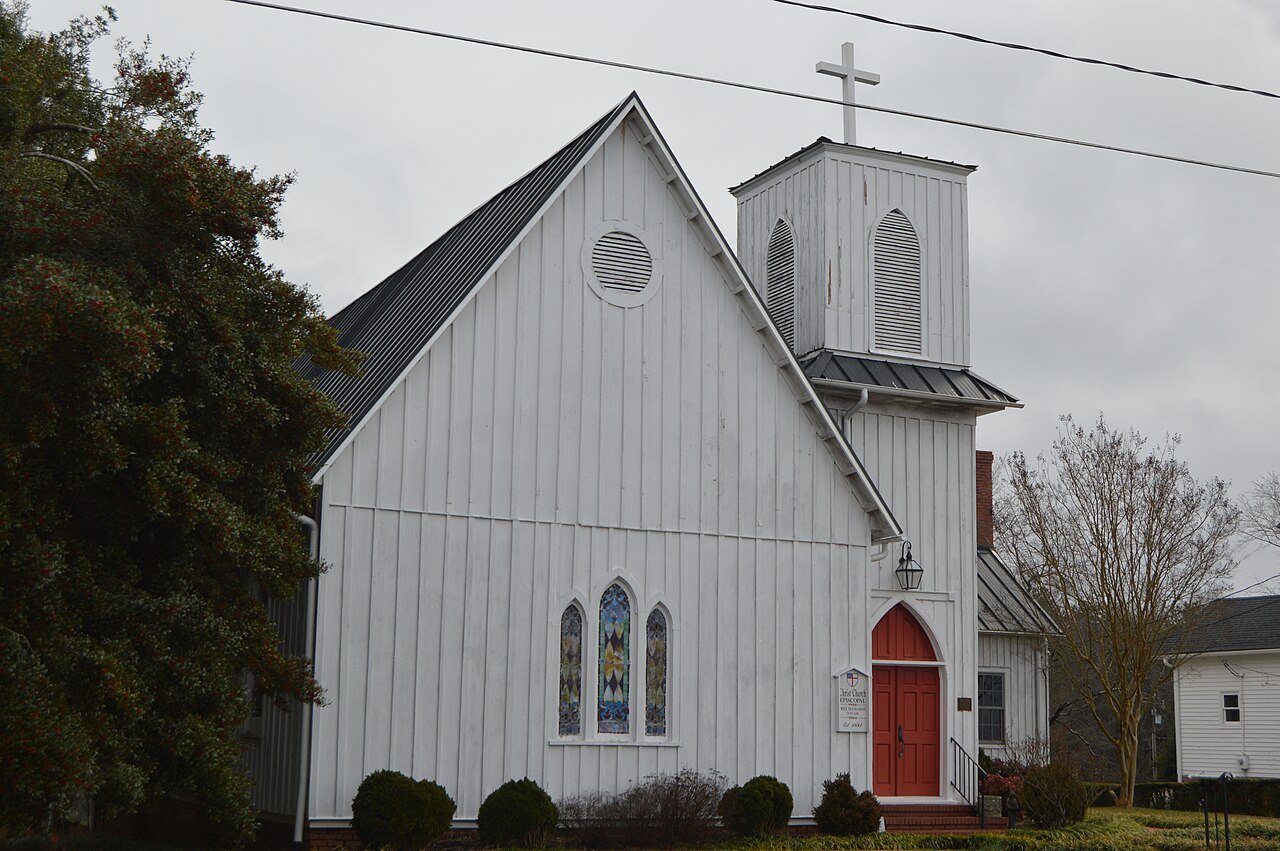
The best of Walnut Cove’s subject grades are a B+ for history and a B for cost of living; the weakest is a D for incomes. Most errands need a car: it is less walkable than 84% of U.S. towns. Walnut Cove's civic life (library use, community groups, volunteering) trails 98% of U.S. towns. On the outdoors, just 24 of North Carolina’s 451 towns do worse. Its National Register listings include Walnut Cove Colored School and Christ Episcopal Church. Walnut Cove has fewer than 2,500 residents, so it gets subject grades but no overall grade.
Where Walnut Cove beats most towns.
1,425 counted in 2010 and 1,586 in 2020; an estimated 1,609 in 2025.
U.S. Census 2010 & 2020 counts · Census Bureau estimate, July 1, 2025
Each subject compared with towns across the country (schools within North Carolina), ordered by how far Walnut Cove is from typical.
How TownRatings grades towns →
The archive holds 5 old photos and papers going back to 2004.
2 places on the National Register of Historic Places.
Who provides power, water and the rest in Walnut Cove, and how to reach them.
EPA SDWIS (Oct 9, 2026) · HIFLD + EIA-861 2025 · Census 2020 ZCTAs · NCES 2024–25 · registration: vote.gov, updated Nov 18, 2024.
Ordered by what stands out in Walnut Cove.
Walnut Cove beats the North Carolina average on 2 of 32 CDC measures and trails it on 17. 48% of adults have high blood pressure in Walnut Cove, above both North Carolina’s towns (38%) and U.S. towns (35%). 12% of Walnut Cove adults binge drink.
| Walnut Cove | North Carolina towns | U.S. towns | |
|---|---|---|---|
| High blood pressure (CDC PLACES) | 48% | 38% | 35% |
| Diabetes (CDC PLACES) | 17% | 13% | 12% |
| Binge drink (CDC PLACES) | 12% | 15% | 16% |
| Frequent physical distress (CDC PLACES) | 17% | 13% | 14% |
| What stands out | Walnut Cove | NC |
|---|---|---|
| Fewer binge drinkers | 11.7% | 14.7% |
| More adults treating high blood pressure | 82.5% | 76.7% |
| More older adults who have lost all their teeth | 23% | 13.9% |
CDC PLACES 2025 · modeled estimates for adults · CMS · HRSA
Its public schools are run by the Stokes County Schools. One of its 2 schools is below, with why it’s listed.
| School | Level | Students | Letter |
|---|---|---|---|
| Southeastern Stokes Middle SchoolLargest public middle schoolGrades 6–8 | Grades 6–8 | 413 | B− |
NCES · EDFacts · graded within NC on state tests and graduation
The typical Walnut Cove home is worth about $241,000, up 9.3% in a year, 27% below the North Carolina typical home. At $674 a month, Walnut Cove’s median rent is below both the North Carolina town median ($1,085 a month) and the median of U.S. towns ($1,185 a month). 55% of households own their home in Walnut Cove.
| Walnut Cove | North Carolina towns | U.S. towns | |
|---|---|---|---|
| Households that own their home | 55% | 67% | 73% |
| Median rent | $674 a month | $1,085 a month | $1,185 a month |
Census ACS, 2020–24 · Zillow Home Value Index · Redfin Data Center
Walnut Cove has mild winters and warm summers. July afternoons reach 89°, January nights drop to 29° and about 6 inches of snow falls in a winter.
NOAA U.S. Climate Normals, 1991–2020
Most working residents leave Walnut Cove for work: only 5% work in town. Walnut Cove’s median household income is $45,000. Jobs based in Walnut Cove grew to 808 in 2023, 210 more than in 2013.
| Walnut Cove | North Carolina towns | U.S. towns | |
|---|---|---|---|
| Below the poverty line | 18% | 13% | 9.6% |
| Median household income | $45,000 | $69,000 | $80,000 |
| Average trip to work | 27 minutes | 24 minutes | 25 minutes |
| Working residents who work in town | 5.1% | 6.8% | 8% |
Census LEHD 2023 · ACS
Expected storm and flood damage is lower than in 57% of U.S. communities. One flood insurance claim has been paid in Walnut Cove since 2003.
FEMA flood insurance claims · FEMA National Risk Index · OpenFEMA
Museums, parks, gardens and other places to visit around Walnut Cove. Close and well known come first.
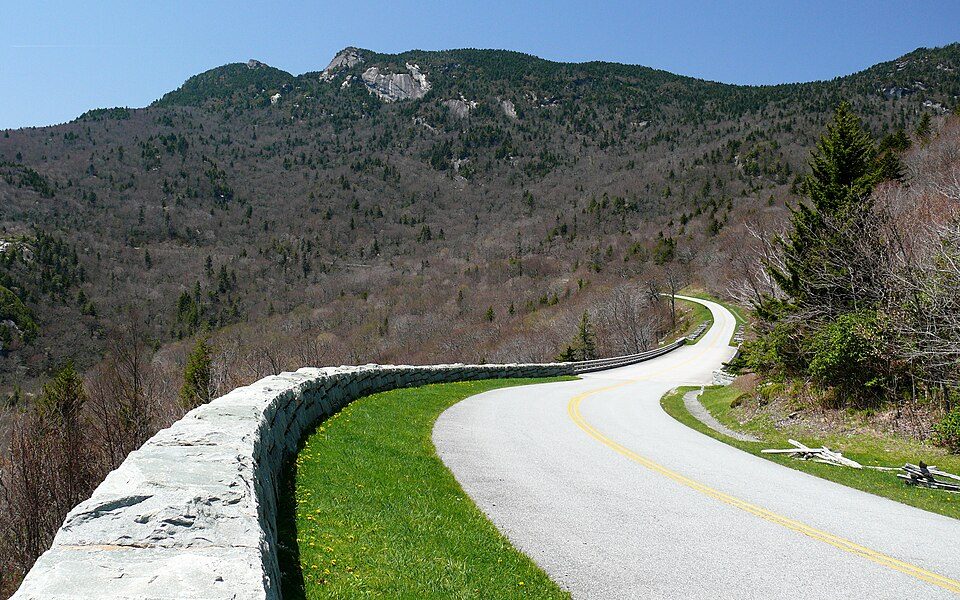
32 mi ParkwayBlue Ridge Parkway16.5M visitors a year
13 mi Stadium & arenaAllegacy Federal Credit Union Stadium
15 mi MuseumOld Salem
19 mi MountainPilot Mountain
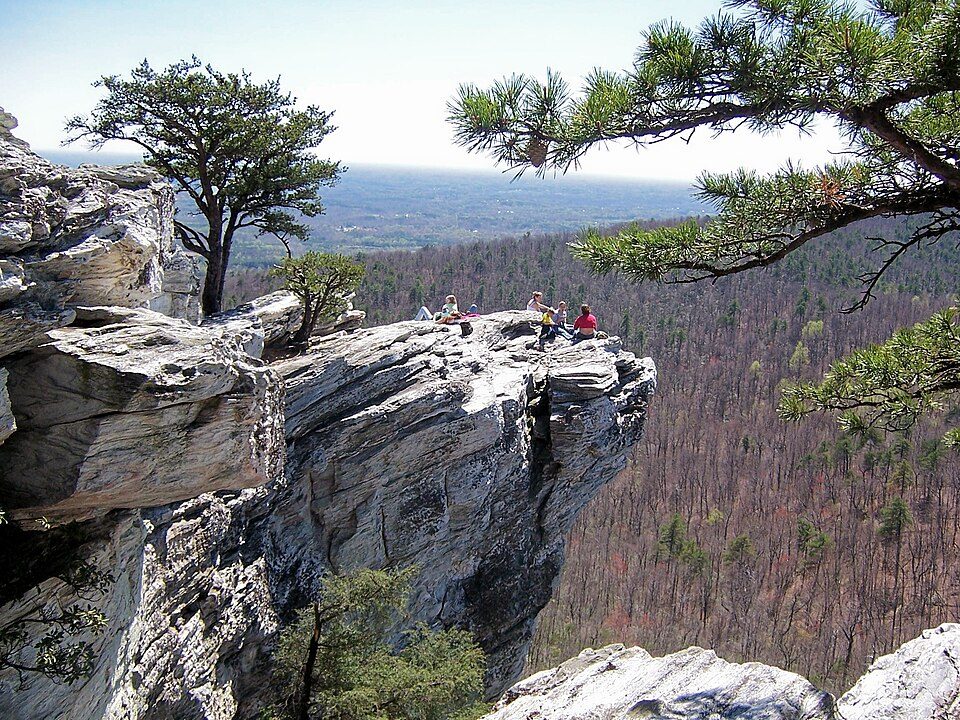
10 mi State parkHanging Rock State Park
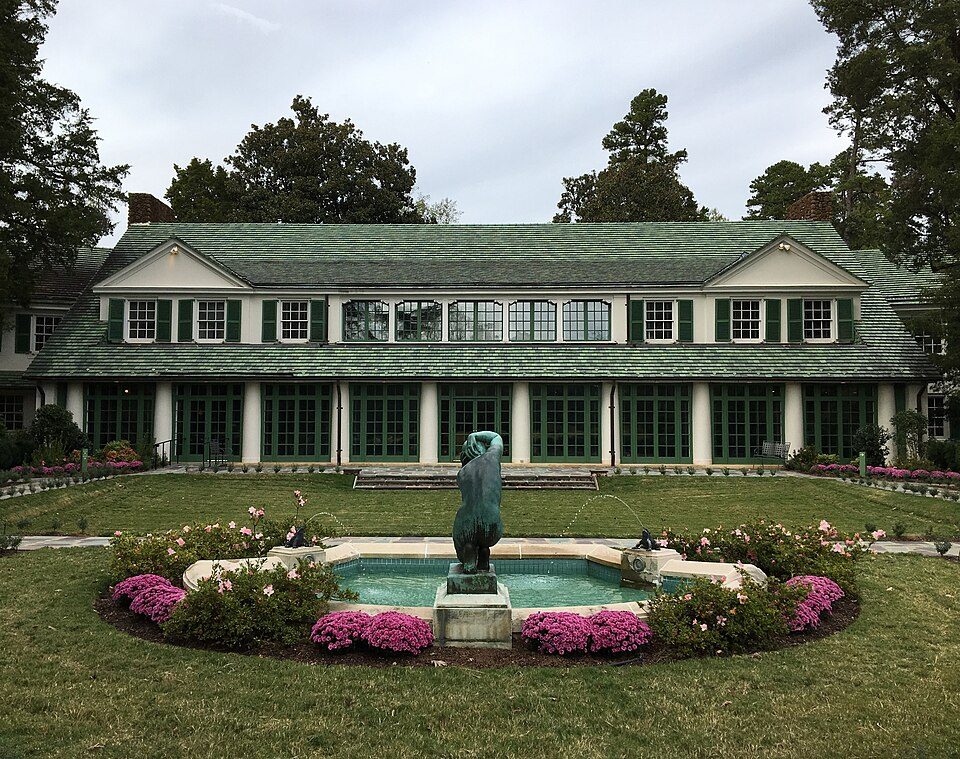
14 mi MuseumReynolda House Museum of American ArtBlue Ridge Parkway: Ken Thomas, Public domain · Allegacy Federal Credit Union Stadium: BobHWS, CC BY-SA 3.0 · Old Salem: David Bjorgen, CC BY-SA 3.0 · Pilot Mountain: Berean Hunter, CC BY-SA 2.5 · Hanging Rock State Park: Jacalyn Engler from Greensboro, United States, CC BY-SA 2.0 · Reynolda House Museum of American Art: Zsrarticle, CC BY-SA 4.0
3 within 15 miles of the center of Walnut Cove
About 3 of every 100 Walnut Cove residents are enrolled in college, against 6 across North Carolina.
2 places in Walnut Cove on the National Register of Historic Places.
4 notable people were born in Walnut Cove.
Town in North Carolina, United States
Walnut Cove is a town in Stokes County, North Carolina, United States. The population was 1,536 at the 2020 census. It is the home of the Walnut Cove Springfest, which draws many visitors to the area. Festival-organizers marked 1889, the town's incorporation date, but the town's roots date to the mid-18th century when it was known as Town Fork. Town Fork settlers formed a bond with Moravians in Bethania and Bethabara. Eventually, William Lash, a Moravian settler at Bethania, bought land along the Town Fork Creek, which later developed into a large plantation named Walnut Cove. The Town was a railroad center in its former years, and today remnants of the old Train Depot still stand on Depot.…
From Wikipedia, licensed CC BY-SA 4.0 · facts via Wikidata (CC0)
Short answers, built from the data on this page.
Home to 2 places on the National Register of Historic Places.
That is 3.7 years of the area's median household income ($65,975 across the Winston-Salem, NC metro area). Cost of living, which also weighs rents, property taxes and how many households pay 30% or more of their income for housing, grades B.
4 notable people were born here, including Burt Myers and Alan Bibey.