Guest, Sign inJoin

Post to Charlotte

We’ll email a one-tap link to publish your post. No password, and nothing is public until you click it.
Already a member? Sign in
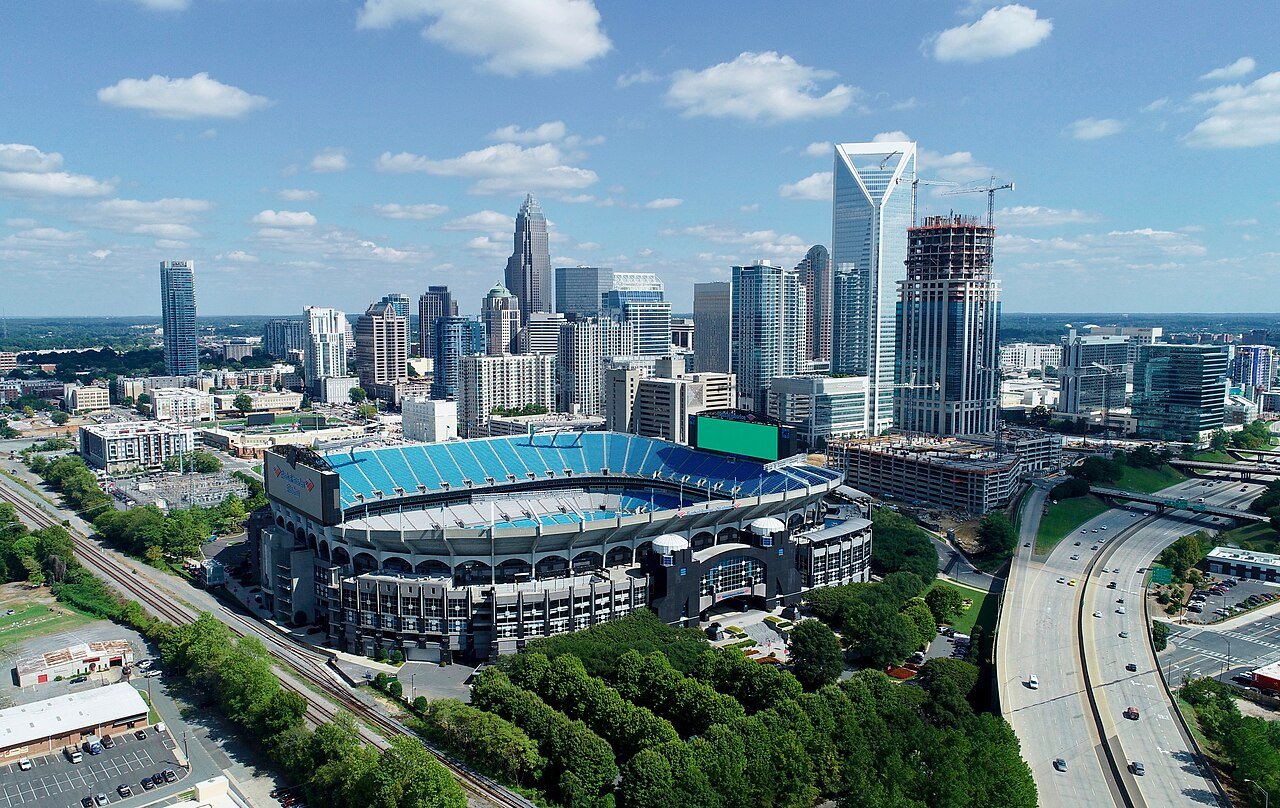
Uptown Charlotte 2018 taking by DJI Phantom 4 pro
North Carolina›Mecklenburg County
Photo: Precisionviews · CC BY-SA 4.0
Photo of Charlotte

Charlotte, NC · Photo: Precisionviews · CC BY-SA 4.0 · Source ↗

What is it like to live in Charlotte?

Charlotte has 964,784 people, so its C is an average across neighborhoods that differ more from each other than most towns do. Within North Carolina, that puts it 165th of 286. It is healthier than 81% of U.S. towns and it is easier to get around on foot or by transit than 88% of U.S. towns. What weighs on its grade: its police reported 5,787 violent crimes reported to the FBI in 2025, a higher rate per resident than 95% of U.S. towns, and the typical home is worth about $390K, 4.7 years of the Charlotte metro’s $83K median household income. 64% of working residents work locally in Charlotte, above both the North Carolina town median (6.8%) and the median of U.S. towns (8%). Its National Register listings include Myers Park Historic District and Elizabeth Lawrence House and Garden.

What makes Charlotte stand out

Where Charlotte beats most towns, and one thing worth knowing.

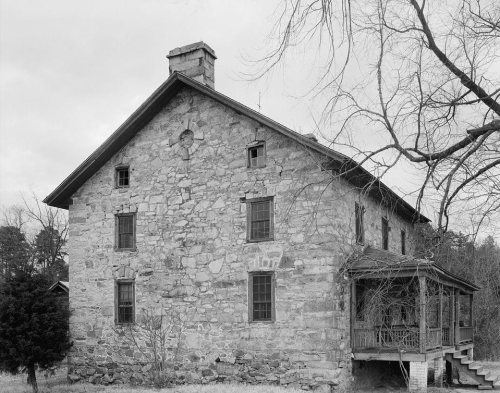
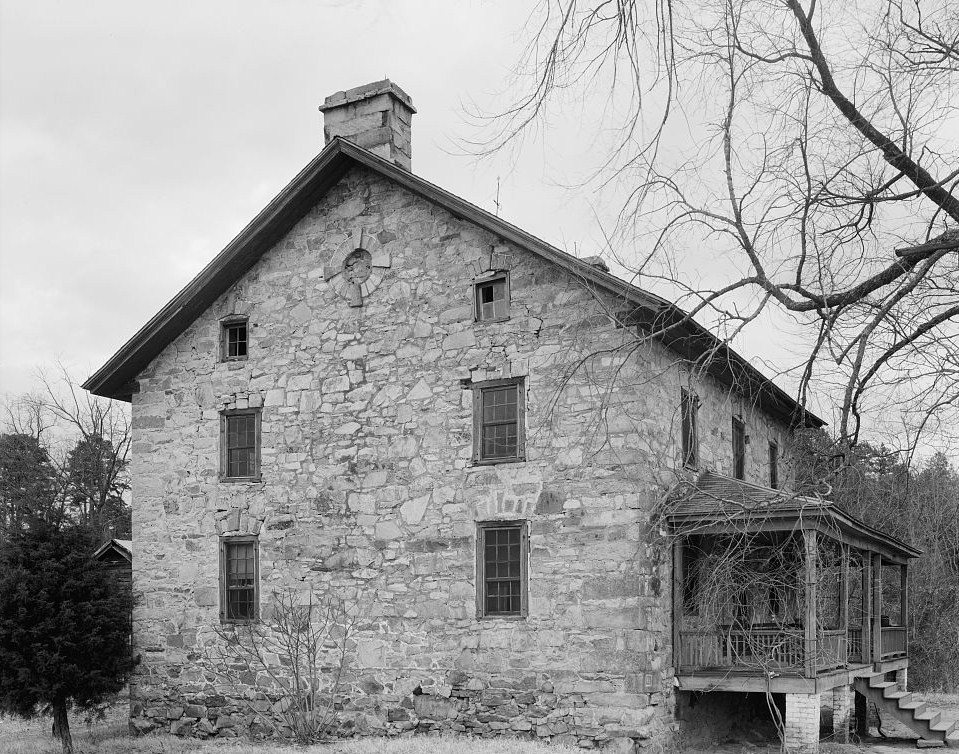
Hezekiah Alexander House
Hezekiah Alexander House · National Register of Historic Places
Charlotte’s story

258 years in pictures

Its 87 National Register listings are more than in 99% of North Carolina towns with a listing.

Census counts: 122 in 1800, 874,579 in 2020. The archive holds 5 old photos and papers going back to 1830 and 4 maps from 1905 on.

  • 1768Charlotte is settled
Explore the history →

How Charlotte grades

Each subject compared with towns across the country (schools within North Carolina), ordered by how far Charlotte is from typical.

How grading works
Character Graded, but not part of the overall grade.
Described, not graded Taste, not quality: snow or an older crowd is neither good nor bad.

How TownRatings grades towns →

Nearby attractions

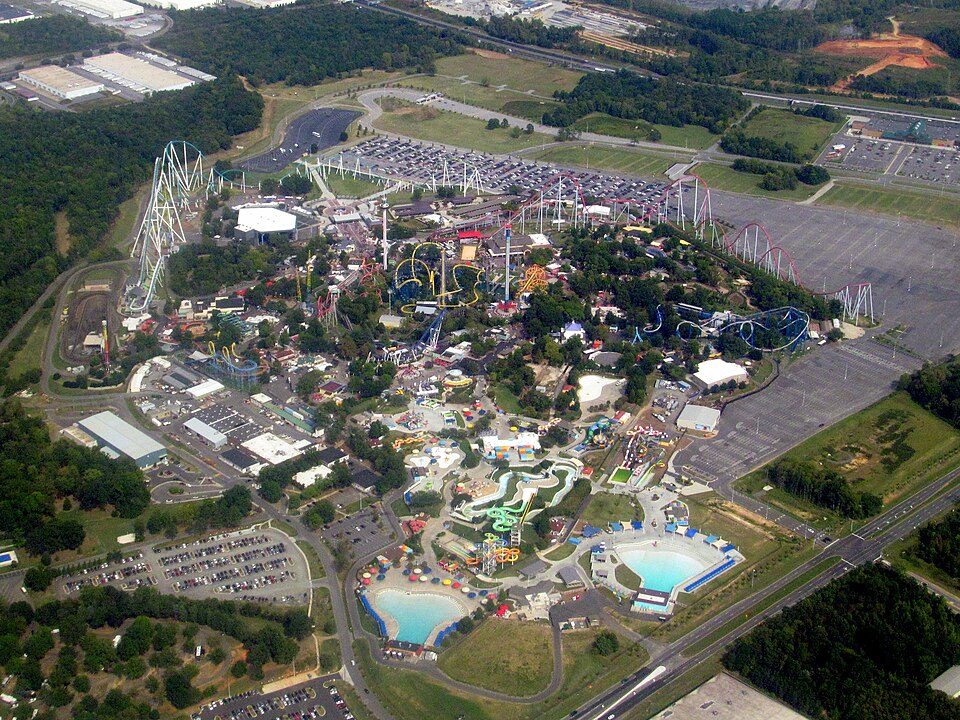
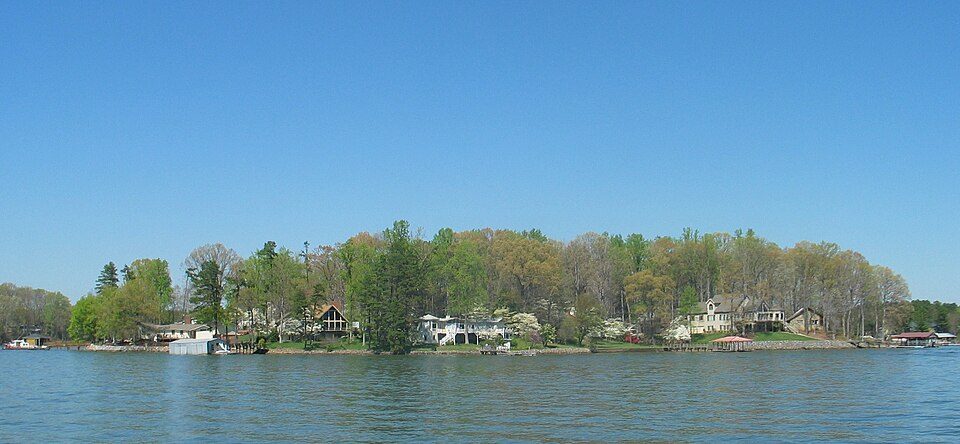
Bank of America Stadium and 19 more within 40 miles

Museums, parks, gardens and other places to visit around Charlotte. Close and well known come first.

All 29 attractions →
Sources: National Park Service · ski areas © OpenSkiMap / OpenStreetMap contributors · Wikidata · Wikipedia readership · photos via Wikimedia Commons
Photo credits

Bank of America Stadium: HangingCurve, CC BY-SA 4.0 · Carowinds: Pi.1415926535, CC BY-SA 3.0 · Bojangles Coliseum: James Willamor, CC BY-SA 3.0 · Lake Norman: Prince Grobhelm, CC BY-SA 3.0

Getting set up

Moving to Charlotte: who provides what

Who provides power, water and the rest in Charlotte, and how to reach them.

The full setup list →
PowerDuke Energy13.4¢/kWh · EIA 2025HIFLD · EIA
WaterCharlotte WaterNo health-based violations in 5 years · EPAEPA
Internet6 providers98% of addresses get 100/20 MbpsFCC
Trash & dumpEvery other week, same day as trashCurbside recyclingTown site
SchoolsCharlotte-Mecklenburg SchoolsWhich school depends on your addressNCES
Register to voteOnlineIn North Carolina you can register online until 25 days before Election Day, in person with same-day registration during the early voting period, or by mail (postmarked 25 days before).vote.gov
Who runs elections hereMecklenburg County Board of ElectionsMecklenburg County; contacts on the Handbook page.FVAP, Sep 2022
ZIP codes28269, 28277, 28215, 2820528269 9% · 28277 8% · 28215 6% · 28205 6%Census 2020

EPA SDWIS (Oct 9, 2026) · HIFLD + EIA-861 2025 · Census 2020 ZCTAs · NCES 2024–25 · registration: vote.gov, updated Nov 18, 2024.

The data

Ordered by what stands out in Charlotte.

Charlotte draws workers from Concord and beyond and fares better on crime within North Carolina than nationally, but it has a long record of flood insurance claims.

SafetyD

For safety, Charlotte earns a D

At 63.3 crimes per 1,000 residents a year, it reports more crime than 81% of North Carolina’s graded towns. Reported crimes fell from 44,676 to 41,052 over the last three FBI years, a drop beyond ordinary year-to-year swings.

The property crime rate in Charlotte is 34.1 per 1,000 residents. Charlotte reports more crime per resident than most U.S. towns we grade: about 95% report less. The violent crime rate in Charlotte is 5.6 per 1,000 residents.

5%of U.S. towns report more crimeDSafety Grade
CharlotteNorth Carolina townsU.S. towns
Property crimes per 1,000 (2025)34.1 per 1,000 residents21.89.9
Violent crimes per 1,000 (2025)5.6 per 1,000 residents3.11.6

Violent crime per 1,000 residents

Charlotte5.6
North Carolina3.3
U.S.3.3

Property crime per 1,000 residents

Charlotte34.1
North Carolina18.1
U.S.15.5
5th
percentile among U.S. towns we grade
19th
percentile among NC towns
5,787
violent crimes reported in 2025
35,265
property crimes reported in 2025

FBI crime data, 2025 · crimes reported to police

SchoolsB−

Public schools in Charlotte fall behind 54% of North Carolina districts

Its public schools are run by the Charlotte-Mecklenburg Schools. Three of its 225 schools are below, each with why it’s listed.

46%of NC districts it outscoresB−School Grade
SchoolLevelStudentsLetter
Community House MiddleLargest public middle schoolGrades 6–8Grades 6–81,425A
Myers Park High SchoolLargest public high schoolGrades 9–12Grades 9–123,225A
Metrolina Reg Scholars AcademyTop results in townGrades K–8Grades K–8396A+

NCES · EDFacts · graded within NC on state tests and graduation

Work & commuteJobs & income grade B

About two in three of Charlotte’s working residents work in town

667,200 jobs are based in Charlotte, 1.6 for every working resident, so most of the people who work here commute in. Jobs based here grew from 501,026 in 2013 to 667,200.

29% of workers work from home in Charlotte. Since 2013, Charlotte has added 166,174 jobs, to 667,200 in 2023. The top destinations are Raleigh (2%), Concord (2%) and Huntersville (2%).

64%work in town
CharlotteNorth Carolina townsU.S. towns
Work from home29%12%11%
Median household income$82,000$69,000$80,000
Below the poverty line12%13%9.6%

Where working residents work

In Charlotte64%
Raleigh2%
Concord2%
Huntersville2%
Matthews1%
9 mi
median commute distance
667,200
jobs based in Charlotte
A job hub
jobs vs. working residents
A
Walkability grade: more walkable than 88% of U.S. towns

Census LEHD 2023 · ACS

OutdoorsB

6.7% of Charlotte is conserved land

139 miles of trail in 180 parks and preserves. Reedy Creek Regional Park, at 299 acres with 4.2 miles of trail, is the biggest park or preserve.

#86for trails in NC
CharlotteNorth Carolina townsU.S. towns
Conserved land6.7%3.4%4.3%
Miles of trail per square mile0.4 miles per square mile0.20.4
6.7%
conserved · 13,434 of 200,154 acres
139 mi
of trails · 0.4 per sq mi
Biggest places to walkTrailsAcres
1. Mallard Creek Community Park4.6 mi242
2. Reedy Creek Regional Park4.2 mi299
3. Park Road Park3.1 mi97

Trails & parks © OpenStreetMap contributors · Conserved land: USGS PAD-US

HealthA−

For health, Charlotte earns an A−

30% of Charlotte adults have high blood pressure. Charlotte beats the North Carolina average on 10 of 32 CDC measures and trails it on 4. 11% of Charlotte adults report frequent physical distress.

81%healthier than U.S. townsA−Health Grade
CharlotteNorth Carolina townsU.S. towns
High blood pressure (CDC PLACES)30%38%35%
Frequent physical distress (CDC PLACES)11%13%14%
Sleep under 7 hours (CDC PLACES)39%34%36%
Obesity (CDC PLACES)30%36%35%
32 measures vs. North Carolina
10 better18 too close to call4 worse
What stands outCharlotteNC
Fewer adults with heart disease4.6%6.6%
Fewer adults with COPD5%7.1%
More adults facing a utility shut-off9.7%8.1%
Novant Health Presbyterian Medical Center
In Charlotte · emergency room
3 of 3
care shortages: primary care, dental, mental health
76th
percentile among NC towns

CDC PLACES 2025 · modeled estimates for adults · CMS · HRSA

Climate

Charlotte has mild winters and hot summers

Charlotte has mild winters and warm summers. Charlotte’s July high is 90°F.

4″snow a winter

Typical low → high °F

Winter33–54°
Spring48–72°
Summer67–88°
Fall50–73°
Nov 3
typical first frost
Mar 30
typical last frost
+1.2°
vs. the 20th-century average

NOAA U.S. Climate Normals, 1991–2020

HousingCost of living grade C−

For cost of living, Charlotte earns a C−

The typical Charlotte home is worth about $390,000, down 1.3% in a year, 17% above the North Carolina typical home.

$390KZillow home value
CharlotteNorth Carolina townsU.S. towns
Households that own their home51%67%73%
Median rent$1,612 a month$1,084 a month$1,185 a month

Typical home value

Charlotte$390K
North Carolina$332K
Market temperature
BalancedA seller's marketBuyer’sSeller’s
46
days on market
99%
sale-to-list price
−1.3%
value change, 1 year
1,114
homes sold in May

Zillow Home Value Index · Redfin Data Center

Natural hazardsHazard risk grade C+

Inland flooding leads a moderate hazard risk in Charlotte

2,023 flood insurance claims have been filed here, and 307 properties have flooded more than once.

Expected storm and flood damage is higher than in 52% of U.S. communities. Since 1978, 2,023 flood insurance claims have been paid out in Charlotte.

52risk score of 100
FEMA risk score
52Moderate riskLowerHigher
Inland floodingTornadoes
2,023
paid flood claims since 1978
5
federal disasters paid out here

FEMA flood insurance claims · FEMA National Risk Index · OpenFEMA

Keep exploring

Everything we know about Charlotte

20pages on Charlotte
After high school

Colleges nearby

9 within 15 miles of the center of Charlotte

A growing town

Charlotte has grown 32% since 2010

731,424 counted in 2010 and 874,579 in 2020; an estimated 964,784 in 2025.

Growth hasn’t slowed: 10.3% since 2020, after 19.6% in the decade before.

731,4242010
874,5792020
964,7842025 est.

U.S. Census 2010 & 2020 counts · Census Bureau estimate, July 1, 2025

Landmarks

87 places in Charlotte on the National Register of Historic Places.

All landmarks →

Famous people from Charlotte

36 notable people were born in Charlotte.

See all 36 →

About Charlotte

Most populous city in North Carolina, United States

Official town website ↗

Charlotte is the most populous city in the U.S. state of North Carolina. With a population of 874,579 at the 2020 census, it is the 14th-most populous city in the U.S., seventh-most populous city in the South, and second-most populous city in the Southeast (after Jacksonville, Florida). The Charlotte metropolitan area, with an estimated 2.88 million residents, is the 21st-largest metropolitan area in the U.S. The Charlotte metropolitan area is part of an 18-county combined statistical area with an estimated population of 3.47 million as of 2024. It is the county seat of Mecklenburg County. Between 2004 and 2014, Charlotte was among the country's fastest-growing metropolitan areas, with 888,…

From Wikipedia, licensed CC BY-SA 4.0 · facts via Wikidata (CC0)

Established
1768
Area
307 sq mi
Elevation
751 ft
ZIP code
28201, 28202, 28203

Charlotte’s neighbors

8 towns share a border with Charlotte.

Explore the map →
How the neighbors grade
TownNC rankOverallCostSafetySchoolsHealth
Charlotte#165CC−DB−A−
Matthews#107B−C−C−B−A+
Pineville#199C−DD−B−B+
Mint Hill#58BCB+B−A−
Marvin#25A−C−—A−A+
Weddington#21A−D—A−A+
Huntersville#45B+C−B−B−A+
Harrisburg#12AC−—B+A

Marvin, Weddington and Harrisburg report no FBI crime data of their own. Compare Charlotte with a neighbor →

Questions about Charlotte

Short answers, built from the data on this page.

Is Charlotte, NC a good place to live?

Charlotte grades C overall, better than 26% of U.S. towns and #165 of 286 in North Carolina. It grades A− for health, D for safety and B− for schools. Safety is its weak spot, with a D.

Is Charlotte, NC expensive?

Yes. Cost of living, which also weighs rents, property taxes and how many households pay 30% or more of their income for housing, grades C−.

What is Charlotte, NC known for?

36 notable people were born here, including Billy Graham and Chyler Leigh.